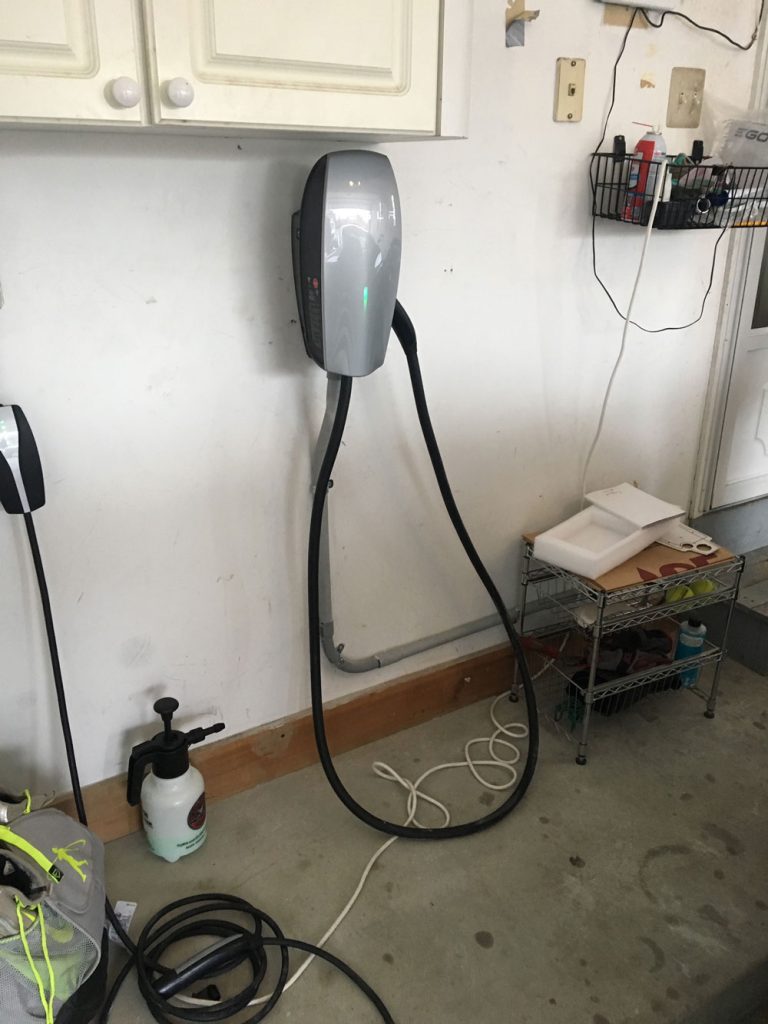
Home EV charger installation Mount Clemens, MI
Charging an electric vehicle at home should be simple, dependable, and sized for the way you drive. For homeowners researching Home EV charger installation in Mount Clemens, MI, a professionally planned circuit can replace slow, inconvenient charging with a practical overnight routine. Executive Electric is located at 20504 Hall Rd, Clinton Township, MI 48038, and can be contacted to discuss the electrical considerations of a home charging project.
A dedicated charging setup is especially useful for drivers who want to begin each day with a replenished battery, avoid relying solely on public chargers, or accommodate a new EV in a garage, driveway, or carport. The right approach depends on the vehicle, the desired charging speed, the home’s electrical capacity, the distance from the panel, and the intended charger location. A careful evaluation turns those variables into a safer, more useful installation plan.
What a home EV charging project should accomplish
A home charging project should provide a correctly sized, dedicated electrical path from the panel to the charging equipment or receptacle. It is not simply a matter of placing an outlet near where the vehicle parks. Circuit load, conductor sizing, overcurrent protection, equipment instructions, and applicable electrical requirements all affect the final design.
The practical benefit is control over your charging routine. Instead of building errands around a public charging stop, drivers can plug in when the vehicle is parked for the night or during another extended stay at home. This can be a meaningful convenience for households with regular commuting, school, family, or business driving needs.
- Dedicated circuit planning for EV charging equipment
- Assessment of panel capacity and existing electrical loads
- Thoughtful placement based on parking position and cable reach
- Selection between hardwired equipment and an appropriate receptacle setup
- Clear consideration of inspection or permitting requirements that may apply locally
A charging solution designed around everyday parking
A Home charging station gives an EV a consistent place to charge where it spends substantial time parked. Location matters because the connector should reach the vehicle without strain, crossing walkways unnecessarily, or requiring an extension cord. Planning also considers whether the equipment will be indoors or outdoors and whether future vehicle changes could affect cable reach or charging needs.
Drivers do not always need the highest-output equipment available. The useful choice is the one that fits the vehicle, household schedule, electrical service, and budget while providing enough energy during the time the car is normally parked. An electrician can help clarify those tradeoffs before equipment is installed.
Choosing the right charging level and connection
Most homeowners seeking faster at-home charging are evaluating Level 2 equipment, which uses 240-volt household power rather than a standard 120-volt convenience outlet. That difference can substantially improve charging speed, but it also makes proper circuit design important. The charger’s nameplate requirements and the vehicle’s charging capability both matter when determining an appropriate setup.
Why Level 2 is a common upgrade
Level 2 EV charger installation is often a sensible option for drivers who want to add more range while the vehicle is parked overnight or between daily trips. Level 2 chargers vary in output, so the installation should be matched to the equipment specifications and the electrical system rather than selected by a one-size-fits-all assumption. A dedicated circuit also helps separate EV charging from the demands of ordinary household receptacles.
A standard 120-volt charging cord can be suitable for some low-mileage routines or as a temporary solution, but it generally replenishes energy more slowly. Level 2 may be more appealing when a household drives frequently, has limited overnight charging time, or wants greater flexibility before the next departure. The best fit is based on actual driving and parking habits, not only the vehicle model.
Understanding 240-volt circuits and outlet options
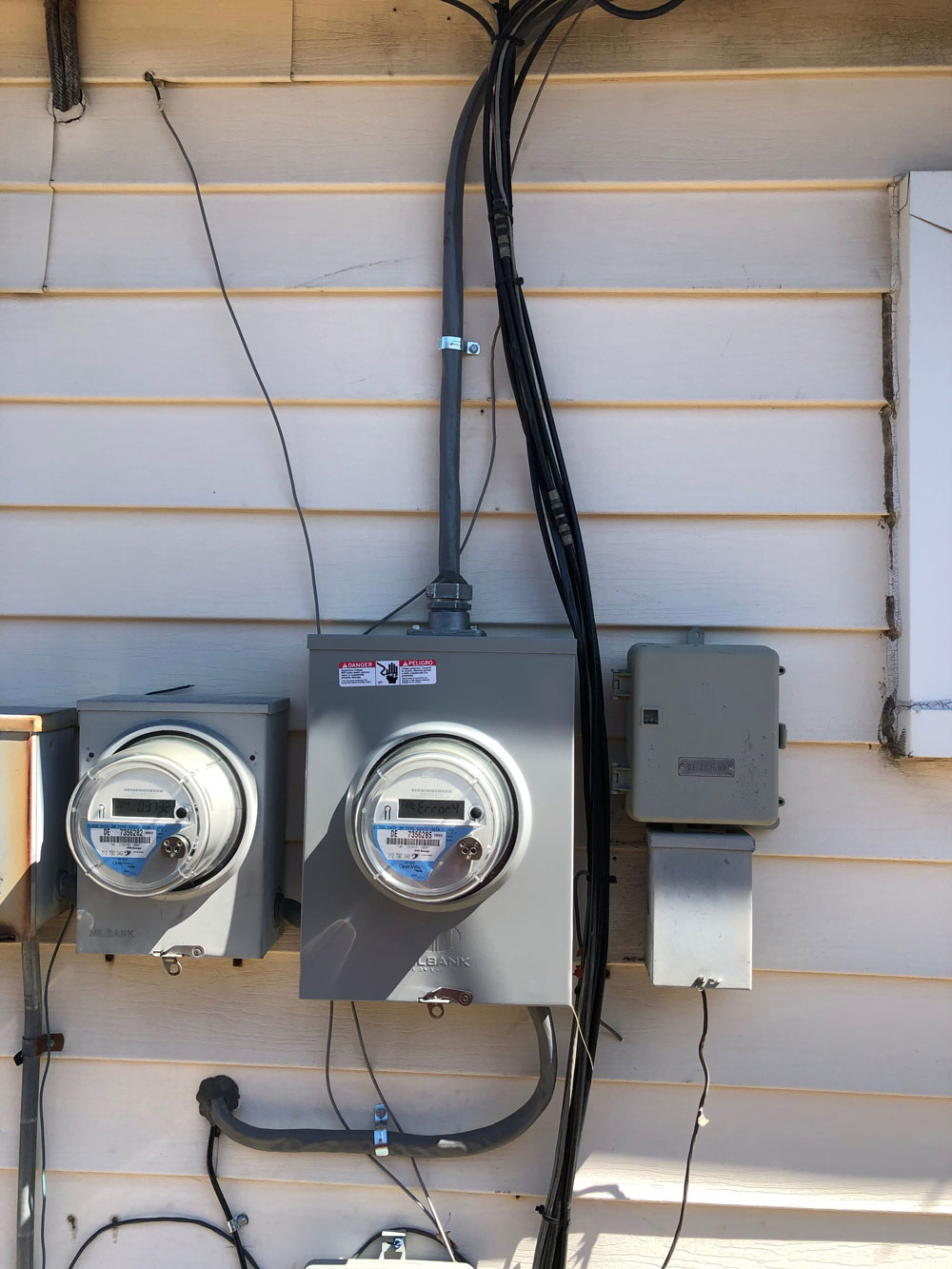
240V EV charger installation involves more than converting a nearby receptacle to a higher voltage. The electrical panel, available capacity, circuit route, conductor type, breaker, and charging equipment must work together as a complete system. Where a panel is full or capacity is constrained, the evaluation may identify additional electrical work that should be considered before adding a substantial new load.
Some portable EV charging equipment is designed to plug into a specified receptacle, while many wall-mounted units are intended to be hardwired. Hardwiring can eliminate one plug-and-receptacle connection and may be required or preferred by the equipment instructions. A receptacle-based arrangement can offer flexibility when the charger is designed for it, but the receptacle type and rating must be appropriate for continuous charging use.
EV charging outlet installation can be appropriate when an EV owner has compatible plug-in charging equipment and wants a dedicated connection point. It should not be treated like adding an ordinary appliance outlet, because EV charging can place a sustained load on the circuit for long periods. Using the proper components, protecting the circuit correctly, and following the charger’s installation guidance are essential considerations.
How Executive Electric can help you prepare
The first productive step is to share the vehicle or planned charger model, where the vehicle parks, and what you hope the charging routine will accomplish. Executive Electric can use those details to begin a focused discussion of the installation rather than relying on a generic recommendation. Homeowners in Mount Clemens, Michigan can also ask about visible panel space, the route to the garage or exterior parking area, and whether a site visit is needed to evaluate the work.
- Define the goal: Consider daily mileage, parking time, and whether one or more vehicles may need charging.
- Review the equipment: Identify whether the unit is hardwired or plug-in, its electrical rating, and its installation instructions.
- Evaluate the electrical system: Determine how a dedicated circuit could be routed and whether panel capacity needs further review.
- Plan the placement: Select a location that supports safe cable use, convenient parking, and appropriate environmental protection.
- Complete the installation and verify operation: Once installed, use the equipment according to the manufacturer’s directions and monitor normal charging performance.
This preparation helps prevent a common frustration: buying charging equipment before confirming the home can accommodate the preferred configuration. It also creates an opportunity to discuss future needs, such as a second EV, a different vehicle connector, or a change in where vehicles are parked. Planning for reasonable flexibility can be worthwhile when access and circuit routing are being considered.
Considerations for Tesla drivers and other EV owners
Tesla charger installation should be based on the particular charging equipment, vehicle connector, desired output, and the home’s available electrical capacity. Tesla owners may use dedicated Tesla equipment or compatible alternatives, but the electrical installation still needs to align with the equipment’s instructions and the selected circuit design. The same planning principles apply to other EV brands: identify the hardware, confirm the location, and avoid making assumptions about outlet type or circuit size.
It is also wise to distinguish the vehicle connector from the electrical supply behind it. An adapter or connector change does not automatically change what the home’s circuit can safely provide. Executive Electric can be a useful contact point for homeowners in the Mount Clemens area who want to discuss the electrical side of a charging setup before purchasing equipment or scheduling installation.
Questions to ask before moving forward
Choosing a provider for residential electrical work should involve more than comparing a charger box or a single advertised charging speed. Ask how the proposed circuit will be evaluated, whether your selected equipment is suitable for the planned location, and what site conditions could affect the scope. A clear conversation helps you understand what is included and what decisions remain yours.
- Is the charger intended to be hardwired, or does it require a specific receptacle?
- Does the electrical panel have capacity for the proposed continuous load?
- Where will the circuit run, and how will that route affect the installation?
- Will the equipment be installed in a garage, on an exterior wall, or near an outdoor parking space?
- What local permit or inspection steps should be considered for this work?
- Would the design still make sense if the household adds another EV later?
Residential EV charger installation is most useful when it is treated as an electrical project tailored to a specific home, vehicle, and charging routine. A thoughtful assessment can identify practical limitations early and help a homeowner compare options with more confidence. That approach is particularly valuable in Michigan, where garage use, exterior exposure, and seasonal driving patterns may influence where charging equipment is best positioned.
Get a clearer path to charging at home
Whether you are purchasing your first EV, replacing a temporary charging arrangement, or planning for a second electric vehicle, start with the details that affect the electrical work. Executive Electric’s listed location is 20504 Hall Rd, Clinton Township, MI 48038. Contact the company to discuss your property, charging equipment, and goals for a home EV charging solution.
Ready to plan your next step? Contact Executive Electric to start a conversation about a home charging installation and the electrical considerations for your Mount Clemens, MI home.
Common home EV charging questions
Do I need a dedicated circuit for a home EV charger?
In most cases, EV charging equipment is planned on a dedicated circuit because charging can be a sustained electrical load. The circuit size, breaker, wiring, and connection method should match the charger’s instructions, the vehicle’s needs, and the home’s electrical capacity.
Is Level 2 charging always necessary for an electric vehicle?
No. A 120-volt charging cord may work for drivers with modest daily mileage and ample time between trips. Level 2 charging is often chosen when faster replenishment, more scheduling flexibility, or a more permanent at-home charging arrangement is desired.
Can I install an EV charging outlet in my garage?
Possibly, if the garage location, electrical panel, circuit route, charger requirements, and applicable electrical rules support that design. The outlet must be appropriate for the equipment and continuous charging load. A project review can determine whether a receptacle or a hardwired charger is the better option.
Is Executive Electric physically located in Mount Clemens, Michigan?
Executive Electric’s supplied location is 20504 Hall Rd, Clinton Township, MI 48038. Homeowners searching for charging guidance in Mount Clemens, MI can contact Executive Electric to discuss their project and determine the appropriate next steps.