Generac generator installation Mount Clemens, MI
Power interruptions can quickly affect refrigeration, sump pumps, home offices, medical equipment, security systems, and everyday comfort. For property owners researching Generac generator installation in Mount Clemens, MI, Executive Electric provides a clear starting point for planning a standby-power project from its location at 20504 Hall Rd, Clinton Township, MI 48038. The goal is not simply to place a generator outside, but to create a safely integrated backup-power system that responds appropriately when utility power is unavailable.
A properly planned generator system can supply selected essential circuits or support a broader portion of a home’s electrical load, depending on the equipment selected and the property’s electrical capacity. Speaking with an electrician before purchasing equipment helps identify the loads that matter most, the electrical work involved, and the questions that should be resolved before installation day. For Mount Clemens homeowners and businesses, that preparation can turn an uncertain outage plan into a more practical, dependable one.
What a standby generator system is designed to do
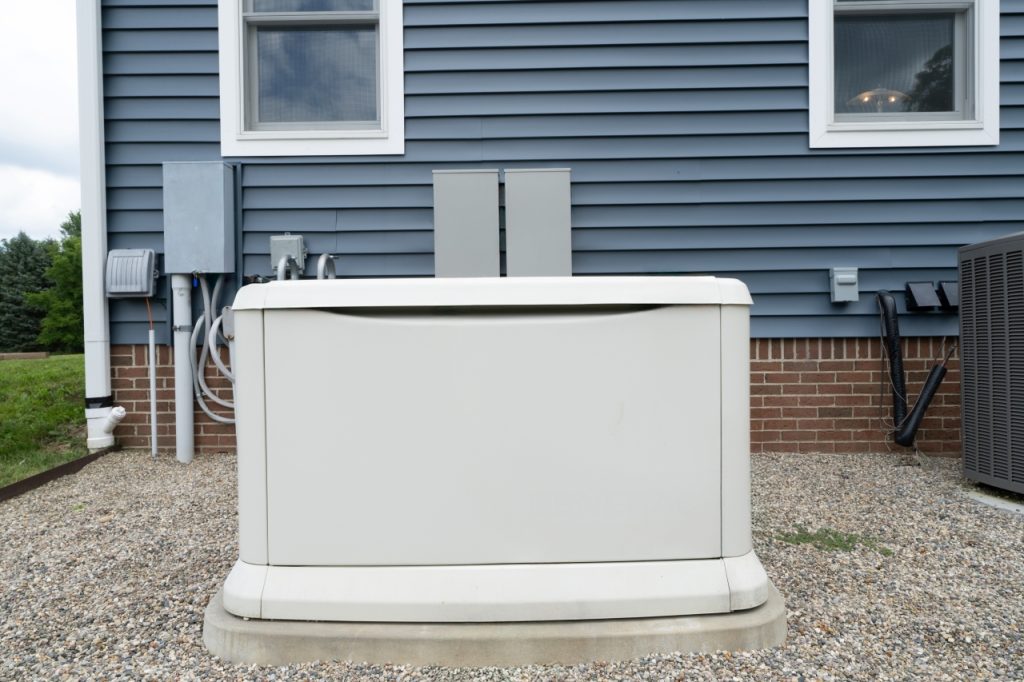
A Generac standby generator is a permanently installed backup power source that works with an automatic transfer switch. When the utility supply fails, the system is designed to detect the outage, separate the property from the utility source, and provide generator power to the circuits or loads included in the design. When normal power returns, the system transfers back and the generator can shut down after its programmed cycle.
This approach differs from a portable generator, which generally requires manual setup, safe outdoor placement, extension-cord planning or an inlet connection, fuel management, and a manual start. A portable unit may make sense for limited, short-term needs, while a whole-home or selected-load standby system is often a better fit for owners who want automatic operation. The right choice depends on outage priorities, budget, fuel source, electrical demand, and how much hands-on setup is acceptable during an emergency.
Who may benefit from automatic backup power
Standby power is worth considering for households that need to keep critical equipment operating or want less disruption during outages. It can also be useful for owners who are frequently away from the property, work from home, rely on a well pump, or need dependable power for climate control, lighting, refrigeration, communications, or a sump pump. No generator eliminates every planning consideration, but the correct system can reduce the need for last-minute decisions when the power goes out.
- Homes with essential appliances, pumps, or communication equipment
- Properties where food preservation and lighting are high priorities
- People who prefer automatic restoration over manual portable-generator setup
- Home offices or small operations with important electrical loads
- Owners seeking a defined plan for selected circuits during an outage
Planning Generac generator installation around your actual loads
Effective Generac generator installation begins with a load-focused conversation, not with a guess based only on square footage. Executive Electric can discuss the appliances, systems, and circuits that a property owner wants available during an interruption. That information helps frame whether the project should prioritize essential loads, include larger equipment, or pursue a more comprehensive backup-power arrangement.
Electrical demand changes throughout the day. Air conditioning, electric heat, ranges, dryers, water heaters, pumps, and motors can create significant load, especially when equipment starts. A thoughtful generator sizing discussion considers running demand, starting demand where relevant, the property’s existing electrical service, and which appliances must operate at the same time rather than assuming every item can be powered without a plan.
Essential-load coverage versus broader home coverage
Many properties benefit from an essential-load design. In this configuration, the backup system is intended to support a selected group of high-priority circuits, such as refrigeration, lighting, certain receptacles, a furnace, a pump, or internet equipment. This can be a practical way to focus generator capacity on the functions that matter most.
Broader coverage may be appropriate when the objective is to maintain more of the property’s usual electrical operation. That option can involve a larger generator, more capacity planning, and closer attention to major appliances and demand management. During an initial consultation, homeowners should be ready to explain what they consider nonnegotiable during an outage and what can remain off temporarily.
Fuel, location, and site conditions matter
Generator selection is only one piece of the project. The installation plan also needs to account for the available fuel source, equipment location, clearances, the route for electrical connections, accessibility for future maintenance, and applicable local requirements. A site evaluation is valuable because it identifies practical constraints before equipment choices and expectations become fixed.
Outdoor equipment should be located according to manufacturer instructions and applicable code requirements, not simply where it is least visible. Noise considerations, exhaust discharge, drainage, service access, and physical protection can all influence placement. Property owners in Michigan should also ask how seasonal conditions and the layout of the property may affect installation planning and access.
Why the transfer switch is central to a safe system
A generator is not safely connected by plugging it into a home electrical panel. Generator transfer switch installation creates the controlled connection between the utility supply, the generator, and the electrical loads selected for backup. The transfer equipment prevents generator power from feeding back onto utility lines and determines how the system changes power sources during an outage and restoration.
For an automatic standby arrangement, the transfer switch works with the generator’s controls to recognize a loss of normal power and manage the transition. The type and rating of the switch, panel configuration, and planned loads all need to align with the system design. This is why transfer equipment should be treated as a core part of the project, rather than an accessory added after the generator decision has been made.
What the installation process commonly includes
Every property has different electrical and site conditions, but a professionally planned standby-generator project follows a logical sequence. Asking for a clear explanation of each stage makes it easier to understand scope, coordinate other work if needed, and prepare the site. Executive Electric can be contacted to discuss the particulars of a planned project and the information needed to evaluate it.
- Initial discussion: Review outage concerns, important loads, property type, and backup-power goals.
- Site and electrical assessment: Consider panel configuration, service capacity, generator location, equipment access, and fuel arrangements.
- System planning: Match generator and transfer-switch options to intended loads and project conditions.
- Installation coordination: Complete the electrical integration and address applicable permitting or inspection steps as required for the project.
- Testing and owner orientation: Confirm expected operation and explain the controls, status indicators, and basic owner responsibilities.
Testing after installation is important because a backup-power system is meant to operate when conditions are already inconvenient. Owners should understand what automatic operation looks like, which loads are covered, what normal exercise activity may occur, and whom to contact if an alert or unusual operating condition appears. Keep documentation accessible so future service and electrical work can be coordinated with the generator system in mind.
Questions to consider before selecting a provider
The most useful proposal conversations are specific. Rather than asking only for a generator price, ask how the system is being sized, what electrical loads are assumed, what transfer equipment is included, and whether site conditions could affect the scope. A clear project discussion helps customers compare options based on function and safety, not just generator output.
- Which circuits, appliances, or systems will receive backup power?
- Is the plan for selected loads or more extensive coverage?
- How will the generator connect to the existing electrical system?
- What fuel-source arrangements need to be addressed?
- What site access, placement, permitting, or inspection considerations apply?
- What testing, monitoring, and routine maintenance should the owner expect after installation?
It is also sensible to distinguish installation from ongoing maintenance. Generators need periodic exercise, inspection, and service according to the equipment manufacturer’s guidance, just as other mechanical systems do. Installation establishes the electrical foundation, while regular care helps keep the equipment ready for the situation it was purchased to address.
A practical choice for Mount Clemens property owners
Executive Electric is located at 20504 Hall Rd, Clinton Township, MI 48038, and is a resource for people evaluating backup-power needs in the Mount Clemens area. The company location should not be confused with a Mount Clemens office location, but Mount Clemens, MI residents can contact Executive Electric to discuss a Generac standby generator project, electrical integration, and transfer-switch planning. A focused conversation about the property is a better first step than choosing equipment based solely on online product comparisons.
For many Michigan property owners, the value of standby power is the ability to make a reasoned plan before an outage occurs. A system tailored to priority loads can help preserve comfort and continuity without assuming that every electrical demand must run at once. That balance between expectations, capacity, and safe installation is what makes professional planning meaningful.
Take the next step toward a backup-power plan
If you are considering Generac generator installation, bring a list of the equipment and circuits you want to keep operating during an outage. Include major appliances, pumps, heating or cooling equipment, work needs, and any electrical concerns you have noticed. That information gives Executive Electric a practical basis for discussing options instead of relying on a one-size-fits-all recommendation.
Contact Executive Electric to discuss backup power for your Mount Clemens property and arrange the next step for your project. Executive Electric is located at 20504 Hall Rd, Clinton Township, MI 48038, and the team can help you begin a conversation about generator sizing, electrical connections, and transfer-switch requirements. Contact Executive Electric about your generator project today.
Frequently asked questions
How does a Generac standby generator work during a power outage?
A Generac standby generator works with an automatic transfer switch to sense a utility outage, start the generator, and route power to the planned backup loads. The transfer switch isolates the property from the utility source during generator operation. When utility power returns, the system transfers back according to its operating sequence.
Can a standby generator power my entire home?
It can, depending on generator capacity, electrical demand, transfer equipment, and the loads expected to run at the same time. Some homes use whole-home-oriented systems, while others choose essential-load coverage for selected circuits. A load review is the best way to determine which approach aligns with your priorities.
Do I need a transfer switch for generator installation?
Yes, a transfer switch is a fundamental part of a permanently installed standby generator system. It manages the change between utility and generator power and helps prevent unsafe backfeeding. The switch must be selected and installed to suit the electrical system and the intended backup loads.
Is Executive Electric located in Mount Clemens, Michigan?
Executive Electric’s supplied location is 20504 Hall Rd, Clinton Township, MI 48038. Mount Clemens customers can contact Executive Electric about generator installation planning and electrical integration; the page does not represent the Clinton Township address as a Mount Clemens office.