EV Charger Installation Mount Clemens, MI
Reliable home charging starts with an electrical setup that fits your vehicle, parking arrangement, and household power needs. For drivers seeking EV Charger Installation in Mount Clemens, MI, Executive Electric provides a practical starting point for planning a dedicated charging solution rather than relying only on a standard wall outlet. Executive Electric is located at 20504 Hall Rd, Clinton Township, MI 48038, and serves customers seeking clear information about charging equipment and electrical readiness.
A properly planned charger can make daily EV ownership simpler by allowing the vehicle to recharge where it is parked for extended periods. The right approach depends on more than the charger itself: panel capacity, circuit routing, garage or driveway access, cable management, and the vehicle’s charging capability all affect the installation plan. Understanding these details before work begins helps a homeowner choose a setup that is useful now and adaptable as driving needs change.
What a home EV charging project should address
Most residential charging projects involve installing a dedicated circuit for a Level 2 charger, then placing the equipment where the charging cable can reach the vehicle safely. Level 2 charging uses 240-volt power and is generally a more convenient choice than charging from a typical 120-volt receptacle for drivers who need dependable overnight replenishment. The appropriate amperage and equipment configuration should be matched to the home’s electrical system and the charger manufacturer’s requirements.
Before selecting equipment, it helps to identify the vehicle’s onboard charging limit, the number of EVs in the household, and how long the vehicle is usually parked at home. A charger with a higher nameplate rating does not automatically mean faster charging if the vehicle or available circuit capacity limits the rate. A thoughtful plan focuses on a safe, code-conscious electrical design and the charging routine that makes sense for the household.
- Daily driving needs: Consider the miles typically driven between charging sessions and when the vehicle is parked.
- Parking layout: Identify whether the vehicle parks in a garage, carport, driveway, or another location that affects cable reach and weather exposure.
- Electrical capacity: Determine whether the existing panel can support a new dedicated load or whether additional electrical planning may be needed.
- Future use: Account for a second electric vehicle, a replacement vehicle, or a future change in charging habits.
A dedicated circuit supports consistent charging
Electric car charger installation is more than mounting a charging unit near a parking space. It typically requires a properly sized dedicated circuit, suitable wiring, overcurrent protection, and a location that supports safe everyday use. Planning the circuit and equipment together can reduce the inconvenience of extension cords, limited outlet access, and slow charging from a basic receptacle.
For many households, the value of a dedicated charging circuit is predictability. Instead of building errands around public charging availability, drivers can connect their vehicle after arriving home and begin the next day with a more useful charge level. This convenience is especially relevant for commuters, multi-vehicle households, and drivers who want to make better use of overnight parking time.
Level 1, Level 2, and public charging are not interchangeable
Level 1 charging generally uses a standard household outlet and may work for low-mileage drivers with ample time between trips. Level 2 charging requires a professionally planned 240-volt circuit but typically delivers substantially more charging capacity during the same parking window. Public charging can be valuable on longer trips or away from home, yet it is not always a substitute for the convenience and routine of a dedicated residential charger.
Choosing between these options is a practical decision, not a one-size-fits-all upgrade. A driver with modest daily mileage and long idle periods may be comfortable with basic charging, while a household that depends on one EV every day may prioritize faster home replenishment. Discussing the parking routine and electrical conditions helps clarify which option is appropriate before purchasing equipment.
How Executive Electric helps you plan the installation
EV charging station installation should begin with the site conditions, not with assumptions about a universal charger size or placement. Executive Electric can help prospective customers frame the key electrical and logistical considerations for a home charging project, including where equipment will be located and how a new circuit may be routed. This approach keeps the conversation centered on a usable installation rather than a generic product choice.
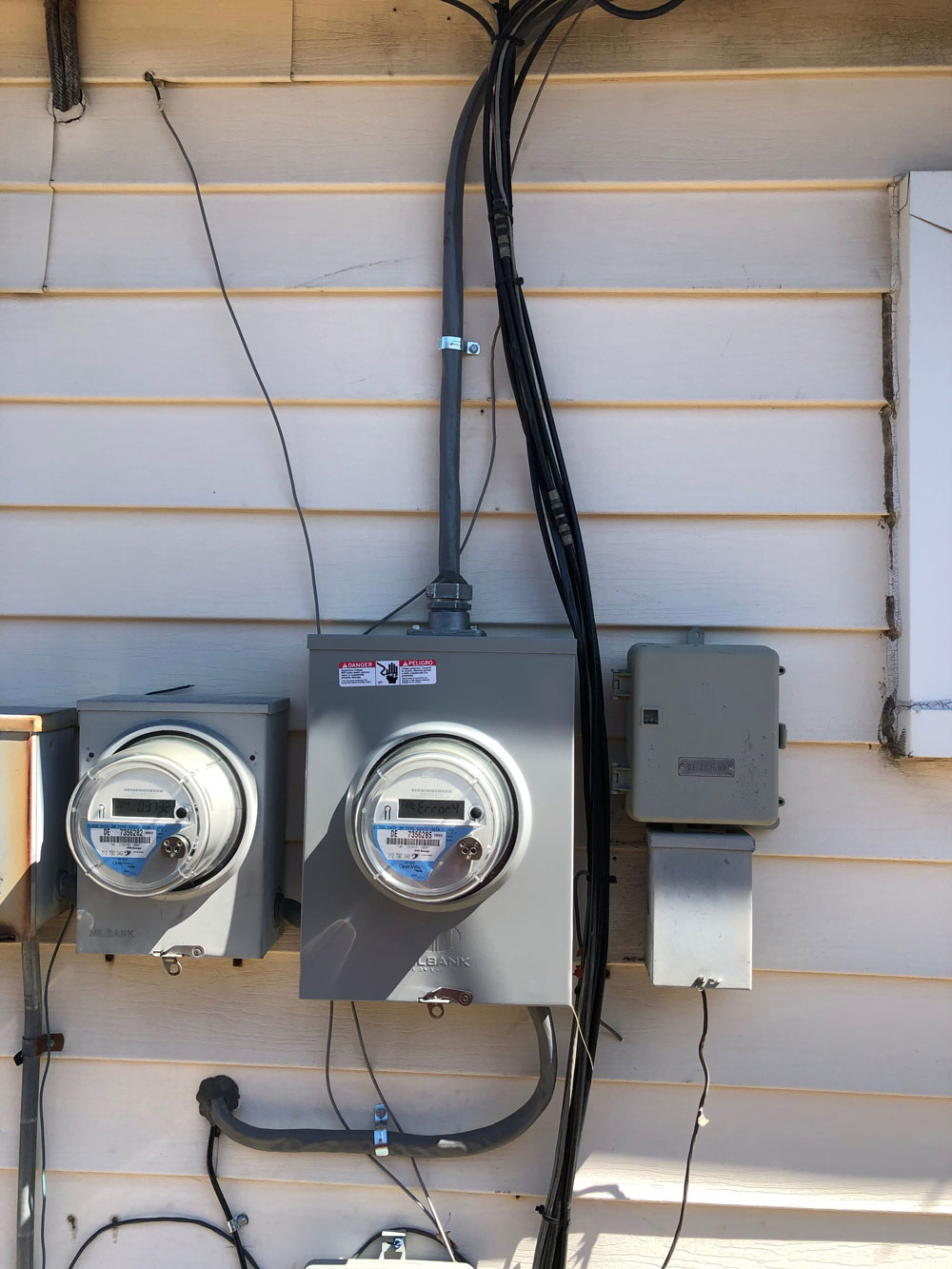
A home electrical panel has a finite capacity, and EV charging represents a sustained electrical load that deserves careful evaluation. Other large household loads, such as electric cooking equipment, air conditioning, dryers, and heating equipment, can influence planning. If changes to the electrical system are necessary, it is better to identify them early so the project scope is clear before equipment is installed.
- Review the parking and charging routine. Note where the vehicle parks, which side the charging port is on, and when charging will usually occur.
- Evaluate the electrical setup. Consider panel space, available capacity, circuit routing, and the electrical demands already present in the home.
- Select compatible equipment. Choose a charger and connector arrangement that suits the vehicle, desired charging speed, and installation environment.
- Plan the installation details. Confirm equipment placement, cable reach, protective measures, and any applicable permitting or inspection requirements.
- Use the charger with confidence. After installation, follow the charger manufacturer’s operating instructions and maintain a clear, accessible charging area.
Placement matters as much as charger selection
EV charging point installation requires attention to the exact location where the vehicle will connect. The charging point should allow the cable to reach without stretching across walkways, creating a trip hazard, or relying on an improvised extension arrangement. Indoor and outdoor locations can have different equipment and mounting considerations, so placement should be decided with daily use in mind.
Good placement also makes charging easier for every driver in the household. A location that aligns with the charge-port side of the vehicle can make plug-in routines faster and reduce unnecessary cable handling. For an outdoor setup, equipment suitability, mounting protection, and exposure to the elements are important discussion points.
Why professional electrical planning is worth considering
A Professional EV charger installer can help connect the equipment decision to the electrical realities of the property. EV charging equipment is part of a larger electrical system, so circuit sizing, protection, wiring methods, equipment instructions, and local requirements should be considered as a complete installation. This is different from simply finding an available outlet and expecting it to support regular high-demand charging.
Professional planning is particularly useful when the electrical panel is older, the parking area is far from the panel, or the household expects to add another EV. It can also help a homeowner avoid buying equipment that does not fit the intended installation location or available electrical capacity. Executive Electric gives Mount Clemens, Michigan, drivers a contact point for discussing those project-specific factors before moving forward.
- Ask how the proposed charger rating relates to the vehicle’s charging capability.
- Ask whether the installation needs a dedicated circuit and how the route to the parking area affects the project.
- Ask about the implications of panel capacity, available breaker space, and other major electrical loads.
- Ask what equipment features are appropriate for an indoor or outdoor charging location.
- Ask how future needs, including an additional EV, could influence the plan.
Connected features can add control, not replace sound design
Smart EV charger installation can give drivers access to app-based scheduling, usage monitoring, notifications, and other connected functions when supported by the selected equipment. These features may be useful for households that want to track charging activity or schedule charging around their preferred routine. However, smart functions do not eliminate the need for correctly planned electrical capacity, safe circuit design, and appropriate equipment placement.
For some drivers, a straightforward non-networked charger is enough. For others, scheduling and energy-use visibility add meaningful convenience, especially where charging habits vary among household members. The best choice is the one that fits the vehicle, the property, and the features the owner expects to use consistently.
Preparing for EV Charger Installation in Mount Clemens, MI
Gathering a few details before contacting Executive Electric can make the initial conversation more productive. Have the EV make and model, preferred charger model if one has been selected, photos or basic information about the electrical panel, and the intended parking location available. Those details help define the practical questions surrounding an EV charger setup without forcing premature decisions.
Homeowners in Mount Clemens, MI, should also consider whether the vehicle will be parked in the same place throughout the year and whether the charger location needs to accommodate future vehicles. Michigan weather can make a convenient, protected charging routine especially valuable, but the equipment and installation plan should still suit the actual site conditions. A well-considered home charging setup is designed around everyday access, not just the first time the vehicle is plugged in.
Common questions about home charging
Do I need a Level 2 charger for an electric vehicle?
A Level 2 charger is not required for every EV owner, but it is often a practical option for drivers who want faster home charging than a standard 120-volt outlet provides. The right choice depends on daily mileage, available parking time, vehicle capability, and the home’s electrical capacity.
Can an existing household outlet be used for EV charging?
Some EVs can charge from a standard outlet using manufacturer-supplied equipment, often called Level 1 charging. Because regular EV charging can place a sustained load on electrical equipment, the outlet, circuit condition, and charging routine should be considered carefully rather than assumed to be suitable for every situation.
What should I have ready before discussing an EV charger project?
Bring the vehicle make and model, preferred parking location, photos of the electrical panel if available, and any charger model you are considering. It is also useful to explain daily driving needs, whether the charger will be indoors or outdoors, and whether another EV may be added later.
Is Executive Electric located in Mount Clemens?
Executive Electric’s provided location is 20504 Hall Rd, Clinton Township, MI 48038. Customers researching EV Charger Installation for Mount Clemens, Michigan, can contact Executive Electric to discuss their property, vehicle, and home charging goals.
Take the next step toward easier home charging
Whether you are buying your first EV, replacing a basic charging arrangement, or planning for a second electric vehicle, a dedicated home charger can simplify the way you start each day. Executive Electric can help you begin with the important details: your vehicle, parking layout, electrical panel, desired charging experience, and future plans. Clear planning now can support a charging solution that feels convenient every time you park.
Contact Executive Electric to discuss EV Charger Installation for your Mount Clemens, MI, property. Visit or connect with the team at 20504 Hall Rd, Clinton Township, MI 48038 to begin a conversation about an EV charging solution suited to your home and routine.