Recessed Lighting Metro Detroit, MI
Well-planned recessed lighting can make a kitchen easier to work in, a living room more comfortable, and a finished lower level feel brighter without filling the ceiling with bulky fixtures. For property owners seeking lighting updates in Metro Detroit, MI, the important first step is not simply choosing a trim color. It is determining where light is needed, how the existing electrical system and ceiling construction affect the plan, and which fixture choices suit the room.
Executive Electric is located at 20504 Hall Rd, Clinton Township, MI 48038. Homeowners and businesses considering lighting improvements can contact Executive Electric to discuss a project, clarify their priorities, and determine the appropriate next steps for their space. A thoughtful plan can deliver cleaner-looking ceilings, useful task light, and flexible room ambience while avoiding common layout mistakes.
What recessed fixtures can change in your space
Recessed fixtures are lights installed into the ceiling so the visible portion sits close to the surface rather than hanging below it. Often called can lights, pot lights, or downlights, these fixtures direct light downward and can provide general illumination, task lighting, or accent lighting depending on their placement and beam characteristics.
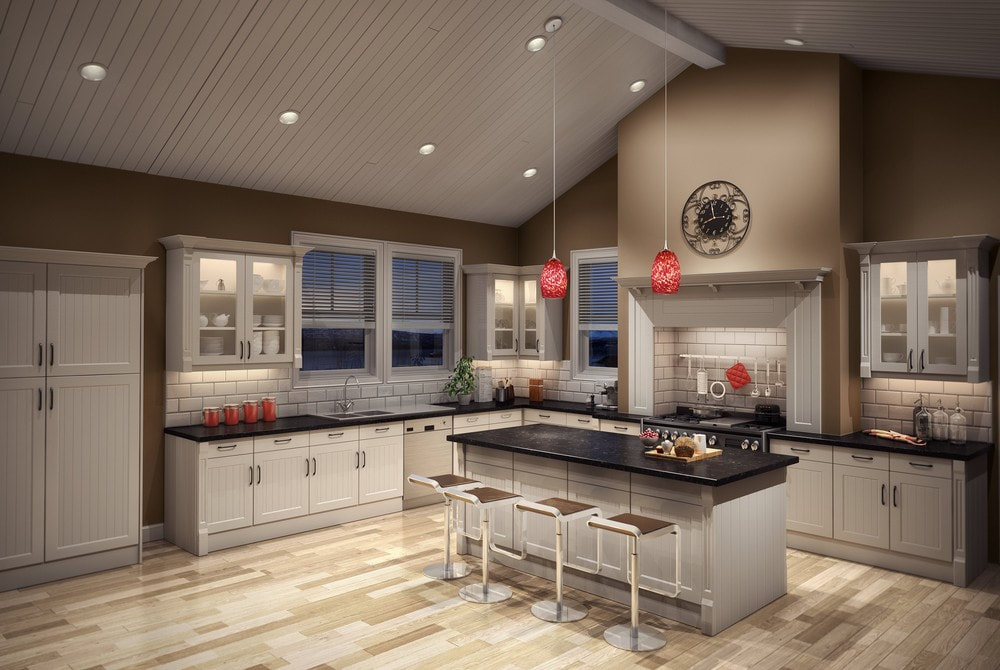
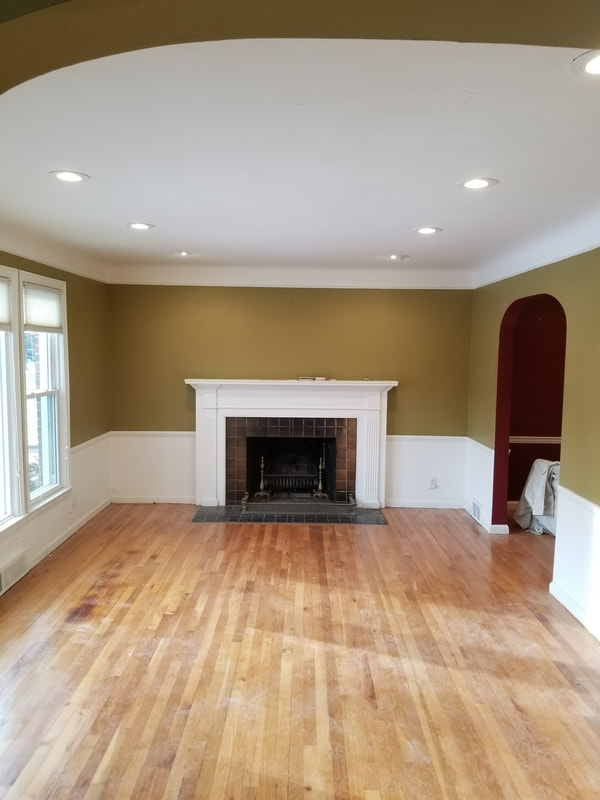
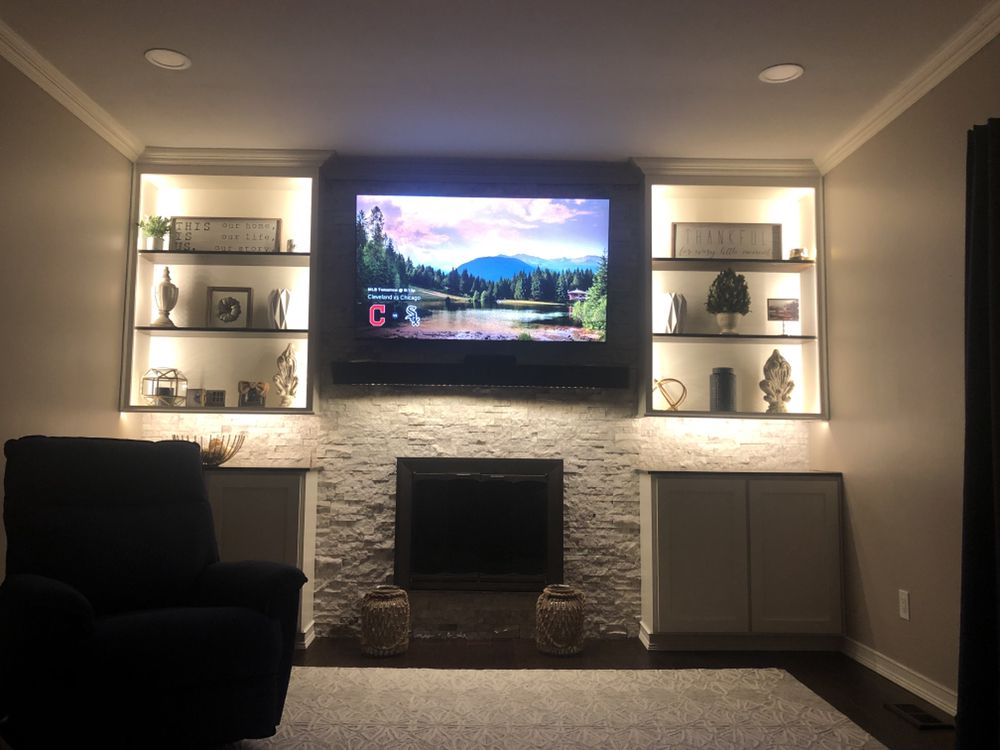
Unlike a single central fixture, a recessed light layout distributes illumination across the parts of a room that people actually use. In a kitchen, that may mean light over counters and walkways. In a family room, it may mean broad, even light with zones that can be adjusted for reading, entertaining, or watching television.
A practical fit for rooms with limited ceiling clearance
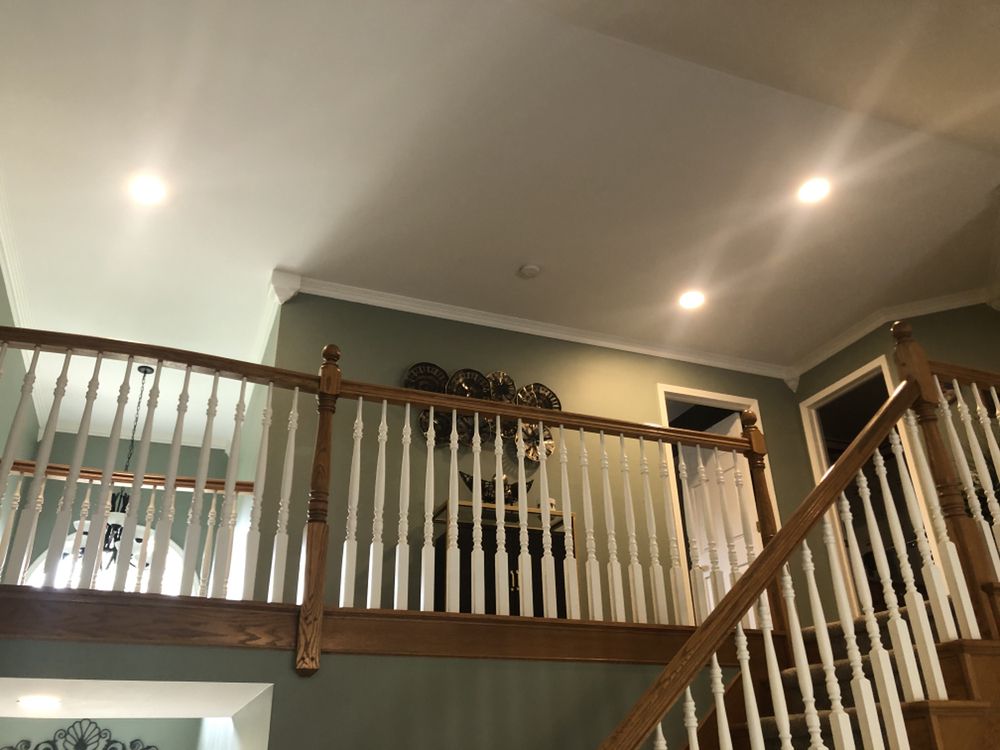
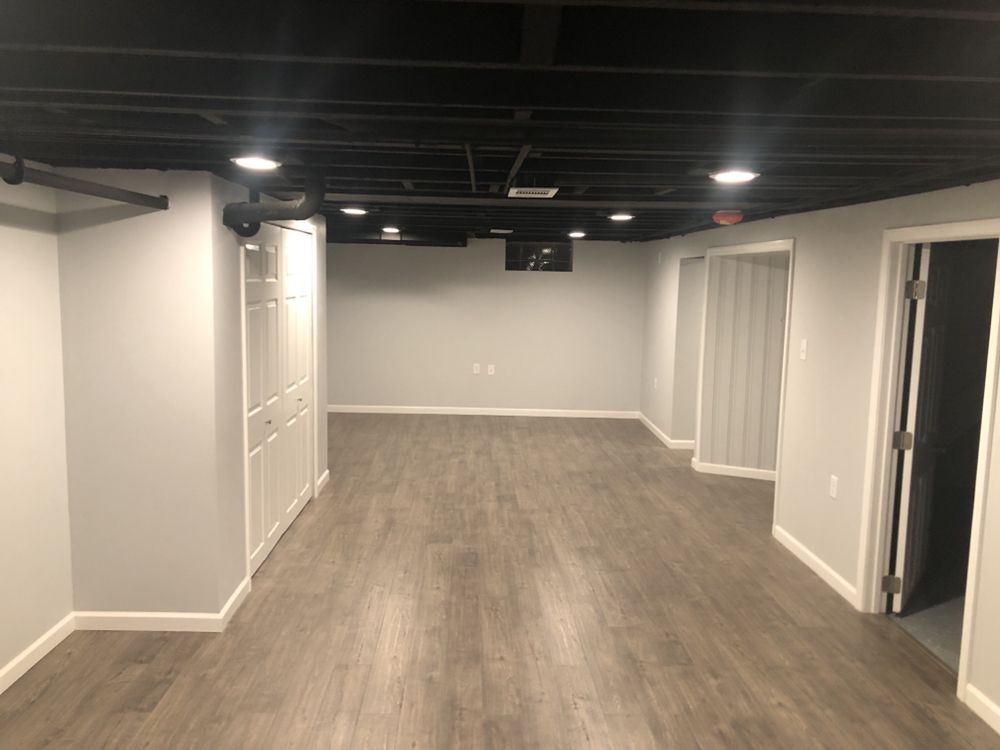
Flush, low-profile ceiling lighting is especially appealing when a hanging fixture would interrupt sightlines or feel too low. It can work well in rooms with standard-height ceilings, hallways, bathrooms, closets, basements, and areas where furniture placement makes floor or table lamps less useful. The right design still considers the ceiling cavity, insulation, framing, and access above the ceiling.
Recessed lights are not automatically the best choice for every room. A decorative pendant, chandelier, wall sconce, track system, or surface-mounted fixture may better suit a focal point, very high ceiling, or task area. Many successful lighting plans combine ceiling downlights with another fixture type so the room has both functional light and visual character.
Benefits that depend on good placement
The value of recessed lighting comes from the design as much as the fixtures themselves. Too few lights can leave dark edges and shadows. Too many lights, or lights spaced without regard for cabinets, seating, artwork, or television locations, can create glare and a flat, overly bright result.
- Open visual space: Fixtures sit within the ceiling plane, helping rooms feel less crowded.
- Layered illumination: Downlights can support ambient, task, and accent lighting when planned around how a room is used.
- Targeted coverage: Placement can address dim counters, hallways, stairs, shower areas, or other locations that need more light.
- Control options: Compatible dimmers and separately controlled zones can make a space more adaptable throughout the day.
- Modern fixture choices: LED recessed lighting generally offers a long-lasting, energy-conscious lighting option compared with older lamp types.
Plan the lighting before selecting trim and color temperature
A professional lighting conversation should begin with the room and its purpose, not a catalog image. The layout for a food-prep area differs from the layout for a media room, and a bathroom has different moisture and glare considerations than a dry living area. Executive Electric can be a relevant contact when you want to discuss these project-specific decisions before work begins.
For recessed lighting installation considerations, it helps to identify what is currently unsatisfactory. Some customers are replacing a dated fixture. Others want more even illumination after remodeling, need better counter visibility, or want to reduce the visual clutter of lamps and cords. Defining the problem gives the project a clearer direction.
Room use guides fixture locations
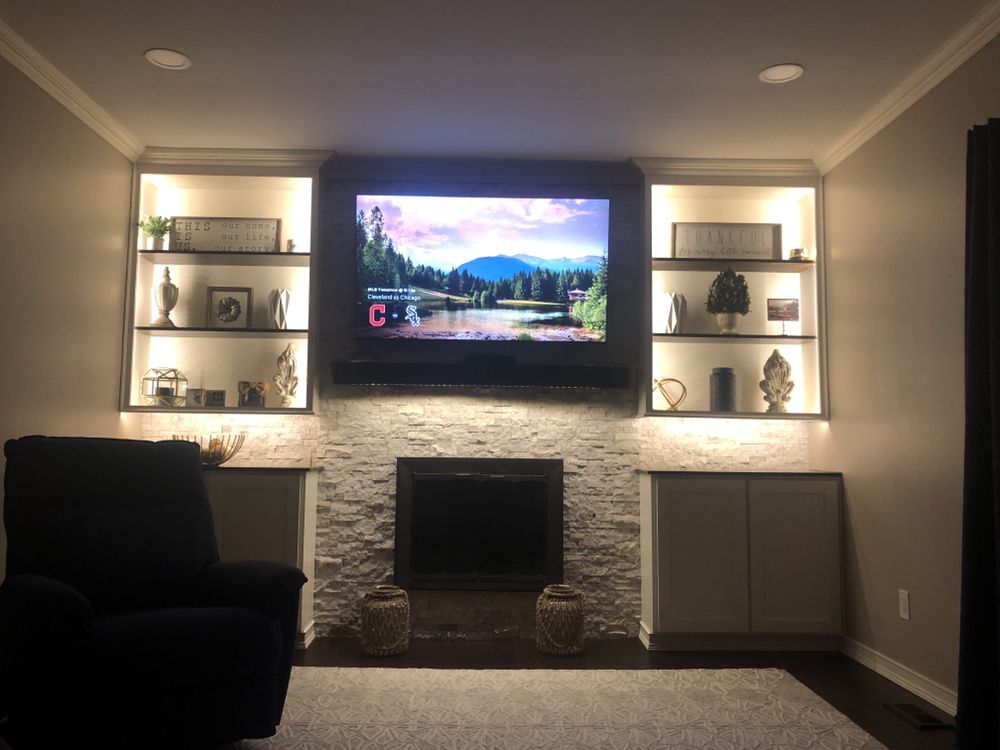
Kitchen downlighting is commonly planned around work surfaces, aisles, and cabinet faces, rather than using a uniform grid without reference to the room. In living spaces, light locations should account for seating, television glare, art, and the desired mood. In a home office, the goal may be balanced light that supports work without creating screen reflections.
Bathrooms require careful consideration of location and fixture suitability, particularly around wet areas. Finished basements can involve ceiling obstructions, ductwork, joists, or limited access. These conditions do not automatically prevent an upgrade, but they make an on-site evaluation and realistic layout more important than a one-size-fits-all plan.
Choose light quality as carefully as fixture style
Brightness, beam spread, color temperature, trim style, and dimming compatibility all affect the finished result. LED downlights are available in different color temperatures, from warmer light that can feel more relaxed to cooler, crisper light often selected for detail-oriented tasks. The preferred choice depends on the finishes in the room, available daylight, and personal preference.
Color rendering also matters because it influences how paint, cabinetry, food, and furnishings appear under electric light. A homeowner may prefer adjustable color temperature in a multi-use room, while another may want a consistent appearance throughout an open layout. Discussing those expectations early reduces the chance that the light looks technically bright but feels wrong for the space.
- Review the room: Identify activities, dark areas, ceiling conditions, and existing switches or fixtures.
- Develop a layout: Consider spacing, task zones, focal points, obstructions, and the relationship to furniture and cabinetry.
- Select suitable components: Match fixture housing, trim, LED options, and controls to the location and intended use.
- Complete the electrical work: Installation may involve cutting ceiling openings, running or modifying wiring, and connecting switches or dimmers as appropriate.
- Check the finished lighting: Test controls and evaluate coverage so the room functions as intended.
New construction, remodeling, and retrofit lighting are not identical
The installation method for recessed ceiling lights depends heavily on whether the ceiling is open or already finished. New construction typically allows access before drywall is installed, while a remodel or retrofit project requires work around existing ceiling materials, framing, wiring, insulation, and other building components. The visible fixture may look similar in either case, but the planning and labor can be different.
Existing homes may have hidden conditions that affect where fixtures can go. Joists, pipes, ductwork, insulation, prior wiring, and structural elements can require adjustments to the original concept. An electrician should assess the actual conditions rather than promise a specific fixture count or placement before understanding the space.
Important choices for an existing ceiling
Remodel lighting can often be completed without removing an entire ceiling, but every project has its own access limitations. The appropriate housing and rating depend on the installation environment. Where insulation is present, insulation-contact considerations and air-sealing details may be relevant. In other locations, shallow-depth fixtures may be considered when ceiling space is limited.
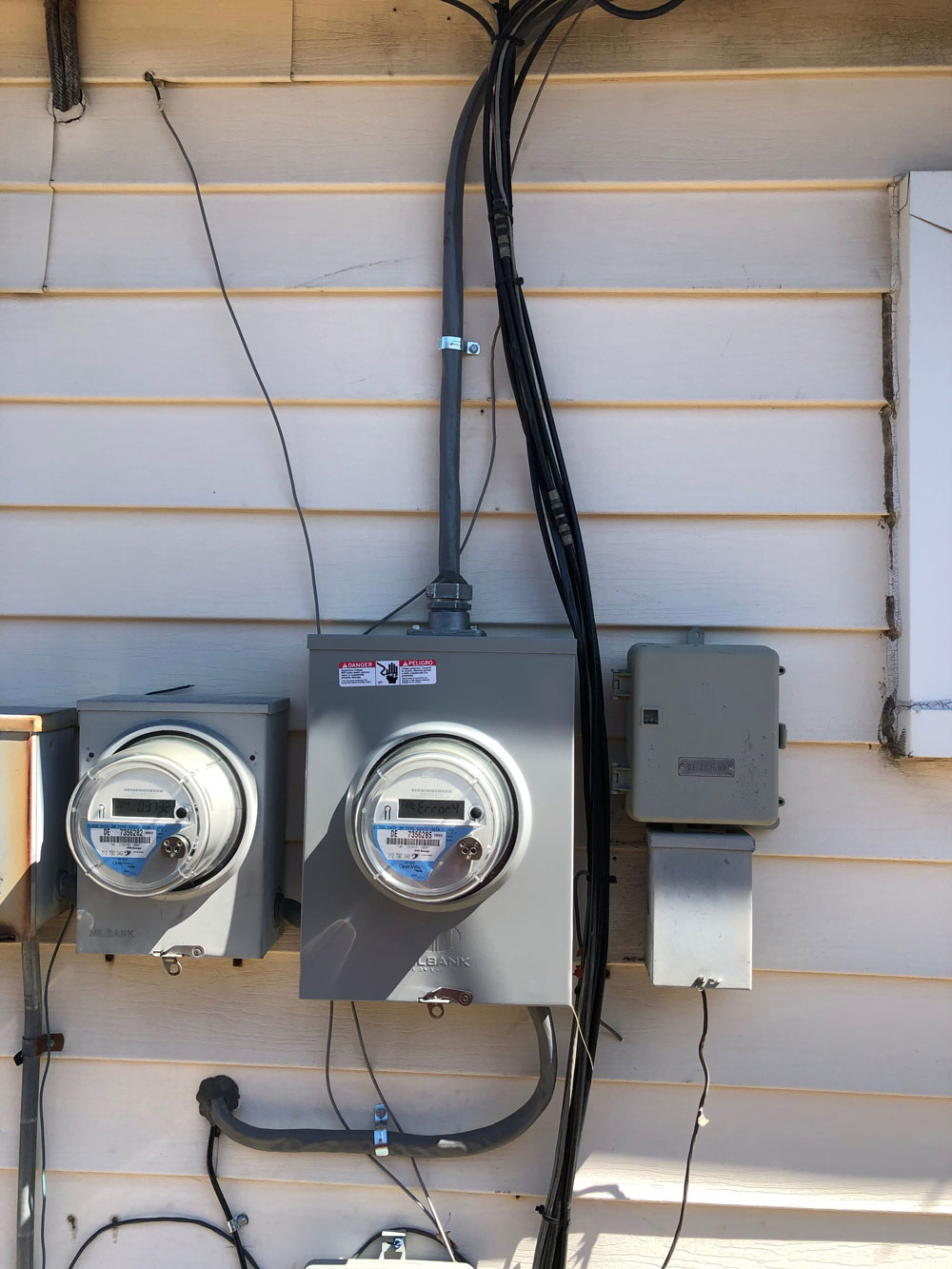
It is also wise to consider the electrical controls at the same time as the fixtures. A dimmer may be useful for a dining area or bedroom, while separate switching can make a larger space easier to manage. Compatibility between LEDs, drivers, and dimmers matters because mismatched products can cause flicker, limited dimming range, or unexpected behavior.
How to evaluate a recessed lighting provider
A reliable decision starts with clear communication about the project, the existing space, and the desired outcome. Avoid selecting solely on the lowest number of fixtures or a generic price. A useful discussion accounts for the room layout, fixture suitability, ceiling access, control preferences, and any work that may be needed to integrate the new lights with the electrical system.
Executive Electric provides a local point of contact from its Clinton Township, Michigan location at 20504 Hall Rd, Clinton Township, MI 48038. The company should be contacted directly for details about project scope, scheduling, service availability, and an assessment of your particular lighting needs. That direct conversation is the appropriate way to obtain information specific to your property rather than relying on assumptions.
- Explain how the room is used at different times of day.
- Share photos or measurements when requested, along with information about ceiling height and access.
- Point out current switches, fixtures, dark spots, and any known electrical concerns.
- Ask how placement, controls, and fixture selections would address your goals.
- Clarify the expected scope of work, including any finish repair considerations that may be relevant after ceiling openings are made.
Common concerns about recessed lighting
One common misconception is that more fixtures always create a better result. In practice, light levels should suit the room, and a carefully spaced arrangement is often more comfortable than an overly dense ceiling grid. Dimming control can be particularly valuable because it allows one lighting design to serve several activities.
Another concern is whether downlights will make a room feel sterile. That outcome is more likely when all lighting is uniform and no attention is given to warmth, beam direction, or decorative layers. Pairing recessed illumination with pendants, under-cabinet light, lamps, or sconces can create depth while preserving the clean ceiling profile many property owners want.
Cost is also understandably important. The final scope can vary based on the number of fixtures, ceiling conditions, wiring needs, access, selected products, switching changes, and the complexity of the layout. A direct project discussion is more useful than treating every room as if it has the same installation requirements.
Questions Metro Detroit property owners often ask
How many recessed lights does a room need?
The number depends on room dimensions, ceiling height, natural light, surface colors, fixture output, beam spread, and the activities performed there. A kitchen, hallway, bathroom, and living room require different approaches. A lighting layout should prioritize usable, comfortable coverage rather than an arbitrary fixture count.
Can recessed lighting be added to a finished ceiling?
Yes, recessed lighting can often be added during a remodel or as an update to a finished ceiling, subject to the actual ceiling cavity, wiring path, framing, insulation, and access conditions. A project review is needed to determine feasible fixture locations and the appropriate installation approach.
Are LED recessed lights a good option for a home?
LED recessed lights can be a practical option because they offer efficient illumination, varied color temperatures, and dimming options when compatible components are used. The best selection depends on the room, desired appearance, control system, and fixture rating needed for the installation location.
Does Executive Electric have an office in Metro Detroit, MI?
Executive Electric is located at 20504 Hall Rd, Clinton Township, MI 48038. The company does not claim a physical office in Metro Detroit based on this page. Contact Executive Electric to discuss whether your Michigan recessed lighting project is within its available service area.
Start with a lighting plan that serves the way you live
Whether you are renovating one room or evaluating an entire property, a well-considered recessed lighting plan can improve visibility, flexibility, and the overall feel of the space. Bring your goals, room details, and questions to Executive Electric so the discussion can focus on the lighting decisions that matter for your project.
To ask about recessed lighting for Metro Detroit, MI, contact Executive Electric today. Executive Electric is located at 20504 Hall Rd, Clinton Township, MI 48038 and can provide direct information about your Michigan project, available service, and next steps.