Home Generator Installation Metro Detroit, MI
When utility power stops, a permanently installed generator can keep essential household systems operating without the noise, refueling demands, and extension cords associated with a portable unit. Executive Electric provides a practical starting point for homeowners considering Home Generator Installation in Metro Detroit, MI: evaluate what must stay powered, select an appropriate system, and plan the electrical work around the home’s existing service. Executive Electric is located at 20504 Hall Rd, Clinton Township, MI 48038, serving homeowners who need clear information before making an important backup-power decision.
A properly planned standby system can support comfort, safety, communication, refrigeration, sump-pump operation, and other priorities during an interruption. The right approach is not simply choosing the largest generator. It is matching generator capacity, fuel source, transfer equipment, and protected circuits to the way a household actually uses electricity.
What a permanent home generator does during an outage
A fixed generator is connected to the home’s electrical system through approved switching equipment that separates the house from the utility supply when power is lost. When configured as an automatic standby system, it can detect an outage, start, and transfer selected or whole-home loads without the homeowner manually connecting appliances. When utility service returns, the system transfers back and the generator completes its normal shutdown cycle.
This arrangement is especially useful for households that want continuity instead of a temporary workaround. A permanent unit may be appropriate for people who rely on refrigeration for food or medications, have a sump pump, work from home, want to maintain security or internet equipment, or simply prefer fewer disruptions when the grid is unavailable. Michigan weather can make even a short loss of power inconvenient, while longer interruptions can affect heat, water management, and daily routines.
Whole-home coverage versus selected essential circuits
The first design decision is usually whether to power most of the home or only designated loads. Whole-home coverage offers broader convenience, but it generally requires careful load calculation and may call for a larger generator. An essential-load design can prioritize the systems that matter most, helping homeowners balance desired capability with equipment and installation considerations.
- Common essential loads include refrigerators, lighting, internet equipment, sump pumps, garage-door openers, selected outlets, and heating controls.
- Higher-demand loads may include central air conditioning, electric ranges, electric dryers, well pumps, hot tubs, and electric heat.
- Starting demand matters, not only running watts. Motors and compressors can draw substantially more power when starting.
Whole house generator installation is a useful option for homeowners who want broader continuity across the residence rather than a short list of protected circuits. The design still requires an honest review of major loads, because operating every high-demand appliance at once may influence system sizing and load-management choices. A professional assessment helps translate “whole house” from a general goal into a workable electrical plan.
Standby generator installation typically refers to a fixed backup system designed to operate when the normal utility source is unavailable. Unlike a portable generator, it is intended to work with transfer equipment and a planned fuel supply, which can reduce the need for manual setup in difficult conditions. Homeowners should ask how the proposed transfer arrangement will handle the circuits and appliances they consider essential.
Plan the installation around your household, not a generic package
Good generator planning begins before equipment is selected. Executive Electric can help begin the conversation by identifying the household’s priorities and the electrical questions that affect a safe, useful installation. For Home Generator Installation Metro Detroit, MI homeowners should be prepared to discuss their electrical panel, primary heating and cooling equipment, fuel availability, desired outage coverage, and any appliances that cannot reasonably be without power.
- Identify priorities: Make a list of systems that need to remain operational and separate necessities from conveniences.
- Review electrical demand: Consider running loads and startup loads, plus whether certain appliances can be managed during an outage.
- Choose a system concept: Compare essential-circuit coverage with broader home coverage and evaluate fuel options.
- Plan the electrical connection: Determine the transfer equipment, panel work, disconnects, and routing needed for the selected design.
- Confirm site and permitting needs: Placement, clearances, local requirements, and utility coordination can affect timing and scope.
- Learn normal operation: After installation, understand testing, maintenance expectations, alarms, and what to do if the system signals a problem.
Fuel, transfer equipment, and load management matter
Natural gas generator installation can be appealing where an appropriate gas supply is available because the generator does not depend on repeatedly filling portable fuel containers during an outage. Fuel capacity, line sizing, appliance demand, and local requirements still need evaluation as part of the project. Some homes may consider other fuel arrangements, so the best choice depends on site conditions and the expected backup load.
The transfer switch is central to the installation, not an optional accessory. It is the device that manages the safe change between utility and generator power, preventing generator power from feeding back onto utility lines. Depending on the design, associated controls or load-management equipment may prevent certain larger appliances from operating simultaneously, allowing a more balanced system without sacrificing critical protection.
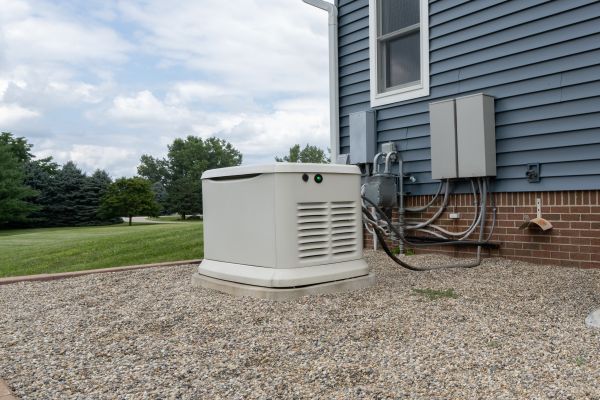
A Home standby generator is distinct from a portable generator because it is permanently positioned and integrated with the home’s electrical infrastructure. Automatic operation can be a significant benefit when an outage happens while residents are asleep, away, or unable to safely set up portable equipment. It should still be exercised and maintained according to the equipment manufacturer’s guidance so it is ready when needed.
Questions to consider before selecting a provider
Homeowners should look for a provider conversation that focuses on the property and the intended use, not just a generator model. Ask what loads are proposed for coverage, how the electrical service and panel will be assessed, what transfer equipment is included, and which site factors could change the scope. It is also reasonable to ask who is responsible for permit-related steps, what access is needed during installation, and what maintenance the owner should expect after commissioning.
Backup generator installation involves more than placing equipment outside the home. The project must coordinate generator location, electrical interconnection, switching equipment, fuel planning, and the loads that will be supported. Understanding these parts in advance helps a homeowner compare proposals based on useful scope details rather than headline capacity alone.
Cost is often part of the decision, but the lowest equipment price does not necessarily describe the complete project. Electrical upgrades, trenching or routing, fuel work, site preparation, selected circuits, permits, and control equipment may all affect the final scope. A clear written discussion of what is included and what conditions could require additional work makes it easier to set realistic expectations.
Backup power choices that fit real outage concerns
Residential generator services should address the full homeowner experience, from early load planning through understanding routine operation after the system is in place. A homeowner benefits from knowing which circuits are protected, what happens automatically, and when to call for service rather than attempting electrical changes independently. This practical perspective is valuable whether the goal is basic emergency coverage or a more comprehensive standby-power arrangement.
Home electrical backup solutions can range from a limited essential-circuit generator design to a system intended to support much of the residence. The appropriate option depends on electrical demand, budget, fuel considerations, and the consequences of losing particular systems. Battery-based options and portable generators may suit some short-duration or lower-load needs, while a permanently installed generator is often considered when automatic, sustained coverage is the priority.
Power outage backup solutions are most effective when the plan identifies what the household cannot comfortably lose. For one family, that may be a sump pump and refrigerator; for another, it may include heating controls, network equipment, or a well pump. Defining those priorities before installation avoids the common misconception that any generator will automatically run every appliance in the home.
For Metro Detroit, MI residents, the value of a generator is measured in the systems it keeps available when normal service is interrupted. Executive Electric offers a local point of contact from its Clinton Township, Michigan location for homeowners who want to discuss the electrical side of that decision. A focused consultation can turn a broad concern about outages into a defined plan for capacity, protected loads, switching, and fuel.
Start with a practical backup-power conversation
Preparing for a generator consultation is straightforward. Bring a list of critical appliances and systems, note whether the home uses gas or electric heat, identify any past outage problems, and consider whether you want automatic operation. Photos or information about the electrical panel and major equipment can also help frame the initial discussion.
- Which systems must remain on for your household?
- Do you want selected-circuit coverage or broader home coverage?
- What fuel source is available or appropriate for the property?
- Are there large loads that can be managed during an outage?
- What ongoing testing and maintenance will the chosen equipment require?
Executive Electric is located at 20504 Hall Rd, Clinton Township, MI 48038. Contact Executive Electric to discuss a Home Generator Installation plan for your Metro Detroit-area home, clarify your backup-power priorities, and take the next step toward a more resilient Michigan household.
Frequently asked questions about home generators
What happens automatically during a standby generator outage response?
A standby generator monitors utility power through its connected control and transfer equipment. When an outage is detected, the system can start the generator and transfer planned loads to generator power. After utility power returns and stabilizes, the system transfers back and the generator shuts down through its normal sequence.
Should I choose a whole-home generator or essential-circuit coverage?
Choose based on what must operate, the home’s electrical demand, and the level of convenience you want during an outage. Essential-circuit coverage can protect priority systems with a more targeted design. Whole-home coverage offers broader capability but requires careful load planning, especially for large electric appliances and HVAC equipment.
Can a generator run every appliance at the same time?
Not necessarily. Generator capability depends on its rated output, the appliances connected, and the startup demand of motors and compressors. A load calculation and, where appropriate, load-management controls help determine what can operate together without overloading the system.
Where is Executive Electric located for homeowners considering service around Metro Detroit?
Executive Electric is located at 20504 Hall Rd, Clinton Township, MI 48038. The provided location is in Clinton Township, Michigan, rather than Metro Detroit itself, so homeowners should contact Executive Electric to discuss their project and service needs.