Commercial EV charger installation Metro Detroit, MI
Businesses planning for electric vehicles need charging that fits the property, the electrical service, and the people who will use it. Executive Electric provides a practical starting point for organizations evaluating Commercial EV charger installation in Metro Detroit, MI, whether the goal is employee charging, customer access, fleet readiness, or a combination of uses. The company is located at 20504 Hall Rd, Clinton Township, MI 48038, and prospective customers can contact Executive Electric to discuss their project requirements.
A commercial charging project is more than selecting a station and mounting it on a wall or pedestal. It requires a coordinated look at electrical capacity, equipment type, charger placement, access control, parking operations, and future expansion. Thoughtful planning helps a Michigan property owner avoid installing infrastructure that is too limited for the site or too expensive to adapt later.
Build charging around how your property actually operates
Commercial EV charging works best when the charging strategy matches the length of stay, vehicle demand, and available power at the location. A workplace where vehicles remain parked for several hours often has different needs than a retail site with shorter customer visits or a fleet facility with scheduled returns. Executive Electric can be a useful point of contact when your organization needs to turn those operational questions into a defined electrical installation scope.
For many facilities, the strongest value comes from making charging convenient without disrupting traffic flow, accessible parking, deliveries, or daily operations. A commercial electrical contractor should consider where conduits can run, where drivers can park safely, how equipment will be protected, and whether the panel or service can support the planned load. These details influence installation complexity as much as the charger itself.
- Office buildings, workplaces, and employee parking areas
- Retail, hospitality, and customer-facing commercial properties
- Multifamily properties and managed parking facilities
- Fleet depots, service yards, and company vehicle parking
- Municipal, institutional, and shared-access parking locations
Start with usage patterns, not just charger quantity
The number of parking spaces does not automatically determine the number of charging ports a property needs. Decision-makers should consider how long vehicles park, whether charging is an employee benefit or a paid amenity, the expected number of EV drivers, and whether overnight charging is available. A phased approach can be sensible when demand is growing but current use does not yet justify building every space at once.
Planning for future capacity may include reserving electrical room space, designing pathways for additional conduit, or selecting a layout that can accept more stations later. That approach can reduce disruption when the property expands its charging program. It also gives owners a clearer framework for comparing initial costs against long-term flexibility.
Workplace charging supports employees and property planning
Workplace EV charger setup gives employers a way to support drivers during the workday while making better use of time vehicles already spend parked. Level 2 charging is often considered for workplaces because a typical work shift can provide a meaningful charging window, though the right equipment depends on the site and employee needs. Employers should decide early whether stations will be open to all staff, reserved, managed through access controls, or available to visitors as well.
A workplace program also benefits from clear policies before energization. Consider how spaces will be assigned, whether idle vehicles must move after charging, how electricity costs will be handled, and who will respond if a station is unavailable. Aligning the electrical design with those policies can help the charging area remain useful as participation grows.
What a commercial charging installation typically involves
A well-defined project moves from site assessment to electrical design, equipment coordination, installation, inspection requirements, and commissioning. The exact sequence depends on the property, selected equipment, existing electrical infrastructure, and applicable permitting requirements. Early conversations should identify practical constraints so the project team can plan rather than react to them during construction.
- Define the use case. Identify drivers, parking duration, desired number of ports, access rules, and anticipated expansion.
- Review the site. Evaluate electrical panels or service, equipment locations, routing possibilities, parking layout, and physical protection needs.
- Select an approach. Compare charging levels, station features, network needs, load management options, and equipment placement.
- Plan installation details. Establish the electrical scope, coordinate permits and inspections as applicable, and prepare the work area.
- Install and put the system into use. Complete electrical connections, verify operation, and establish practical operating procedures for the property.
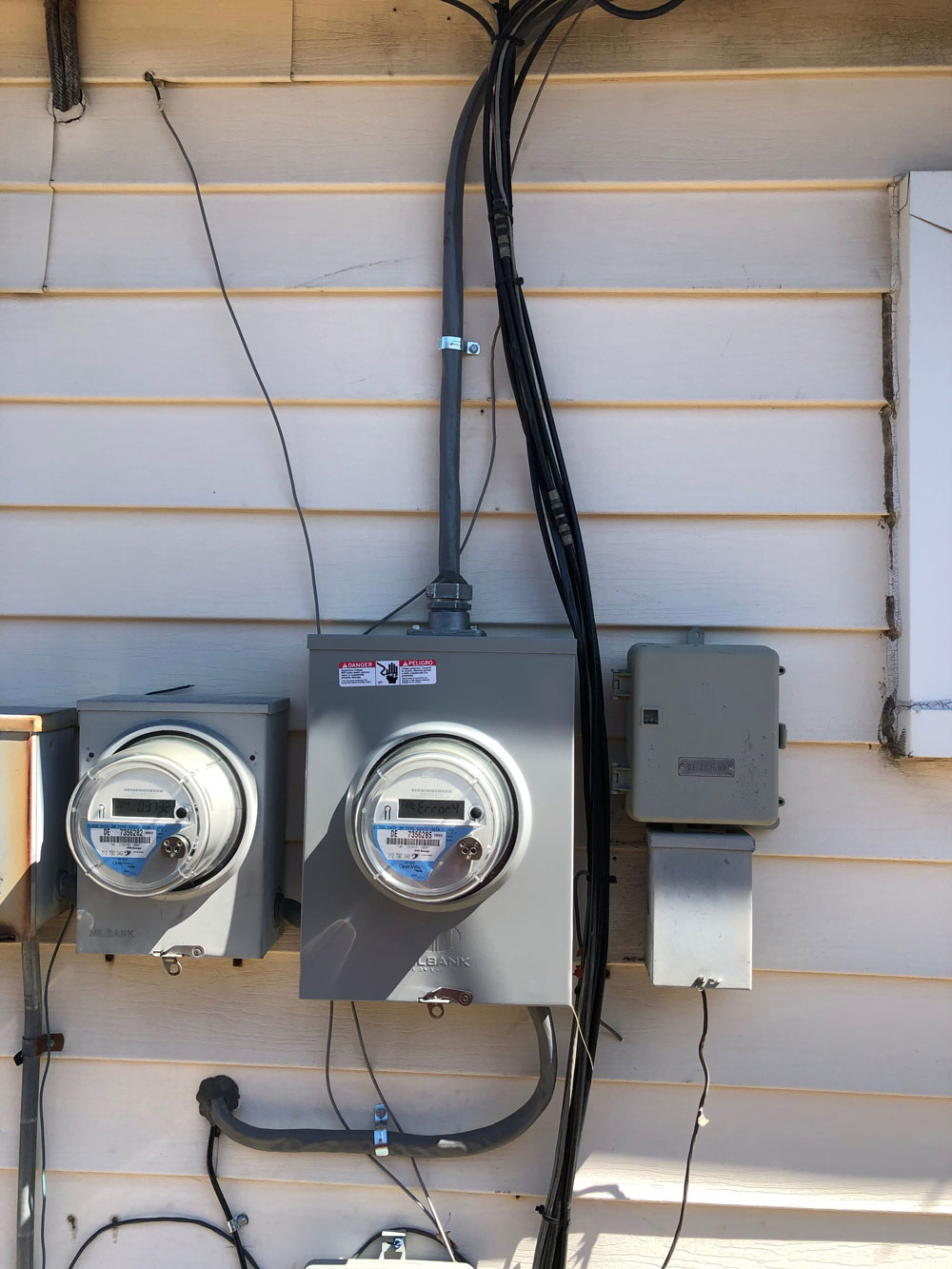
Electrical capacity is one of the first issues to resolve. Some properties can accommodate new charging circuits with available capacity, while others may need load calculations, electrical upgrades, or a managed charging strategy to limit simultaneous demand. The correct answer depends on the existing system and the charging schedule, not simply on the highest-rated station available.
Charging docks, pedestals, and site layout matter
EV charging dock installation should account for where a vehicle plugs in, how the cable reaches the charge port, and how the equipment fits within the parking environment. Wall-mounted units may suit spaces adjacent to a building, while pedestal-mounted equipment can serve parking rows where a wall is not available. Protective bollards, curb placement, cable management, clear markings, and accessible routes all deserve attention during the layout discussion.
Placement choices can affect both driver experience and construction cost. Locating stations near electrical equipment may reduce trenching, but a more distant location may better serve the intended parking spaces. A useful installation plan weighs those tradeoffs instead of treating charger placement as a purely aesthetic decision.
When high-speed charging is the right fit
EV fast charger installation is generally most relevant when drivers need a substantial charge in a relatively short stop, such as at certain fleet, destination, or public-facing locations. Direct-current fast charging can involve significantly different power requirements and site considerations than standard Level 2 equipment. Property owners should evaluate expected utilization, electrical infrastructure, dwell time, and business purpose before choosing faster charging.
Faster is not automatically better for every commercial property. If vehicles remain parked for hours, a lower-power approach may align more closely with actual use and available capacity. Conversely, operations that depend on quicker vehicle turnaround may justify exploring higher-output equipment after the site electrical requirements are understood.
Public access, fleet needs, and managed charging decisions
Public EV charger installer planning requires property owners to think beyond the electrical connection. Public or customer-accessible stations may require decisions about hours of availability, signage, pricing, payment processing, network connectivity, support expectations, and parking enforcement. The best arrangement is one that serves drivers while remaining workable for the property owner and the primary use of the parking area.
Public access is not the only model. Some businesses prefer private charging for staff or fleet vehicles, while others may designate certain ports for visitors and keep others restricted. Networked stations can offer features such as user authentication, usage visibility, and pricing controls, but those features should be selected because they support the operating plan, not simply because they are available.
- Private employee charging: Useful when the organization wants controlled access and predictable parking policies.
- Customer or visitor charging: May complement a longer visit, but requires clear rules for access and space turnover.
- Fleet charging: Centers on vehicle schedules, route needs, charging windows, and reliable daily operations.
- Public charging: Can broaden access, with added consideration for station management and user experience.
Before selecting a provider, ask how the site will be evaluated, what information is needed about existing electrical equipment, and how equipment choice will be coordinated with the installation. It is also reasonable to ask how future ports could be added, whether the property should consider load management, and what responsibilities the owner will have after installation. Clear answers help establish a charging solution that is easier to operate and expand.
Choose a practical next step for your Michigan property
Commercial EV infrastructure is an investment in electrical capacity, parking operations, and the experience of the people using the property. The most useful first conversation identifies the charging objective, the vehicles involved, the location of proposed spaces, and any known electrical limitations. Executive Electric can discuss those starting details with organizations considering a commercial charging project in Metro Detroit and elsewhere in Michigan.
Bring any available information about the parking layout, existing electrical panels, desired equipment locations, and anticipated number of vehicles. Even if those details are preliminary, they can make the initial discussion more productive. A planned assessment is preferable to choosing equipment first and discovering later that the site requires a different approach.
Common questions about commercial EV charging
What is included in commercial EV charger installation?
Commercial EV charger installation generally includes planning the charger location and electrical supply, installing required circuits and equipment, and coordinating applicable inspection requirements. The scope may also involve panel capacity review, conduit routing, mounting or pedestal work, protective measures, and commissioning, depending on the property and selected charging equipment.
Should a Metro Detroit business choose Level 2 or DC fast charging?
The right choice depends primarily on how long vehicles park and how quickly drivers need energy. Level 2 charging often suits workplaces and longer stays, while DC fast charging may fit shorter visits or fleet turnaround needs. Electrical capacity, equipment cost, utilization expectations, and future growth should all inform the decision.
Can a commercial property add more chargers later?
Yes, many properties can plan for staged expansion, but future additions are easier when electrical capacity, conduit pathways, equipment locations, and parking layout are considered at the outset. Ask about scalable design options before the first ports are installed so later work may require less disruption.
Where is Executive Electric located for customers considering this service?
Executive Electric is located at 20504 Hall Rd, Clinton Township, MI 48038. The address should not be confused with a Metro Detroit office claim; customers seeking Commercial EV charger installation in Metro Detroit, MI can contact Executive Electric to discuss their property, project goals, and next steps.
Ready to discuss commercial charging at your property? Contact Executive Electric through the contact page to share your charging goals, property details, and preferred timeline. Executive Electric is located at 20504 Hall Rd, Clinton Township, MI 48038 and can help begin a focused conversation about a commercial EV charging installation project.