Briggs & Stratton generator installation Metro Detroit, MI
A properly planned standby generator can keep essential household systems available when utility power is interrupted. For property owners seeking Briggs & Stratton generator installation in Metro Detroit, MI, Executive Electric provides a clear local point of contact from its location at 20504 Hall Rd, Clinton Township, MI 48038. The right installation is about more than selecting a generator. It requires thoughtful electrical planning, safe connection methods, and a system sized around what matters most in the home.
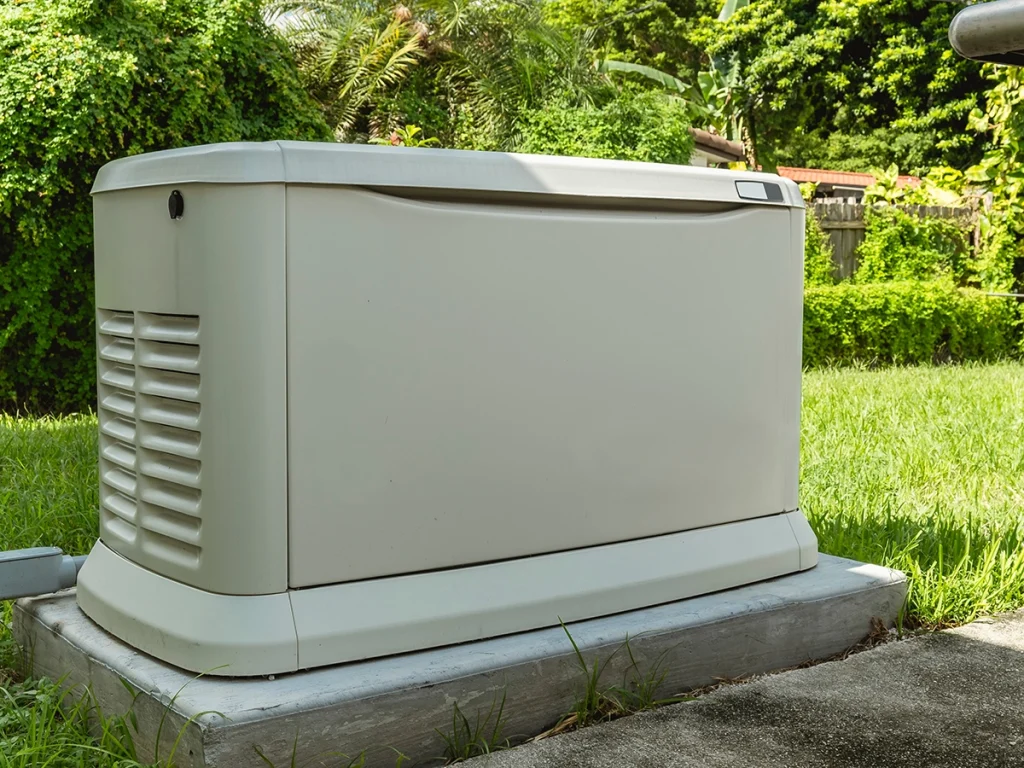
A Briggs & Stratton home standby generator is designed to operate automatically with an appropriate transfer switch when an outage occurs. That can reduce the disruption of losing refrigeration, lighting, selected outlets, a sump pump, heating equipment, or other chosen circuits. The exact loads a system can support depend on the generator capacity, the electrical configuration, and the priorities established before installation.
What a standby generator installation is designed to solve
Briggs & Stratton generator installation gives a home a permanent backup-power solution rather than relying solely on portable equipment and extension cords. A standby system is intended to detect a utility failure, start when needed, and transfer power through equipment designed for that purpose. It can be a practical consideration for homeowners who want a more organized response to outages.
Backup power is not one-size-fits-all. Some households want to preserve only vital equipment, while others may want broader coverage for daily living. Before choosing a unit, it helps to identify the electrical loads that are genuinely important during an outage and to recognize that large electric appliances can have substantial starting and running demands.
- Keep refrigeration and selected kitchen circuits available.
- Support lighting, internet equipment, charging, and selected receptacles.
- Maintain power for a sump pump or other home systems that need attention during storms.
- Provide selected heating-related equipment with power when compatible with the electrical plan.
- Reduce the need to set up, refuel, and monitor a portable generator during each outage.
Whole-home coverage and essential-load coverage are different choices
The most important decision is usually whether the system should power selected essential circuits or support a larger portion of the home. Essential-load designs can prioritize the equipment a household considers necessary. Broader backup coverage may require more capacity and a more detailed review of how major loads will be managed.
For example, central air conditioning, electric ranges, electric dryers, water heaters, and other high-demand appliances can significantly affect generator sizing. A useful planning conversation separates wants from necessities, considers which equipment must operate at the same time, and avoids assuming that a larger label automatically resolves every load-management question.
Automatic transfer equipment is central to safe operation
A standby generator does not simply connect to a home panel in the same way as an appliance. Transfer equipment is used to move the home or selected circuits between utility power and generator power. This function is a key part of preventing an improper connection and supporting an orderly transition when normal utility service returns.
Executive Electric can be a relevant resource when you want to discuss the electrical side of a Briggs & Stratton standby generator installation before moving forward. A professional review can help clarify panel considerations, transfer-switch placement, desired circuits, and the electrical scope that should be understood before equipment is selected.
A practical path from outage concerns to a generator plan
A successful generator project begins with a site and load assessment, not a guess based on square footage alone. Homes with similar sizes can have very different electrical needs because their heating, cooling, pumping, cooking, and appliance arrangements differ. The planning stage is where a homeowner can align equipment choice with realistic outage priorities.
- Define the outage priorities. Make a short list of circuits, appliances, and systems that should remain available.
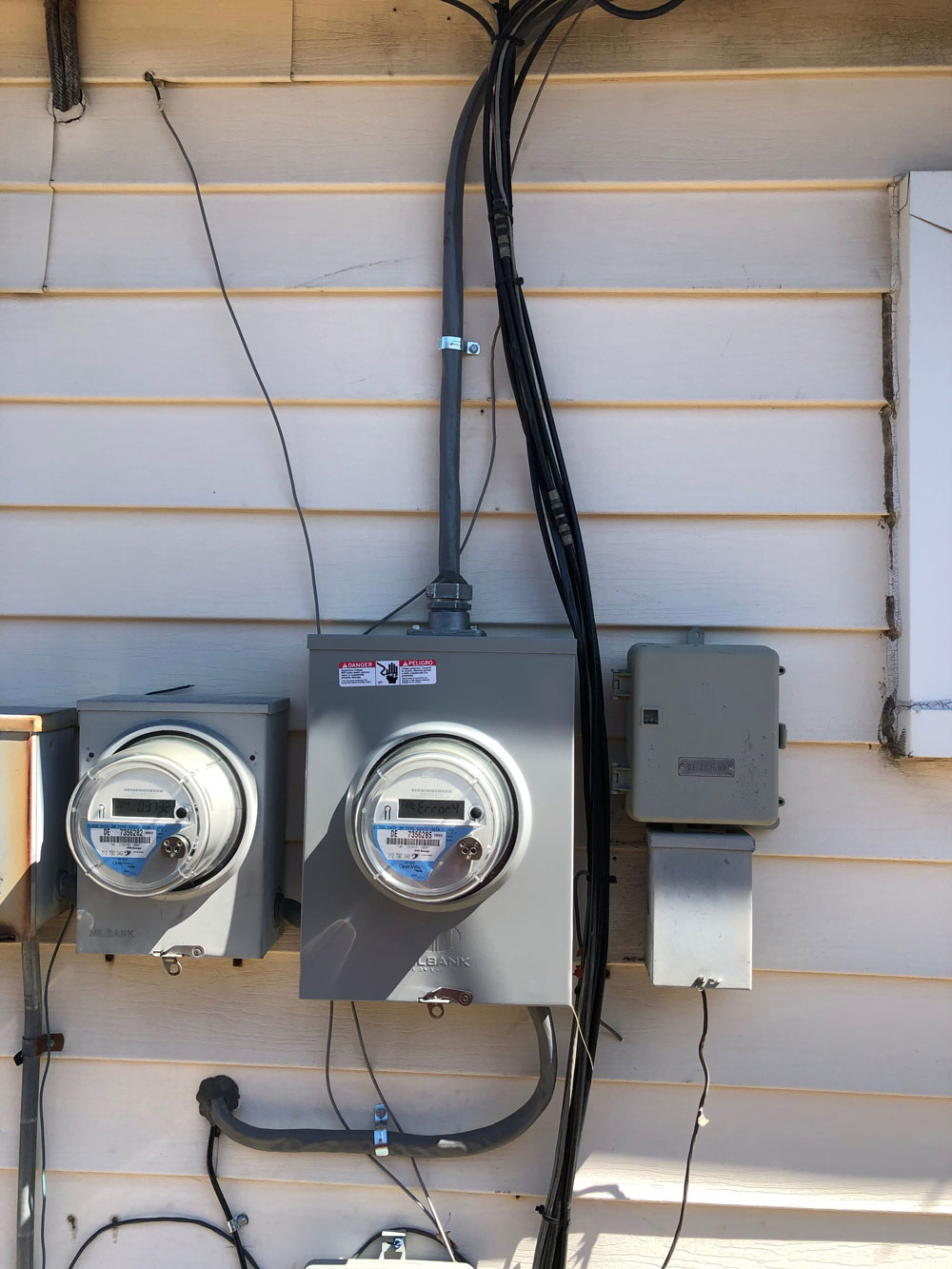
- Review the electrical setup. Consider the service equipment, panel arrangement, proposed transfer equipment, and the pathway needed for generator connections.
- Choose an appropriate capacity approach. Compare essential-load backup with broader coverage while accounting for starting loads and simultaneous use.
- Coordinate the complete project scope. A permanent generator installation can involve electrical work and other site, fuel, or approval considerations that should be identified early.
- Understand operation after installation. Know what the transfer process is intended to do, what loads are covered, and what routine owner attention the equipment may require.
During a Briggs & Stratton generator setup, the visible generator is only one part of the system. The connection to transfer equipment, the selected load coverage, and the electrical distribution plan shape the experience during an outage. Asking for plain-language explanations of these components helps a homeowner make a decision based on function rather than marketing terms alone.
Important considerations before selecting equipment and an installer
Choosing a provider for a permanent backup generator should involve more than comparing generator model names. The installer should understand the homeowner’s intended use, evaluate the electrical work involved, and communicate the limits of the proposed design. Clear expectations are especially valuable because backup power systems interact with a home’s existing electrical infrastructure.
Questions that lead to a better-scoped project
Bring practical questions to the initial conversation. The answers can help you distinguish between a system that supports a few critical circuits and one designed for a wider set of household loads. They also make it easier to identify decisions that may depend on the property, equipment selected, or applicable requirements.
- Which household systems are included in the backup-power plan?
- Will the design use selected circuits or a broader whole-home approach?
- How will high-demand appliances and motor starting loads be considered?
- Where would the transfer equipment connect within the electrical system?
- What site, fuel-source, permitting, inspection, or clearance questions need to be addressed for this property?
- What should the homeowner understand about testing, exercising, and maintaining the generator after installation?
Fuel planning also belongs in the conversation. Standby generators commonly depend on an on-site fuel arrangement, and the appropriate solution is property-specific. The electrical installation should be considered alongside fuel availability, unit placement, manufacturer instructions, local requirements, and access for future service.
Why homeowners contact Executive Electric
Executive Electric offers a direct way to begin discussing Briggs & Stratton generator installation for Metro Detroit, MI needs. The company is located at 20504 Hall Rd, Clinton Township, MI 48038, rather than claiming an office in Metro Detroit. That distinction helps homeowners understand where the company is based while seeking information about service needs in the wider Michigan area.
The value of an initial conversation is clarity. Executive Electric can help frame the electrical questions behind a standby generator project, including desired backup loads, transfer-switch planning, and the difference between a simple emergency-power wish list and a defined installation scope. This approach helps homeowners prepare for a more productive equipment and project discussion.
If you are comparing portable and permanent backup options, consider the daily experience during an outage. Portable generators can be useful for limited, temporary needs but generally require manual setup, proper outdoor placement, cord management or an appropriate inlet arrangement, and refueling. A permanently installed Briggs & Stratton backup generator is a different approach, built around fixed equipment and automatic transfer capability when the system is designed for that purpose.
Michigan weather and utility interruptions can make emergency planning feel urgent, but a generator decision benefits from a measured review. Define the systems that matter, consider the tradeoffs between capacity and coverage, and ask how the electrical work supports safe, understandable operation. That preparation can make the next step more confident.
Get started with a generator installation conversation
Whether your goal is to protect a few essential circuits or plan for more extensive home backup, start by documenting your priorities and current electrical concerns. Executive Electric is based at 20504 Hall Rd, Clinton Township, MI 48038 and can be contacted to discuss the electrical planning considerations for a Briggs & Stratton generator project.
Ready to discuss backup power for your home? Contact Executive Electric about Briggs & Stratton generator installation and share the loads, systems, and outage concerns that are most important to you. A focused conversation is the first step toward a backup-power plan suited to your property.
Frequently asked questions
What happens during a Briggs & Stratton standby generator installation?
A typical project includes reviewing desired backup loads, planning the electrical connection and transfer equipment, placing and connecting the generator according to the project scope, and explaining the intended operation. Fuel, site, permit, inspection, and manufacturer requirements may also need to be coordinated based on the property.
How do I know what size generator my home needs?
Generator sizing should be based on the loads you intend to run, including motor starting demands and appliances that may operate at the same time. A list of essential circuits is a useful starting point, but an electrical review is important before selecting capacity or assuming whole-home coverage.
Can a standby generator power every appliance in my house?
It can power the loads included in the design, but not every installation is intended to run every appliance simultaneously. High-demand equipment affects capacity needs. Discuss whether essential-load coverage, load management, or broader backup coverage best fits your household priorities and electrical setup.
Where is Executive Electric located for Metro Detroit generator inquiries?
Executive Electric is located at 20504 Hall Rd, Clinton Township, MI 48038. Homeowners researching generator installation for Metro Detroit, MI can contact Executive Electric to discuss their property-specific electrical needs and backup-power goals.