Commercial Electrician Metro Detroit, MI
Business electrical work affects safety, workflow, equipment reliability, and the ability to adapt a space as operations change. For owners, property managers, and project teams seeking a commercial electrician in Metro Detroit, MI, the right first step is defining the electrical need clearly, whether it involves a new build-out, a renovation, added equipment, lighting changes, or an issue that needs professional evaluation.
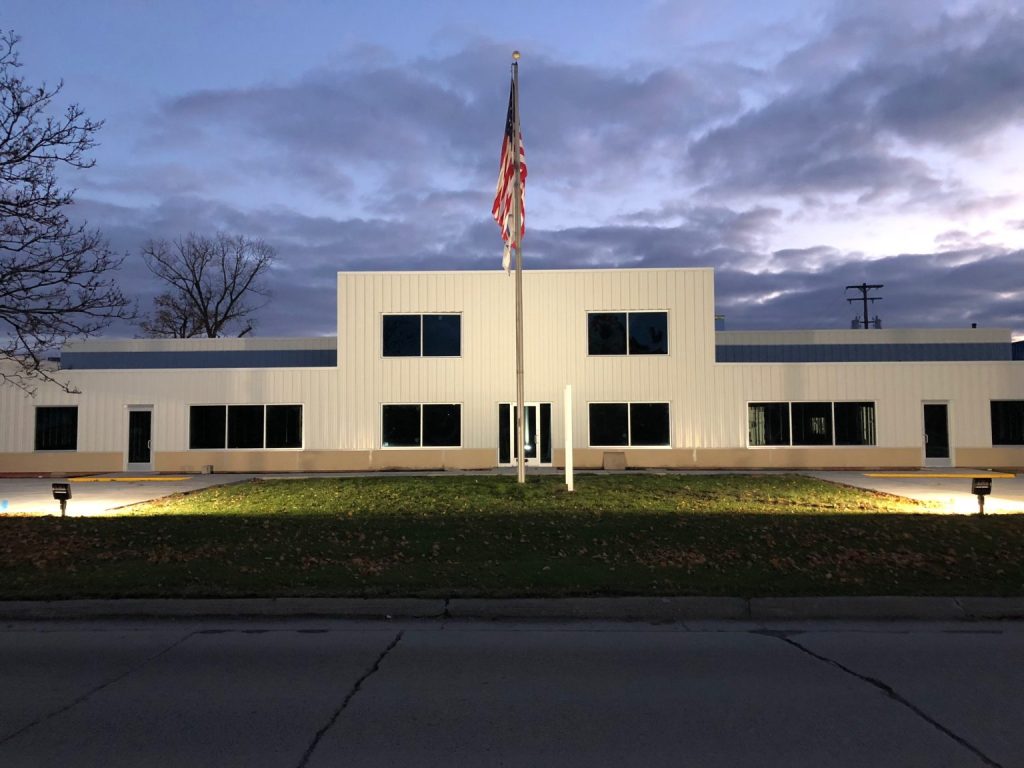
Executive Electric is located at 20504 Hall Rd, Clinton Township, MI 48038. That physical location is in Clinton Township, not Metro Detroit itself, while this page is designed for people evaluating commercial electrical needs in and around the broader Metro Detroit market. A detailed scope and a direct conversation help determine the most appropriate next step for a Michigan business or commercial property.
Commercial electrical work should match the way a business uses its space
A commercial electrician helps plan, install, assess, repair, or modify electrical systems used in business and institutional environments. Commercial work differs from a small residential task because loads, distribution, equipment demands, occupancy, access, continuity of operations, and code requirements can all affect the project approach.
Before requesting service, it helps to identify the business goal behind the electrical request. “Need more outlets” may actually mean a need to support new workstations, relocate equipment, improve task lighting, accommodate a tenant change, or evaluate whether the existing electrical capacity is suitable for planned growth.
Common situations that call for commercial electrical planning
Commercial properties often need electrical attention when the physical space or the business activity changes. An early review can surface dependencies before finishes are installed, equipment arrives, or a deadline becomes difficult to move.
- Tenant improvements, office reconfigurations, and retail or service-area updates
- New equipment that may require dedicated circuits or a review of electrical load
- Lighting replacements, controls, or changes to improve visibility in work areas
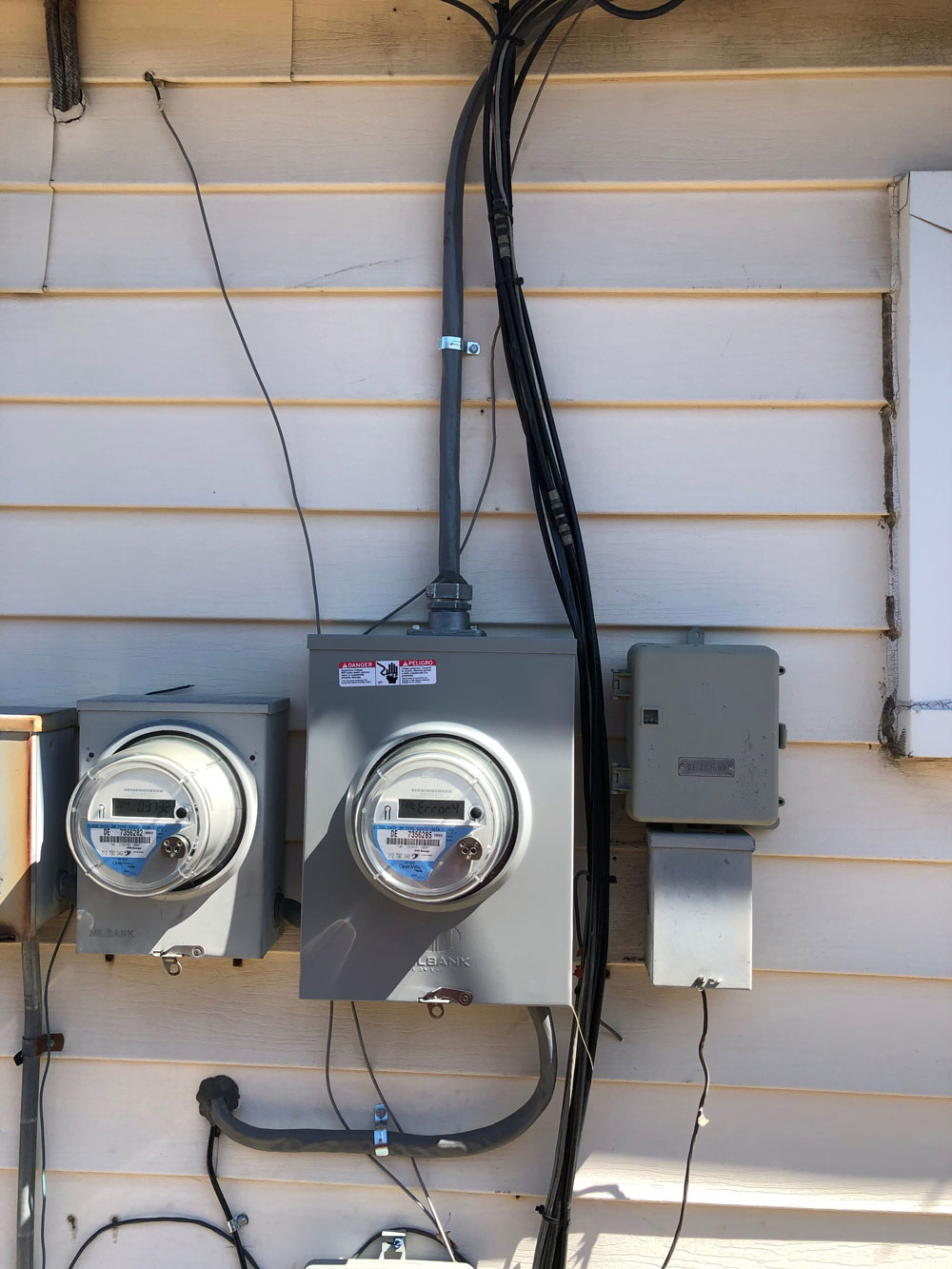
- Electrical troubleshooting when circuits, switches, receptacles, or equipment operation raise concerns
- Renovations that expose older wiring or create a need to bring portions of a system into alignment with current project requirements
- Expansion planning for additional work areas, technology, machinery, or customer-facing space
These examples do not all require the same solution. A business electrician should begin with the actual use of the area, the existing conditions, and the project scope rather than treating every electrical request as a standard repair.
Capacity, safety, and downtime are connected decisions
Electrical capacity is more than the number of open spaces visible in a panel. The relevant question is whether the system can appropriately support present and anticipated loads. Equipment nameplates, circuit routing, panel configuration, operating schedules, and the type of electrical demand all matter when a commercial electrical contractor evaluates a proposed change.
Downtime is another practical consideration. A project that requires work near active operations may need coordination around employees, customers, deliveries, sensitive equipment, or tenant access. Raising those constraints at the beginning gives the project team a better basis for planning sequencing, access, and any necessary interruptions.
What to expect when planning a commercial electrical project
A well-defined commercial electrical project usually moves from discovery to site-specific planning, then to the work itself and final follow-through. The exact sequence varies by project size, but clear information early on reduces avoidable changes later.
- Describe the objective. Explain what is changing, what is not working, or what new equipment or layout the electrical system must support.
- Gather available details. Floor plans, photos, equipment information, prior drawings, panel schedules, and target dates can help clarify the discussion.
- Review site conditions. Existing wiring, distribution equipment, access conditions, and the physical layout may influence the recommended path.
- Define the scope. The scope should distinguish essential work from optional upgrades and identify assumptions that may need confirmation.
- Coordinate the work. For occupied properties, scheduling and communication are important parts of minimizing disruption.
- Close out thoughtfully. Confirm what was completed, retain relevant project documentation, and note any future items worth monitoring.
Not every request starts as a large project. A service concern may lead to a focused diagnostic discussion, while a build-out may require coordination with other trades and a more formal plan. The useful principle is the same: the electrical scope should support the intended use of the commercial space.
Information that makes the first conversation more productive
Useful details help a commercial electrical contractor understand the request without assuming facts that have not been verified. If available, prepare a concise description of the problem or project, the property type, the affected areas, any operational constraints, and the date by which the work is needed.
For equipment-related requests, include manufacturer information or electrical requirements when possible. For renovations, note whether walls, ceilings, flooring, or other finishes are already open or scheduled for work. This information does not replace an assessment, but it gives the conversation a more practical starting point.
How to evaluate a provider for business electrical needs
Choosing a provider should involve more than comparing a short description of services. Commercial property work can affect tenants, staff, customers, project schedules, and future maintenance, so the clearest provider is often easier to evaluate than the one offering broad but undefined promises.
When reviewing options for Commercial Electrician services, focus on how well the provider can discuss scope, existing conditions, coordination needs, and project expectations. A productive conversation should make it easier to understand what information is known, what needs to be verified, and what decisions may affect the work.
- Ask how the proposed work relates to the business goal, not only the immediate symptom.
- Ask what site information, drawings, equipment details, or access arrangements are needed before work can be defined.
- Ask how an occupied space, tenant schedule, or business hours may affect planning.
- Ask which parts of the scope are confirmed and which depend on conditions found during review or work.
- Ask what documentation or project information should be retained after completion.
Price is important, but it is not the only comparison point. A narrower proposal may address a different scope than a more complete one. Comparing the stated work, assumptions, exclusions, materials or equipment responsibilities, scheduling implications, and change process can provide a more meaningful basis for a decision.
Choosing between repair, modification, and a larger upgrade
The best option depends on the source of the issue and the future use of the space. Repair may be appropriate when a specific component or connection is at fault. A modification may fit when operations are changing in a limited area. A broader electrical upgrade may deserve consideration when the existing system cannot reasonably support planned equipment, layout, or load demands.
It is also important not to assume that an intermittent issue is minor simply because it is intermittent. Repeated tripping, unusual performance, damaged components, or electrical concerns connected to business equipment should be described accurately and evaluated by a qualified professional. Avoid treating an electrical concern as a do-it-yourself commercial maintenance task.
For projects in Michigan, permits, inspections, and applicable requirements can depend on the nature and location of the work. A property owner or manager should discuss project-specific responsibilities with the appropriate parties rather than relying on a general assumption. This is especially relevant when a project involves alterations, new circuits, distribution equipment, or a change in how an area will be used.
Commercial electrical FAQ
What does a commercial electrician do for a business property?
A commercial electrician works on electrical systems used in business, multi-tenant, institutional, and other nonresidential settings. The work may involve evaluating existing conditions, troubleshooting, wiring changes, lighting, circuits, electrical distribution, equipment connections, or electrical planning for a renovation, build-out, or operational change.
When should a business contact a commercial electrician instead of a general maintenance provider?
Contact a commercial electrician when the issue involves electrical circuits, panels, wiring, receptacles, switches, lighting systems, electrical equipment connections, repeated breaker trips, or a project that changes electrical demand. A professional electrical evaluation is also appropriate before adding equipment or altering a commercial layout.
Is Executive Electric physically located in Metro Detroit, MI?
Executive Electric is located at 20504 Hall Rd, Clinton Township, MI 48038. The Metro Detroit, MI reference describes the market addressed by this service page and does not state that Executive Electric has an office in Metro Detroit.
What should I have ready before discussing a commercial electrical project?
Bring a clear description of the desired outcome, the affected areas, photos or plans if available, equipment specifications, timing needs, and access constraints. Sharing whether the space is occupied, whether other trades are involved, and whether the work is part of a renovation helps create a more informed project discussion.
Discuss your Metro Detroit commercial electrical needs
Whether you are addressing an electrical concern, preparing a tenant space, evaluating new equipment, or planning a larger change, a clear scope is the foundation of a sound decision. Executive Electric can be contacted from its Clinton Township, Michigan location at 20504 Hall Rd, Clinton Township, MI 48038 to discuss commercial electrical needs relevant to your property or project.
Take the next step with a focused project conversation. Contact Executive Electric to share your commercial electrical request, available project details, and timeline.