Recessed Lighting Macomb, MI
Thoughtful recessed lighting can make a Macomb, MI kitchen easier to work in, a living room more comfortable, or a hallway feel safer and more finished without adding a bulky fixture to the ceiling. The right layout does more than brighten a room. It directs light where people need it, supports the room’s purpose, and creates a cleaner visual plane overhead.
Executive Electric is located at 20504 Hall Rd, Clinton Township, MI 48038. Homeowners considering recessed lighting in Macomb can use this page to understand the options, plan a productive conversation about their space, and contact Executive Electric when they are ready to discuss an electrical lighting project.
What recessed lighting changes in a room
Recessed fixtures sit within the ceiling, so the visible portion is typically a trim and light opening rather than a fixture that hangs into the room. This makes can lights especially useful where ceiling clearance, uncluttered sightlines, or broad, even illumination matters. A successful plan uses several fixtures as a coordinated lighting system, not simply as isolated bright spots.
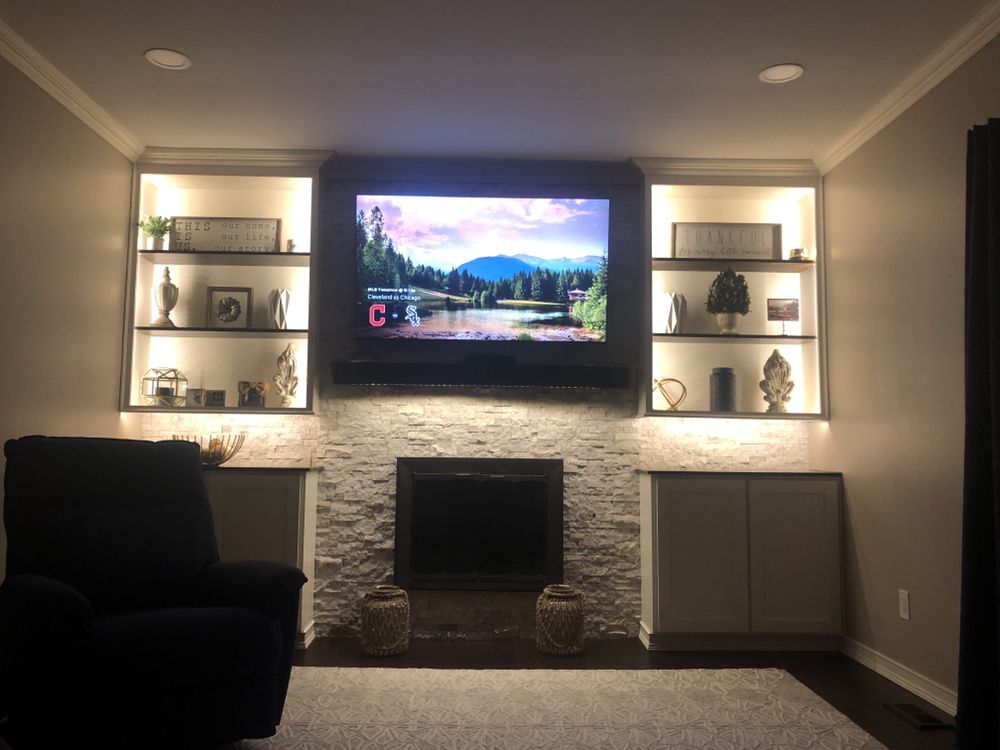
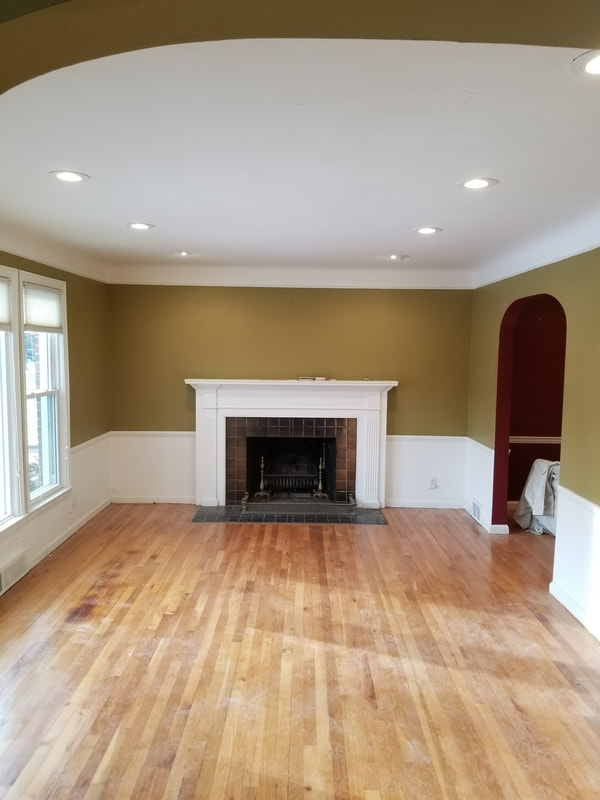
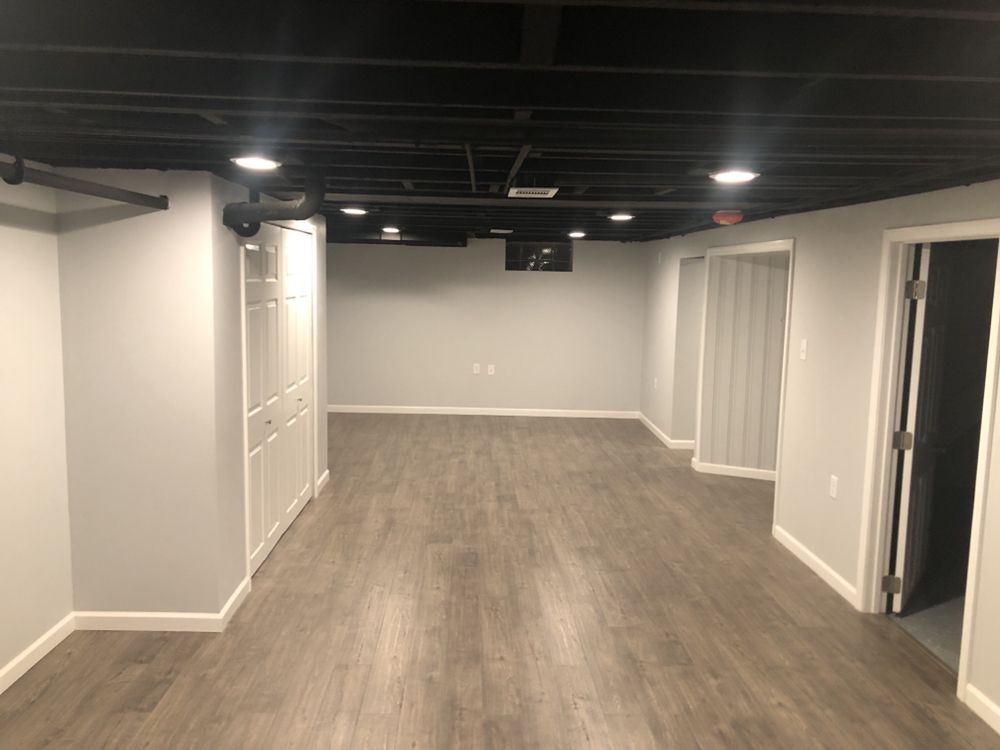
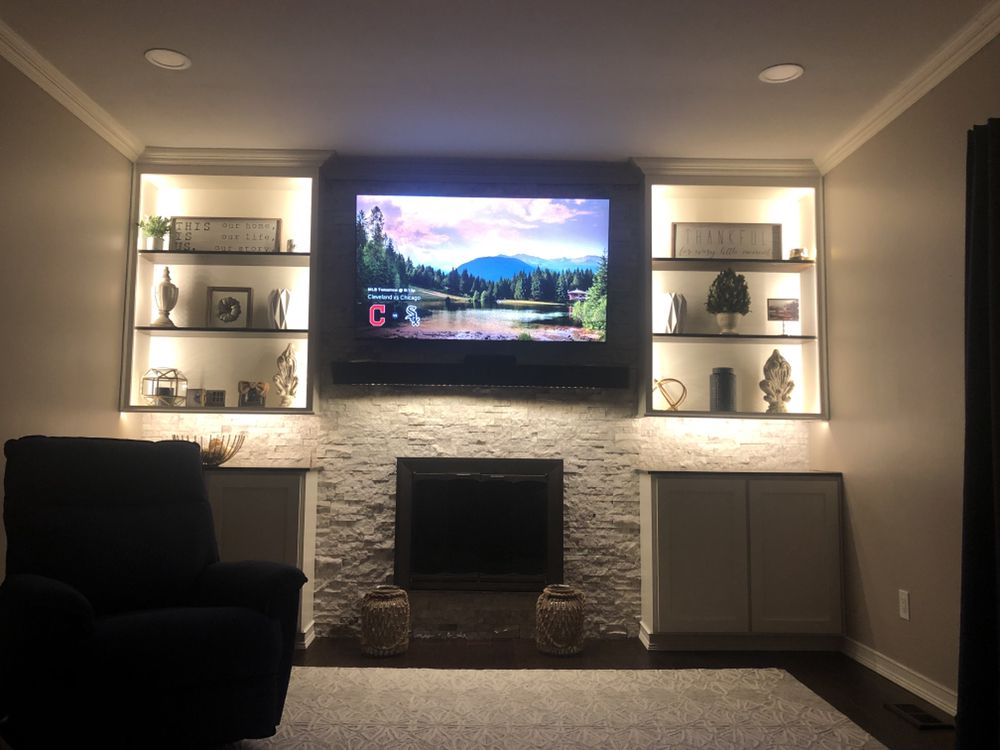
For many homes in Michigan, recessed ceiling lights are considered during a renovation, a kitchen update, a finished basement project, or a room that has never had enough usable overhead light. They can provide ambient light for the whole area, task light over work zones, or accent light that draws attention to a wall, fireplace, or architectural detail. The best role depends on how the room is actually used.
Common reasons to add ceiling-mounted lights
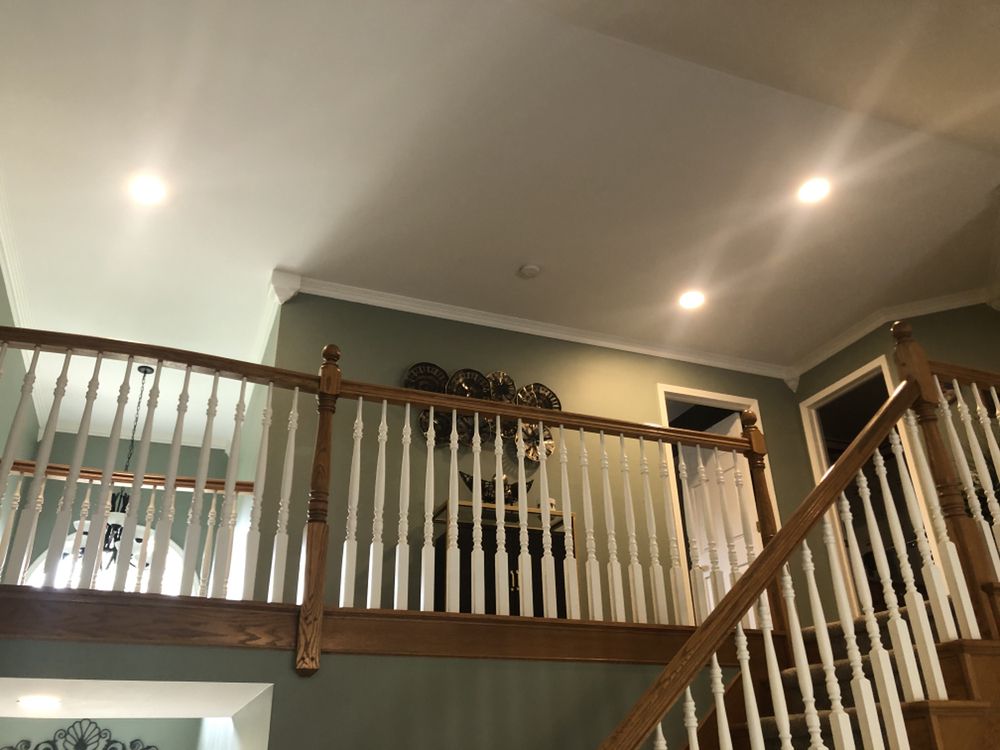
Recessed lighting is a practical option when a central fixture leaves corners dim or when lamps and existing fixtures create shadows over work surfaces. It can also help a room feel more open because the light source does not extend down into the space. In rooms with low ceilings, that clearance can be an important design consideration.
- Improving visibility for food preparation, reading, hobbies, grooming, or laundry
- Replacing uneven lighting from one centrally located ceiling fixture
- Supporting an open floor plan with separate light zones for different activities
- Adding adjustable directional light for artwork, shelving, or a focal wall
- Updating an older room with a less obtrusive ceiling-lighting approach
More fixtures are not automatically better. Too many closely spaced downlights can create glare, overlapping pools of light, and an overly bright ceiling. A useful design starts with the room dimensions, furniture placement, ceiling height, windows, and the activities that need light at different times of day.
Plan the layout before choosing trims and bulbs
The most important recessed-lighting decision is the layout, because placement determines whether the finished room feels balanced and useful. Fixture size, beam spread, trim style, color temperature, dimming, and circuit capacity should be considered after the intended light levels and zones are clear. Planning these details together helps avoid a result that looks tidy but does not adequately light the room.
Start with how each area will be used
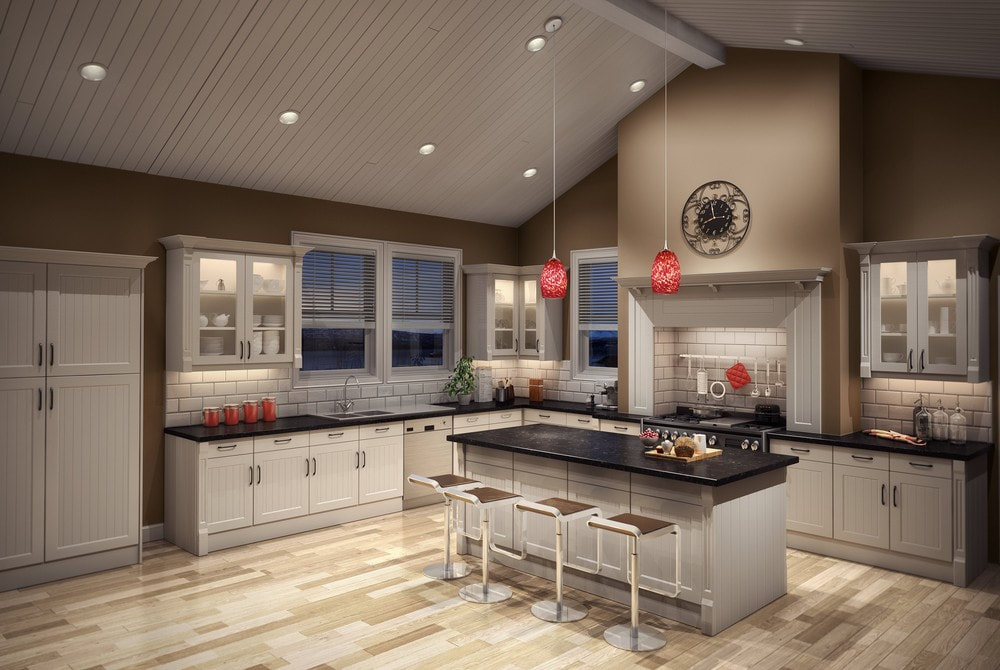
A kitchen often needs a different plan from a family room. In a kitchen, work areas and the person standing at the counter matter, since poorly placed overhead lighting can cast a shadow from the user’s body. In a lounge area, softer general illumination and independently controlled zones may be more valuable than uniformly bright light everywhere.
Walk through the space and identify where people cook, read, watch television, enter, dress, work, or display objects. Note existing fans, ceiling fixtures, beams, vents, skylights, and cabinetry because these elements influence where a recessed fixture can be located. A lighting discussion is more productive when the homeowner can explain both the current frustration and the intended use after the project is complete.
- Define the room’s primary activities and the areas that currently feel dark.
- Identify ceiling features and approximate locations of furniture, counters, or focal points.
- Decide whether one switch is sufficient or whether separate zones and dimmers would improve daily use.
- Review fixture, trim, and lamp choices in relation to ceiling construction and the desired look.
- Have the electrical conditions and installation approach evaluated before finalizing the plan.
Choose light quality, control, and appearance deliberately
Light color affects the character of a room. Warmer color temperatures generally create a softer, more relaxed appearance, while cooler white light can feel crisper for task-oriented spaces. Color rendering is also worth considering because it affects how accurately finishes, food, paint, and fabrics appear under the lights.
Dimming adds flexibility that a fixed-output switch cannot provide. Bright light may be useful for cleaning or detailed work, while a lower level can make the same room more comfortable for evening use. Compatibility matters: the dimmer, light source, and fixture components need to be selected as a system rather than assumed to work together.
Trim selection affects both appearance and performance. Baffle trims can help reduce glare, reflector-style trims can increase perceived brightness, and adjustable trims can aim light toward a feature. A shallow ceiling cavity, insulation, moisture conditions, and the location of the fixture may also affect which recessed downlights are appropriate, so these are installation considerations rather than purely decorative choices.
What to expect when discussing an installation
A professional recessed lighting conversation should begin with the room and the electrical conditions, not with a one-size-fits-all fixture count. The person planning the work may need to consider access above the ceiling, framing, existing wiring, insulation, switch locations, and the condition and capacity of the electrical system. These factors can affect the feasible layout and the scope of work.
Before reaching out, homeowners can gather a few useful details: photos of the ceiling and room, approximate dimensions, the location of existing switches and fixtures, and a description of what is not working with the current lighting. If the project is part of a larger remodel, mention the renovation schedule and any planned cabinets, appliances, or finishes. This context helps connect the lighting plan to the completed space rather than the room as it looks today.
Installation considerations that should not be overlooked
Cutting openings into a ceiling is only one part of installing recessed fixtures. Wiring routes, junction connections, fixture ratings, insulation contact, clearances, and controls all matter to the finished system. Electrical work should be evaluated and performed with the applicable requirements for the property and project in mind.
Ceiling access can influence the installation experience. An attic or unfinished area above may provide a different working path than a finished second story or a ceiling below another occupied level. Discussing likely access and the extent of any needed ceiling repair or finishing work upfront gives a homeowner a clearer picture of how the project may affect the room.
Recessed fixtures compared with other lighting choices
Recessed lighting is not the only way to improve a room, and the right solution may combine several fixture types. A pendant can provide visual character and focused light over an island. A chandelier can anchor a dining area, while under-cabinet lighting can illuminate a countertop more directly than ceiling fixtures alone.
For broad general lighting with minimal visual bulk, recessed lighting is often a strong fit. It is particularly useful when the goal is to distribute light across a room without a hanging center fixture. It may be less suitable as the sole source of task lighting in every setting, which is why a layered plan can be more functional than relying on one lighting type.
- Recessed fixtures: streamlined overhead illumination, flexible zoning, and potential accent capability.
- Pendants and chandeliers: decorative presence and concentrated light, often best over a specific table or island.
- Under-cabinet lighting: close-to-surface task illumination for counters and work areas.
- Wall sconces and lamps: softer layered light that can reduce reliance on bright overhead lighting.
Consider glare as well as brightness. Highly reflective counters, televisions, glossy floors, and sightlines from a sofa or bed can change where light feels comfortable. A plan that accounts for where people look and sit can be more satisfying than one based only on a symmetrical ceiling pattern.
A practical next step for Macomb homeowners
Executive Electric offers a clear point of contact for property owners seeking information about recessed lighting projects near Macomb, MI. The company’s listed location is 20504 Hall Rd, Clinton Township, MI 48038, rather than Macomb itself. Sharing the room goals, current lighting concerns, and any remodeling plans can help frame a focused discussion.
Whether the objective is brighter kitchen prep space, adjustable living-room lighting, or a cleaner ceiling design, a well-considered plan helps turn a lighting idea into an informed project decision. Contact Executive Electric to discuss recessed lighting for your Michigan home and the next steps appropriate for your space.
Frequently asked questions about recessed lighting
How many recessed lights does a room need?
The appropriate number depends on room size, ceiling height, fixture output, beam spread, natural light, and the activities in the space. A kitchen, for example, may need light directed to work areas in addition to general room illumination. A layout should be planned around coverage and glare control rather than a fixed fixture count.
Can recessed lighting be added to an existing ceiling?
In many cases, recessed fixtures can be considered for an existing ceiling, but the installation approach depends on what is above and within that ceiling. Framing, wiring access, insulation, ceiling depth, and nearby obstructions affect the feasible locations. An evaluation of the particular space is the sensible way to determine the options.
Are dimmers worth adding to recessed lights?
Yes, dimmers can make recessed lighting more adaptable by allowing bright task illumination when needed and softer ambient light at other times. The dimmer, fixture, and light source must be compatible. This is especially useful in multipurpose rooms, kitchens, family rooms, bedrooms, and entertainment areas.
Is Executive Electric physically located in Macomb, Michigan?
No. Executive Electric’s provided location is 20504 Hall Rd, Clinton Township, MI 48038. Customers looking for recessed lighting in Macomb can contact Executive Electric to discuss their project, room needs, and whether the company is an appropriate resource for the requested work.
Ready to move from uneven overhead light to a more intentional lighting plan? Contact Executive Electric to discuss your recessed lighting goals. Executive Electric is located at 20504 Hall Rd, Clinton Township, MI 48038 and can help you start a conversation about your Macomb-area project.