Home Generator Installation Macomb, MI
When utility power stops, a permanently installed generator can keep essential household systems operating without the noise, fuel storage, and manual setup associated with a portable unit. For homeowners researching Home Generator Installation in Macomb, MI, Executive Electric provides a clear starting point for planning an automatic backup-power system around the loads that matter most.
Executive Electric is located at 20504 Hall Rd, Clinton Township, MI 48038. That location gives Macomb-area homeowners a direct point of contact for discussing a proposed generator project, electrical service considerations, and the practical questions that should be answered before equipment is selected.
A standby system is not simply an appliance placed outside the home. It is an integrated electrical installation involving generator capacity, a transfer method, protected circuits or whole-home coverage, fuel supply, placement, and a plan for safe operation. Understanding those pieces helps Michigan homeowners make a more confident decision when dependable power is a priority.
What a home generator system can do during an outage
A properly planned residential generator system senses a qualifying utility interruption, starts automatically, and transfers selected electrical loads to generator power. It can support everyday continuity for lights, refrigeration, sump pumps, heating equipment, internet equipment, and other chosen priorities, subject to the system design and available capacity. The goal is not merely to have electricity, but to have a safe, organized way to power the functions your household relies on.
Whole house generator installation generally describes a design intended to supply most or all normal household electrical demand, rather than only a small group of circuits. This approach can be appealing when homeowners want fewer decisions during an outage, but it requires careful load evaluation because electric heating, air conditioning, large appliances, and other high-demand equipment affect sizing. A whole-home approach is different from a system that intentionally protects only essential circuits.
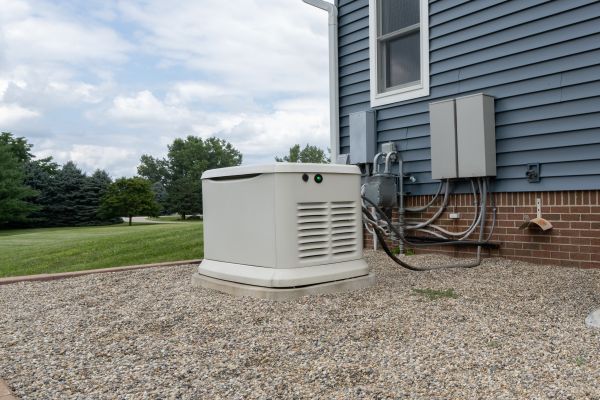
Standby generator installation refers to the permanent installation of an automatic generator, transfer equipment, and related connections. Unlike a portable generator that must be moved, fueled, and connected after the power fails, a standby unit is designed to operate as part of the home electrical system. The exact sequence, capacity, and loads served should be established for the individual property rather than assumed from the generator’s exterior size.
Essential-load coverage or broader household coverage
The first design choice is often deciding what needs power when the grid is unavailable. Essential-load systems may focus on refrigeration, lighting, selected receptacles, a sump pump, garage access, communications equipment, and heating controls. Broader coverage may include more appliances and comfort systems, but it can require more generator capacity and a more detailed review of starting loads and simultaneous use.
- Essential circuits can help control equipment size and prioritize critical household needs.
- Whole-home designs can offer more normal day-to-day functionality during longer interruptions.
- Large electric loads, including central cooling, electric ranges, dryers, and EV charging, should be discussed specifically.
- A written list of must-run, nice-to-have, and nonessential loads makes planning more productive.
A Home standby generator is best evaluated as a system matched to the way a household uses electricity. A family that needs sump-pump support and refrigeration may have different priorities than a household that wants to maintain work connectivity, climate equipment, or medically necessary devices. Identifying those priorities early helps prevent selecting a unit based only on a broad square-footage estimate.
Planning Home Generator Installation in Macomb, MI
Good project planning begins before a generator is ordered. Homeowners should be prepared to discuss the electrical panel, major appliances, heating and cooling equipment, preferred fuel source, outdoor placement possibilities, and the circuits or systems they want supported. Executive Electric can be contacted to begin that conversation and determine the appropriate next steps for a Macomb project.
From site review to automatic backup power
The installation process normally combines electrical design with property-specific coordination. A professional assessment helps identify how the generator will connect to the home, how transfer equipment will isolate generator power from utility power, and what site conditions may influence placement. It also creates an opportunity to address questions before work begins instead of discovering key limitations after equipment arrives.
- Define outage priorities. List the equipment and rooms that need power, including any pumps, refrigeration, heating controls, communications equipment, or accessibility needs.
- Review electrical demand. Consider running loads and the higher demand some motors and appliances draw when starting.
- Choose a coverage strategy. Compare selected-circuit protection with a broader whole-home design based on comfort, budget, and expected use.
- Plan the connection and location. Account for the electrical service, transfer equipment, fuel connection, outdoor installation conditions, and applicable approval requirements.
- Confirm operation expectations. Understand what starts automatically, what loads may need to be managed, and how ongoing testing and maintenance fit into ownership.
Backup generator installation is a practical option for homeowners who want a fixed system instead of relying on extension cords and manual portable-generator setup. The installation must include a safe transfer arrangement so generator power and utility power are properly separated. This is a central safety consideration and one reason a permanent backup-power project deserves thoughtful electrical planning.
Fuel, capacity, and placement are connected decisions
Generator size should be based on the intended loads and operating expectations, not on the assumption that a larger unit always produces a better outcome. Oversimplifying the capacity decision can lead to unnecessary cost or to a system that cannot comfortably support the equipment a homeowner expected to run. Discuss both ordinary loads and high-demand equipment so the proposed solution reflects real use.
Natural gas generator installation can be attractive where an appropriate gas supply is available because it avoids the routine refueling demands of gasoline-powered portable equipment. Fuel availability, connection requirements, generator capacity, and site conditions should be evaluated together, since the fuel source is one part of the overall system design. Homeowners should also ask how fuel supply considerations relate to the generator’s anticipated load and run time.
Outdoor placement deserves the same attention as electrical capacity. The generator needs a suitable location that accommodates manufacturer clearance requirements, ventilation, service access, noise considerations, and applicable local rules. A site review also helps determine practical routing for electrical and fuel connections without making assumptions about what will work at a particular Macomb, Michigan property.
Choosing the right level of residential backup
The right answer depends on the consequences of losing power in your household. Some homeowners mainly want to prevent food spoilage and keep a basement sump system operating, while others need greater continuity for remote work, climate control, security equipment, or critical devices. Defining the consequence of an outage is more useful than choosing a generator solely by advertised wattage.
Residential generator services should address the complete backup-power conversation, including electrical integration, load priorities, transfer operation, fuel considerations, and homeowner expectations. Asking about these connected elements helps you compare proposed approaches on more than generator size alone. It also keeps the focus on whether the finished system will serve the household’s actual needs during an interruption.
Home electrical backup solutions range from portable equipment used for limited temporary needs to permanently installed automatic systems designed for selected or wider household coverage. A portable unit may suit occasional, modest loads when the owner can safely manage setup and fueling, while a fixed standby system offers automatic operation and a dedicated transfer arrangement. The best fit depends on the desired level of convenience, the loads involved, and the home’s infrastructure.
Questions worth considering before you move forward
Before contacting a provider, it helps to create a simple outage plan. Note which systems cannot be without power, which appliances can remain off, and whether anyone in the home has a health, work, or accessibility reason for more reliable electrical continuity. Bring that list to the discussion along with questions about system operation, placement, fuel, maintenance responsibilities, permits, and how the proposed design handles your priorities.
- Which circuits, appliances, or major systems must operate during an outage?
- Do you prefer automatic transfer, or are you comfortable with manual setup?
- Would a selected-load system meet your needs, or is wider coverage important?
- What fuel source is suitable for the property and the intended generator capacity?
- How will the proposed equipment be placed for access, clearances, and service?
Power outage backup solutions are most effective when they are planned before severe weather or an unexpected interruption creates urgency. A well-considered design can reduce the scramble to protect food, manage water, find temporary lighting, or keep essential electronics powered. For homeowners in Michigan, preparing in advance also creates time to compare coverage options instead of making a rushed purchase.
Talk with Executive Electric about your generator project
Home Generator Installation is a long-term home infrastructure decision, and the right scope begins with an honest review of what you need power to do. Executive Electric can help start the planning conversation for homeowners seeking generator installation in Macomb, MI, with attention to electrical loads, desired coverage, and the practical pieces of a permanent standby setup. The company location is 20504 Hall Rd, Clinton Township, MI 48038.
If you are ready to move beyond temporary outage workarounds, contact Executive Electric to discuss your home generator goals. Share your priority loads, fuel preferences, and the level of backup coverage you are considering so the conversation can focus on a system that fits your household.
Frequently asked questions
What happens during a power outage with a standby generator?
A standby generator is designed to detect a qualifying loss of utility power, start automatically, and transfer designated electrical loads to generator power through transfer equipment. When utility service returns and stabilizes, the system transfers the loads back and shuts the generator down according to its operating sequence.
Do I need a whole-house generator to protect my home?
No. A whole-home system is useful when broad household operation is the goal, but many homeowners choose essential-load coverage instead. The appropriate choice depends on which appliances and systems matter during an outage, expected electrical demand, desired convenience, and the budget for the complete installed system.
Can a generator power central air conditioning and other large appliances?
It may, but the answer depends on generator capacity, appliance starting demand, other loads running at the same time, and the system design. Discuss air conditioning, electric heating, ranges, dryers, well pumps, and EV charging specifically during planning rather than assuming every large load will be included.
Is Executive Electric located in Macomb, Michigan?
Executive Electric’s provided location is 20504 Hall Rd, Clinton Township, MI 48038. Homeowners looking for Home Generator Installation in Macomb, MI can contact Executive Electric to discuss their project and determine the appropriate next steps for their property.