Generator repair services Macomb, MI
When a standby or portable generator will not start, runs unevenly, shuts down unexpectedly, or fails to transfer power as expected, timely evaluation matters. Executive Electric provides a clear point of contact for people seeking generator repair services in Macomb, MI, with its listed location at 20504 Hall Rd, Clinton Township, MI 48038. A generator problem is more than an inconvenience when you are counting on backup power for a home, business, essential equipment, or stored goods.
Effective generator repair begins with identifying the actual cause of the failure rather than assuming that every no-start condition has the same fix. Fuel delivery, battery condition, control settings, electrical connections, transfer equipment, engine components, and protective shutdowns can all affect performance. A professional assessment helps separate a simple maintenance concern from a fault that needs repair before the next outage.
What generator repair should address before an outage
Generator repair services should restore safe, dependable operation and clarify whether the generator can carry its intended electrical demand. A unit may appear to run normally with no load yet still reveal issues when it must start connected equipment or transfer a building to backup power. The goal is to identify the fault, correct the appropriate component or connection, and confirm performance through sensible follow-up checks.
Signs that call for a closer inspection
Do not wait for a utility interruption to find out that backup power is unreliable. Changes in starting behavior, output, alarms, or operating sound can point to a condition worth evaluating. Even a generator that starts may need attention if it does not operate consistently or does not support the equipment it was intended to protect.
- The generator cranks slowly, will not crank, or starts only after repeated attempts.
- The engine stalls, surges, misfires, produces unusual smoke, or shuts down under demand.
- A warning light, fault code, alarm, or low-battery indication appears on the controller.
- The generator runs, but selected circuits or building equipment do not receive backup power.
- The automatic transfer sequence seems delayed, incomplete, or inconsistent.
- The unit has sat unused for an extended period, has fuel concerns, or has no recent operating record.
These symptoms can overlap, which is why replacing a part based only on a guess may not solve the underlying problem. For example, a starting complaint may involve the battery and connections, but it can also involve charging, controls, fuel, or an engine-related issue. A structured diagnosis is generally a better decision than repeatedly resetting the system or attempting a repair without confirming the cause.
A practical diagnostic and repair sequence
A careful service visit usually starts by discussing what happened, when the problem occurs, and whether the generator has recently operated normally. The inspection can then move from basic safety and visible conditions to controls, electrical supply, starting components, fuel-related factors, and operation. This approach creates a useful record of symptoms and helps the owner understand what is being addressed.
- Review the generator’s purpose, reported symptoms, recent operation, and any displayed alerts.
- Check accessible conditions such as the enclosure, battery, terminals, fluid or fuel concerns, wiring, and control status.
- Evaluate starting and running behavior while observing protective shutdowns or irregular performance.
- Assess the connection between the generator, transfer equipment, and intended electrical loads when applicable.
- Explain the repair concern, recommended next action, and any follow-up testing or maintenance considerations.
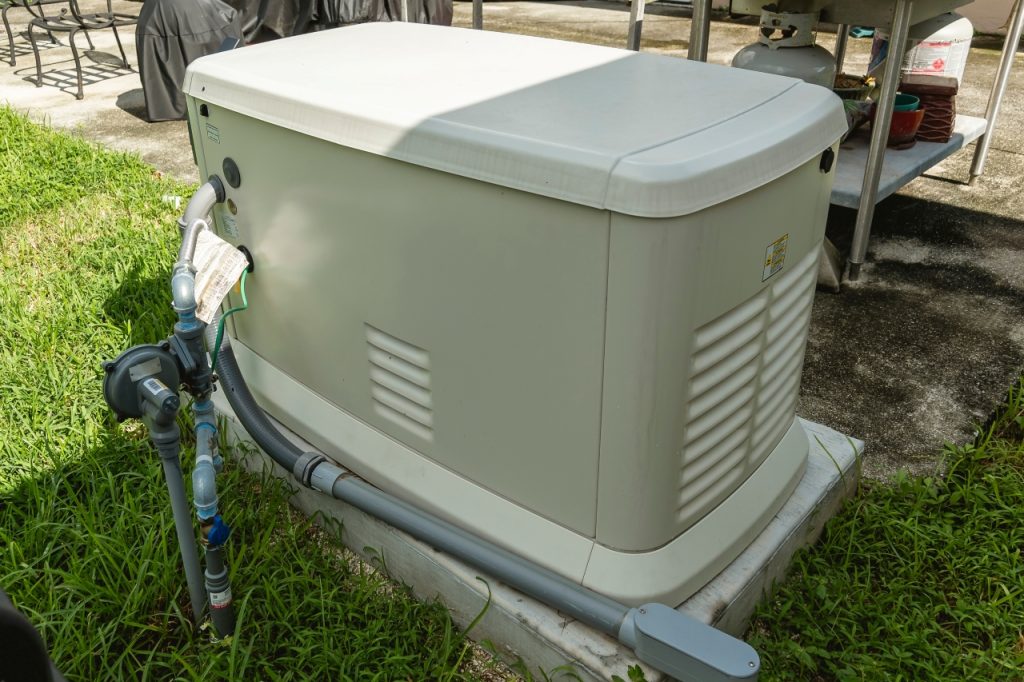
For Macomb-area property owners, this process is especially useful because backup systems differ widely. A portable generator connected for limited loads has different considerations than an installed standby unit with automatic transfer equipment. The right repair path depends on the generator type, fuel source, age, symptoms, and how the property expects to use backup power.
Repair, maintenance, and testing work together
Repair solves a known fault, while routine care and operational testing help reveal developing problems before a failure becomes urgent. These services are related but not interchangeable. If a generator has an active alarm, no-start condition, electrical output issue, or transfer concern, maintenance alone may not correct it; the fault should be evaluated directly.
Why scheduled upkeep can reduce surprise failures
Searching for Generator maintenance near me is a sensible step when the generator has not been exercised or inspected on a regular schedule. Routine attention can identify weak batteries, deteriorated connections, fluid concerns, fuel-related issues, and control irregularities before they affect readiness. Maintenance also gives owners a better opportunity to review operating instructions and make sure access around the equipment is clear.
Maintenance is particularly valuable after seasonal inactivity, a long period without an outage, or changes to the property’s electrical needs. It is not a promise that every component will remain trouble-free, but it can support earlier detection and informed planning. If inspection finds a condition that affects reliable operation, the next step may be targeted generator troubleshooting and repair rather than simply continuing the maintenance routine.
What load testing can reveal
Generator load testing evaluates how a generator performs when it is asked to support electrical demand, not merely when the engine is idling. Testing can help identify voltage or frequency instability, inadequate output, overheating concerns, shutdown behavior, or problems that appear only as demand increases. The appropriate test method and load level depend on the equipment, installation, and intended use, so testing should be planned with safety and system limitations in mind.
Owners sometimes assume a successful start proves the entire backup system is ready. In reality, readiness also depends on the generator’s ability to operate steadily, the transfer arrangement, and the loads selected for backup. Testing provides useful decision support after a repair because it can help verify whether the issue appears resolved under conditions closer to actual use.
When a generator issue becomes urgent
Some generator failures deserve prompt attention because they affect safety, property protection, or a time-sensitive need for backup power. Do not continue operating equipment that shows signs of overheating, fuel leakage, burning odor, damaged wiring, repeated shutdowns, or unsafe exhaust conditions. Turn off the system when it can be done safely, follow the manufacturer’s instructions, and seek qualified assistance rather than bypassing alarms or protective devices.
Emergency generator services are most relevant when a generator problem occurs during an outage, before a forecasted event, or when a property depends on backup power for critical functions. When contacting a provider, share the generator make and model if available, the fuel type, the exact symptom, any alarm message, and whether power is currently out. Clear details can help frame the situation and avoid losing time to vague descriptions such as “it does not work.”
For a suspected electrical hazard, avoid touching damaged conductors, opening energized equipment, or attempting to force an automatic transfer switch. Carbon monoxide risk also requires careful placement and ventilation for portable units; never run a portable generator indoors, in a garage, or near openings where exhaust can enter a building. Safe operation and safe diagnosis are as important as restoring power.
How to choose the right next step for your system
The best next step depends on whether the concern is a current failure, uncertain readiness, or a change in backup-power needs. A repair evaluation fits clear symptoms such as no-starts, alarms, poor output, or transfer failure. Preventive upkeep fits a unit that is working but has not been checked recently, while load testing can be useful when you need confidence that performance holds up under expected demand.
- Describe whether the generator is portable, standby, or part of a larger backup-power arrangement.
- Record any controller message, indicator light, unusual sound, odor, smoke, or shutdown timing.
- Note what the generator is expected to power and whether the issue occurs only when loads are connected.
- Ask what inspection steps are appropriate, what the identified problem means, and what testing may be useful afterward.
- Keep manufacturer documentation and prior service information available when possible.
Executive Electric can be a relevant contact for customers considering generator repair services Macomb, MI and seeking a straightforward discussion of a generator concern. The company’s listed address is 20504 Hall Rd, Clinton Township, Michigan 48038, rather than Macomb itself, so the location information remains clear while you consider your service needs. Contacting the company with accurate system details is a practical way to start the conversation.
Frequently asked questions
What is the difference between generator repair and routine maintenance?
Generator repair addresses an identified malfunction, such as a no-start condition, alarm, poor output, or transfer problem. Routine maintenance focuses on inspection and preventive care. Maintenance may uncover a fault, but a confirmed defect generally needs diagnosis and repair before the generator can be considered ready.
Can a generator be working if it starts but does not power the building?
Yes. Starting the engine only confirms one part of the system is operating. The concern may involve electrical output, selected circuits, breaker settings, wiring, or automatic transfer equipment. Testing the full backup-power sequence is important when the generator is intended to support a building.
When should I request service for a generator that has not been used recently?
Request service before you need the generator, especially if it has been inactive for a long period, has an aging battery, shows an alert, or has not been checked under expected demand. A proactive inspection gives you time to address concerns without the pressure of an active outage.
Is Executive Electric located in Macomb, MI?
Executive Electric’s supplied location is 20504 Hall Rd, Clinton Township, MI 48038. Customers looking for generator repair services in Macomb, Michigan can contact Executive Electric to discuss their generator issue, system type, and the most appropriate next step.
Do not leave backup-power reliability to assumption. If your generator has a warning, operating change, no-start issue, or uncertain performance, contact Executive Electric to discuss generator repair services and your specific needs. Reach out through the contact page or use the listed Clinton Township location at 20504 Hall Rd, Clinton Township, MI 48038 as your reference when planning next steps.