Home Generator Installation Lake Orion, MI
When an outage interrupts heat, refrigeration, sump-pump operation, internet access, or medical equipment, a properly planned generator can keep essential parts of a household operating. Executive Electric provides a clear starting point for homeowners researching Home Generator Installation in Lake Orion, MI, with practical attention to electrical capacity, transfer equipment, fuel planning, and the circuits that matter most. The company is located at 20504 Hall Rd, Clinton Township, MI 48038.
A permanently installed generator is not simply a portable unit connected after the lights go out. It is an integrated backup-power system designed to sense a utility interruption, transfer the home or selected circuits to generator power, and return to normal utility service when power is restored. Careful planning before installation helps Michigan homeowners choose a system that fits their household priorities instead of paying for capacity they may not need.
Make an outage plan before choosing generator capacity
The right generator decision begins with identifying what must stay powered, not with selecting the largest available unit. Some Lake Orion households want whole-home coverage, while others want dependable operation for a furnace, refrigerator, well or sump equipment, lighting, selected outlets, and communications. Executive Electric can be a relevant contact when you want to discuss the electrical side of that decision and plan a safer, permanent backup arrangement.
Choose essential circuits or broader household coverage
Whole house generator installation is intended for homeowners who want a system sized and configured to support most or all normal household loads during an outage. That approach can offer a more seamless experience, but it requires a realistic load evaluation because heating and cooling equipment, electric cooking, water heating, and other large appliances can substantially affect sizing. A whole-home plan should account for both steady running demand and the higher starting demand of certain motors.
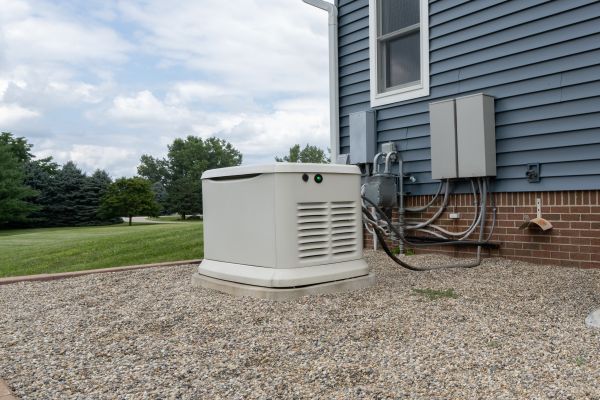
Standby generator installation generally refers to a permanently placed system connected to the home’s electrical service through approved transfer equipment. Unlike a portable generator that must be positioned and connected after an outage begins, a standby system is designed for automatic operation when utility power fails. Placement, electrical interconnection, fuel source, local requirements, and access for future service are all important parts of the planning conversation.
A Home standby generator can be especially useful when someone cannot be at home to start a portable unit, when outages happen at inconvenient times, or when uninterrupted protection for selected equipment is important. Automatic transfer equipment separates generator power from the utility supply, which is a critical safety function. The goal is not to run every item without limits, but to create a dependable plan around the loads your household considers essential.
Build the system around real household needs
Before requesting an estimate or consultation, make a simple priority list. Include equipment that protects the home, supports health or safety, preserves food, enables communication, or makes an extended outage manageable. Also note whether major electric loads, such as air conditioning, an electric range, an electric dryer, or a hot tub, need to operate at the same time.
- Critical loads may include heating equipment, refrigeration, sump pumps, lighting, garage access, and internet equipment.
- Comfort loads can include selected bedroom circuits, television, kitchen outlets, and cooling equipment.
- High-demand loads often need special attention because simultaneous operation can change the recommended system size.
- Fuel availability and expected outage duration influence whether a proposed setup is practical.
Good Backup generator installation starts with matching the generator, transfer method, and electrical panel strategy to those priorities. In some homes, a managed-load approach can allow important equipment to operate without attempting to power every high-demand appliance at once. That tradeoff can be more sensible than oversizing a system based on occasional, nonessential use.
What a professionally planned installation involves
Home generator projects typically move from assessment to design, installation, testing, and homeowner orientation. The exact scope varies with the existing electrical service, chosen generator, fuel arrangement, site conditions, and applicable permits or inspections. Asking for each stage to be explained helps homeowners compare proposals on scope and safety rather than on generator size alone.
- Discuss outage priorities: Identify the appliances, circuits, and systems you want available during a loss of utility power.
- Review the electrical setup: The service equipment, panel space, load demands, and transfer-switch approach inform the design.
- Plan placement and fuel: Generator location must work with installation requirements, utility considerations, ventilation, and access.
- Install and connect: The generator, transfer equipment, wiring, and related components are installed as the approved plan requires.
- Test and explain operation: The system should be tested so the homeowner understands normal operation, alerts, and maintenance responsibilities.
Fuel and transfer equipment are central, not add-ons
Natural gas generator installation may appeal to homeowners who have a suitable natural gas supply and prefer not to manage gasoline storage during a prolonged outage. Fuel supply must be evaluated for the generator’s demand and for other gas appliances that may operate at the same time. Propane can be another option in appropriate situations, so the best choice depends on the property and the planned loads rather than a one-size-fits-all rule.
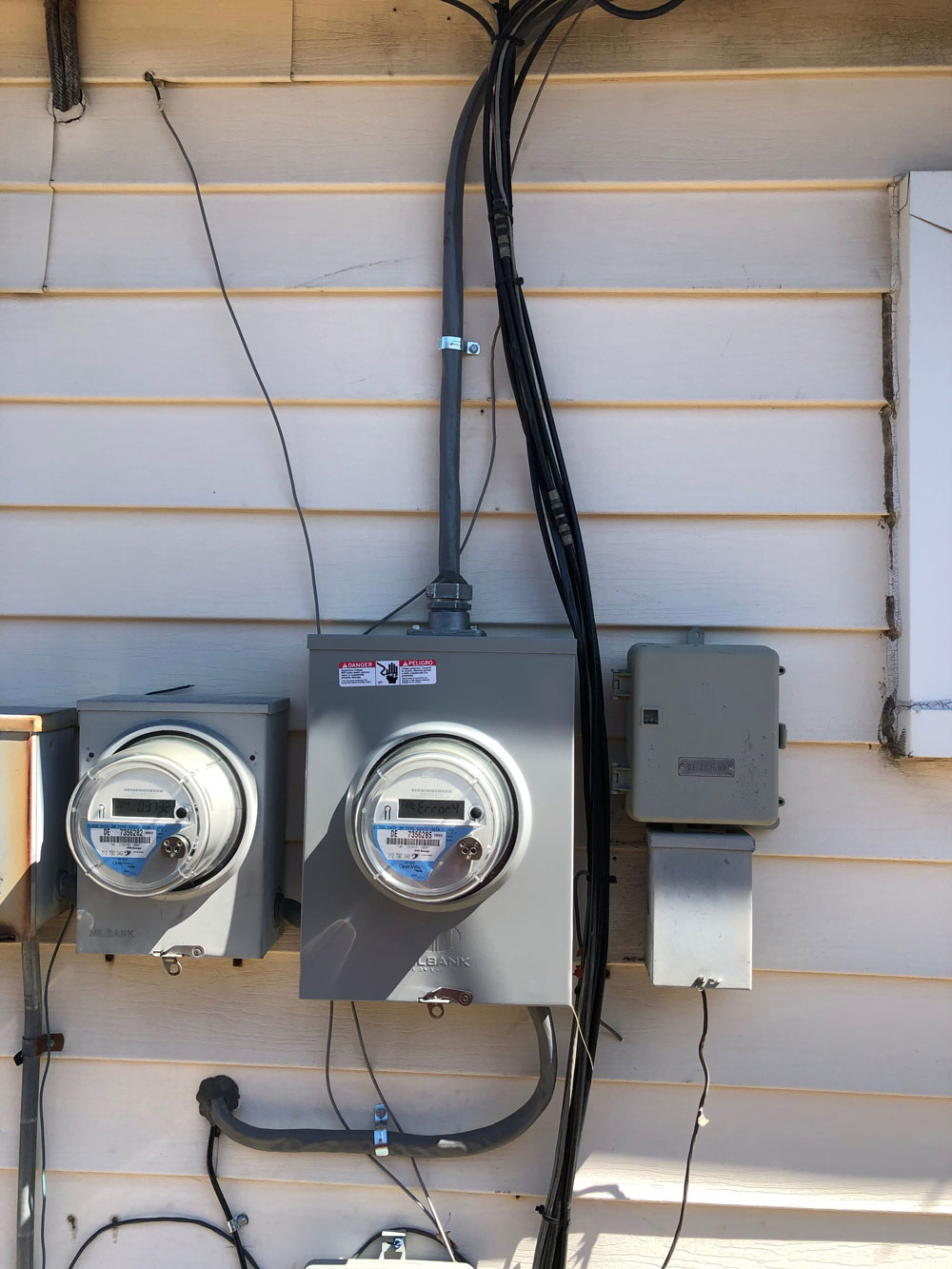
Transfer equipment is what makes a permanent backup system different from an unsafe improvised connection. It routes power from either the utility or generator to the home while preventing generator electricity from feeding back onto utility lines. Homeowners should ask which circuits or loads the transfer setup will serve, whether the system is automatic, and how load management will work during an outage.
Residential generator services encompass more than placing a generator beside the home. A complete conversation can include load planning, electrical connection, transfer equipment, testing, operation guidance, and the owner’s ongoing maintenance plan. Looking at the project as a system helps avoid the common mistake of focusing only on the generator’s nameplate output.
Compare your backup-power options honestly
Permanent standby power is a strong fit for homeowners who need automatic response, expect to be away during outages, or want broader coverage than a portable unit can provide. A portable generator may cost less initially and can serve limited loads, but it requires manual setup, proper outdoor placement, safe connections, and fuel management. Battery systems can provide quiet backup for selected loads, yet their duration and ability to support large heating or motor loads depend on battery capacity and system design.
Home electrical backup solutions should be selected according to the problem you are trying to solve, whether that is keeping a basement dry, maintaining heat, protecting food, or preserving day-to-day household function. A permanent generator is often about resilience and convenience, while a smaller solution may be appropriate for short interruptions or a narrow group of circuits. Discussing priorities openly gives the electrical design a useful foundation.
Power outage backup solutions also require an honest look at what cannot be guaranteed by equipment alone. A generator needs appropriate fuel, periodic maintenance, and a design that respects its operating limits. Homeowners should keep safety items, batteries, communication plans, and an understanding of household load priorities even after a standby system is installed.
Questions worth bringing to your consultation
Comparing generator proposals is easier when each provider addresses the same practical questions. Ask how the recommended capacity was determined, which loads are included, what transfer equipment is proposed, and what site or fuel work may be required. You can also ask who is responsible for permits and inspections where applicable, how testing is handled, and what routine maintenance the equipment manufacturer recommends.
- Will the proposed system support the specific circuits and appliances on my priority list?
- How will motor starting loads and high-demand appliances be managed?
- What happens if several major appliances call for power at the same time?
- What owner checks, exercises, or maintenance steps should I expect after installation?
For homeowners considering Home Generator Installation Lake Orion, MI, the most useful next step is a focused discussion of the home’s electrical needs and outage goals. Executive Electric’s Clinton Township, Michigan location at 20504 Hall Rd, Clinton Township, MI 48038 provides a defined business contact point without suggesting that the company has an office in Lake Orion. Clear project details make it easier to decide whether a whole-home system, essential-circuit setup, or another backup strategy is appropriate.
Frequently asked questions about generator planning
How does a home generator know when to start?
An automatic standby system monitors utility power through its transfer equipment. When the system detects a qualifying outage, it signals the generator to start, allows it to stabilize, and transfers the selected home loads to generator power. When utility service returns and is stable, the equipment transfers loads back and the generator shuts down after its programmed cooldown period.
Do I need a generator large enough to run my entire house?
No. Many households choose essential-circuit coverage for heating equipment, refrigeration, pumps, lights, and communications. Whole-home coverage can be appropriate when broader normal operation is important, but proper sizing depends on actual electrical loads, appliance starting demand, fuel supply, and the transfer or load-management design.
Can a standby generator run safely with utility power off?
Yes, when it is installed with the correct transfer equipment and electrical connections. The transfer mechanism isolates generator power from the utility supply, which helps prevent backfeed. A permanent system should be planned and installed professionally rather than connected to household wiring through an improvised method.
Where is Executive Electric located for customers researching service near Lake Orion?
Executive Electric is located at 20504 Hall Rd, Clinton Township, MI 48038. The company can be contacted to discuss Home Generator Installation needs in the Lake Orion area, including household priorities, electrical considerations, and the questions to resolve before selecting a backup-power system.
Start with a practical backup-power conversation
A generator is most valuable when its capacity, fuel source, transfer equipment, and protected loads have been planned as one system. Whether you are preparing for seasonal storms, protecting a sump pump, maintaining heat, or reducing disruption during a longer outage, a detailed electrical review can bring the decision into focus. Executive Electric can help you begin the conversation from its Clinton Township, Michigan location.
Ready to discuss a generator plan for your home? Contact Executive Electric to share your Lake Orion, MI backup-power goals and ask about the next steps for a thoughtfully planned installation.