Home EV charger installation Lake Orion, MI
Driving electric is simpler when charging fits the rhythm of your household. Executive Electric helps homeowners researching Home EV charger installation in Lake Orion, MI understand the electrical work behind dependable at-home charging, from evaluating available power to selecting an appropriate charging setup. Executive Electric is located at 20504 Hall Rd, Clinton Township, MI 48038, and serves customers seeking clear, professional guidance in the surrounding Michigan region.
A properly planned home charging setup can reduce dependence on public stations and make overnight charging more practical. The right solution depends on your vehicle, electrical panel capacity, parking arrangement, desired charging speed, and whether you need a hardwired unit or a receptacle. Rather than treating every garage or driveway the same, a careful electrical evaluation helps identify the installation path that makes sense for your property.
Make home charging fit your vehicle and electrical system
Most homeowners choose a dedicated charging circuit because electric vehicles draw substantial power for extended periods. A dedicated circuit, correctly sized wiring, proper overcurrent protection, and equipment installed in a suitable location all matter for safe, consistent operation. An electrician can review these details before installation so the charging equipment is matched to the home instead of chosen on assumptions.
Start with the charging routine you actually need
Your daily mileage and the hours your vehicle is parked are useful starting points. A household that drives modestly and parks overnight may have different needs than a family with two EVs, a long commute, or limited time between trips. Faster charging is often convenient, but the most appropriate setup is the one that supplies enough energy within your normal parking window while working with the home’s electrical capacity.
- Where the vehicle usually parks, including garage, carport, or driveway access
- Whether the charger will be hardwired or connected to a compatible receptacle
- The vehicle’s charging capability and the charger manufacturer’s requirements
- Electrical panel capacity, existing loads, and the route for new wiring
- Outdoor exposure, cable management, mounting location, and future vehicle plans
For homeowners who want an overview of the service before choosing equipment, Home EV charger installation involves more than mounting a charging device on a wall. The electrical circuit, panel evaluation, wire path, protective devices, and final equipment connection should be considered together. This approach helps create a charging arrangement that is practical for daily use and easier to understand before work begins.
Residential charging should be tailored, not improvised
Residential EV charger installation is a home electrical project that should account for the property’s existing system as well as how the household plans to charge. An electrician may need to assess the main service, panel space, circuit loading, and the distance between the panel and parking location. Planning these elements first can help avoid choosing equipment that does not align with the available electrical infrastructure.
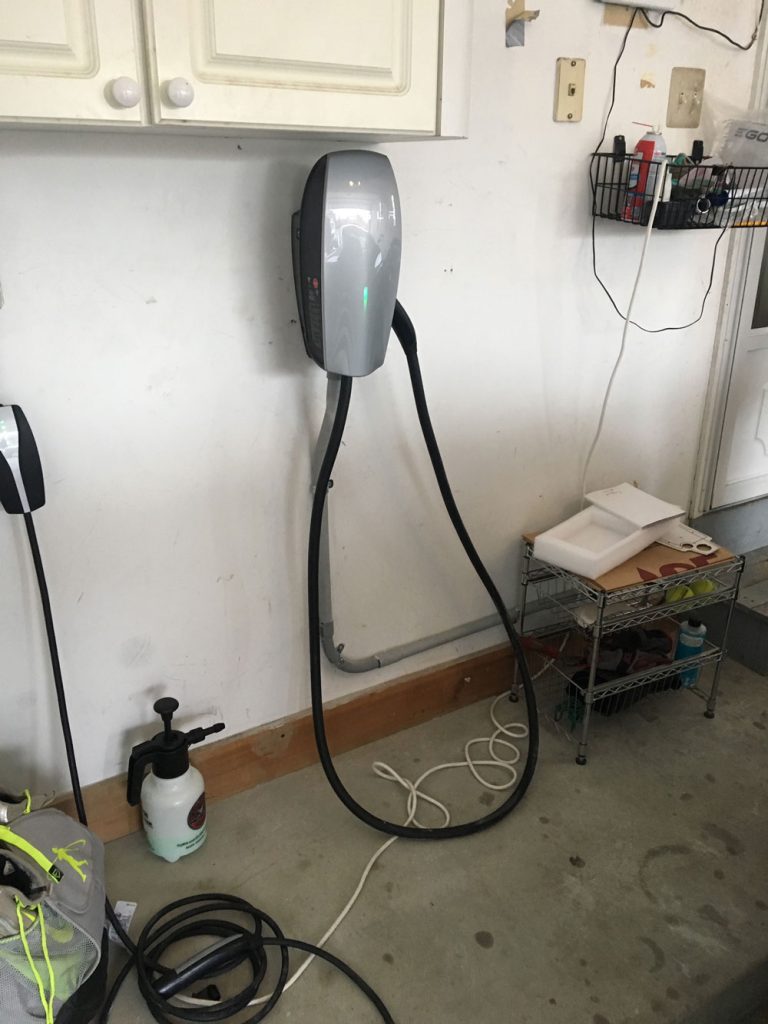
A Home charging station gives an EV a predictable place to recharge where it is normally parked. Depending on the equipment, it may be wall-mounted and hardwired or connected through an appropriate receptacle, with placement chosen to keep the cable usable without creating unnecessary strain or obstruction. A well-considered location supports everyday convenience while respecting the charger manufacturer’s clearance and mounting guidance.
Understand Level 1, Level 2, and outlet-based charging choices
Charging options are not interchangeable. A standard household outlet may be useful in limited circumstances, while a Level 2 setup is commonly selected by homeowners who want more charging capability during an overnight stay. The best choice is based on vehicle requirements, driving habits, available electrical capacity, and the condition of the intended installation area.
Why many homeowners consider Level 2 charging
Level 2 EV charger installation generally uses a 240-volt circuit to provide more charging power than a typical 120-volt household outlet. This can be a sensible option for drivers who want to replenish a larger portion of the battery while the vehicle is parked at home. The circuit rating and charger settings should be coordinated correctly, since the vehicle, charging equipment, wiring, breaker, and panel all play a role in the completed system.
A 240V EV charger installation requires more than simply finding an unused outlet location. The electrical work may include running a new dedicated branch circuit, selecting conductor sizes appropriate to the design, installing the correct breaker, and determining whether a hardwired charger or receptacle is the better fit. An assessment also helps determine whether the existing service and panel can accommodate the added load or whether another solution should be considered first.
An EV charging outlet installation can be appropriate when the selected charging equipment is designed for plug-in use and the outlet is configured for that equipment’s requirements. The receptacle type, circuit rating, installation quality, and ongoing load matter because EV charging can place sustained demand on the connection. Some owners prefer hardwiring to eliminate a plug-and-receptacle connection, while others value the flexibility of a compatible outlet, so it is worth discussing both approaches before purchasing equipment.
Tesla charger installation can involve a Tesla Wall Connector or another compatible charging approach, depending on the vehicle and owner’s preferences. The electrical planning is still fundamentally about the home’s circuit, load capacity, equipment instructions, and the location where the vehicle will charge. Owners considering future vehicle changes may also want to discuss connector compatibility and whether a setup will remain convenient if the household later adds another EV.
Hardwired charger or receptacle: a practical comparison
Hardwired equipment is permanently connected to its dedicated circuit, which can provide a clean installation and may suit a fixed charging location. A receptacle-based arrangement can allow compatible plug-in equipment to be changed later, but it must be designed for sustained charging use and installed correctly. Neither option is automatically right for every Lake Orion household, so the charger specifications and your plans for the property should guide the decision.
- Hardwired charging: Often selected for a permanent wall-mounted unit and a streamlined connection.
- Receptacle-based charging: May suit compatible portable or plug-in equipment when the correct outlet and circuit are installed.
- Standard 120-volt charging: Can work for lower daily energy needs, though it generally replenishes energy more slowly.
- Level 2 charging: Often considered when overnight charging speed and routine convenience are priorities.
What to expect from the installation planning process
A home EV charging project should begin with the electrical conditions at the property, not a one-size-fits-all equipment recommendation. Executive Electric can be contacted to discuss the intended charger, parking location, and the questions that affect the scope of work. Sharing the charger model if you have selected one, or explaining your charging goals if you have not, gives the conversation a useful starting point.
- Discuss the vehicle and charging goals. Identify the vehicle, anticipated daily use, preferred charging times, and whether more than one EV may be added later.
- Review the proposed location. Consider the parking position, charger mounting area, cable reach, indoor or outdoor conditions, and path from the electrical panel.
- Evaluate electrical capacity. Determine what the existing panel and service can support and whether a dedicated circuit or additional electrical work may be needed.
- Select the installation approach. Confirm whether hardwired equipment or a compatible charging outlet fits the charger and homeowner’s goals.
- Complete the work and use the equipment as intended. Follow the charger’s operating instructions and keep the cable and connection area in good condition.
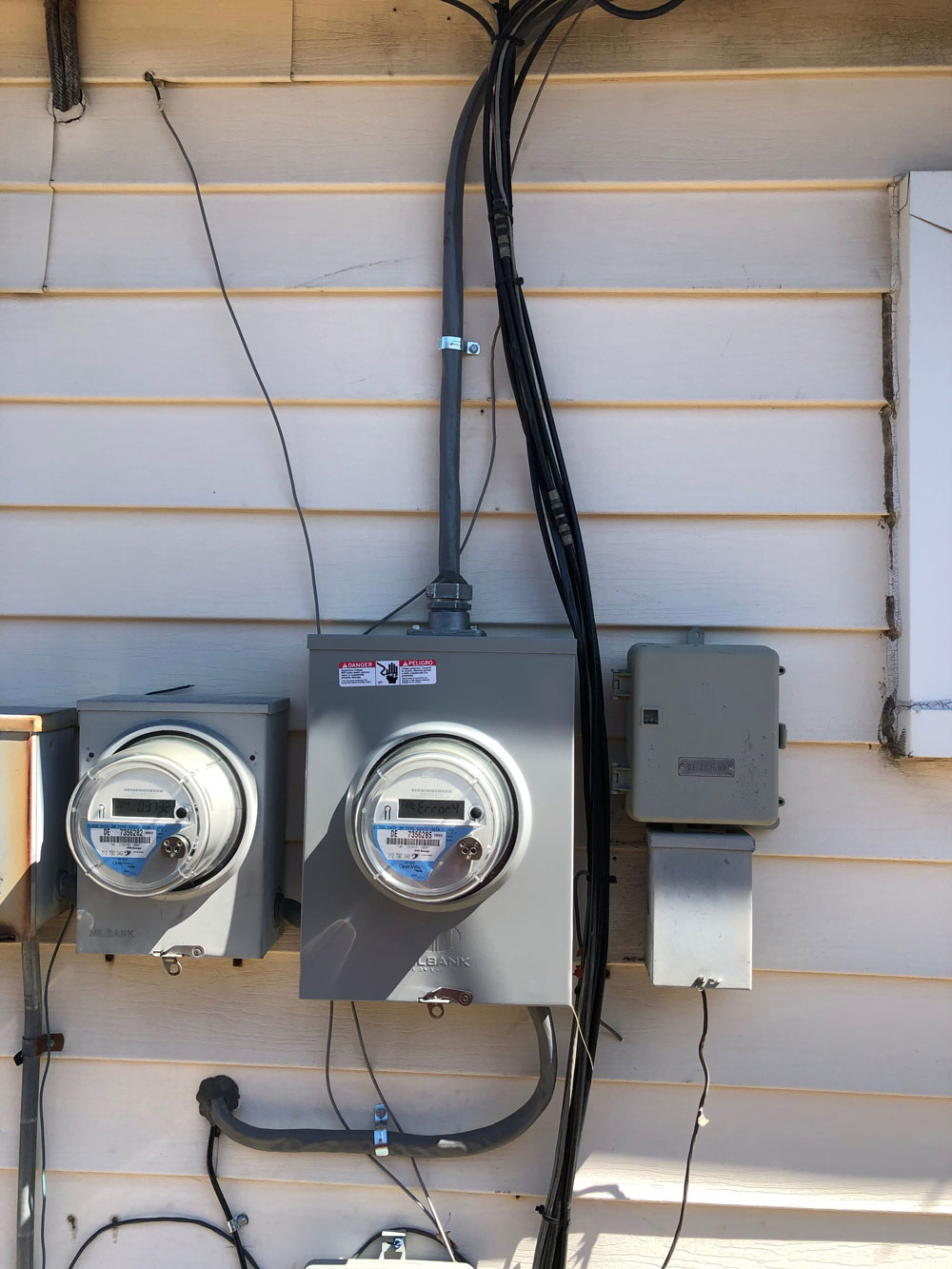
Electrical-panel capacity is one of the most important considerations because an EV charger is an added load, not just another occasional-use appliance. Homes with electric heating, air conditioning, hot tubs, workshops, or other high-demand equipment may need a closer review of how loads are managed. Asking about this before purchasing a high-output charger can make the project more straightforward and prevent mismatched expectations.
Permitting and inspection requirements can vary by jurisdiction and project scope in Michigan. Homeowners should ask how local requirements relate to the planned electrical work rather than assuming every installation follows the same path. It is also useful to keep charger documentation available, since manufacturer instructions can affect circuit sizing, mounting, and connection decisions.
Questions to weigh before choosing an installer
The most useful provider conversation is specific to your home and equipment. A homeowner should be able to explain where the vehicle parks, what charger is being considered, and what type of electrical service or panel is currently present if known. In return, the installation discussion should address the dedicated circuit, equipment compatibility, likely wire route, panel considerations, and any issues that could affect the scope.
- Will the charger be installed indoors, outdoors, or in a covered parking area?
- Does the chosen charger call for hardwiring or a particular receptacle configuration?
- What circuit and panel considerations apply to the desired charging level?
- How will the cable reach the vehicle without becoming a trip hazard or being damaged?
- Are there future plans for a second EV, a different charger, or a garage renovation?
Executive Electric is relevant to Lake Orion, MI homeowners who want to move from general charger research to an informed electrical conversation. The company location at 20504 Hall Rd, Clinton Township, MI 48038 provides a clear point of contact for customers in the region, without suggesting that Executive Electric has a physical office in Lake Orion. Contacting Executive Electric early can help you clarify the questions to resolve before committing to a charger model or installation approach.
Common questions about charging an EV at home
Do I need a Level 2 charger for my electric vehicle?
Not always. A Level 2 charger is often a practical choice when you want faster home charging during an overnight parking period, but a standard outlet may meet lower daily driving needs. The right option depends on your vehicle, charging schedule, electrical capacity, and desired convenience.
Can my existing electrical panel support an EV charger?
That depends on the panel’s capacity, existing electrical loads, available space, and the charging circuit being proposed. An electrical assessment is the appropriate way to determine whether a dedicated EV circuit can be added as planned or whether the home needs a different approach.
Should I buy the charger before contacting an electrician?
You can, but discussing your plans first can be helpful. Charger models vary in amperage, hardwired versus plug-in requirements, connector type, and installation instructions. Confirming the electrical considerations before purchase can help you select equipment that fits your home’s conditions and your charging routine.
Is an outdoor EV charger possible?
Outdoor charging equipment can be considered when the charger and installation are appropriate for the environment and located to protect the connection and cable from avoidable damage. Placement, weather exposure, mounting surface, electrical routing, and the manufacturer’s instructions all need to be part of the installation plan.
Take the next step toward convenient home charging
Home charging can make electric vehicle ownership easier when the equipment and electrical system are planned as one project. Whether you are comparing a basic charging outlet with a 240-volt unit, preparing for a Tesla, or evaluating a dedicated circuit for another EV, Executive Electric can be your starting point for a focused conversation about your Lake Orion, Michigan home.
Ready to discuss your charging setup? Contact Executive Electric to talk through your Home EV charger installation goals. Executive Electric is located at 20504 Hall Rd, Clinton Township, MI 48038 and can help you begin with the practical electrical questions that matter for your Michigan property.