EV Charger Installation Lake Orion, MI
Charging at home can make owning an electric vehicle simpler: plug in where you park, wake up with a useful range, and spend less time planning public charging stops. Executive Electric provides a practical starting point for homeowners and property decision-makers seeking EV Charger Installation for Lake Orion, MI. The company is located at 20504 Hall Rd, Clinton Township, MI 48038, and customers can contact Executive Electric to discuss their project needs.
A properly planned charging setup is more than mounting a device on a garage wall. It involves selecting a charging level that fits the vehicle and driving routine, confirming electrical capacity, planning a safe circuit route, and determining where the connector will be most convenient every day. Those details help turn a new EV into an easier part of a Michigan household routine.
Whether you have just ordered an EV, are replacing a basic outlet with dedicated equipment, or are evaluating charging for a small commercial property, the right conversation begins with your actual parking and electrical conditions. Executive Electric can be a relevant contact for Lake Orion customers who want clear information before deciding how to move forward.
Start with the charging setup that fits your routine
The best home charger is the one that delivers enough energy during your normal parking time without creating unnecessary electrical work or inconvenience. Many drivers charge overnight, while others need faster replenishment between longer daily trips. Vehicle capability, panel capacity, cable routing, parking position, and future vehicle plans all affect the appropriate design.
Level 1, Level 2, and practical charging expectations
Level 1 charging generally uses a standard household outlet and can suit limited daily driving when the vehicle has long periods to charge. Level 2 charging uses a dedicated higher-voltage circuit and is commonly selected for faster home replenishment. A professional assessment helps distinguish between what is merely possible and what will be genuinely useful for the way a household drives.
- Level 1 charging: A lower-speed option that may work for modest daily mileage and long parking windows.
- Level 2 charging: A dedicated circuit and EV supply equipment option designed for substantially faster charging than a typical household outlet.
- Future-ready planning: Considering a second EV, a longer commute, or a panel upgrade can help avoid reworking the installation later.
Charging speed is not determined by the wall unit alone. The vehicle’s onboard charging capability, the equipment rating, and the electrical circuit all play a role. Asking for a recommendation based on real usage, rather than choosing only by the highest advertised number, can lead to a more sensible investment.
Electrical capacity and placement deserve attention first
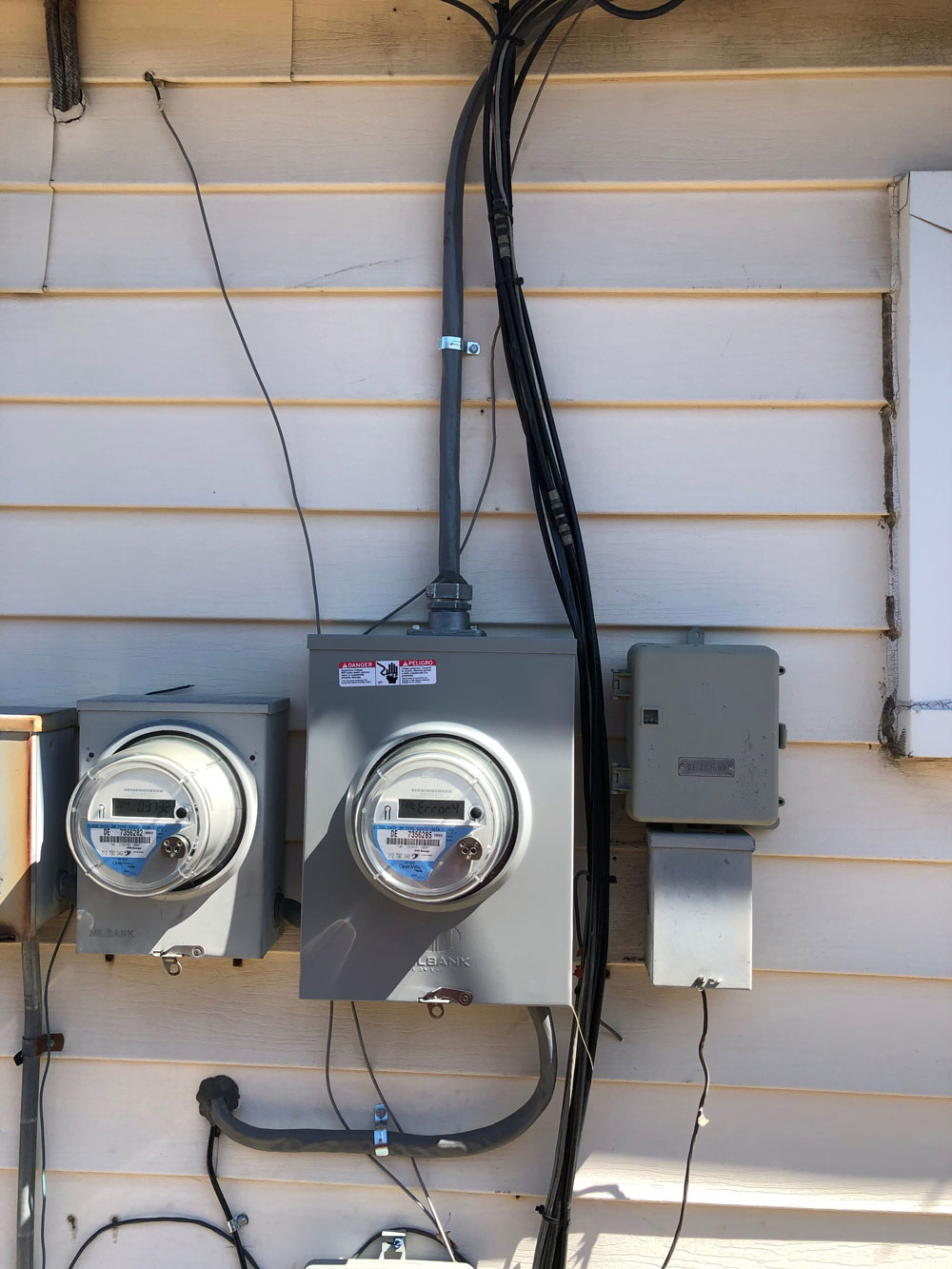
Before installation, the electrical system should be evaluated for available capacity and the likely load created by charging. An electric panel may have room for a new dedicated circuit, or the project may require further electrical planning before equipment can be added. This is a safety and usability issue, not simply an equipment-shopping decision.
Placement also shapes everyday convenience. A charger should be located so the cable can reach the vehicle’s charging port without stretching across a walkway, driveway, or garage opening. Indoor versus outdoor mounting, weather exposure, cord management, and the path from panel to charger can all affect the final scope.
What a thoughtful installation process looks like
A well-organized EV charging project moves from assessment to equipment selection, installation, testing, and clear next steps for the owner. The exact work varies by property, but the objective remains consistent: provide a dedicated charging solution that fits the electrical system and intended use. Homeowners should expect project-specific questions before anyone can responsibly recommend a final configuration.
- Discuss the vehicle and charging goals. Consider daily miles, available charging time, whether another EV may be added, and the preferred parking space.
- Review the electrical setup. Identify the panel location, capacity considerations, possible circuit routing, and any access limitations.
- Choose charging equipment and placement. Compare hardwired and receptacle-based configurations where appropriate, along with indoor or outdoor mounting needs.
- Complete the electrical work. The installation may include a dedicated circuit, protective devices, conduit, mounting, and connection of the charging equipment.
- Test and review operation. Confirm that the equipment powers on and explain the basic use of the charger, including any app or scheduling features selected.
Permitting and inspection requirements can vary by jurisdiction and project scope. A homeowner should ask how local requirements will factor into the work rather than assume every charger project follows the same process. Clear communication about access, equipment ownership, and the desired installation location helps prevent avoidable changes after work begins.
Hardwired equipment versus a receptacle-based charger
Some EV owners prefer a hardwired charging unit because it creates a dedicated, fixed connection. Others may choose charger equipment that plugs into a correctly installed receptacle, which can offer flexibility if equipment is replaced or moved later. The appropriate choice depends on the charger instructions, circuit design, installation location, and the owner’s priorities.
Cost is another reason to compare options carefully. A shorter, accessible route from the panel may be less involved than a long run through finished spaces or to a detached parking area, but every property is different. Requesting a project-specific discussion is more useful than relying on a universal price estimate for electric vehicle charging equipment.
Charging options for homes, workplaces, and shared parking
Residential garages and driveways are common settings for EV equipment, but charging needs also arise at workplaces, rental properties, and small commercial locations. These projects may involve multiple users, access control, equipment placement, usage tracking, or plans for future expansion. The underlying electrical questions remain important, while the decision-making process can be more complex.
Electric car charger installation is often requested by new EV owners who want a dependable home charging routine instead of relying primarily on public stations. A dedicated setup can reduce the need to seek charging while out, especially when the vehicle is parked at home for extended periods. The useful first step is matching the charging equipment and circuit to the driver’s actual schedule, not just the vehicle model.
EV charging station installation can be appropriate for properties where a charger must serve employees, customers, tenants, or several household drivers. Shared-use projects benefit from early decisions about where vehicles will park, who can access the equipment, and whether future spaces may need charging. Addressing those considerations before electrical work starts can make the installation easier to manage as needs change.
EV charging point installation focuses on creating a practical place to connect the vehicle, not merely adding electrical hardware. The parking orientation, charge-port location on the vehicle, cable reach, and protection from damage all influence whether the charging point works smoothly in daily use. For outdoor locations, mounting position and exposure conditions are especially important planning topics.
A Professional EV charger installer can help a property owner work through circuit requirements, equipment instructions, and placement choices before the project is underway. This is important because EV charging is a sustained electrical load, and an improvised extension-cord approach is not a substitute for a properly designed dedicated charging arrangement. Professional planning also gives the owner a clearer basis for comparing alternatives and asking informed questions.
Smart EV charger installation may appeal to drivers who want scheduling, energy-use visibility, or app-based controls, depending on the charger model they choose. These features can help a driver set charging times around household routines or monitor charging status without walking to the garage. Smart functions do not eliminate the need for correct electrical design, so the equipment choice and installation plan should be considered together.
Why Lake Orion EV owners should plan before buying equipment
Buying a charger before checking the panel, parking layout, and cable route can create avoidable limitations. Some equipment may offer more charging capability than the existing electrical setup can support without additional work, while another model may already meet the household’s needs. A short planning conversation can clarify whether a basic solution, a higher-capacity circuit, or a staged approach makes the most sense.
- Where will the EV normally park, and where is its charging port located?
- How many miles does the vehicle typically need to recover between drives?
- Is the electrical panel accessible, and is a long circuit route likely?
- Will the charger be indoors, outdoors, or exposed to vehicle traffic or weather?
- Could the household add another electric vehicle in the next few years?
- Does the selected equipment have features, connector compatibility, and a rating appropriate for the intended installation?
For Lake Orion, MI homeowners, these questions help convert a broad interest in EV charging into a project with defined priorities. They are also useful for Michigan property managers and business owners comparing a single charging point with a more scalable layout. Executive Electric’s Clinton Township location provides a clear contact point for discussing the information relevant to a proposed installation.
When it is time to contact Executive Electric
Contact Executive Electric when you are ready to evaluate a dedicated circuit, confirm whether your desired charger placement is practical, or discuss electrical considerations before purchasing equipment. It is also sensible to reach out when a new EV is arriving soon, an existing outlet is not meeting charging needs, or a property is planning for multiple drivers. Bringing the vehicle details, charger model if selected, photos of the panel and parking area if available, and your preferred timeline can make the initial discussion more productive.
Executive Electric is located at 20504 Hall Rd, Clinton Township, Michigan 48038. The company does not need to be physically located in Lake Orion to be a useful electrical contact for customers seeking information about their EV charging project. A direct conversation allows the project scope, location, and next steps to be addressed based on the property rather than assumptions.
Questions Lake Orion drivers commonly ask
Do I need Level 2 charging for an electric vehicle?
Not always. Level 1 charging may work when daily mileage is low and the vehicle can remain plugged in for long periods. Level 2 charging is often preferred when a driver needs faster overnight replenishment, has a longer commute, or wants more flexibility for household schedules.
Can an EV charger be installed outside?
Outdoor installation may be possible when the charging equipment is intended for that environment and the electrical work, mounting location, and cable management are planned appropriately. The charger should be positioned for convenient vehicle access while considering weather exposure, physical protection, and the route for electrical wiring.
What should I have ready before requesting EV Charger Installation in Lake Orion, MI?
Share the EV make and model, desired charger model if known, normal parking location, panel location, and charging goals. Photos can be useful when available. These details help identify likely circuit-routing and capacity considerations before a site-specific recommendation is made.
Should I choose a hardwired charger or a plug-in model?
Either may be suitable depending on the equipment instructions, circuit design, location, and future flexibility needs. A hardwired unit provides a fixed connection, while a plug-in model may make equipment replacement easier. The receptacle, circuit, and charger must be properly matched for the selected approach.
Arrange your EV charging discussion
A charging setup should support your driving routine without adding uncertainty to your home or property electrical system. If you are considering EV Charger Installation for a Lake Orion property, contact Executive Electric to discuss your vehicle, preferred charger location, and electrical questions. Reach Executive Electric at 20504 Hall Rd, Clinton Township, MI 48038 through the contact page to begin planning a practical charging solution.