Home Generator Installation Harrison Township, MI
Home Generator Installation in Harrison Township, MI gives a household a planned way to keep selected or whole-home electrical systems running when utility power is interrupted. Rather than relying on extension cords, portable equipment, and last-minute fuel runs, a permanently installed generator can detect an outage, start automatically, and transfer power through properly designed equipment. Executive Electric is located at 20504 Hall Rd, Clinton Township, MI 48038, and provides a practical point of contact for homeowners considering a professionally planned backup-power project.
A generator is not one-size-fits-all. The right approach depends on the appliances and systems a family considers essential, the home’s electrical service, available fuel, local approval requirements, and the desired level of automatic operation. Thoughtful planning helps avoid a system that is too small for important loads or unnecessarily large for the intended use.
What a permanently installed generator does for your home
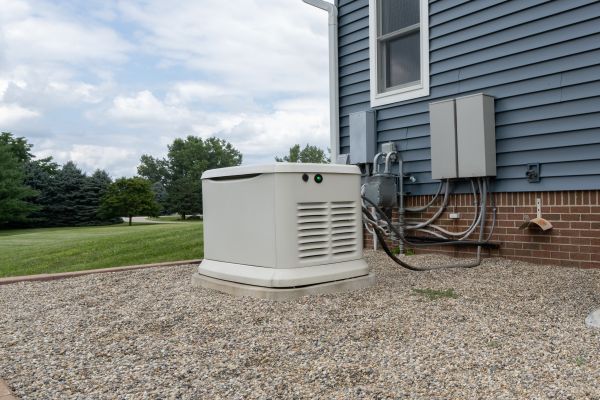
A home generator is a fixed backup power system connected to a transfer switch and a fuel source. When an outage occurs, the transfer equipment separates the home from utility power before generator power is supplied, an important safety function that prevents dangerous backfeeding. Depending on the design, the system can power a selected group of circuits or support a broader portion of the home.
- Maintain power for refrigeration, lighting, internet equipment, and receptacles used for essential devices.
- Support heating equipment, sump pumps, well pumps, or other priority loads when the system is sized and configured for them.
- Reduce disruption by starting automatically instead of requiring someone to set up a portable generator outdoors.
- Provide a more orderly outage plan for households that work from home, care for family members, or want to protect perishable food.
Automatic backup power is about preparation, not just convenience. It can be especially useful when an outage happens at night, during severe weather, or while no one is home. A qualified installation plan identifies what the generator should handle and sets realistic expectations for how the electrical system will operate during an interruption.
Whole-home coverage versus essential-load coverage
Whole house generator installation is intended for homeowners who want a generator sized and designed to support most or all normal household electrical demand during an outage. That goal requires careful load calculation because major equipment, such as air conditioning, electric heat, dryers, ranges, and pumps, can create substantial demand. In some homes, managing loads or prioritizing equipment is a sensible way to balance comfort, capacity, and project scope.
An essential-load system focuses generator capacity on selected circuits, such as refrigeration, furnace controls, a sump pump, key lighting, and communications equipment. This option can be appropriate when a household wants dependable coverage for core needs without powering every high-demand appliance. The best choice is based on the systems that matter most during an outage, not simply on the physical size of the house.
How Home Generator Installation is planned
Home Generator Installation begins with an assessment of the home’s electrical needs and site conditions, followed by equipment selection, placement planning, and connection design. For a Harrison Township, MI homeowner, the process should account for the property layout, electrical panel arrangement, fuel availability, and applicable permitting or inspection requirements. A clear plan before work begins makes it easier to understand the expected scope and the role of each component.
- Discuss outage priorities. Identify the appliances, comfort systems, safety equipment, and work or medical-related devices that matter during a loss of power.
- Review electrical demand. Determine running loads and starting demands, especially for motors, pumps, and heating or cooling equipment.
- Choose a generator and transfer method. Select equipment capable of supporting the intended loads with an appropriate automatic transfer switch or load-management approach.
- Plan placement and connections. Consider generator location, clearances, exhaust, access for service, fuel piping or supply, and the route to the electrical equipment.
- Complete installation and startup steps. The completed system should be tested so the homeowner understands normal operation, transfer behavior, and routine maintenance needs.
Why the transfer switch and load calculation matter
Standby generator installation relies on a transfer switch to safely move the home between utility and generator power. The transfer switch is not an optional accessory, because it provides the controlled separation required when the generator operates. Load calculations also matter because the generator must handle the combined demand of the selected equipment, including the extra starting demand created by certain motors.
A design conversation should distinguish between what can run at the same time and what can be managed in sequence. For example, a household may decide that heating, refrigeration, lighting, and a sump pump are higher priorities than operating every convenience appliance concurrently. This decision supports a more useful and understandable backup-power design.
Fuel choice, placement, and ongoing readiness
Natural gas generator installation can be a practical option when an appropriate natural gas supply is available to the property. A continuous utility fuel connection can remove the need to store and refill gasoline, but fuel capacity, piping, site conditions, and coordination with applicable requirements still need review. Propane may be another option for some properties, with its own storage and supply considerations.
Generator placement deserves the same attention as electrical sizing. The unit needs a location that supports required clearances, ventilation, exhaust safety, access for maintenance, and a practical route for electrical and fuel connections. Homeowners should also ask how the proposed location will affect normal outdoor use, sound, drainage, and future service access.
Choosing the backup approach that fits your household
A Home standby generator is a permanently installed system designed to start automatically after it senses a utility outage. It differs from a portable generator, which typically requires manual setup, a temporary cord or inlet connection, and on-site refueling. For homeowners seeking unattended operation and a system integrated with the electrical panel, a standby unit is generally the more comprehensive option.
Portable generators can still be a reasonable alternative for limited, short-term needs, particularly when only a few appliances require power. However, portable equipment should never be operated indoors, in a garage, or near openings where exhaust can enter the home. A permanent system offers a different level of preparedness, but its value should be weighed against the household’s outage risks, budget, fuel options, and desired coverage.
When selected-circuit backup makes sense
Backup generator installation can be designed around essential circuits rather than full-home operation. This approach helps homeowners focus capacity on the loads that protect comfort, safety, and basic household function when utility service is unavailable. It is often useful to make a written priority list before discussing equipment, including whether heating, water management, refrigeration, communications, or specific outlets must remain active.
Home electrical backup solutions include more than the generator itself, because dependable operation depends on the transfer switch, panel connections, circuit selection, fuel arrangement, and testing plan. A well-considered system matches those components to the home rather than treating the generator as a standalone purchase. This integrated view helps clarify why equipment capacity alone does not define how well a backup system will serve the household.
Questions to settle before selecting a provider
Residential generator services should begin with a conversation about the home’s actual needs, not a generic equipment recommendation. Ask how loads will be evaluated, whether the proposal identifies the transfer equipment and circuits involved, how fuel considerations will be addressed, and what approvals may apply. These questions help a homeowner compare proposals based on scope and safety instead of comparing generator size alone.
Power outage backup solutions are most effective when the household has decided what “prepared” means before an emergency occurs. Some families prioritize preventing a flooded basement, while others need continuity for remote work, temperature control, food storage, or devices that require reliable electricity. A provider can better tailor the conversation when the homeowner can explain which interruptions would have the greatest impact.
- Which appliances, circuits, and comfort systems are essential during an outage?
- Will the design support automatic operation, selected circuits, or broader home coverage?
- What fuel source is available, and what site work may be needed for a safe connection?
- How will the generator, transfer switch, and electrical panel work together?
- What routine exercise, inspection, and maintenance does the selected equipment require?
Executive Electric can be relevant when you want to turn these questions into a defined electrical project rather than make a guess based on generator advertisements. Contacting the company gives you an opportunity to describe the home, your outage priorities, and the level of coverage you are considering. That initial conversation can help determine whether a permanently installed system is the right next step for your Michigan household.
Frequently asked questions
How does a home generator turn on during a power outage?
A standby system monitors incoming utility power. When an outage is detected, the generator starts and the transfer switch disconnects utility power before connecting the selected home loads to generator power. When utility service returns and stabilizes, the system transfers back and the generator shuts down after its programmed cool-down cycle.
How do I know what generator size my home needs?
Generator sizing should be based on the electrical loads you want available during an outage, including motor starting demands and whether large appliances will operate at the same time. A load review is more reliable than choosing a unit based only on square footage or a neighbor’s generator size.
Can a generator power every appliance in my home?
It can, if the generator, transfer equipment, fuel supply, and electrical design are sized for whole-home demand. Many homeowners instead choose essential-load coverage or load management to prioritize critical systems. The appropriate option depends on the home’s equipment and the level of outage coverage the household wants.
Is Executive Electric located in Harrison Township, MI?
Executive Electric is located at 20504 Hall Rd, Clinton Township, MI 48038. Homeowners seeking Home Generator Installation in Harrison Township, MI can contact Executive Electric to discuss their electrical backup goals, property considerations, and next steps for a professionally planned system.
Plan for the next outage before it becomes an emergency. If you are evaluating a generator for your Harrison Township home, contact Executive Electric to discuss your priorities and project considerations. Executive Electric is located at 20504 Hall Rd, Clinton Township, MI 48038, and can help you begin a clearer conversation about home backup power in Michigan.