Home EV charger installation Harrison Township, MI
Driving electric is more convenient when charging fits naturally into the rhythm of your household. Executive Electric provides information and a clear next step for homeowners considering Home EV charger installation in Harrison Township, MI, from evaluating the electrical system to choosing a practical charging location. The company is located at 20504 Hall Rd, Clinton Township, MI 48038, and homeowners can contact Executive Electric to discuss a residential charging project.
A properly planned home charging setup can replace frequent reliance on public stations with overnight charging where the vehicle is already parked. Whether you have purchased an EV, are waiting for delivery, or need a better solution than a basic portable cord, an electrical assessment helps determine the appropriate equipment, circuit, and installation approach for your Michigan home.
Make charging at home simpler and more dependable
Most EV owners choose a dedicated charger because it makes daily driving easier to manage. Instead of planning errands around a public charger, drivers can connect the vehicle after returning home and begin the next day with useful range. The right setup depends on the vehicle, charging habits, available electrical capacity, garage or driveway layout, and future plans for the home.
- Charge while the vehicle is parked overnight or between trips.
- Use a dedicated circuit sized for the selected charging equipment.
- Place equipment where the charging cable can reach without creating an avoidable trip hazard.
- Plan for a second EV, a future vehicle change, or an outdoor parking arrangement when appropriate.
Home EV charger installation is not simply a matter of mounting a device near a parking space. The charging equipment must be matched to the electrical service and installed in a location that supports safe, everyday use. A thoughtful design can reduce clutter, avoid unnecessary cable stretching, and give a homeowner a clearer understanding of what the system can support.
Residential charging begins with the electrical system
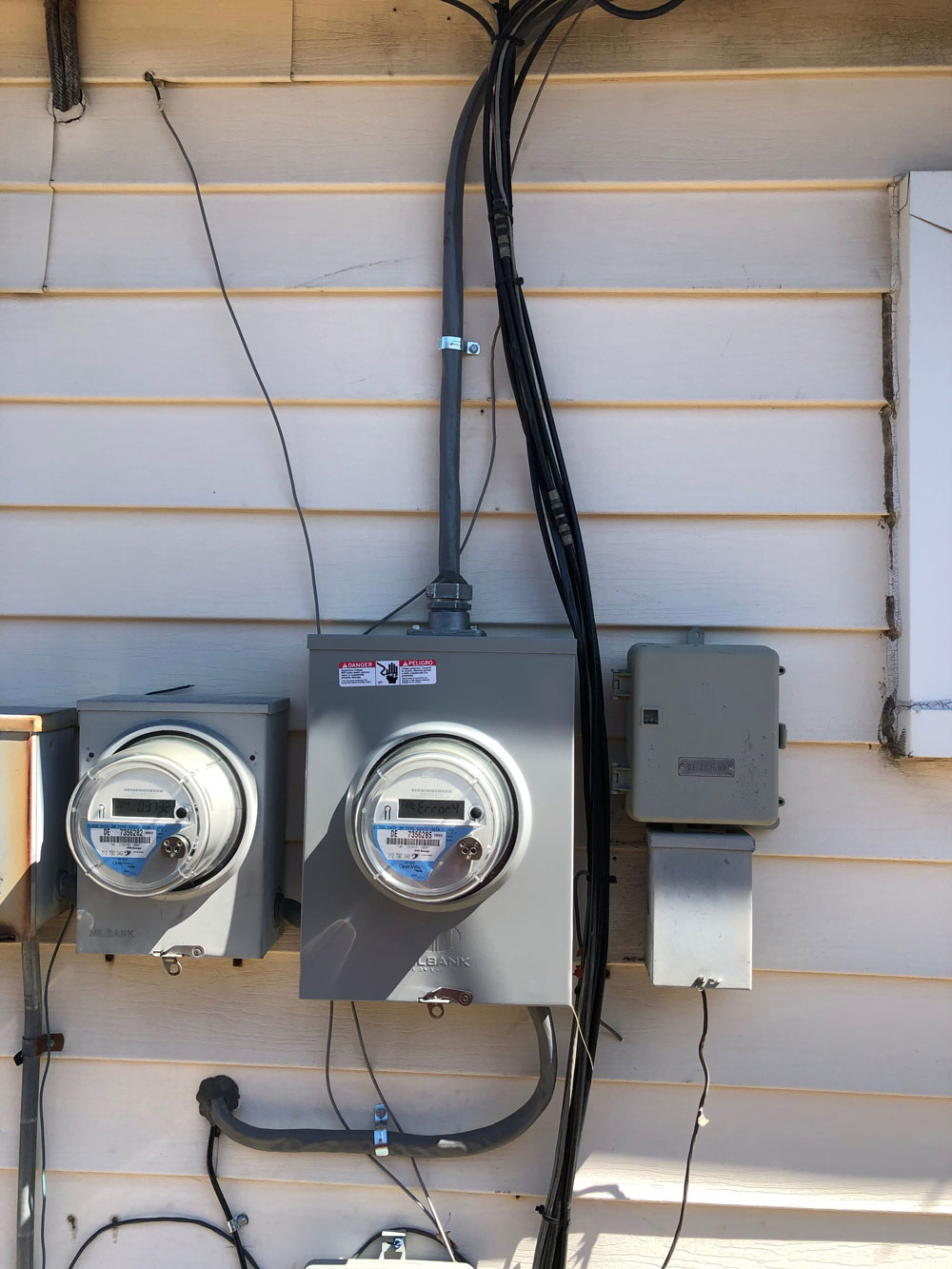
Residential EV charger installation starts with evaluating how a charger will connect to the home’s existing electrical infrastructure. A professional needs to consider the electrical panel, available capacity, circuit routing, the charger’s required load, and the location where the vehicle will park. That evaluation is especially valuable in an older Michigan home or in a home that already has several high-demand electrical appliances.
Electrical capacity is a key distinction because a large panel does not automatically mean ample available load for new equipment. Depending on the assessment, the project may involve a new dedicated circuit, a panel-related solution, or discussion of a charging option that better fits current conditions. Avoiding assumptions at this stage helps homeowners make an informed decision before equipment is purchased or installed.
Choose the right home charging station location
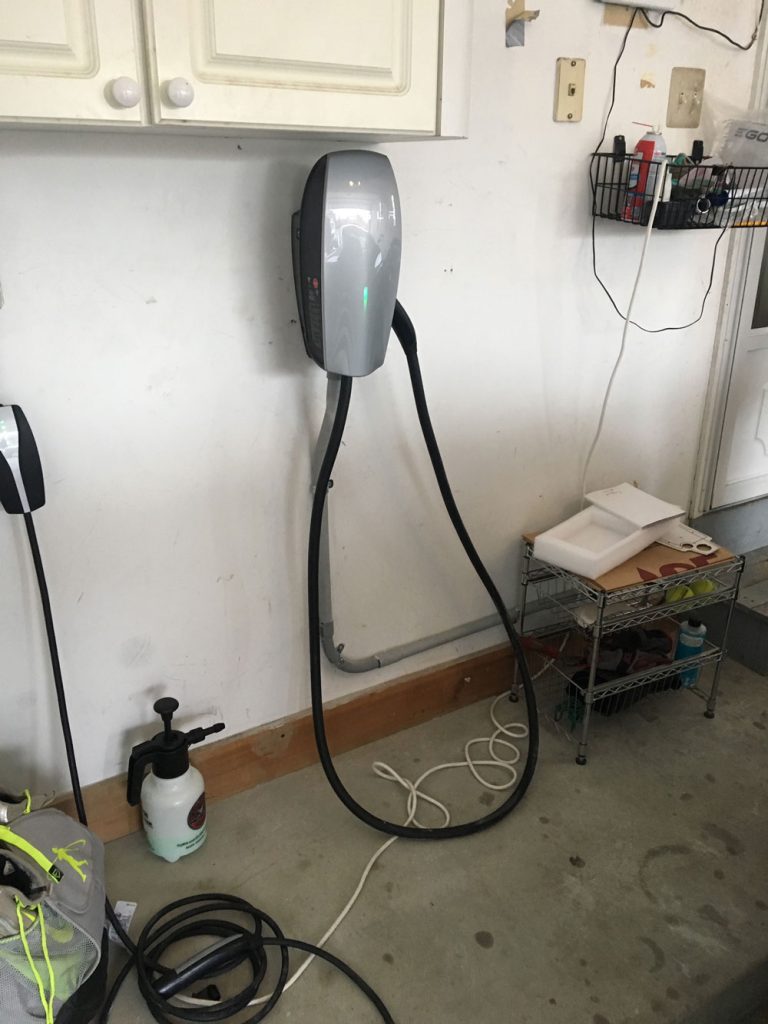
A Home charging station should be placed for routine convenience, not merely where there is an open wall. Garage installations often keep equipment sheltered and cables organized, while driveway or exterior installations may be appropriate when a vehicle parks outdoors. The parking position, cable length, weather exposure, mounting surface, and route from the electrical panel all influence the final plan.
It is helpful to park the EV in its normal position before discussing placement. Homeowners can identify which side of the vehicle has the charge port, where the cable will travel, and whether gates, doors, walkways, or storage areas affect access. A location that works well on day one should also remain workable if the household changes vehicles later.
Level 1, Level 2, and outlet-based charging options
Not every household needs the same charging speed or equipment. The portable cord supplied with many EVs can provide Level 1 charging from a standard receptacle, but it generally adds range more slowly and may not match a longer daily commute. A dedicated Level 2 solution uses 240-volt power and is commonly selected by owners who want more practical overnight replenishment.
Why many drivers consider Level 2 charging
Level 2 EV charger installation provides a dedicated higher-voltage charging option for homeowners who want to recover driving range faster than a typical standard outlet arrangement. Actual charging performance depends on the vehicle’s onboard charging capability, the charger’s output, and the circuit serving the equipment. This option can be particularly useful for households with regular driving needs, limited time between trips, or more than one electrified vehicle.
Level 2 does not mean every EV charges at an identical rate. The vehicle sets an important limit, and charger specifications are only one part of the decision. Executive Electric can be contacted before purchase so the homeowner can discuss the vehicle, preferred equipment, electrical conditions, and the practical goal for charging at home.
240V EV charger installation typically requires a dedicated circuit designed for the charging equipment and the home’s electrical conditions. Because an EV charger can operate for extended periods, circuit sizing, conductor selection, overcurrent protection, and installation methods should be addressed by a qualified electrical professional. This is not the same as simply using any available 240-volt receptacle in a garage.
Some homeowners prefer a hardwired charger, while others select a plug-in unit paired with an appropriate receptacle. A hardwired configuration can offer a clean permanent setup, whereas a receptacle-based arrangement may suit certain equipment preferences. The best choice is based on the charger instructions, the intended use, applicable requirements, and the condition of the existing electrical system rather than a one-size-fits-all rule.
Tesla equipment and other vehicle-specific considerations
Tesla charger installation requires the same careful attention to circuit capacity, equipment requirements, parking orientation, and cable management as any other EV charging project. Tesla owners may choose manufacturer-specific equipment or use compatible charging arrangements, depending on the vehicle and their preferred setup. Reviewing the selected charger’s specifications before installation helps ensure the electrical work aligns with the equipment being used.
Vehicle brand should not be the only factor in the plan. A household may eventually add another EV with a different connector arrangement, so a flexible location and sound electrical design can be worthwhile. Discussing present and anticipated vehicles can help avoid choosing a location that becomes inconvenient after the first installation.
What to expect from a home charging project
A clear installation process helps a homeowner move from an EV purchase decision to a usable charging routine. Every property is different, so the final scope should follow an evaluation of the home and selected equipment. The process often includes the following steps:
- Discuss the EV, charger type, charging goals, and typical parking location.
- Review the electrical panel, potential circuit path, available capacity, and installation environment.
- Determine whether the charger will be hardwired or connected through a suitable outlet arrangement.
- Complete the electrical installation in accordance with the project requirements and applicable local processes.
- Confirm the equipment is ready for the homeowner to connect and use according to the manufacturer’s instructions.
Permitting and inspection requirements can vary by jurisdiction and project details. Asking about these items early helps prevent surprises and clarifies responsibilities before work begins. Homeowners should also retain the charger documentation, because its electrical specifications and operating instructions matter after installation is complete.
When a dedicated charging outlet may be appropriate
EV charging outlet installation can be an option for homeowners using a plug-in Level 2 charging unit that is designed for a compatible receptacle. The outlet, circuit, and protective components must be suitable for the continuous electrical demand and for the charger manufacturer’s requirements. It should not be treated as an interchangeable dryer or workshop outlet without evaluating the intended EV charging use.
A dedicated outlet may offer equipment flexibility, but hardwiring may be preferred in other situations. The decision should account for the exact charger model, installation location, desired output, and future plans. Executive Electric can help a homeowner frame the project around the actual equipment and electrical needs rather than an assumption about plug type alone.
Questions to consider before selecting an installer
The best charging solution is one that fits both the home and the way the EV is driven. Before moving ahead, collect the vehicle model, charger information if it has been selected, photos of the electrical panel and parking area, and a general idea of daily mileage. These details make a service conversation more productive and help identify issues that may affect the scope.
- Will the EV normally park in a garage, carport, or driveway?
- Is the selected charger hardwired or plug-in, and what circuit does it require?
- Does the household expect to add another EV in the future?
- What other major electrical loads operate in the home?
- Is the preferred charger location accessible, protected as needed, and practical for cable use?
Price alone does not describe whether an installation is appropriate. A useful proposal or service discussion should address the electrical route, equipment requirements, panel conditions, mounting location, and any work needed to support the chosen charger. This approach helps distinguish a properly scoped EV charging installation from a quick but poorly matched connection.
For homeowners seeking Home EV charger installation Harrison Township, MI, Executive Electric offers a direct contact option from its Clinton Township, Michigan location at 20504 Hall Rd, Clinton Township, MI 48038. Providing vehicle and charger details when reaching out can help start a focused conversation about the home’s charging goals.
Common home EV charging questions
Do I need a Level 2 charger for an electric vehicle at home?
A Level 2 charger is not required for every EV owner, but it is often a practical choice for faster home charging. A standard Level 1 cord may work for low daily mileage, while a 240-volt setup is commonly better for regular driving, shorter overnight windows, or households that need more charging flexibility.
Can an EV charger use an existing 240-volt outlet?
Sometimes, but an existing outlet should be evaluated before it is used for EV charging. The receptacle type, circuit rating, wiring condition, overcurrent protection, and continuous charging load all matter. An outlet intended for another appliance may not be the right solution for a vehicle charger.
How long does Home EV charger installation take?
The timeline depends on the home’s electrical panel, circuit route, charger type, installation location, and any applicable permit or inspection requirements. A straightforward project and a project requiring electrical upgrades have different scopes. An assessment is the reliable way to understand the work involved.
Is Executive Electric located in Harrison Township, MI?
Executive Electric is located at 20504 Hall Rd, Clinton Township, MI 48038. Homeowners looking for EV charging information for a Harrison Township property can use the company’s contact page to discuss their planned installation and provide details about their vehicle, charger, and home electrical system.
Start planning your charging setup
A home charger can turn EV ownership into a more predictable part of daily life, provided the system is planned around the vehicle and the home’s electrical conditions. Executive Electric can be contacted to discuss a charger installation at a Harrison Township, MI home, including equipment choices, circuit needs, and parking-location considerations. Contact Executive Electric to begin the conversation with the company at 20504 Hall Rd, Clinton Township, MI 48038.