Generator wiring services Harrison Township, MI
Reliable backup power starts with the connection between a generator, the electrical panel, and the circuits that matter most. Executive Electric provides Generator wiring services for property owners seeking a safer, more deliberate way to prepare for outages in Harrison Township, MI. The company is located at 20504 Hall Rd, Clinton Township, MI 48038, and serves customers who need help evaluating the electrical side of a backup-power plan.
Generator wiring is not simply plugging in a machine when the power goes out. A properly planned installation considers how power will be transferred, which loads the generator can support, how the equipment is sized, and how to prevent utility power and generator power from feeding the system at the same time. Those details affect safety, usability, and the ability to restore essential power without improvising during an outage.
What generator wiring is designed to accomplish
Generator electrical wiring creates a controlled path for backup power to reach selected circuits or, in some setups, a broader portion of a building’s electrical system. The goal is to make generator operation practical while maintaining separation from the utility supply. A professional review helps identify an approach that fits the generator type, panel arrangement, intended loads, and property conditions.
For many homes, the priority is not powering every electrical item at once. It is keeping essential equipment available, such as refrigeration, selected lighting, a sump pump, heating controls, communication devices, or medical equipment where applicable. Businesses and other properties may instead focus on systems that limit disruption, protect inventory, or support basic operations, depending on their electrical needs.
Transfer equipment is a core safety component
A transfer switch or other approved transfer arrangement directs power from either the utility or the generator, not both at once. This separation is important because backfeeding can create a serious hazard for occupants, equipment, and utility workers. The right equipment and wiring method depend on the generator and the electrical system, so the connection should be planned rather than treated as a universal plug-in solution.
Manual transfer equipment requires someone to start the generator and change the power source when an outage occurs. Automatic systems can be designed to detect a loss of utility power and initiate a transfer sequence when paired with compatible standby equipment. The better choice depends on the desired level of convenience, the type of generator, the loads being protected, and the property owner’s expectations during an interruption.
Essential-load coverage helps manage generator capacity
Load planning determines what the generator can reasonably support and helps prevent overloading. Electricians consider both running wattage and the higher starting demand of certain motors and appliances. A focused essential-load panel can be a sensible option when the generator is intended to support only selected circuits instead of the entire electrical service.
- Refrigerator and freezer circuits that help protect food during a prolonged outage
- Selected lighting and receptacles for basic visibility and device charging
- Heating, boiler, or furnace controls when the equipment and fuel source allow operation
- Sump pumps and other water-management equipment that may be important during storms
- Internet, security, and communications equipment chosen for the backup plan
Not every high-demand appliance belongs on every backup-power plan. Central air conditioning, electric ranges, electric dryers, large water heaters, and certain shop equipment can require substantial capacity. Reviewing priorities before installation can help a property owner decide whether selective circuits, a larger standby solution, or a different energy-management strategy makes the most sense.
A practical process for generator connections
Effective generator connection work begins with the existing electrical system, not a one-size-fits-all package. Executive Electric can discuss the property owner’s backup-power goals and the electrical factors that influence a safe installation. That conversation gives the customer a clearer basis for deciding what type of connection and circuit coverage to pursue.
- Identify outage priorities. List the appliances, equipment, and rooms that need power first.
- Review the generator and panel. Confirm the generator type, output, connection requirements, available panel space, and likely load demands.
- Choose a transfer method. Determine whether a manual or automatic arrangement is appropriate for the equipment and intended use.
- Plan the circuit configuration. Select essential circuits or consider how broader backup coverage would be managed.
- Complete installation and testing. Verify the connection, transfer operation, and the owner’s understanding of normal operating steps.
What happens during the electrical assessment
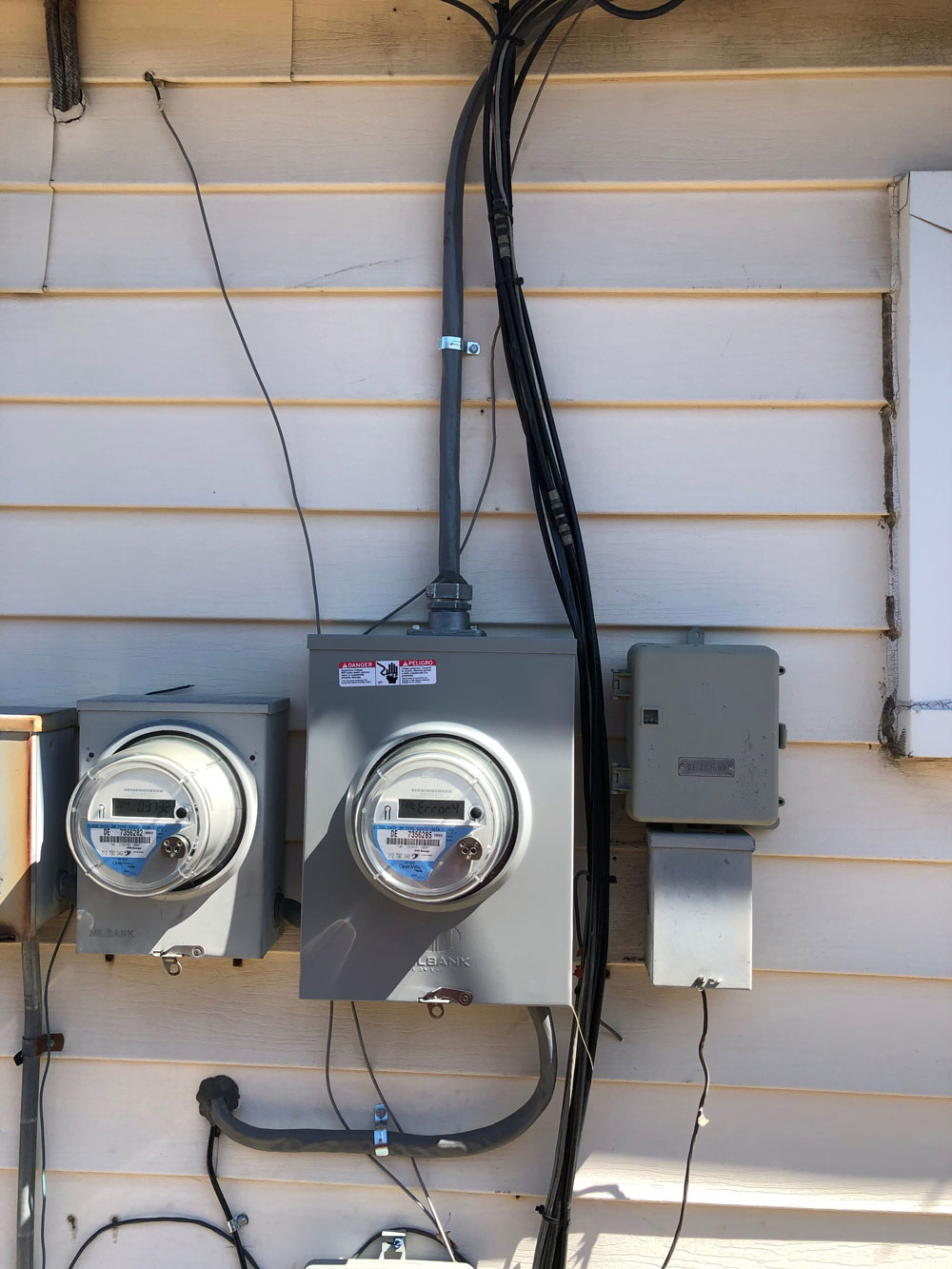
An assessment commonly looks at the main electrical panel, circuit labeling, service capacity, grounding and bonding considerations, and the proposed location of connection equipment. The generator’s fuel type, receptacle configuration, voltage, and output also matter because they influence compatible wiring and transfer equipment. Existing conditions may affect the scope of work, particularly when panels are crowded, circuits are unclear, or older components need attention before a new connection is added.
Permits and inspections may be required depending on the work and the authority having jurisdiction. Property owners should ask how the proposed work will be coordinated with applicable requirements rather than assuming every generator setup follows the same path. Clear documentation of selected circuits and operating instructions is also useful after the installation is complete.
Portable and standby generators have different wiring needs
Portable units and permanently installed standby generators both provide backup power, but they operate differently and should not be evaluated as interchangeable products. A portable unit is typically moved into position and connected when needed, while a standby generator is generally fixed in place and intended to work with a dedicated automatic or manual transfer arrangement. The best fit is driven by outage frequency, capacity needs, physical setup, fuel considerations, budget, and how much hands-on operation the owner is comfortable handling.
Portable generator wiring can provide a structured connection for owners who want to use a movable generator without relying on extension cords throughout the property. A properly planned inlet and transfer arrangement can help direct power to selected circuits while keeping utility and generator sources separated. Portable generators still require safe outdoor placement, adequate ventilation, proper fueling, and an operator who understands the transfer procedure.
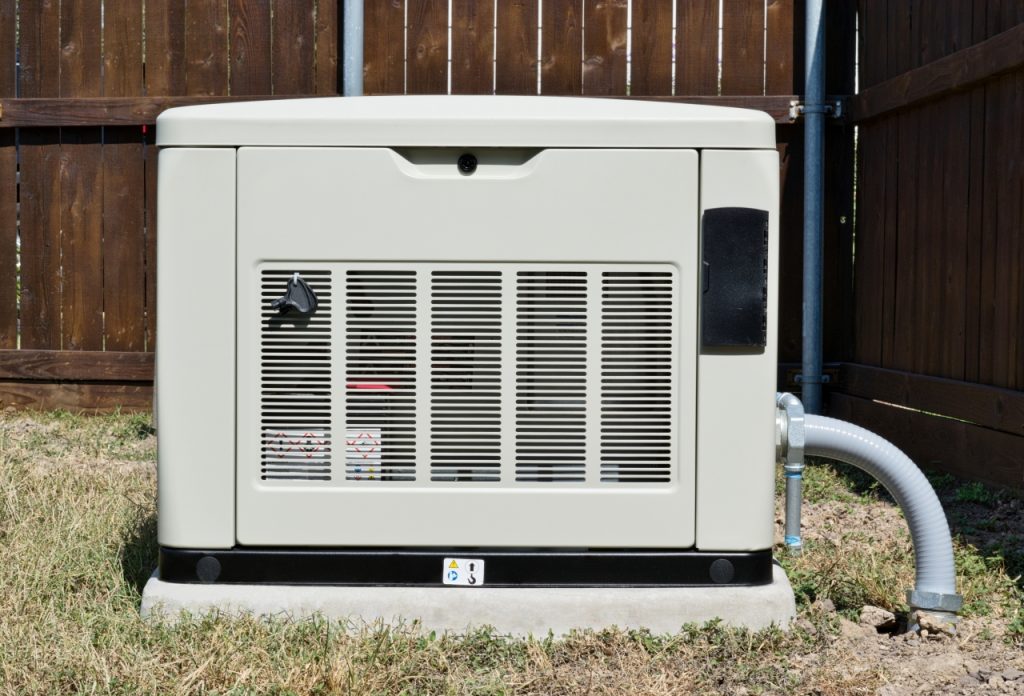
Standby-generator wiring may be appropriate when a property owner wants a more integrated backup system and less manual involvement during an outage. These systems may support automatic transfer when the equipment is designed for it, but their installation still requires careful attention to electrical loads, transfer equipment, and the generator manufacturer’s requirements. Choosing between portable and standby equipment is less about a universal winner and more about matching the setup to the property’s risks and day-to-day needs.
Reasons Harrison Township property owners plan backup power
Power interruptions can turn ordinary electrical needs into urgent concerns, especially when they affect lighting, refrigeration, water management, heating controls, communications, or work equipment. Generator connections give homeowners and property managers a way to prepare before an outage creates pressure to make quick decisions. For customers considering Generator wiring services Harrison Township, MI, the value is a defined backup-power plan rather than a collection of temporary cords and uncertain circuit choices.
A dedicated connection can also make outage response more organized. With selected circuits identified in advance, occupants can focus on starting and operating the generator according to its instructions instead of deciding in the dark which devices to unplug or power. Thoughtful load selection and proper transfer equipment are key to making backup power more manageable.
- Owners who want to protect a limited group of essential household circuits
- Properties with pumps or equipment that become more important during severe weather
- Households that need a clearer plan for refrigeration, connectivity, and lighting
- People replacing an older generator setup or upgrading from extension-cord use
- Property managers evaluating practical continuity measures for a building’s electrical loads
Questions to raise before choosing a provider
A useful proposal should explain what equipment is being connected, what circuits will be supplied, and how the transfer between utility and generator power will work. Ask whether the plan is intended for a portable or standby generator, whether it covers selected loads or a larger portion of the property, and what operating actions will be required during an outage. It is also reasonable to ask how existing panel conditions, local requirements, and future electrical changes could affect the work.
Price alone does not show whether a generator connection meets the property’s actual needs. A lower-cost approach may provide only limited circuit coverage or require more manual steps, while a more comprehensive configuration may require additional equipment and planning. Comparing the scope, included equipment, load assumptions, and operating expectations helps customers make a more informed decision.
Talk with Executive Electric about your backup-power plan
Executive Electric offers a local point of contact at 20504 Hall Rd, Clinton Township, MI 48038 for customers exploring generator electrical connections in the region. Harrison Township residents can use the conversation to clarify their priorities, generator type, essential circuits, and questions about transfer equipment. Michigan property owners benefit from addressing these details before they need backup power, not while an outage is already underway.
If you are weighing a portable connection, a transfer switch arrangement, or wiring for a standby system, contact Executive Electric to discuss your project. Share the generator information you have, the circuits you want to protect, and any concerns about the existing panel so the next steps can be considered clearly. Request a conversation through the contact page to begin planning a safer, more useful backup-power connection.
Generator wiring questions
Do I need a transfer switch for generator power?
A transfer switch or another properly designed transfer arrangement is commonly used to isolate generator power from utility power. It helps prevent dangerous backfeeding and directs backup power to intended circuits. The appropriate option depends on the generator, electrical panel, and desired level of coverage.
Can a portable generator power my whole house?
Some portable generators may support more circuits than others, but whole-property power depends on generator output, starting loads, panel configuration, and a suitable transfer arrangement. Many owners choose essential circuits to avoid overloading the generator and to prioritize the equipment they need most during an outage.
What should I have ready before contacting Executive Electric?
Have the generator make or model if available, its output information, the type of fuel it uses, and a list of equipment you want to power. It also helps to note whether you are considering a portable or standby unit and any concerns about your current electrical panel.
Does Executive Electric have an office in Harrison Township, MI?
Executive Electric’s supplied location is 20504 Hall Rd, Clinton Township, MI 48038. The company can be contacted about generator wiring needs for Harrison Township, MI, while the page does not represent Harrison Township as an Executive Electric office location.