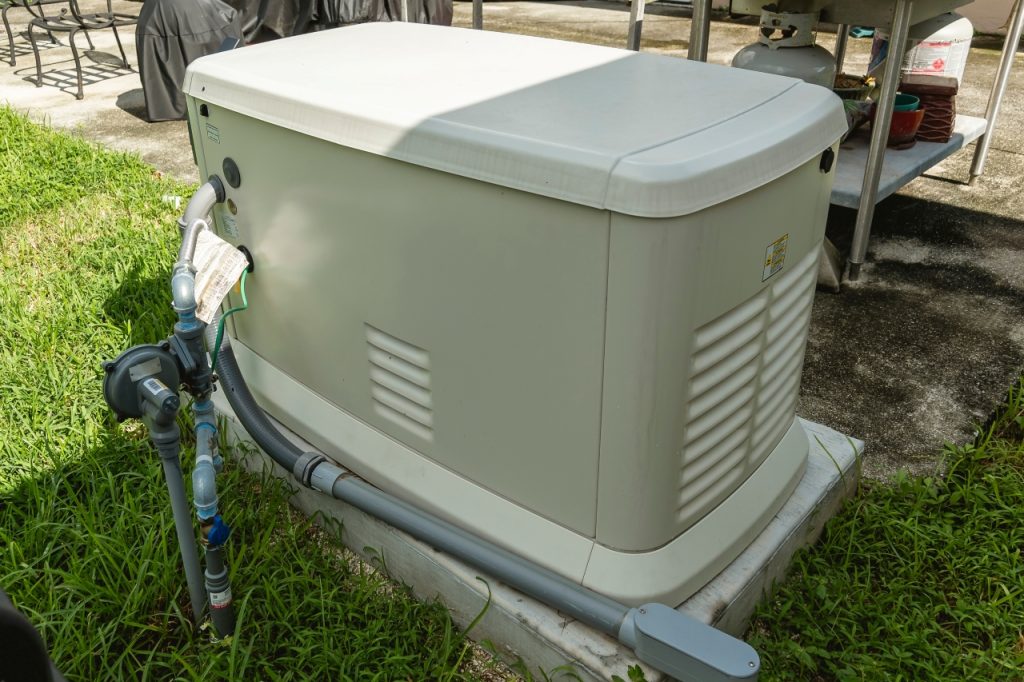
Generator repair services Harrison Township, MI
When a standby or portable generator will not start, runs roughly, shuts down unexpectedly, or fails to transfer power as expected, prompt attention matters. Executive Electric provides a practical point of contact for homeowners and property decision-makers seeking Generator repair services Harrison Township, MI, with a company location at 20504 Hall Rd, Clinton Township, MI 48038. A generator problem is more than an inconvenience when backup power is part of a household, workplace, or property preparedness plan.
Effective generator troubleshooting starts with the symptoms and the operating conditions, not a guess about a single failed part. A careful electrical assessment can help distinguish issues involving the generator, its battery and charging system, fuel supply, controls, transfer equipment, connections, or the circuits expected to receive backup power. Contact Executive Electric to discuss the problem, the generator type, and the service concerns affecting your Michigan property.
Restore confidence in your backup power system
Generator repair is the process of identifying and addressing faults that keep a generator from starting, producing stable electricity, or supplying the intended loads. The right repair path depends on whether the concern is a no-start condition, an alarm, poor output, repeated shutdowns, an exercise-cycle failure, or a transfer issue during an outage. A complete evaluation considers the generator system as a whole because a unit may appear mechanically sound while an electrical component prevents dependable operation.
For a property in Harrison Township, MI, dependable backup power can be especially important when an outage affects lighting, refrigeration, sump equipment, heating controls, communication devices, security equipment, or essential business operations. Not every interruption means the generator itself has failed. Utility power, breakers, automatic transfer switch behavior, load demand, battery condition, and control settings can all influence what the owner sees during a test or outage.
Common signs that repair should not wait
Some warning signs deserve professional attention before the next outage rather than after it. A generator that starts only intermittently or shows an unfamiliar warning can become less reliable over time, and repeatedly resetting an alarm without finding its cause may mask the underlying issue. Stop using the equipment and seek qualified electrical help if there are burning odors, smoke, sparking, damaged wiring, fluid leaks, unusual vibration, or evidence that electrical components are overheating.
- The engine cranks slowly, will not crank, or starts and stalls.
- The generator runs but does not provide expected power to selected circuits or the building.
- An automatic transfer switch does not move to generator power or does not return to utility power correctly.
- Control-panel alarms, warning lights, repeated exercise failures, or unexplained shutdowns occur.
- Output appears unstable, breakers trip, or the generator struggles when normal backup loads are connected.
These symptoms can overlap, which is why replacing a battery, breaker, or sensor solely because it seems likely is not always the best first step. Generator fault diagnosis should trace the issue through starting, fuel, control, output, and transfer functions as applicable. That approach can support a repair decision based on the system’s actual condition and the owner’s backup-power needs.
What a generator repair visit should evaluate
A useful service visit documents the concern, reviews how the system is supposed to operate, and checks the components connected to that concern. For standby equipment, that may include the generator, battery, charger, controller, breakers, transfer switch, feeder connections, and designated emergency loads. For portable equipment, the evaluation may focus more closely on starting, engine operation, receptacles, output, cords, and safe connection methods.
- Describe the failure clearly. Note when it happened, what equipment was running, any display messages, and whether utility power was present.
- Review safe operating conditions. Keep people away from damaged equipment and do not bypass safety devices, wiring, or transfer equipment to force operation.
- Inspect and test relevant functions. The scope should fit the reported issue, from basic starting and charging checks to transfer and output evaluation.
- Discuss findings and next steps. Once the likely cause is identified, the owner can consider repair needs, parts, additional testing, or maintenance actions.
- Confirm operation after work. Verification helps show whether the original symptom has been resolved and whether other concerns need attention.
This process also helps separate a generator repair need from a building electrical issue. For example, if a generator produces power but particular circuits are not energized, the concern could involve transfer equipment, branch-circuit protection, load configuration, or wiring. Clear findings make it easier to understand what requires attention rather than treating every backup-power problem as an engine problem.
Repair, maintenance, or replacement: making a sensible choice
Repair is often appropriate when a specific fault can be identified and the rest of the system remains suitable for the property’s needs. Maintenance is designed to reduce avoidable failures by addressing routine items and verifying readiness before an outage exposes a problem. Replacement may become worth considering when equipment condition, repeated failures, parts availability, capacity needs, or changes to the property make continued repair less practical.
Age alone does not determine the right choice. Owners should weigh how often the generator is needed, which loads are essential, whether transfer equipment works properly, the nature of the fault, and the expected scope of corrective work. Executive Electric can help begin the conversation around electrical aspects of a backup-power problem without assuming that every generator issue calls for the same solution.
Maintenance protects readiness between outages
Searching for Generator maintenance near me often reflects a smart concern: a generator that sits unused can still develop battery, fuel, control, connection, or exercise-cycle issues. Routine attention is different from breakdown repair because it looks for developing concerns before the system is needed. Maintenance planning should follow the equipment manufacturer’s guidance and should include safe, appropriate checks of the generator and its connected electrical equipment.
Regular upkeep can support readiness, but it does not guarantee that every failure will be prevented. Fuel can degrade, batteries can weaken, sensors can fail, and a change in building loads can affect performance. Keeping a simple record of exercise cycles, alerts, service dates, battery observations, and prior repairs gives a technician useful context when a fault occurs.
Why load testing and transfer performance matter
A generator can start successfully without proving that it will carry the electrical demand expected during an outage. Load-related evaluation helps reveal whether the system can support intended equipment and whether output remains stable when demand is applied. This distinction is important for properties that rely on backup power for several essential circuits or equipment with substantial starting demand.
Generator load testing evaluates generator performance under an appropriate electrical load rather than relying only on an unloaded engine run. It can help identify issues related to output, frequency, voltage behavior, capacity, and response to demand. The proper testing approach depends on the generator design, connected loads, manufacturer requirements, and safe site conditions.
Automatic transfer operation should be considered alongside generator output. The transfer switch is the device that separates utility and generator sources and directs power to the selected electrical system. A generator may be capable of running well, yet the property can still lack backup power if transfer controls, wiring, breakers, or load arrangements are not functioning as intended.
Emergency concerns call for safety-first decisions
Emergency generator services are relevant when a backup-power failure affects an urgent property need or when the equipment shows a potentially unsafe condition. If there is smoke, fire, sparking, a suspected gas or fuel hazard, or immediate danger, move to safety first and contact the appropriate emergency resource. Do not attempt to open energized electrical equipment, defeat interlocks, or connect a portable generator directly to building wiring without proper transfer equipment.
For a non-immediate failure during an outage, conserve the available power source, avoid overloading extension cords or portable equipment, and protect sensitive electronics from unstable supply conditions. Portable generators must be operated outdoors and away from openings to reduce carbon monoxide risk. An electrical professional can help evaluate the failed backup-power setup and the safe path toward restoring normal operation.
Choosing a provider for generator-related electrical concerns
Generator systems bring together mechanical equipment, electrical output, controls, and transfer components, so the service conversation should be specific. Before contacting a provider, gather the generator make and model if available, fuel type, panel messages, recent maintenance history, photos of visible labels or alarms, and a description of what happened. Those details can make the initial discussion more productive and reduce uncertainty about the scope of the problem.
- Explain whether the unit is standby or portable and whether it powers a whole property or selected circuits.
- Share the exact symptom, including whether the generator starts, runs, transfers, and supports loads.
- Ask how the issue will be diagnosed and whether transfer equipment and electrical connections should be considered.
- Request clarity about recommended repairs, safety concerns, follow-up testing, and any preparation needed before service.
Executive Electric is located at 20504 Hall Rd, Clinton Township, MI 48038 and serves as a resource for customers considering generator and electrical service needs in the region. This location information is provided for clarity: Executive Electric is not represented here as physically located in Harrison Township. Reaching out with accurate system details is the most direct way to discuss whether the concern fits the service needed.
Frequently asked questions
What is the difference between a generator repair and a transfer switch repair?
A generator repair addresses faults in the generator or its associated starting, fuel, control, and power-production components. A transfer switch repair addresses the equipment that changes a property between utility and generator power. Because both systems must work together, a backup-power diagnosis may need to evaluate each one.
Why does my generator run but not power the house?
A running generator may not power the building because of a transfer switch problem, an open breaker, a control issue, a wiring concern, or a load configuration that does not match the backup setup. The generator’s engine operation alone does not confirm that power is being transferred safely to the intended circuits.
Should I wait for an outage before checking a generator problem?
No. If a generator has alarms, starting trouble, rough operation, battery concerns, or transfer problems, arranging an evaluation before an outage is generally the safer and more useful choice. A planned assessment allows time to identify the fault, consider repair options, and verify readiness without the added pressure of an active power loss.
Can Harrison Township customers contact Executive Electric even though the listed location is in Clinton Township?
Yes. Customers looking for Generator repair services in Harrison Township, MI can contact Executive Electric to describe their needs and discuss service options. Executive Electric’s supplied location is 20504 Hall Rd, Clinton Township, MI 48038, rather than an office address in Harrison Township, Michigan.
Discuss your generator repair needs with Executive Electric
A backup generator should be evaluated before a known fault becomes an outage-time surprise. Whether the concern involves starting, charging, alarms, output, transfer behavior, or the ability to carry essential loads, clear information is the first step toward an informed repair decision. Executive Electric can help you begin that discussion from its location at 20504 Hall Rd, Clinton Township, MI 48038.
Contact Executive Electric to explain your generator issue and ask about next steps for Generator repair services Harrison Township, MI. Include the equipment details and symptoms you have observed so the conversation can focus on safe, appropriate service for your Michigan property.