Generac generator installation Harrison Township, MI
When an outage interrupts lighting, refrigeration, heating equipment, internet access, or essential household routines, a permanently installed standby generator can provide a more automatic backup-power option than moving and connecting a portable unit. Executive Electric helps property owners seeking Generac generator installation in Harrison Township, MI, understand the electrical work, planning, and equipment decisions involved before moving forward.
Executive Electric is located at 20504 Hall Rd, Clinton Township, MI 48038. Harrison Township customers can contact the company to discuss their property, the loads they want to protect, and the practical next steps for a professionally planned standby power system. The goal is not simply to add a generator, but to create a safe, usable system that responds appropriately when utility power is lost.
Standby power begins with the right plan
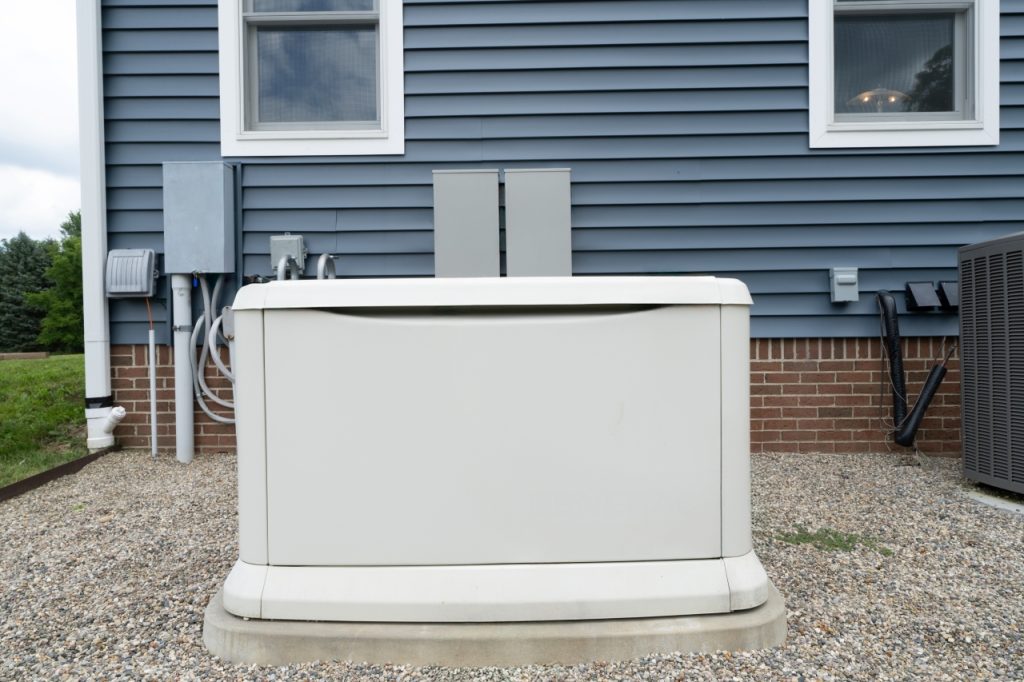
A Generac standby generator is designed to work with a home or qualifying property electrical system and an automatic transfer switch. When utility service fails, the system can detect the outage, separate the property from the utility supply, and direct generator power to selected circuits or the whole electrical service, depending on the design. That automatic response is a major distinction from portable backup equipment.
For many Michigan households, the most important question is not whether a generator can run, but what needs to keep running during an interruption. A thoughtful plan identifies essential equipment, considers the electrical demand of major appliances, and accounts for how the generator will be fueled. This approach helps avoid choosing equipment based only on a broad wattage estimate or a desire to power every device at once.
Decide what you want protected
Backup-power priorities vary from one property to the next. Some owners prefer an essential-load design that focuses on safety, food preservation, communication, and basic comfort. Others may want a broader solution that supports more of the electrical system, subject to load calculations, service capacity, equipment selection, and the property’s fuel arrangement.
- Refrigerators, freezers, and selected kitchen circuits
- Sump pumps, well-related equipment, or other water-management needs where applicable
- Furnace controls, blowers, and appropriate heating-related electrical loads
- Lighting, garage-door access, security equipment, routers, and charging outlets
- Medical or accessibility-related equipment that requires dependable electrical continuity
A larger generator is not automatically the better choice. Oversizing can add cost and may not solve a planning problem, while undersizing can limit what the system can carry. Discussing real appliances, starting loads, electric heating or cooling equipment, and future needs gives the installer a more useful picture than a generic list of desired conveniences.
What a professional generator project typically involves
A successful standby-generator project coordinates electrical design, generator placement, transfer equipment, and commissioning. The specific scope depends on the property and local requirements, but the work should be evaluated as a system rather than as a generator sitting outside. Executive Electric can be a useful contact when you want to discuss the electrical side of that system for a Harrison Township property.
- Initial conversation and site review: Identify the property type, desired backup loads, existing electrical service, potential equipment location, and fuel considerations.
- Load and equipment planning: Determine whether the intended design is for selected essential circuits or a more comprehensive backup arrangement, then match the equipment accordingly.
- Electrical installation: Install and connect the generator-related electrical components, including the transfer equipment and appropriately planned circuits or service connection.
- Coordination and startup: Complete applicable project steps, test the operating sequence, and explain the system’s basic operation and owner responsibilities.
Why transfer equipment is central to safety
Generator transfer switch installation is the controlled electrical connection between standby power and the building’s electrical system. The transfer switch prevents the generator and utility power from feeding the system at the same time, which is essential for isolating power sources and directing backup power as designed. It also determines whether the system supports selected circuits or is configured around a broader service-level solution.
Transfer equipment should never be treated as an optional accessory. Improvised connections can create hazards, damage equipment, or send electricity where it does not belong. A professionally planned automatic transfer switch helps the generator start and transfer power without requiring someone to run extension cords or make live electrical connections during a stressful outage.
Placement, fuel, and electrical capacity matter together
Generator location affects access, serviceability, noise considerations, ventilation clearances, and the routing of electrical and fuel connections. Fuel type and available supply affect runtime and installation planning, while the existing electrical panel and service influence how power can be distributed. These items should be reviewed together because a decision in one area may affect the others.
It is also wise to ask what conditions could limit the project. For example, the need for electrical upgrades, the layout of the property, selected loads, fuel infrastructure, and required approvals can change the scope. Clear answers before installation help a property owner compare options based on function and fit, not only the initial equipment price.
Is a standby generator the right backup option?
A permanently installed Generac system is often a strong fit for owners who want automatic response and do not want to set up portable equipment after an outage begins. It may be especially practical where a loss of power creates concerns about water management, refrigerated food, home-office connectivity, climate-control equipment, or regular access to essential electrical devices. The best choice still depends on how often backup power is needed, which loads matter, and what level of hands-on operation is acceptable.
Portable generators can be a reasonable lower-cost alternative for limited, temporary loads, but they generally require manual setup, safe outdoor placement, fuel handling, extension-cord management or an approved inlet arrangement, and active oversight. Battery backup can be useful for short-duration or modest loads, though capacity and recharge conditions should be weighed carefully. A standby unit offers a different value proposition: integrated, automatic operation for a planned group of household loads.
Questions to consider before requesting a proposal
Bring a prioritized load list to the conversation, not just a preferred generator size. Note which appliances must remain available, which can stay off during an outage, whether large motors or electric HVAC equipment are involved, and whether future additions may change demand. These details make it easier to evaluate an essential-circuit design against whole-home-style backup goals.
- Which appliances and systems are genuinely essential during an outage?
- Do any loads have high starting demand, such as pumps, compressors, or motors?
- What fuel source is available or planned for the generator?
- Would selected-circuit coverage meet the need, or is broader coverage important?
- Where can equipment be placed with appropriate clearances and service access?
- What ongoing testing, maintenance, and fuel-supply checks will the owner need to plan for?
Routine ownership matters after the installation is complete. Standby generators need periodic exercise and maintenance according to the equipment documentation, and owners should keep the area around the unit accessible and clear. Learning the basic indicators, knowing whom to contact for service, and reviewing what the system is intended to power can prevent surprises during a real outage.
Why contact Executive Electric for your project discussion
Choosing a provider for generator electrical work should involve more than selecting a brand or comparing a single equipment number. Ask how the proposed setup will address load priorities, transfer switching, electrical connection, placement constraints, and the handoff after commissioning. A clear discussion gives you a better basis for deciding whether the planned backup system matches your household’s actual needs.
For a property in Harrison Township, Michigan, Executive Electric provides a direct point of contact for discussing Generac standby-generator electrical planning. The company is based at 20504 Hall Rd, Clinton Township, MI 48038, rather than claiming an office in Harrison Township. That location information helps customers make an informed service inquiry while keeping the focus on their specific property and backup-power goals.
If you are comparing systems, ask for plain-language explanations of what the proposed generator will support and what it will not support. It is also appropriate to ask how the transfer switch functions, what existing electrical conditions need review, what preparation the property owner may need to arrange, and how startup testing will confirm the intended sequence. These practical questions help turn a major equipment purchase into an understandable electrical project.
Ready to explore options? Generac generator installation planning starts with a conversation about your power priorities, electrical system, and preferred level of backup coverage. Contact Executive Electric through the information below to discuss a Harrison Township, MI project with the team at 20504 Hall Rd, Clinton Township, MI 48038.
Frequently asked questions
How does a Generac standby generator work during a power outage?
A standby generator monitors utility power through its transfer equipment. When an outage is detected, the generator starts, the transfer switch isolates utility power, and backup electricity is directed to the circuits or electrical system included in the design. When utility power returns, the system transfers back in a controlled sequence.
Can a standby generator power my entire Harrison Township home?
It can be designed for broad home coverage in some situations, but that is not automatic. Generator capacity, the home’s electrical service, major appliance loads, transfer-switch configuration, fuel supply, and the owner’s priorities all affect the answer. An essential-load design may be the more practical option for some properties.
What is the difference between essential-circuit backup and broader backup coverage?
Essential-circuit backup reserves generator capacity for selected priorities such as refrigeration, lights, pumps, heating controls, and communication equipment. Broader coverage supports more of the electrical system but may require larger equipment and more extensive planning. The right approach depends on the loads you need during an outage and the property’s electrical conditions.
Is Executive Electric physically located in Harrison Township, MI?
Executive Electric’s supplied location is 20504 Hall Rd, Clinton Township, MI 48038. Customers seeking standby generator planning for properties in Harrison Township, Michigan can use the contact process to discuss their project and location-specific electrical needs.
Take the next step toward planned backup power. Contact Executive Electric to discuss your Generac generator installation goals, the loads you want protected, and the electrical details of your Harrison Township property. Executive Electric is located at 20504 Hall Rd, Clinton Township, MI 48038.