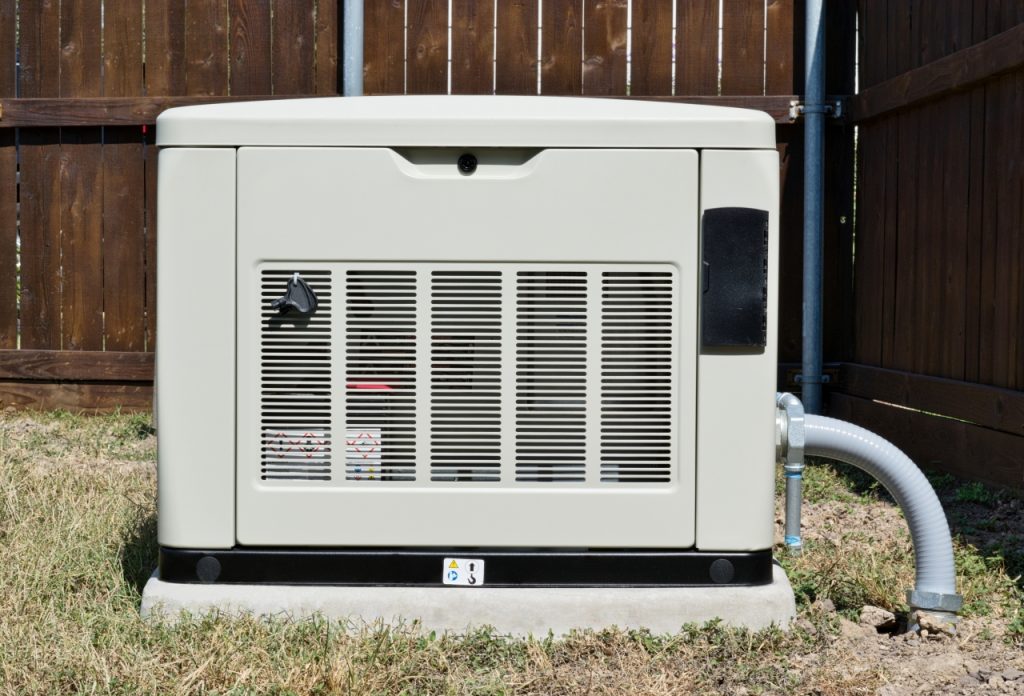
Generator wiring services Grosse Pointe, MI
Reliable backup power begins with the connection between a generator, the electrical system, and the circuits that matter most. Executive Electric provides a practical point of contact for property owners seeking generator wiring services in Grosse Pointe, MI, including help understanding what a safe, code-conscious installation should involve before any equipment is connected.
A generator is only as useful as the wiring arrangement that delivers its power safely. Whether you are planning for extended outages, protecting essential home systems, or replacing an improvised extension-cord setup, the right electrical design helps prevent unsafe backfeeding, overloads, and uncertainty during a power interruption. Executive Electric is located at 20504 Hall Rd, Clinton Township, MI 48038, and serves customers seeking informed electrical solutions in the region.
What generator wiring is designed to accomplish
Generator wiring creates a controlled path for backup electricity to reach selected circuits or, depending on the equipment and electrical design, a larger portion of a building’s electrical system. The goal is not simply to make power available. The goal is to isolate generator power from the utility supply, manage electrical loads, and provide a clear operating method when normal service is unavailable.
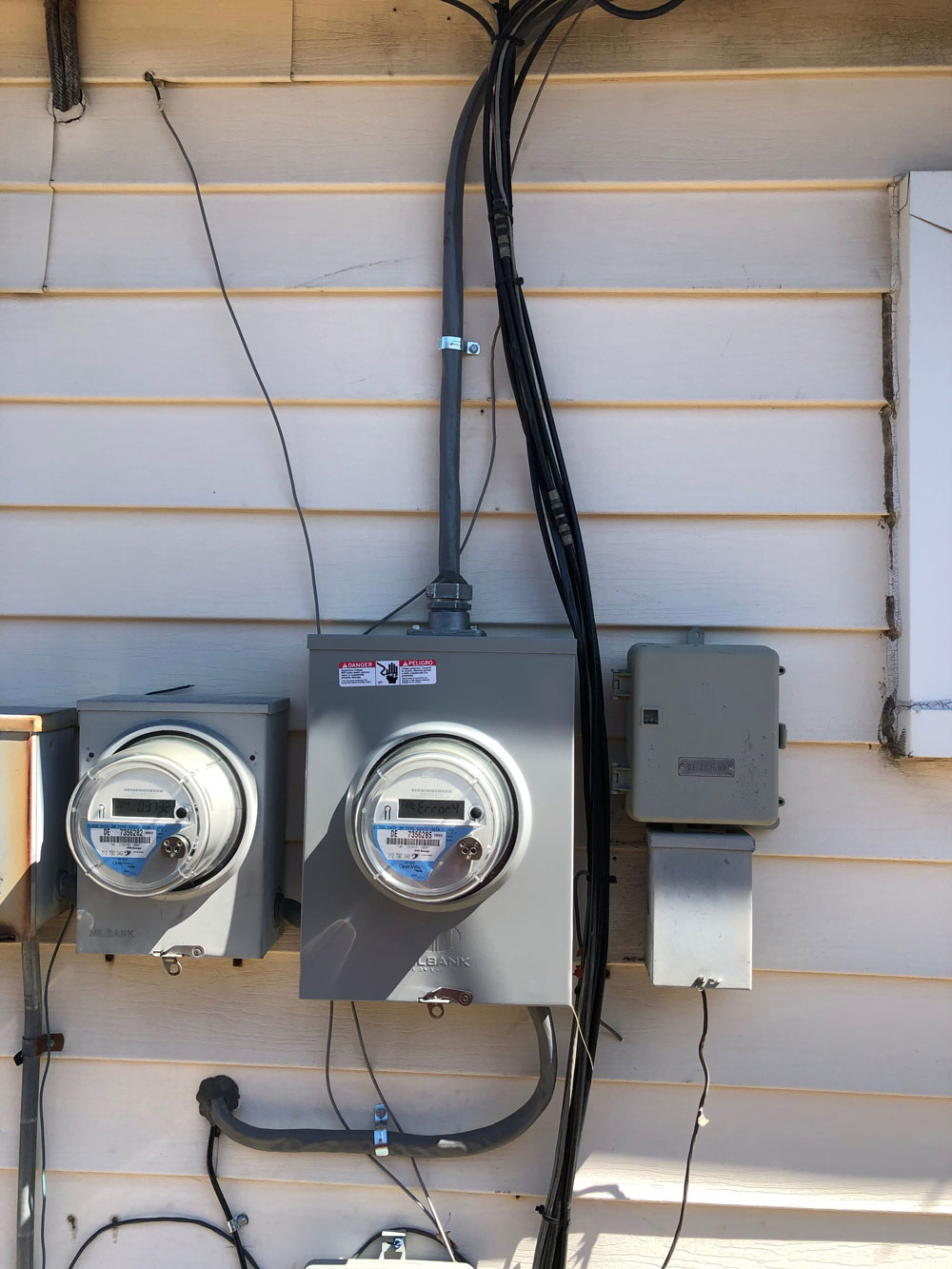
A properly planned generator connection commonly includes a generator inlet or permanent connection point, appropriately sized conductors, overcurrent protection, and transfer equipment. A transfer switch or interlock arrangement is central to safety because it helps prevent utility power and generator power from feeding the system at the same time. The specific components and configuration should match the generator type, electrical panel, intended loads, and applicable local requirements.
Why a direct connection is different from extension cords
Extension cords can be a temporary option for a few low-demand devices, but they do not create a whole-home backup strategy and can introduce trip, overheating, and weather-exposure concerns. A dedicated generator power connection offers a more organized way to operate selected hardwired loads, such as a furnace, refrigerator circuit, sump pump, lighting, or other priority equipment, when the generator and electrical system are appropriately matched.
The major safety issue is backfeeding. Connecting a generator to an electrical system without approved transfer equipment can energize utility lines unexpectedly, creating serious hazards for utility workers and others. A professionally planned connection is intended to keep generator electricity and utility electricity isolated while giving the homeowner a defined sequence for restoring power safely.
Choosing essential circuits versus broader backup coverage
Many homeowners choose an essential-load approach because it focuses generator capacity on the circuits that provide the greatest day-to-day protection during an outage. This option can be sensible when generator output is limited or when a property owner wants to prioritize heating equipment controls, refrigeration, select outlets, lights, internet equipment, or a sump pump rather than attempting to run every appliance.
Broader coverage may be appropriate for larger generators and carefully evaluated electrical demands, but more coverage is not automatically better. Air conditioners, electric ranges, dryers, water heaters, and other high-demand equipment can consume substantial power. Understanding starting loads, running loads, and which appliances must remain off is an important part of choosing between a dedicated critical-load panel and a setup that can serve more of the main panel.
How the generator wiring process typically works
Generator wiring services should begin with a conversation about the property, the generator you own or plan to purchase, and the loads you want available during an outage. An electrical professional can then evaluate the service panel, available space, generator connection location, cable routing, and the transfer method that fits the intended use. This preparation helps avoid selecting parts that are undersized, incompatible, or inconvenient to operate.
- Identify priority needs. List the systems and appliances that matter during an outage, then separate essential loads from optional loads.
- Review generator capacity. Compare the generator’s rated output with the expected running and starting demands of the selected circuits.
- Assess the electrical system. Consider panel condition, circuit layout, grounding and bonding needs, access for wiring, and transfer equipment placement.
- Plan the connection. Determine a safe inlet, receptacle, or permanent connection approach and establish how power will be transferred between utility and generator sources.
- Test the operating sequence. After installation, verify the transfer procedure and make sure the property owner understands load limits and shutdown steps.
Before work begins, it is helpful to have the generator model information available and to know whether the unit will be portable or permanently installed. Property owners should also discuss where the generator will operate, since portable units must be kept outdoors and away from openings to reduce carbon monoxide risks. Wiring is one part of the backup-power plan, while generator placement, fuel, weather protection, and operating instructions are separate but equally important considerations.
Portable generator wiring for planned outage response
Portable generator wiring can provide a structured alternative to running multiple cords through doors or windows when outages occur. It generally involves creating a compatible, dedicated connection point and a safe means of transferring selected circuits to generator power. The generator itself remains a portable unit, so owners still need to follow manufacturer guidance for outdoor operation, fueling, ventilation, and storage.
This approach can be a strong fit for homeowners who want backup capability without committing to a permanently installed standby generator. It also requires realistic expectations: a portable generator has a finite output, and the household must manage which loads are energized. A clear circuit plan makes it easier to avoid turning on equipment that exceeds generator capacity.
Important considerations before selecting a wiring approach
The best generator connection is based on use, not on a one-size-fits-all package. A household that needs a refrigerator, a few lights, a modem, and a furnace blower has different needs from a property with a well pump, sump pump, medical equipment, electric heat, or multiple large appliances. Discussing actual priorities can prevent both overspending on unnecessary capacity and underplanning for critical equipment.
- Generator type: Portable and standby generators use different connection and operating approaches.
- Output rating: The wiring, inlet, transfer equipment, and selected loads must be suitable for the generator’s available power.
- Transfer method: A transfer switch or approved interlock solution is intended to keep generator power from backfeeding the utility system.
- Panel layout: Circuit arrangement affects whether selected loads can be conveniently and safely supplied during an outage.
- Future plans: A homeowner considering a future standby unit may want an installation path that accounts for later upgrades.
- Operating confidence: The system should have a clear process that the owner can follow under stressful outage conditions.
It is also wise to ask what loads are expected to be supported, how the system will be operated when utility power fails, and what needs to be turned off before starting the generator. A reputable electrical discussion should address practical limitations rather than promising that any generator can run everything. Clear expectations are especially valuable during Michigan weather events, when a backup-power system may need to be used for more than a brief interruption.
Why professional electrical planning matters
Generator connections involve energized panels, source isolation, load calculations, conductor sizing, grounding considerations, and equipment compatibility. These are not details to leave to guesswork. Professional planning helps a property owner move from an uncertain emergency setup to a defined backup-power arrangement with appropriate transfer controls.
For homeowners comparing options, the key difference is often between having a generator and having a usable backup-power system. A generator alone may sit unused if there is no safe way to connect it to needed circuits. A thoughtfully designed electrical connection helps make the generator more practical, while still requiring the owner to operate and maintain the generator according to its instructions.
Executive Electric can be a useful resource when you need to discuss generator connection options rather than rely on generic advice. For generator wiring services, the conversation should focus on the property’s electrical layout, your generator plan, and the essential loads you want to protect. That fact-based approach gives you a stronger basis for deciding what type of backup arrangement makes sense.
Prepare before requesting an electrical assessment
Gathering a few details in advance can make an initial conversation more productive. Note your generator’s make, model, fuel type, and wattage if you already own one. Make a simple list of the circuits or appliances you hope to use, along with any concerns about basement water management, heating, refrigeration, communications, or accessibility during a blackout.
You do not need to know the final technical answer before contacting an electrician. It is enough to explain how you expect to use backup power and which devices are most important to your household. Executive Electric can help frame the electrical questions that should be considered before a generator is connected.
Questions Grosse Pointe property owners often ask
What does a generator transfer switch do?
A generator transfer switch controls whether designated circuits receive utility power or generator power. It is designed to prevent both sources from supplying the electrical system at once, which helps avoid backfeeding. The switch also gives the property owner a defined procedure for moving to backup power and returning to normal utility service.
Can a portable generator power my whole home?
Sometimes, but only if the generator capacity, transfer equipment, electrical design, and load management support that use. Many portable units are better suited to selected essential circuits. High-demand appliances may need to remain off, even when the generator is connected through a properly installed inlet and transfer arrangement.
Should I choose a transfer switch or an interlock?
The appropriate choice depends on the electrical panel, the generator, the circuits you need, and the installation design. A transfer switch often identifies specific circuits for backup use, while an interlock can be used with certain compatible panels to control the main and generator breakers. An electrical evaluation can clarify which approach is suitable.
Is Executive Electric located in Grosse Pointe, MI?
Executive Electric’s supplied location is 20504 Hall Rd, Clinton Township, MI 48038. Executive Electric can discuss generator wiring services for customers looking for electrical support in and around Grosse Pointe, Michigan, without representing that Grosse Pointe is an office location.
Talk with Executive Electric about your backup-power plan
If you are evaluating a portable unit, considering a future standby generator, or trying to replace an unsafe temporary connection, start with the loads you need protected. A clear conversation about generator size, panel configuration, transfer equipment, and operating expectations can help you choose a safer, more useful path forward.
Contact Executive Electric to discuss generator wiring needs for your property in Grosse Pointe, MI. Reach out through the Executive Electric contact page and reference the company location at 20504 Hall Rd, Clinton Township, MI 48038 when planning your next step toward dependable backup-power connectivity.