Generac generator installation Grosse Pointe, MI
Generac generator installation Grosse Pointe, MI, gives homeowners a practical way to prepare for power interruptions without relying on portable equipment, extension cords, or last-minute fuel runs. A properly planned standby system can automatically supply selected electrical loads or, depending on the design, support much of a home after utility power is lost. Executive Electric is located at 20504 Hall Rd, Clinton Township, MI 48038, and is a point of contact for Grosse Pointe-area property owners considering a permanent backup-power solution.
Choosing a whole-home generator is not simply a matter of selecting a unit by brand or size. The installation must account for the home’s electrical service, the circuits the owner wants protected, fuel-source coordination, equipment placement, and safe transfer of power. A thoughtful Generac standby generator installation helps turn a significant purchase into a usable emergency-power plan for a Michigan home.
What a standby generator can solve for a Grosse Pointe home
A permanently installed generator is designed to respond when normal utility power goes out. Once the system detects an outage, an automatic transfer arrangement separates the home from the utility supply and directs generator power to the electrical system or designated backed-up circuits. When normal power returns, the system transfers back and the generator follows its programmed shutdown sequence.
For many households, the value is continuity rather than convenience alone. Backup power can help keep refrigeration operating, preserve lighting in essential areas, support a sump pump, maintain heating-related equipment when compatible with the selected setup, and keep communications devices charged. The exact result depends on the generator capacity and the load plan, so it is important to define priorities before equipment is selected.
Start with the loads that matter most
Load planning is the foundation of a sensible generator recommendation. Some owners want essential circuits such as refrigeration, lighting, internet equipment, a garage door opener, and a sump pump. Others are evaluating broader coverage for larger appliances or more of the home, which generally requires a more substantial capacity and careful management of electrical demand.
- Refrigerators, freezers, and selected kitchen receptacles
- Sump pumps and other critical water-management equipment
- Lighting, security equipment, and garage access
- Internet, phones, computers, and charging stations
- Heating or cooling equipment when the system capacity and electrical demand allow it
A generator does not make every electrical item automatically suitable for simultaneous use. High-demand appliances can place significant demand on a backup system, particularly during startup. Discussing normal household routines, must-have equipment, and loads that can remain off during an outage provides a more realistic basis for choosing a standby generator system.
Standby, portable, and battery backup are different tools
A standby generator is a fixed system that is connected to the home’s electrical infrastructure and fuel source, while a portable generator is manually positioned, connected, started, and fueled. Portable units can be useful for limited short-term needs, but they typically involve more hands-on work and may power fewer loads. Battery backup systems can provide quiet stored energy for selected uses, yet their runtime and capacity depend on battery size, load demand, and recharge conditions.
Generac generator installation is often appropriate for owners seeking automatic response and extended backup capability tied to an available fuel supply. It may be especially worth evaluating when manually handling portable equipment would be difficult or when a home has critical electrical needs during an outage. A site-specific discussion can clarify whether a standby unit, a limited essential-load setup, or another backup approach better matches the property and the owner’s expectations.
What goes into Generac generator installation
Professional generator installation involves more than placing equipment beside a house. The system must be planned as an integrated project involving electrical connections, a transfer method, load considerations, equipment location, and applicable local requirements. Good planning reduces surprises and gives the homeowner a clearer understanding of what the generator will and will not support.
Generator transfer switch installation protects the electrical system
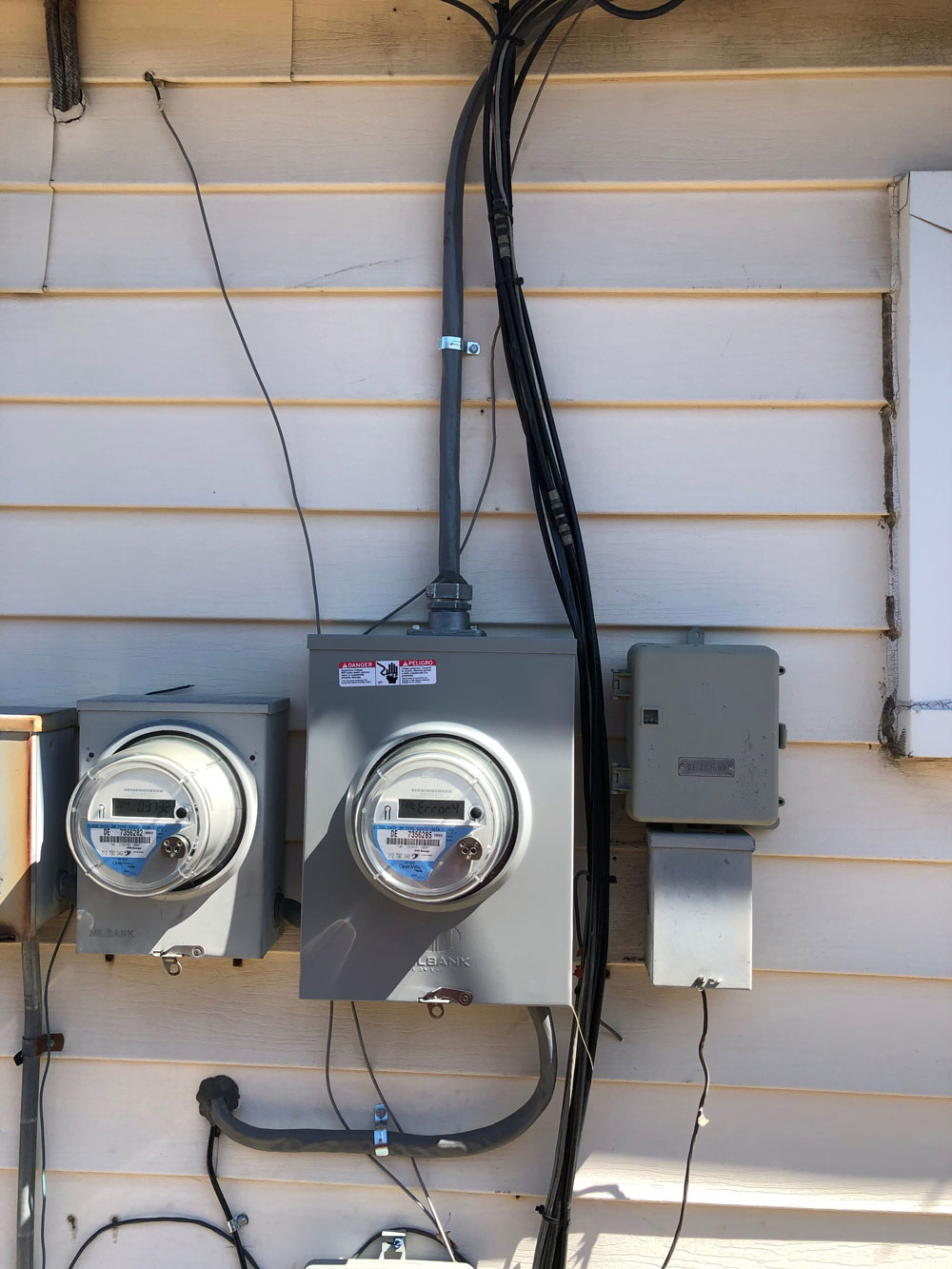
Generator transfer switch installation is the part of a backup-power project that manages the change between utility power and generator power. A transfer switch is designed to isolate the home from the utility during an outage, which helps prevent dangerous backfeed conditions and enables an automatic standby system to operate as intended. The switch selection and configuration should align with the electrical service, generator capacity, and the decision to back up essential circuits or a broader portion of the home.
An automatic transfer switch continuously monitors the incoming utility supply and initiates the generator sequence when an outage is detected. A manual transfer arrangement requires the homeowner to take action before generator power is connected. The appropriate approach depends on the equipment selected and the desired level of automation, but neither should be treated as an optional shortcut in a permanent generator project.
Site evaluation comes before final equipment decisions
A useful consultation begins with the home, not a generic generator size chart. Electrical professionals need to understand the service configuration, panel capacity, major appliances, heating and cooling equipment, desired backed-up loads, and practical location for the generator. Fuel-source availability and coordination are also important because a standby generator needs an appropriate long-term fuel connection rather than a collection of portable fuel containers.
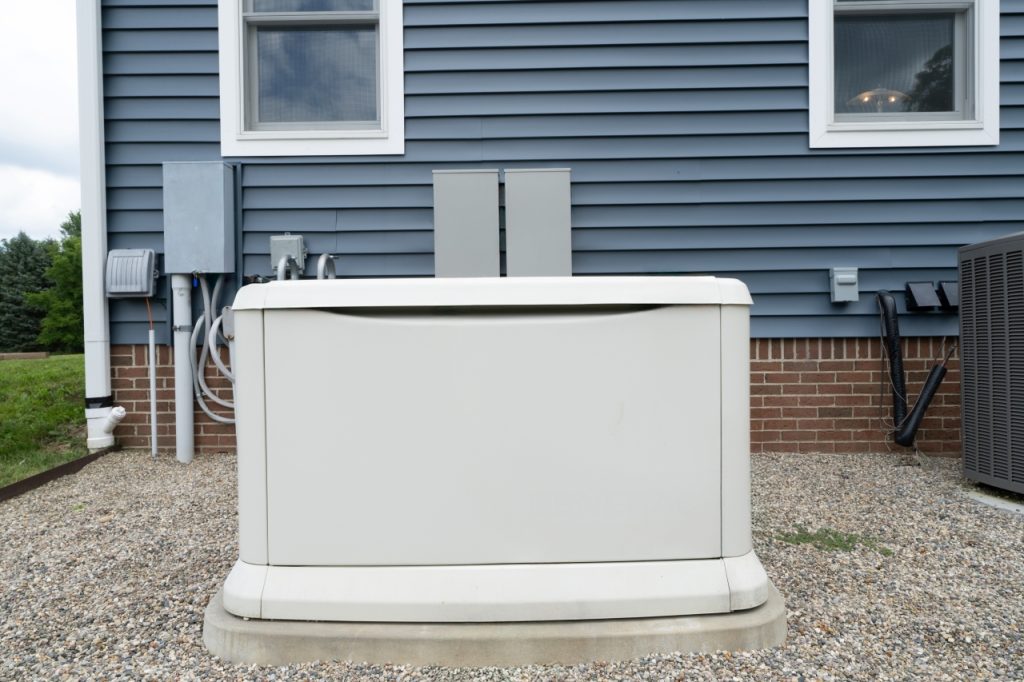
Placement involves several practical considerations. The unit needs a stable installation area, adequate clearance, access for future service, and a location that works with applicable requirements and the property layout. Homeowners should also consider sound, visibility, landscaping plans, and whether the proposed location allows practical routing for electrical and fuel connections.
- Discuss outage priorities. Identify the appliances, systems, and rooms that matter most when utility power is unavailable.
- Review the electrical system. Evaluate the service, panel arrangement, anticipated loads, and the transfer equipment needed.
- Plan the installation location. Consider clearances, access, equipment placement, and connection paths.
- Coordinate required project elements. A permanent generator project may involve electrical work, fuel connection planning, and local approval requirements.
- Test and understand operation. After installation, homeowners should know how the system starts, transfers, exercises, and what to do if an alert occurs.
Questions to weigh before selecting a generator provider
The right installer conversation should focus on scope, safety, and expectations rather than a single equipment number. Ask how the proposed system will address the loads you care about, what transfer equipment is included, and what parts of the project require coordination outside the generator itself. Clear answers make it easier to compare proposals that may appear similar at first glance.
It is also reasonable to ask what the quoted work includes and excludes. Generator projects can involve electrical modifications, equipment pad or placement considerations, transfer-switch work, fuel-related coordination, permits or inspections where required, and startup procedures. Understanding the complete scope helps a homeowner avoid comparing only the price of the generator while overlooking the infrastructure that allows it to operate safely.
- Which specific loads or areas of the home are planned for backup?
- Will the design use essential-circuit backup or a broader whole-home approach?
- What transfer equipment is proposed, and how will it operate during an outage?
- What site, electrical-service, and fuel considerations could affect the project?
- What maintenance, exercise-cycle, and owner-operation information should be reviewed after installation?
Executive Electric can be relevant when you want to discuss these decisions before moving ahead with Generac generator installation. The company’s listed location is 20504 Hall Rd, Clinton Township, MI 48038, rather than Grosse Pointe, so the location should be understood accurately when planning your inquiry. Contacting Executive Electric gives a prospective customer an opportunity to describe the property, electrical priorities, and questions surrounding a Michigan standby-power project.
After installation: operation, testing, and realistic expectations
A standby generator should be treated as a system that benefits from routine attention, not as an install-once item that never needs review. Generators commonly perform periodic exercise cycles, and owners should understand what normal testing sounds like, where status information appears, and when an unusual alert warrants prompt attention. Keeping the area around the equipment clear also supports access and airflow.
Homeowners should not assume that backup power eliminates every outage concern. Generator runtime, available capacity, and the number of operating appliances still matter. During an extended outage, a practical approach is to use large electrical loads thoughtfully, monitor the system’s condition, and follow the operating information provided for the installed equipment.
Why planning now can be easier than planning during an outage
Power-outage preparation is easier when the household can calmly decide what it needs to protect. Before an outage occurs, homeowners can inventory essential loads, discuss whether automatic operation matters, consider placement preferences, and identify questions about fuel and electrical capacity. That preparation supports a more focused Generac generator installation conversation and avoids making a major equipment decision under stressful conditions.
For Grosse Pointe, MI homeowners, the most useful next step is to define the outcome you want from backup power. You may want protection for a small group of essential circuits, a more expansive standby-power design, or simply a professional assessment of what is practical for your electrical system. Executive Electric can help begin that conversation from its Clinton Township, Michigan location.
Answers for homeowners considering backup power
How does a Generac standby generator work during a power outage?
A Generac standby generator detects a utility outage through compatible automatic transfer equipment, starts automatically, and supplies power to selected circuits or the designed electrical load. The transfer switch isolates the home from the utility supply. When utility power returns, the system transfers back and the generator shuts down after its normal cycle.
Can one generator power my entire house?
Possibly, but it depends on the generator’s capacity, the home’s electrical demand, and which appliances may run at the same time. Some installations are designed for essential circuits, while others are designed for broader coverage. A load evaluation is the best way to determine a realistic backup plan.
Why is a transfer switch necessary for a permanent generator?
A transfer switch provides a controlled, safe method of changing between utility and generator power. It prevents generator power from feeding back toward utility lines and determines which portions of the electrical system receive backup power. The transfer equipment is a central part of a permanent standby-generator design.
Where is Executive Electric located for customers seeking Generac generator installation near Grosse Pointe?
Executive Electric’s listed location is 20504 Hall Rd, Clinton Township, MI 48038. Grosse Pointe is the service-page target geography, not a stated Executive Electric office location. Contact the company to discuss your property, desired backup loads, and next steps for a generator project.
Ready to discuss backup power for your home?
If you are considering a generator installation in Michigan, bring your list of critical appliances, questions about automatic operation, and any concerns about equipment placement. Contact Executive Electric to start a focused conversation about Generac generator installation for your Grosse Pointe, MI property from the company’s Clinton Township location at 20504 Hall Rd, Clinton Township, MI 48038.