EV Charger Electrical Panel Upgrade Grosse Pointe, MI
An EV Charger Electrical Panel Upgrade in Grosse Pointe, MI can make the difference between a charging plan that works reliably at home and one that repeatedly trips breakers or requires inconvenient compromises. When an electric vehicle charger adds a substantial continuous load, the home’s service equipment must be evaluated as a complete system, not simply treated as a place to add one more breaker. Executive Electric provides a clear point of contact for homeowners considering this important electrical improvement.
Executive Electric is located at 20504 Hall Rd, Clinton Township, MI 48038. For homeowners in Grosse Pointe and elsewhere in Michigan who are planning home charging, the practical first step is determining whether the existing panel, service capacity, and available breaker space can support the charger selected. A thoughtful assessment helps clarify the scope before installation decisions are made.
Why an EV charger can reveal a panel-capacity issue
Level 2 charging is a common reason homeowners investigate an electrical panel upgrade because it generally draws more power than a standard household receptacle. EV charging is also typically treated as a continuous electrical load, meaning the circuit and service must be planned with appropriate capacity rather than sized only for a short, occasional demand. A panel that has served a house well for years may still need changes when a high-demand charger is added.
The question is not simply whether the electrical panel has an empty slot. A proper review considers the rating of the main service, the panel’s condition, existing large loads, circuit layout, conductor and equipment compatibility, and the electrical requirements of the planned charging equipment. This broader view helps avoid an installation that is technically connected but poorly matched to the rest of the home.
Signs it is time to evaluate the service equipment
Frequent tripped breakers, a crowded panel, obsolete equipment, visible corrosion, heat-related concerns, or a lack of room for a correctly sized dedicated circuit are all reasons to request a professional review. A recent kitchen remodel, electric dryer, heat pump, hot tub, workshop equipment, or other added loads can also change the available capacity. These signs do not automatically mean a full replacement is necessary, but they do mean assumptions should be tested before a charger is installed.
- You want faster home charging than a standard 120-volt outlet provides.
- The existing panel is full, undersized for planned loads, or in questionable condition.
- You are adding other major electric appliances now or expect to add them later.
- You want a dedicated EV circuit planned around the charger’s manufacturer requirements.
- You are buying a second EV and expect household charging demand to increase.
Panel upgrade, subpanel, or load management?
An upgrade is not always the only path, and the right option depends on the home’s calculated electrical demand and equipment layout. In some situations, a subpanel may improve circuit organization or provide additional spaces, but it does not by itself increase the capacity of the electrical service. Load-management equipment may be suitable for some charging setups when it is properly designed and compatible, while a service or panel upgrade may be the more durable choice when present and future demand warrant it.
A useful decision is based on what the home needs now and what the household is likely to electrify later. Selecting the highest-output charger without considering the home’s service can create unnecessary cost or limitations. Conversely, designing only for today’s minimum need may result in another electrical project when an additional EV or electric appliance is added.
What an EV Charger Electrical Panel Upgrade involves
A EV Charger Electrical Panel Upgrade is the coordinated work of assessing electrical demand, determining an appropriate equipment solution, and preparing the home for a safe dedicated charging circuit. The scope can range from adjustments within existing equipment to panel replacement or service-related work, depending on the evaluation. Executive Electric can help a homeowner begin the conversation with the relevant details in view.
The electrical panel is the distribution point for the home’s circuits, so any improvement should account for more than the vehicle charger alone. The objective is adequate capacity, correctly selected protective devices, orderly circuit allocation, and a charging installation that aligns with the equipment instructions and applicable requirements. This approach supports dependable everyday charging and makes the electrical system easier to understand going forward.
From first conversation to charging-ready planning
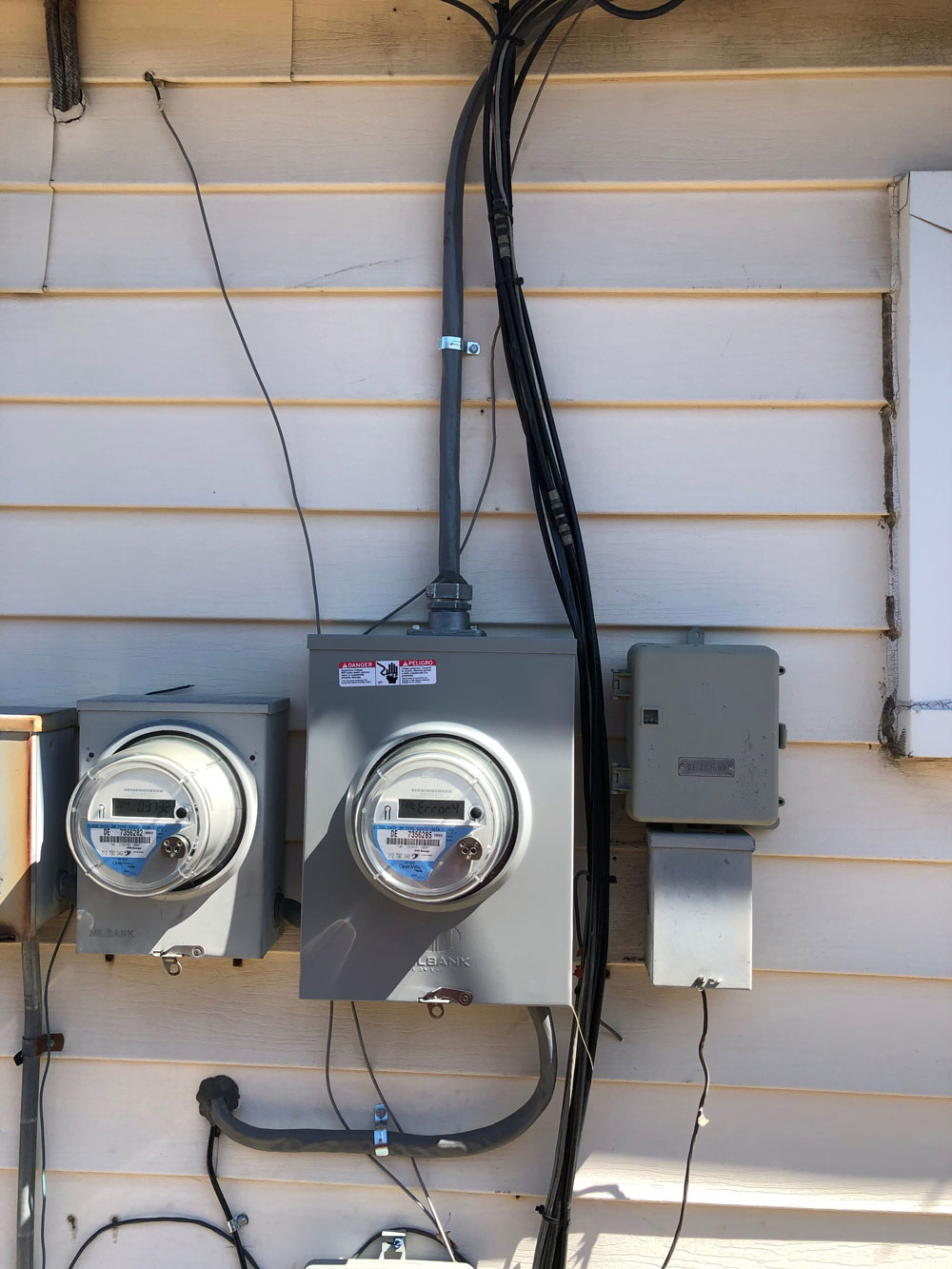
Before scheduling work, gather basic information about the EV or charger under consideration, the preferred charging location, and major appliances in the home. If available, photos of the panel, main disconnect, charger location, and the route between them can help frame the discussion. A site-specific electrical review is still important because details such as accessible routing, panel condition, and actual loads affect the final recommendation.
- Discuss the vehicle, charging goals, and whether a plug-in or hardwired charger is planned.
- Review panel capacity, available spaces, service equipment, and the home’s significant electrical loads.
- Determine whether the existing setup can support a dedicated circuit or whether panel, service, or load-management changes should be considered.
- Plan the circuit route, charger location, equipment requirements, and any needed approvals or inspections.
- Complete the agreed electrical work, then verify the charging circuit is ready for use.
Homeowners should expect the scope to depend on their individual property, not on a one-size-fits-all package. The distance to the charger, wall access, equipment selected, existing wiring, service configuration, and local permit requirements can all affect the project. Asking for an explanation of the recommended approach helps ensure that the plan matches both the charger and the home.
Make the home charging decision with future needs in mind
The best charging setup balances charging speed, electrical capacity, daily driving habits, and future plans. A vehicle that sits overnight may not need the maximum available charging rate, while a multi-EV household or driver with frequent long-distance travel may value more charging capacity. Considering these patterns before electrical work begins can help avoid oversizing or undersizing the solution.
For example, charging at a lower output may be an appropriate alternative when the existing electrical system has limited spare capacity and overnight charging meets the household’s needs. A more extensive upgrade may make sense when owners want additional capacity for a second EV, are replacing aging equipment, or are also moving toward electric heating and appliances. The right recommendation should be based on an electrical load calculation and the practical goals for the property.
Questions worth raising before selecting equipment
Ask whether the proposed charger output fits the calculated capacity of the home, whether the circuit must be dedicated, and how the equipment will be connected. It is also helpful to ask what electrical changes are included, what conditions could affect the scope, and whether future EV or appliance additions were considered. These questions make it easier to compare options without reducing the choice to charger price alone.
It is equally important to distinguish a breaker-space problem from a service-capacity problem. Adding a larger panel with more breaker positions can improve organization, but it does not automatically mean the incoming electrical service can carry more demand. Clear communication about this distinction protects against an incomplete solution and gives homeowners a better basis for planning.
How the EV Charger Panel Upgrade supporting service fits in
An EV Charger Panel Upgrade can support a more practical home-charging plan when the existing distribution equipment lacks space, capacity, or a sensible path for a dedicated circuit. The purpose is not simply to install newer equipment, but to align the panel and charging circuit with the home’s electrical demand. Reviewing this work alongside the charger choice can help prevent late changes after equipment has already been purchased.
For a Grosse Pointe, MI homeowner, coordinating panel considerations early can also make it easier to decide where the charger should be placed and what charging output is realistic. It may be helpful to share vehicle specifications, intended charger model, and future electrification plans during the initial contact. Executive Electric can use that starting information to guide a more informed conversation about the electrical work involved.
Why clear local service information matters
Choosing a provider for electrical upgrades requires more than finding someone who can mount charging equipment. The provider should be prepared to discuss the relationship between the charger circuit, the panel, and the broader service capacity, along with the project-specific factors that influence the final scope. Homeowners should also confirm how permits and inspections apply to their property rather than assuming a standard answer fits every Michigan installation.
Executive Electric offers a direct contact option for customers researching EV charging electrical needs from its Clinton Township location at 20504 Hall Rd, Clinton Township, MI 48038. The company should be contacted before purchasing or installing equipment when panel capacity is uncertain, the panel is full, or a homeowner wants to evaluate charging options alongside future electrical upgrades. Starting with the electrical system can lead to a better-informed charging decision.
Frequently asked questions
Do I always need a panel upgrade to install an EV charger?
No. An upgrade is not automatically required. The need depends on the home’s service capacity, calculated electrical demand, panel condition, available breaker space, charger output, and other major loads. A professional assessment determines whether the existing equipment can support a dedicated EV charging circuit or whether changes are appropriate.
What is the difference between a panel upgrade and adding a subpanel?
A panel upgrade may replace or improve the main distribution equipment and can be part of addressing capacity or condition concerns. A subpanel generally adds circuit space and distribution convenience downstream. A subpanel does not independently increase the electrical service capacity available to the home.
Can I choose a lower-output charger instead of upgrading my electrical service?
Sometimes. If overnight charging meets your driving needs, a lower-output charging configuration may place less demand on the electrical system. Whether that option is suitable still depends on a load calculation, the circuit requirements of the selected charger, and the condition and layout of the existing equipment.
Where is Executive Electric located for customers considering EV charging work?
Executive Electric is located at 20504 Hall Rd, Clinton Township, MI 48038. Grosse Pointe, Michigan customers can contact Executive Electric to discuss an EV charger electrical panel evaluation and share details about their vehicle, charging goals, panel, and major household loads before deciding on the next step.
Discuss your charging and panel needs
Home charging should be convenient, but it should also be planned around the electrical system that supports it. If you are considering an EV Charger Electrical Panel Upgrade in Grosse Pointe, MI, contact Executive Electric with your charger plans, property details, and questions about available capacity. A focused conversation can help you identify whether a dedicated circuit, panel work, or a broader service evaluation belongs in your project.
Contact Executive Electric to start the discussion. Executive Electric is located at 20504 Hall Rd, Clinton Township, MI 48038 and can be reached through its contact page for questions about EV charging electrical planning in Michigan.