Electrician Grosse Pointe, MI
Electrical problems deserve careful attention, whether you are planning an upgrade, investigating a persistent issue, or trying to make a space work better for everyday use. For homeowners and property decision-makers seeking an electrician in Grosse Pointe, MI, Executive Electric provides a direct point of contact for discussing the electrical work you need and the details that may affect the project.
Executive Electric is located at 20504 Hall Rd, Clinton Township, MI 48038. The company is not presented as having an office in Grosse Pointe, so it is useful to begin with a clear conversation about your property, priorities, and requested scope before making assumptions about service arrangements. That approach helps turn a vague electrical concern into an informed next step.
Electrical work begins with the right problem definition
An electrical system is a connected network, not a collection of isolated switches and outlets. A symptom such as a flickering light, a warm receptacle, a breaker that trips, or an outlet that does not work can have several possible causes. Identifying the actual issue is important because replacing a visible component may not address the condition behind it.
A qualified electrician can help evaluate the request in practical terms: what is happening, when it occurs, which circuits or devices are involved, and what change the property owner wants to achieve. This is especially valuable when a project affects existing wiring, circuit capacity, grounding, a panel, or permanently installed equipment.
Situations that often call for professional electrical attention
Some projects are clearly planned improvements, while others begin with a concern that should not be ignored. Professional evaluation is appropriate when electrical work moves beyond a simple, safe user-level task or when the cause of a problem is uncertain. It can also bring clarity before a remodel, appliance change, or other project that may alter electrical demand.
- Breakers that trip repeatedly or fuses that repeatedly fail
- Lights that dim, flicker, or behave inconsistently
- Outlets, switches, or plugs that feel warm, look damaged, or no longer function
- A need for additional receptacles, lighting, dedicated circuits, or electrical connections
- Questions about a service panel, circuit labeling, capacity, grounding, or older wiring
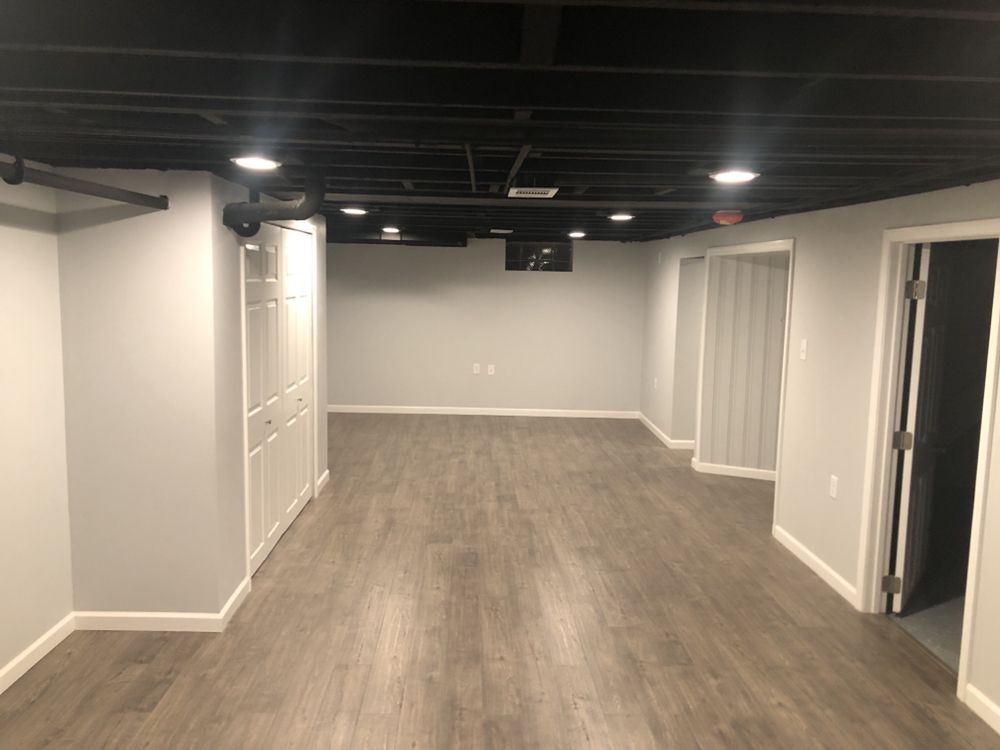
- Electrical planning connected with a renovation, addition, garage, basement, or outdoor project
Visible damage, an odor of overheating, smoke, sparks, shock sensations, or a buzzing electrical component should be treated seriously. Avoid repeatedly resetting a tripped breaker or continuing to use a damaged outlet. Reduce use of the affected equipment if it can be done safely, and seek professional guidance promptly.
What an electrician may assess at your property
The useful outcome of an electrical visit is not merely a repair recommendation. It is a clearer understanding of the condition, the options, and the work needed to address your goal. The exact assessment depends on the concern, but it often starts with the affected device or circuit and expands only as needed to understand the system connection.
From symptoms to a practical scope of work
For troubleshooting, clear observations make a difference. Note whether the issue affects one room or multiple areas, whether it happens when a particular appliance runs, and whether it began after construction, weather, or equipment changes. Those details can help an electrical contractor narrow the discussion without guessing at a cause.
- Describe the concern or project goal. Share what you have noticed, what equipment is involved, and what result you want.
- Review the relevant electrical components. Depending on the request, this can include wiring paths, receptacles, switches, fixtures, circuit breakers, the electrical panel, or connected equipment.
- Discuss appropriate options. A repair, replacement, new circuit, capacity-related improvement, or phased project may be considered based on the condition and objective.
- Confirm the scope before work proceeds. Ask what is included, what access is needed, whether other trades may be involved, and what you should expect after completion.
For a planned installation, the conversation should cover how the item will be used, not just where it will be placed. A high-demand appliance, a new lighting layout, an electric vehicle charging setup, or a workshop may have different circuit and load considerations than a general-purpose outlet. Good planning can reduce the chance of designing around an assumption that the existing circuit cannot support.
Repair, replacement, or upgrade: how to think about the choice
These options solve different problems. A repair is often intended to correct a specific fault or failed component. Replacement may make sense when a device or fixture is damaged, worn, or unsuitable for the intended use. An upgrade generally addresses capacity, access, functionality, or a broader property goal rather than one isolated symptom.
Property owners should not assume that newer is automatically necessary, or that a quick replacement is always enough. The best decision depends on the identified condition, the age and configuration of the system, the intended load, and the project scope. Ask the electrician to explain why a recommended option fits the issue and what limitations may remain with each alternative.
Choosing an electrical contractor with confidence
Choosing an electrical contractor should involve more than selecting the fastest apparent fix. Electrical work can affect safety, usability, future maintenance, and other parts of a project. A productive first contact gives you an opportunity to determine whether the provider understands the request and can communicate the next steps plainly.
Questions worth asking before you commit
Specific questions help you compare options fairly and avoid unclear expectations. They are also useful when several improvements are being considered at once, because a provider may be able to explain which work should be addressed first and which items can be planned later.
- What information about the symptom, equipment, or property would be helpful before an assessment?
- Does the proposed work address the underlying issue, the immediate symptom, or both?
- What components, access requirements, and project steps are included in the scope?
- Could the work affect walls, ceilings, finishes, other trades, or use of certain rooms?
- Are permits or inspections relevant to this type of work in the applicable jurisdiction?
- What should the property owner test, monitor, or maintain after the work is complete?
Permitting and inspection requirements can vary by the location and nature of the work. Rather than relying on a general assumption, ask about the requirements that apply to your specific Grosse Pointe, Michigan property and project. This is particularly sensible for work involving new circuits, service equipment, major alterations, or construction changes.
Why details matter in older and changing homes
Many Michigan properties have electrical systems that have been modified over time as owners add appliances, renovate rooms, replace fixtures, or change how a space is used. Previous work may be sound, but changes can create questions about available capacity, circuit assignment, access, or compatibility. A careful conversation about present use and future plans helps place an isolated request in the larger context of the property.
For example, adding lighting may be a straightforward design decision, while adding a new dedicated load can require more consideration of the circuit and panel. Similarly, a nonworking outlet may be a local device issue or may relate to an interruption elsewhere on the circuit. The value of professional electrical service is in assessing the relevant conditions before deciding on the work.
A clear next step for Grosse Pointe property needs
Executive Electric offers a practical contact option for people evaluating electrical needs in or around Grosse Pointe, MI. Start by organizing the key facts: the address of the property, the symptoms or project goal, the rooms or equipment involved, and any timing considerations. Photos of visible concerns can be useful for an initial conversation when they can be shared safely, but they do not replace an appropriate assessment.
Whether you are weighing a repair, an installation, a circuit-related improvement, or electrical planning for a larger project, clarity comes from asking focused questions and discussing the actual conditions. Executive Electric’s listed location is 20504 Hall Rd, Clinton Township, MI 48038. Contact Executive Electric to discuss your Grosse Pointe electrical request and determine an appropriate path forward.
Contact Executive Electric about your electrical project and share the details that matter most to your property and project plans.
Common questions about electrical service
When should I call an electrician for a breaker that keeps tripping?
A breaker that trips repeatedly should be professionally evaluated, especially if it trips with normal use, affects multiple devices, or is accompanied by heat, odors, buzzing, or visible damage. Repeated resetting can mask an overload, equipment problem, circuit fault, or other condition that needs assessment.
Can an electrician help plan electrical needs before a remodel?
Yes. Early electrical planning can help identify likely locations for lighting, switches, receptacles, dedicated circuits, appliances, and equipment before walls or finishes are changed. Discussing intended room use early may help avoid inconvenient placements or added work later in the project.
Is Executive Electric located in Grosse Pointe, MI?
Executive Electric’s supplied business location is 20504 Hall Rd, Clinton Township, MI 48038. The company is not identified here as physically located in Grosse Pointe. Grosse Pointe property owners can contact Executive Electric to discuss an electrical need, project details, and service arrangements.
What should I prepare before contacting an electrical contractor?
Prepare a concise description of the issue or project, the property address, affected rooms or equipment, when the problem occurs, and any visible signs such as flickering or breaker trips. Also note project goals, desired timing, and planned renovations. This information supports a more focused initial discussion.