Briggs & Stratton generator installation Grosse Pointe, MI
A standby generator can help protect a home from the disruption of a utility outage by supplying backup power automatically when the system is properly selected and installed. For property owners researching Briggs & Stratton generator installation in Grosse Pointe, MI, the essential questions are not only which generator to buy, but also how much power is needed, where equipment can be placed, and how the generator will connect safely to the home.
Executive Electric is located at 20504 Hall Rd, Clinton Township, MI 48038. The company can be a practical contact point for people who want to discuss the electrical side of a standby power project, including the information needed to plan an installation and make an informed equipment decision.
A generator is not a one-size-fits-all purchase. The right solution depends on the electrical loads a household considers essential, the fuel source available at the property, the site layout, and applicable permitting and utility requirements. Careful planning helps prevent the two common disappointments of backup-power ownership: a system that cannot support the intended loads and a system that is larger than the household actually needs.
What a Briggs & Stratton standby generator does for your home
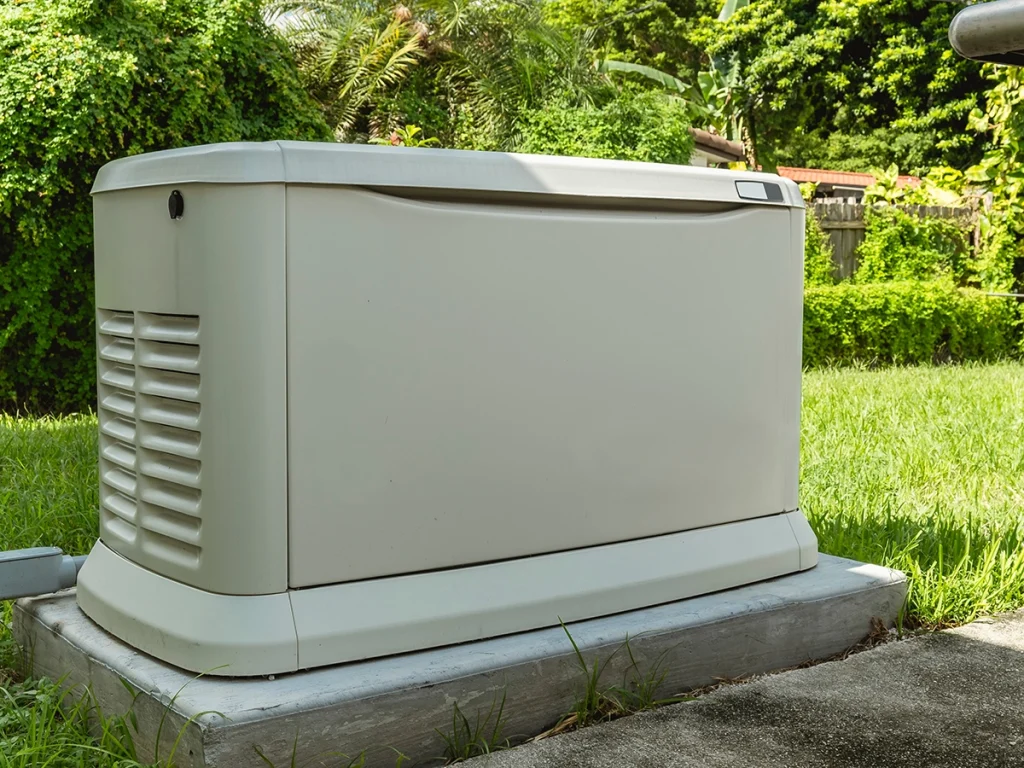
A permanently installed Briggs & Stratton home generator is designed to monitor utility power and start when an outage occurs, then transfer selected electrical loads to generator power. Unlike a portable generator, a standby system is installed outdoors and is connected to the electrical system through dedicated transfer equipment. When utility power returns, the system transfers back and shuts down according to its operating sequence.
That automatic response can be particularly valuable when an outage happens while residents are away, overnight, or during difficult weather. A properly planned backup power system can keep priority circuits or a broader portion of the home operating, depending on the generator size and transfer-switch design.
- Refrigeration and freezer circuits that help protect stored food
- Sump pumps and other equipment that may be important during storms
- Heating equipment, blowers, and controls when compatible with the system design
- Lighting, internet equipment, security systems, and selected receptacles
- Medical-support equipment or other critical household loads, when appropriately planned
Backup power does not automatically mean every appliance can run at the same time. High-demand loads such as central air conditioning, electric ranges, electric dryers, hot tubs, and vehicle charging can change the required generator capacity substantially. Discussing real household priorities early is more useful than choosing a unit based only on square footage.
Whole-home coverage and essential-load coverage are different choices
Whole-home backup is intended to support most or all of a home’s electrical demand within the limits of the generator and load-management design. Essential-load coverage focuses on a selected group of circuits, such as refrigeration, lighting, pumps, heating controls, and communications. Neither approach is universally better. The appropriate choice depends on comfort expectations, the home’s electrical loads, and the budget allocated to the project.
Load management can be part of the decision. A system may be designed to prioritize certain equipment and limit the simultaneous operation of less critical, high-demand appliances. This can allow a homeowner to balance capacity needs with practical day-to-day expectations during an outage.
Why a transfer switch is central to safe backup power
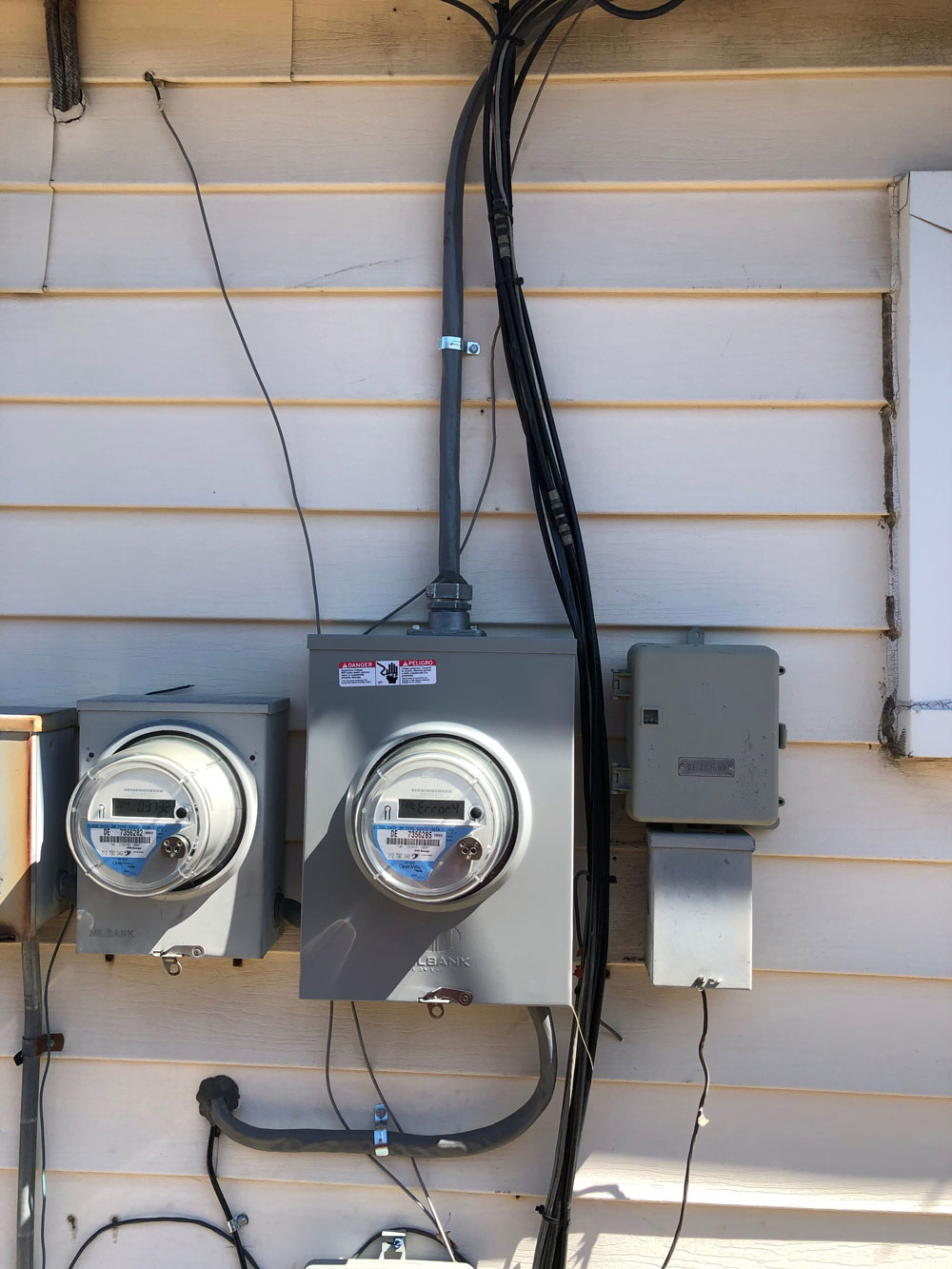
The transfer switch is the component that separates generator power from the utility supply and directs power to the intended circuits or service equipment. It is not an optional add-on. Proper transfer equipment helps prevent generator power from feeding back into utility lines, a hazardous condition, while allowing the generator and home electrical system to operate in the intended sequence.
The generator, transfer switch, service panel, grounding and bonding arrangement, fuel connection, and placement requirements must be considered as one installation. This is why a standby generator project should be evaluated as an electrical system rather than treated as an appliance delivery.
How to prepare for a generator installation conversation
The most productive first step is to identify what your household must keep running during an outage and what you are willing to manage manually. A clear list of priorities gives an electrical professional a better starting point for discussing generator sizing, transfer options, and potential limitations at the property.
For a Briggs & Stratton generator installation, Executive Electric can discuss the electrical planning factors that affect the project. Bringing basic information to that conversation can reduce uncertainty and help clarify whether essential-circuit coverage, broader home coverage, or load management makes the most sense.
- List priority loads. Note equipment that needs to operate during an outage, including pumps, refrigeration, heating equipment, communications, lighting, and any medically necessary devices.
- Identify major electrical loads. Consider air conditioning, electric heat, dryers, ranges, water heaters, pools, hot tubs, and EV chargers, even if they are not intended to run on backup power.
- Review fuel availability. Standby generators commonly use natural gas or propane, and the fuel arrangement should be evaluated as part of the project.
- Consider equipment placement. Outdoor generator placement must account for manufacturer instructions, clearance requirements, site conditions, access for service, and local rules.
- Ask about permits and inspections. Electrical, building, zoning, fuel-gas, and utility requirements can vary, so the project should be planned with applicable local requirements in mind.
What happens during a typical standby generator project
A typical project begins with a site and electrical assessment. The discussion may include the service size, existing electrical panels, anticipated loads, proposed generator location, and the route for electrical and fuel connections. The purpose is to identify the work needed to integrate the generator safely with the home.
After the system approach is selected, the installation generally involves setting the generator in its designated outdoor location, installing transfer equipment, making electrical connections, coordinating the required fuel connection, and completing the applicable permitting and inspection process. Exact sequencing and scope vary by property and by local requirements.
At completion, a homeowner should understand the basic operating status of the system, what loads are intended to be supported, and why routine maintenance matters. Standby generators are mechanical and electrical equipment. Periodic exercising and manufacturer-recommended service help identify issues before an outage puts the system to use.
Questions that help you choose the right installation approach
Choosing a generator installer should involve more than comparing generator models. A homeowner should look for a clear discussion of electrical capacity, transfer equipment, fuel considerations, code and permit responsibilities, and the practical limits of the proposed configuration. Specific answers are more valuable than broad promises about “whole-home” power.
- Which circuits or appliances are expected to have backup power?
- How was the generator capacity selected in relation to the home’s loads?
- Will the design use a service-rated transfer switch, an essential-load panel, or another appropriate configuration?
- Are there high-demand appliances that will need to be managed or excluded during an outage?
- What site, electrical-panel, fuel, permit, or inspection issues could affect the scope?
- What owner maintenance and exercise schedule does the manufacturer recommend?
These questions can also expose a common misconception: generator size alone does not define the quality of backup power. A large generator still needs correctly selected transfer equipment, suitable fuel supply, sound electrical integration, and a plan for the home’s actual loads. Conversely, a carefully designed essential-load system can provide meaningful resilience without attempting to power every electrical device.
When a standby generator may be the right fit
A standby generator can be a sensible consideration for households that want automatic backup rather than the manual setup associated with portable equipment. It may also be appropriate for homes where water management, refrigerated medications or food, heating controls, remote work, communications, or security systems make a prolonged outage more disruptive.
Portable generators remain an alternative for some homeowners. They can have a lower initial equipment cost and may meet limited, occasional needs, but they require manual setup, safe outdoor operation, fuel handling, and a proper connection method. A permanently installed Briggs & Stratton backup generator is generally chosen by homeowners who value automatic operation and a more integrated electrical solution.
Residents considering Briggs & Stratton generator installation Grosse Pointe, MI should also think beyond the first outage. Ask how the household’s needs may change, whether future electrical additions are likely, and whether the current fuel and service arrangements support the desired backup plan. Planning for realistic use is a strong foundation for a system that remains useful over time.
Talk with Executive Electric about your backup power priorities
Executive Electric provides a direct point of contact from its Clinton Township, Michigan location at 20504 Hall Rd, Clinton Township, MI 48038. Sharing your outage concerns, priority appliances, and known property details can help start a focused conversation about the electrical considerations behind a Briggs & Stratton standby generator project.
Whether your goal is keeping a few important circuits operational or evaluating broader coverage, a planned approach is preferable to making decisions after an outage has already occurred. Contact Executive Electric to discuss your needs, ask project-specific questions, and determine the next practical step for your property.
Ready to explore a backup-power plan? Contact Executive Electric at its 20504 Hall Rd, Clinton Township, MI 48038 location to begin the conversation.
Frequently asked questions about standby generator installation
How does a Briggs & Stratton standby generator work during an outage?
A standby generator monitors utility power through its transfer equipment. When an outage is detected, the generator starts and the transfer switch moves designated loads to generator power. When utility service returns, the system transfers the loads back and the generator shuts down through its normal sequence.
Can a standby generator power my entire house?
It can, but whole-home coverage depends on the home’s electrical demand, generator capacity, transfer-switch configuration, fuel supply, and whether load management is used. Many households instead choose essential-load coverage for selected circuits. A load review is the best way to determine what the proposed system can reasonably support.
Do I need a transfer switch for a permanently installed generator?
Yes. A transfer switch or appropriate transfer equipment is a core part of a permanent generator installation. It isolates generator power from utility power, directs electricity to the intended home loads, and helps prevent dangerous backfeeding into utility lines. The equipment choice depends on the electrical system and desired coverage.
Is Executive Electric physically located in Grosse Pointe, MI?
Executive Electric is located at 20504 Hall Rd, Clinton Township, MI 48038. Homeowners seeking generator installation in Grosse Pointe, MI can contact Executive Electric to discuss their project, property details, and the electrical planning considerations involved.