EV Charger Installation Grosse Pointe Woods, MI
Driving electric is simpler when charging fits naturally into your routine. For homeowners and drivers researching EV Charger Installation Grosse Pointe Woods, MI options, Executive Electric can be a practical point of contact for planning a dedicated, properly considered home charging setup. Executive Electric is located at 20504 Hall Rd, Clinton Township, MI 48038, and customers can use the contact page to discuss their project details.
A home charging setup is not just a receptacle on a wall. The right approach accounts for your vehicle, daily mileage, parking arrangement, electrical panel capacity, charger location, and the requirements that may apply to the work. Taking time to evaluate those details before equipment is selected can help avoid inconvenient placement, inadequate charging speed, or unexpected electrical upgrades later.
Make Home Charging Work for Your Vehicle and Routine
A dedicated home charger can give EV owners a dependable place to recharge between drives. Instead of relying solely on public stations, many drivers prefer to plug in where they park and begin the next day with useful range available. The best equipment and electrical design depend on how you use the vehicle, not simply on choosing the highest advertised charging output.
Level 1 charging uses a standard household outlet and can suit low-mileage situations, but it is generally slower. Level 2 charging uses 240-volt power and is commonly selected for faster overnight or routine home charging. A charging plan should match the vehicle’s onboard charging capability and the home’s available electrical capacity, since the charger cannot force a vehicle to accept more power than it is designed to receive.
Start with the parking space, not the product box
The parking location often determines much of the installation plan. A garage, carport, driveway, detached structure, or shared parking area can affect cable routing, weather exposure, wall access, and the distance from the electrical panel. Planning for a connector that reaches the vehicle without creating a tripping hazard is an important part of a functional result.
It also helps to think ahead. A household that expects to add a second EV, change vehicles, renovate a garage, or increase electrical loads may want to discuss options that leave room for future changes. A clear site assessment creates a better basis for deciding whether a straightforward circuit, panel work, load management, or another approach is appropriate.
Understand the value of a dedicated charging circuit
EV chargers are continuous electrical loads, which is why the circuit, breaker, conductor sizing, and equipment instructions all matter. A dedicated circuit is designed around the charging equipment rather than sharing capacity with unrelated household loads. Proper planning also considers the home’s electrical service and panel space before a charger is purchased or installed.
- Convenient daily charging: Plug in at home instead of building every drive around public charging availability.
- Charging matched to your needs: Choose a setup based on vehicle capability, expected driving, and usable electrical capacity.
- Cleaner cable management: Position equipment where it is practical to reach the charge port and store the cable.
- Future-minded planning: Consider anticipated vehicle changes and other electrical loads before finalizing the design.
What a Thoughtful Charger Project Typically Involves
A well-planned charger project follows a sequence: assess the electrical system and parking area, choose suitable equipment, determine any permitting needs, complete the electrical work, and verify operation. This process helps turn a broad request for home charging into a setup based on the actual property and vehicle. The scope can vary significantly between homes, so an early conversation should focus on the details that affect safety, function, and cost.
- Identify where the EV normally parks and where the charging port sits on the vehicle.
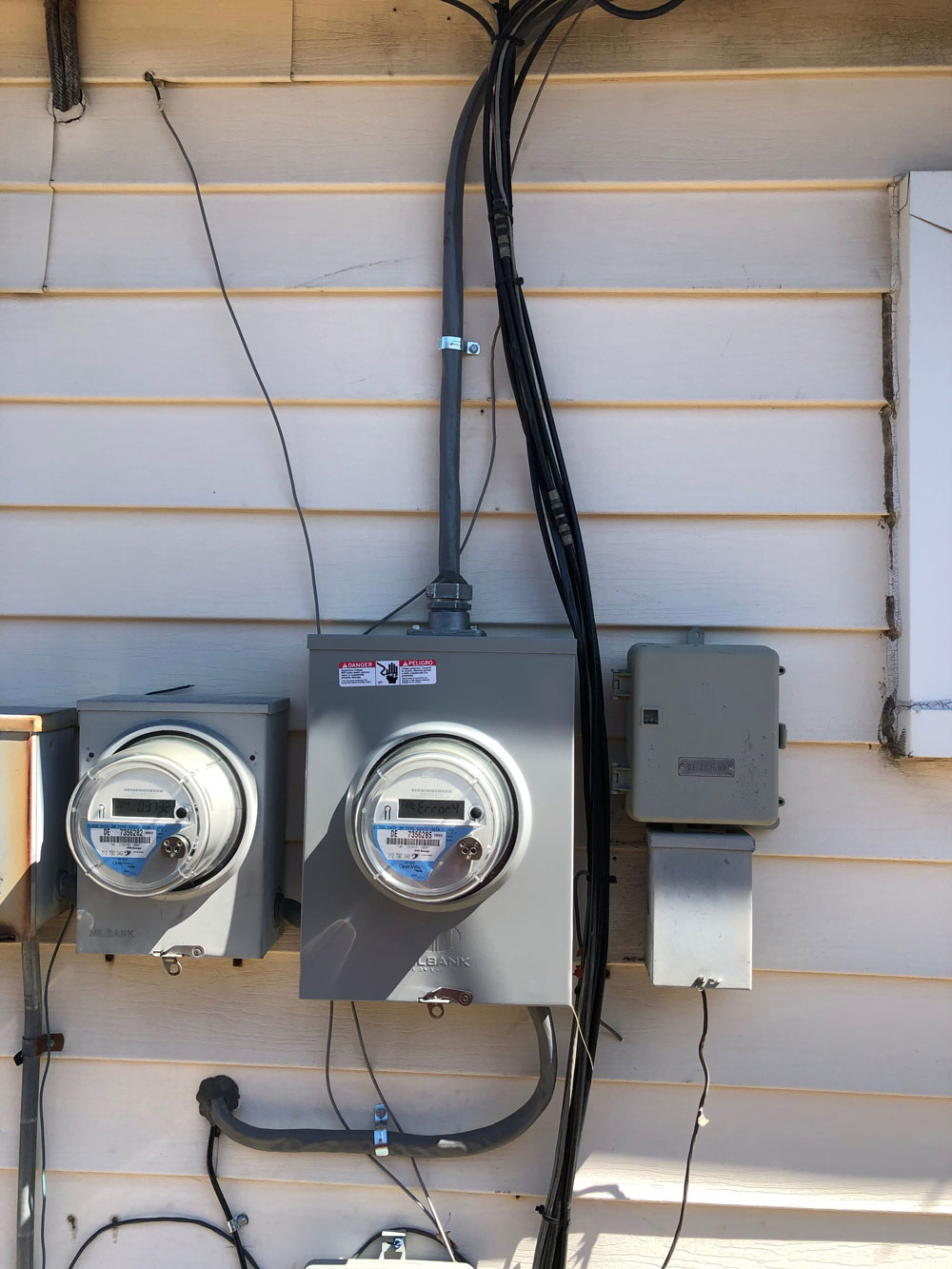
- Review the electrical panel, service capacity, available breaker spaces, and route to the proposed charger location.
- Compare hardwired and plug-in equipment, charging ratings, cable length, controls, and future-use considerations.
- Confirm local permitting or inspection requirements that may apply to the planned electrical work.
- Complete installation, test the charger and vehicle connection, and keep relevant equipment information for reference.
Hardwired and plug-in chargers solve different needs
Hardwired equipment connects directly to the electrical circuit, while plug-in units connect through a receptacle designed for the charger and load. Either arrangement may be appropriate depending on the equipment instructions, the installation design, and future flexibility goals. The decision should be based on the actual charger, the electrical plan, and applicable requirements, rather than assuming one format is automatically better for every home.
Some drivers also want scheduling, energy monitoring, access control, or app-based visibility. These features can be useful when charging during selected hours, tracking household energy use, or coordinating more than one driver. They do not replace the need for an electrical setup that is appropriately designed for the equipment and property.
Electric car charger installation begins with more than selecting a charger model. The installation should account for the electrical load, the distance to the panel, the conditions where the equipment will be mounted, and how the driver will use the cable every day. Discussing those details first helps a homeowner compare options with a clearer understanding of what each option requires.
An EV charging station installation can be particularly useful for drivers who want routine charging at the place where the vehicle is parked most often. A home station may reduce dependence on public charging for ordinary commuting and errands, although public fast charging can still be valuable for longer trips. The appropriate charging rate should be considered alongside the driver’s available parking time, because overnight charging needs are different from rapid roadside charging needs.
An EV charging point installation should place the connection point where it is accessible, protected as appropriate, and convenient for the vehicle’s charge-port location. The term can describe the physical place where charging occurs, but a usable charging point also depends on sound wiring, a suitable circuit, and thoughtful cable routing. Drivers should avoid choosing a location solely because it is closest to the panel if it makes daily plug-in awkward or leaves the cable in a poor position.
Questions to Consider Before Choosing an Installer
The right provider conversation should be specific to the property and equipment rather than limited to a generic charger request. A homeowner benefits from explaining the vehicle model, charger model if one has been chosen, preferred mounting area, electrical-panel age or condition if known, and future EV plans. Those details support a more useful discussion of possible scope and next steps.
A Professional EV charger installer should be able to evaluate the electrical and practical considerations that affect the job, rather than treating all homes as identical. Ask how panel capacity, circuit routing, equipment requirements, permitting, and inspection may factor into the plan. It is also reasonable to ask what information should be gathered before the visit, especially when the charger will be installed away from the main electrical panel.
- Is the proposed charger compatible with the vehicle and suitable for the desired charging routine?
- Does the electrical panel have the capacity and space needed for the planned circuit?
- Will the equipment be hardwired or use a receptacle, and what does the manufacturer’s documentation require?
- Where will the cable rest when it is not in use, and can it reach the charge port comfortably?
- What permits, inspections, or association requirements should the property owner confirm before work begins?
Smart controls can add flexibility, but they are not the whole plan
Smart EV charger installation may appeal to drivers who want scheduled charging, usage data, notifications, or connected controls. These capabilities can make it easier to manage a charging routine, but Wi-Fi access, app compatibility, account requirements, and the charger manufacturer’s features are worth reviewing before purchase. The electrical installation still needs to be designed appropriately even when the charger includes advanced software functions.
For some households, a simpler charger with reliable physical controls may be the better fit. For others, connected features can provide helpful visibility into charging sessions or allow scheduled operation. Comparing the equipment’s practical features with the household’s actual habits keeps the decision focused on value, not just on a long feature list.
Talk With Executive Electric About Your Charging Plan
Executive Electric offers a clear starting point for drivers considering home EV charging in the Grosse Pointe Woods, MI area. Share the vehicle type, charger preferences, parking arrangement, and any photos or information you have about the electrical panel when you reach out. That preparation can make the first discussion more productive and help identify the factors that may shape the project.
Michigan homeowners often find that the strongest charging solution is the one that fits both the house and the driver’s real schedule. Whether you are moving beyond Level 1 charging, planning for a new electric vehicle, or considering a connected charger, a project-specific review is a sensible next step. Executive Electric’s listed location is 20504 Hall Rd, Clinton Township, MI 48038.
Ready to discuss a home charging setup? Contact Executive Electric to start a conversation about your EV charger project, equipment considerations, and electrical installation needs. Provide your property and vehicle details so the team can help you evaluate the next step.
EV Charger Installation Questions
What is the difference between Level 1 and Level 2 home EV charging?
Level 1 charging generally uses a standard household outlet and delivers a slower charge. Level 2 charging uses a 240-volt circuit and commonly provides faster charging for routine home use. The right choice depends on vehicle capability, daily driving needs, available parking time, and the home’s electrical capacity.
Do I need to upgrade my electrical panel for a home EV charger?
Not every home needs a panel upgrade. The decision depends on the existing electrical service, current household loads, available panel space, charger rating, and applicable requirements. An evaluation of the electrical system is the practical way to determine whether the planned circuit can be added as-is or whether additional work should be considered.
Can I install my EV charger outside?
Outdoor charging can be possible when the equipment is rated for the intended environment and the installation is planned for weather exposure, mounting, cable management, and electrical requirements. The charger location should also allow convenient access to the vehicle without leaving the cable where it creates an obstacle or is likely to be damaged.
Why should Grosse Pointe Woods, MI drivers contact Executive Electric before buying a charger?
Contacting Executive Electric first gives drivers an opportunity to discuss the vehicle, parking layout, electrical panel, desired charging speed, and equipment choices. Those details can affect the installation approach, so an early conversation can help the buyer select a charger and location that better fit the property.