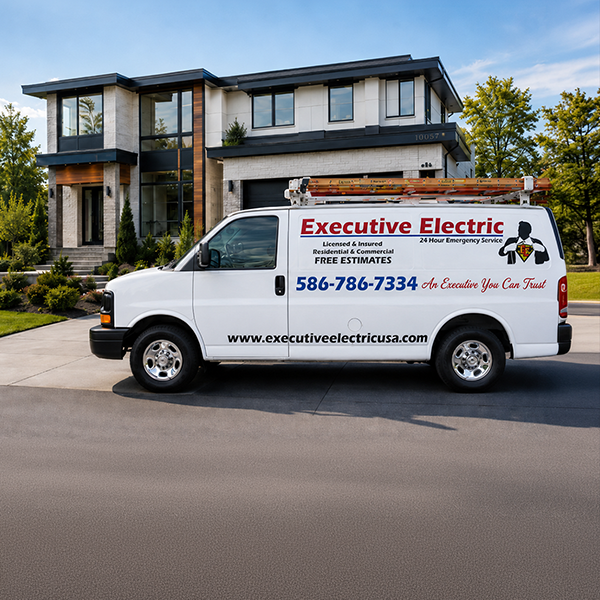
Diesel Generator Installation Grosse Pointe Woods, MI
When an outage could interrupt safety systems, essential equipment, refrigeration, communications, or daily operations, a properly planned standby power system can provide a practical layer of continuity. Executive Electric helps property owners evaluating diesel generator installation in Grosse Pointe Woods, MI understand the electrical, site, and equipment decisions involved before a project moves forward. The company is located at 20504 Hall Rd, Clinton Township, MI 48038, and prospective customers can contact Executive Electric to discuss their project needs.
A diesel-powered backup system is not simply a generator placed beside a building. It is an integrated arrangement of a generator set, fuel supply, transfer equipment, electrical connections, controls, and site conditions that must work together when utility power is unavailable. Careful planning helps a customer choose a system that supports priority loads without paying for unnecessary capacity or overlooking important installation requirements.
Start With the Loads That Matter During an Outage
The first decision in a backup power project is determining what must continue operating when normal utility service stops. Some properties need only selected circuits, while others may need broader coverage for operational, safety, or comfort reasons. Executive Electric can help frame the project around the equipment and circuits that matter most rather than treating every building as if it has the same power needs.
- Heating equipment, sump pumps, refrigeration, and lighting
- Security, access-control, communications, and network equipment
- Medical, business, production, or process-related loads where applicable
- Selected receptacles and appliances needed for short-term continuity
- Whole-building loads when the electrical demand and project design support that approach
Listing priority loads creates the foundation for a realistic load calculation. Starting motors, compressors, pumps, and HVAC equipment can draw more power at startup than they use while running, so nameplate information and operating behavior both matter. A thoughtful review also identifies which loads can be managed, delayed, or excluded to keep the emergency power design focused and cost-conscious.
Load calculation is more useful than guessing by square footage
Generator sizing should be based on the actual electrical demand the system is expected to carry, not solely on the size of a home or commercial building. A load assessment considers voltage, phase, amperage, motor starting requirements, existing service equipment, and the desired level of backup coverage. This process helps avoid undersizing, which can limit performance, and excessive oversizing, which can add equipment, fuel, and installation cost without a matching benefit.
It is also wise to account for foreseeable changes. A planned addition, new HVAC equipment, upgraded refrigeration, or future electrical loads may influence capacity decisions today. Discussing those plans early gives the installation design a better chance of remaining suitable as the property changes.
Choosing the right diesel generator configuration
Diesel generator systems are often considered where dependable on-site fuel storage, longer outage planning, or larger power demands are important. The right configuration depends on the required load, how long the system may need to run, available site space, fuel arrangements, noise considerations, and applicable local requirements. There is no universal generator size or fuel-storage approach that fits every Michigan property.
For some customers, a permanently installed diesel unit is a better match than relying on portable equipment. Portable generators can be useful for limited, temporary needs, but they generally require manual setup, safe refueling, extension-cord management or a suitable inlet arrangement, and more direct user involvement. A fixed standby generator can be designed to work with transfer equipment and selected electrical loads as part of a coordinated backup-power plan.
Site conditions affect the design before equipment arrives
Space, access, ventilation, exhaust routing, equipment clearances, service access, and the path for electrical conductors all shape a generator installation. Outdoor equipment placement requires attention to the manufacturer’s requirements and relevant code considerations, while an indoor or enclosed arrangement introduces additional ventilation and exhaust planning. Site evaluation also helps identify whether pad preparation, trenching, conduit, fuel-system work, or electrical upgrades may be part of the overall scope.
A project in Grosse Pointe Woods, MI should be evaluated for the specific property rather than assumed to follow a standard layout. Existing panels, service capacity, building use, and the location of critical loads can materially change the design. Addressing these details before installation helps reduce avoidable changes later in the process.
How Diesel Backup Power Is Installed and Connected
A professional installation typically follows a defined sequence: assess the property, develop the electrical plan, prepare the site, place the equipment, make connections, and verify operation. Each project varies, but the purpose of the sequence is consistent: create a safe, organized system that can transfer designated loads from utility power to generator power when needed. Permit, inspection, and utility-related requirements may apply depending on the project and jurisdiction.
- Initial project review: Identify essential loads, existing electrical equipment, available space, and operating goals.
- System design: Establish generator capacity, transfer method, circuit strategy, conductor routing, and fuel considerations.
- Site and electrical preparation: Coordinate the equipment location, pad or mounting needs, conduit paths, and any panel modifications.
- Equipment connection: Install the generator, transfer equipment, controls, grounding, and associated electrical components as required by the design.
- Testing and handoff: Verify the transfer sequence and explain the basic operating and maintenance responsibilities for the installed system.
The phrase Diesel generator installation describes more than connecting a machine to a panel. It includes matching the generator to the intended loads, integrating a transfer method that prevents unsafe backfeeding, and planning for fuel, ventilation, access, and ongoing service. Executive Electric can be a useful point of contact for customers who want to discuss those connected decisions before committing to equipment.
Transfer equipment keeps utility and generator power separated
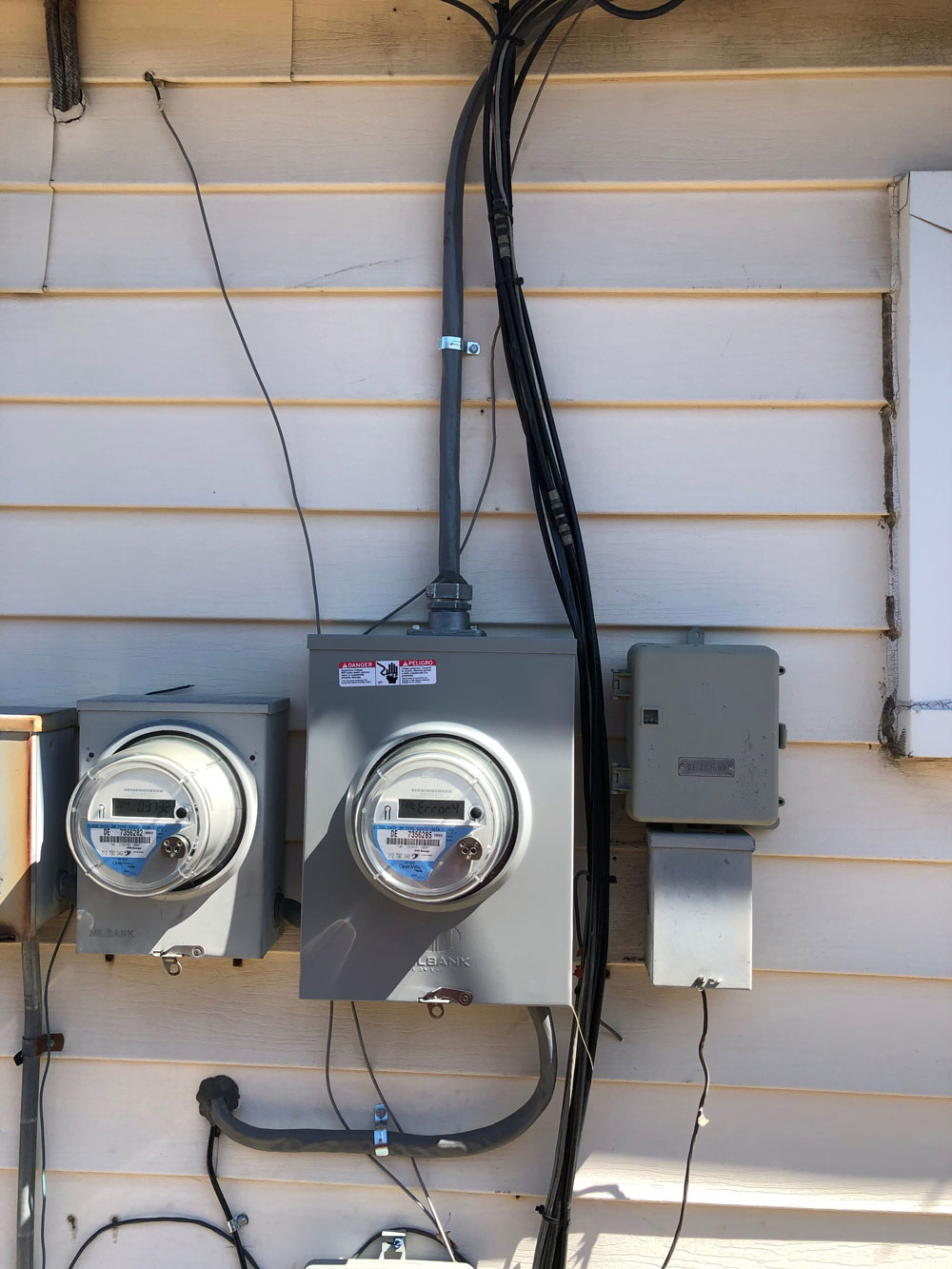
An automatic transfer switch, or another properly selected transfer arrangement, manages the transition between normal utility power and backup generator power. Its core purpose is to isolate the utility source from the generator source, preventing both from feeding the electrical system at the same time. Depending on the design, the system may transfer selected circuits, a dedicated emergency panel, or a larger portion of the property’s electrical load.
Automatic transfer can reduce the need for someone to manually connect or start equipment during an outage. However, automatic operation does not eliminate the need for appropriate generator capacity, sound installation practices, fuel planning, and periodic attention to the system. Customers should understand which loads will transfer and what operating sequence to expect before relying on the system during an emergency.
Benefits, Tradeoffs, and Ongoing Responsibilities
The main benefit of a diesel standby system is the ability to support planned essential loads when utility service is interrupted. For a residence, that may mean preserving basic comfort, lighting, refrigeration, and protective equipment. For a business or facility, it may mean reducing interruption to critical operations, communications, security, inventory protection, or selected processes.
- Continuity: Essential systems can remain available during an outage when the installed capacity supports them.
- Convenience: Automatic transfer equipment can begin the backup sequence without manual cord connections.
- Focused protection: A prioritized-load design can direct available power to the equipment with the greatest value.
- Preparedness: On-site generation can reduce dependence on finding portable equipment or fuel after an outage begins.
Those benefits come with practical responsibilities. Diesel fuel must be managed appropriately, the generator and transfer equipment need periodic maintenance, and the system should be exercised and inspected according to manufacturer guidance and the needs of the installation. A backup generator is most valuable when it is treated as a maintained power asset rather than equipment that is forgotten between outages.
Cost is another meaningful tradeoff. Whole-property coverage can require more capacity and more complex electrical work than a selected-load approach, while a smaller critical-load system may provide strong value for customers with clearly defined priorities. Asking for a scope that separates essential loads from optional loads can make it easier to compare approaches and make a decision that fits the property’s actual needs.
What to Consider Before Selecting an Installation Partner
A useful conversation about generator installation should cover the property’s electrical goals and constraints in plain terms. Before contacting Executive Electric, gather recent electrical information if available, make a list of priority equipment, and note any planned renovations or new major loads. Clear input at the beginning can help shape a more productive discussion about the appropriate backup power solution.
Customers in Michigan may also want to ask how the proposal addresses installation location, transfer equipment, fuel-system coordination, electrical panel work, permits, inspections, startup testing, and maintenance expectations. These questions help distinguish a complete system plan from a simple equipment purchase. They also make it easier to understand what is included, what may require separate coordination, and how the installed system is intended to operate.
Common Questions About Standby Generator Projects
How is a diesel generator sized for a property?
Generator sizing starts with the loads that must operate during an outage. The review considers running wattage, motor-starting demand, voltage, phase, and whether the system will serve selected circuits or broader building loads. A load calculation is more reliable than choosing a unit based on building size alone.
Can a diesel generator power an entire building?
It can, if the generator capacity, transfer equipment, fuel arrangement, and electrical design are matched to the building’s demand. Many customers instead choose critical-load coverage to prioritize essential equipment and control project cost. The appropriate approach depends on the property’s outage priorities and electrical characteristics.
What happens when utility power returns?
With an automatic transfer arrangement, the system is designed to move supported loads back to normal utility power after the utility source has returned and the transfer sequence permits it. The generator then follows its programmed cooldown or shutdown process. Exact operation depends on the installed equipment and system settings.
Does a standby generator need maintenance if it rarely runs?
Yes. Fuel condition, batteries, fluids, filters, controls, and transfer equipment still require periodic attention even when outages are infrequent. Regular exercising and maintenance help identify issues before the system is needed, while following the manufacturer’s maintenance guidance supports reliable readiness.
Discuss Your Backup Power Plan With Executive Electric
If you are considering Diesel Generator Installation in Grosse Pointe Woods, MI, begin with the loads and outcomes you need to protect. Executive Electric, located at 20504 Hall Rd, Clinton Township, MI 48038, can help you start a conversation about generator capacity, transfer equipment, site considerations, and the next steps for your property. Contact Executive Electric to discuss a diesel backup-power project and determine what information is needed for a well-planned installation.