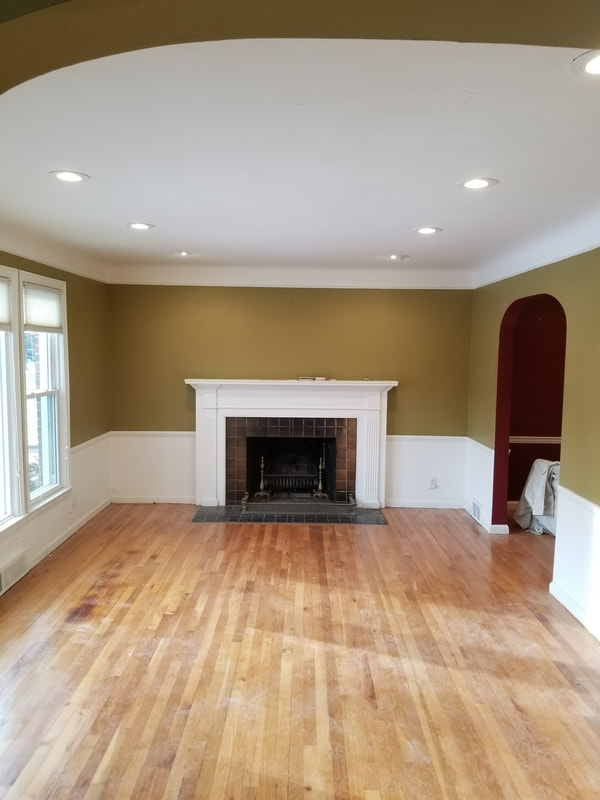
Recessed Lighting Grosse Pointe Shores, MI
Thoughtful lighting can change how a room functions without adding visual clutter. For homeowners planning recessed lighting in Grosse Pointe Shores, MI, the important decisions are not limited to where each fixture goes. Ceiling access, existing wiring, beam placement, room activities, dimming needs, trim style, and light color all affect the finished result.
Executive Electric is located at 20504 Hall Rd, Clinton Township, MI 48038. Property owners in Grosse Pointe Shores and elsewhere in Michigan can use this page to understand the planning questions that matter before contacting an electrician about a recessed fixture installation, replacement, or lighting update.
Often called can lights, downlights, pot lights, or wafer lights, recessed fixtures sit within the ceiling rather than hanging below it. That clean profile can be especially useful where a ceiling-mounted fixture feels bulky, where task lighting is limited, or where an existing room needs more even illumination.
What Recessed Fixtures Can Solve in a Home
Recessed lighting is a practical option when a room needs broader, more controlled light while preserving open sightlines. A properly planned layout can support everyday tasks, improve visibility in key areas, and help a space feel more balanced after dark. The best layout depends on the room, not on a one-size-fits-all grid.
Homeowners commonly explore ceiling lights when one central fixture leaves corners dim, countertop work feels shadowed, or furniture placement makes floor and table lamps inconvenient. These fixtures can provide ambient lighting across a room, targeted task illumination, or accent light for a wall, artwork, cabinet, or architectural feature. One installation can also combine those functions through separate circuits or dimmer controls when the electrical design allows.
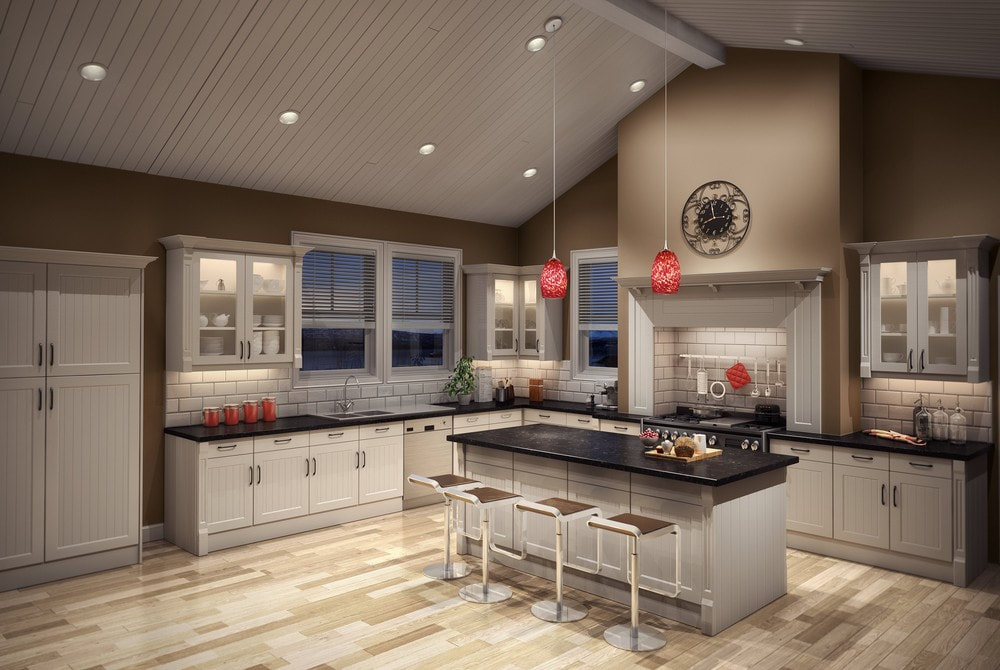
- Kitchens: Downlights can supplement decorative fixtures by improving light on work surfaces and circulation areas.
- Living rooms and family rooms: Dimmable ceiling lighting can support brighter daily use and lower-level evening light.
- Bathrooms: Recessed fixtures can add general illumination, with fixture selection and placement considered carefully around moisture-prone areas.
- Hallways and entries: Low-profile lighting can make narrow or low-ceiling spaces easier to navigate without a hanging fixture.
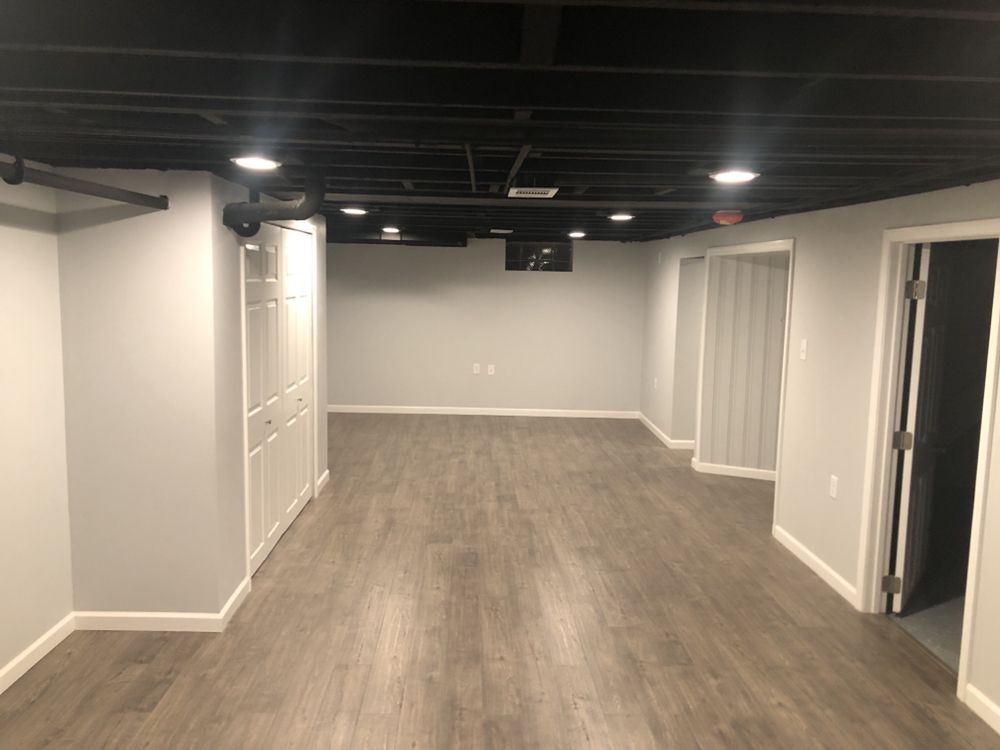
- Basements and finished lower levels: Flush ceiling lights can preserve headroom while spreading light more evenly than a single central fixture.
Not every room needs many fixtures. Too few lights can leave gaps and shadows, while too many can create glare, visual busyness, and unnecessary energy use. A useful plan considers furniture, countertops, pathways, ceiling height, window light, and how the household actually uses the space.
Ambient, task, and accent light should be planned differently
Ambient light establishes the room’s overall brightness, task light helps with activities such as food preparation or reading, and accent light draws attention to a chosen surface or object. Recessed fixtures can contribute to all three, but beam direction, spacing, trim, and switching should match the intended purpose. A fixed downlight aimed at open floor area is different from an adjustable fixture intended to highlight a wall or feature.
Layered lighting is often more comfortable than relying exclusively on recessed fixtures. Pendant lights over an island, under-cabinet lighting at counters, wall sconces, and lamps can each serve a role that ceiling downlights do not. Discussing the full lighting plan before holes are cut helps avoid using recessed fixtures as a substitute for every other kind of light.
Planning a Layout Before Electrical Work Begins
A successful recessed-lighting project begins with an on-site evaluation of the ceiling and the electrical path, followed by a layout that supports the room’s use. The process should account for framing and obstructions above the ceiling, existing circuits, switch locations, fixture type, and any conditions that affect safe installation. Final requirements may vary by property and project scope.
For an existing finished room, access above the ceiling can be a major consideration. Joists, ductwork, plumbing, insulation, and other building components may limit where a fixture can fit. That is why fixture locations should not be chosen solely from a sketch of the room below.
- Define the goal: Identify whether the priority is brighter general light, work-surface visibility, a remodel update, or better control of a particular zone.
- Review the room: Note ceiling height, furniture, cabinets, doors, windows, architectural details, and surfaces that may reflect light.
- Evaluate the electrical approach: Consider circuit capacity, wiring routes, switch placement, and whether dimmers or multiple lighting zones are desired.
- Select compatible fixtures and controls: Match the housing or slim fixture, trim, LED lamp or integrated LED unit, and dimmer for the intended application.
- Confirm the final layout: Verify locations before installation so the plan works around both the room below and the ceiling structure above.
Executive Electric can be contacted to discuss the scope of a lighting project and the details that should be reviewed for a specific property. Clear information about the room, current fixtures, desired controls, and renovation plans makes the initial conversation more productive for customers considering an electrical lighting update in Michigan.
Fixture size is only one part of the decision
Small-aperture lights can offer a subtle appearance, while larger fixtures may provide a different visual effect and light distribution. Modern slim LED recessed lights are popular for their low-profile design, but the right choice depends on the ceiling construction, desired output, and product compatibility. Traditional recessed housings and remodel housings may be considered in situations where their design better fits the installation conditions.
Trim also shapes the result. Baffle trims can help reduce glare, reflector trims can increase perceived brightness, and adjustable trims can direct light toward a focal point. Color temperature deserves equal attention: warmer light often feels softer in living spaces, while cooler or more neutral light may be preferred for detail-oriented activities. Selecting a color temperature should be coordinated across nearby fixtures so connected rooms do not look mismatched.
Dimmers, zones, and LED compatibility affect daily comfort
Control is one of the strongest practical reasons to plan recessed lights carefully. A dimmer can let the same room function for cleaning, homework, entertaining, or relaxing, but the dimmer and LED fixtures need to be compatible. Incompatible products can lead to flickering, limited dimming range, buzzing, or lights that do not turn fully off as expected.
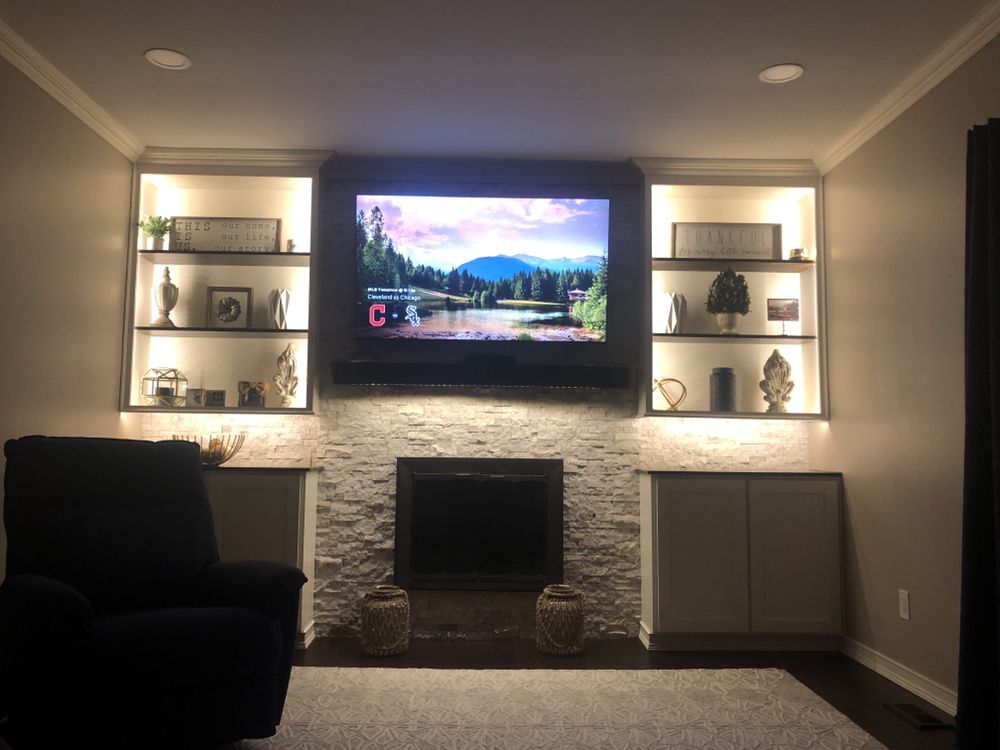
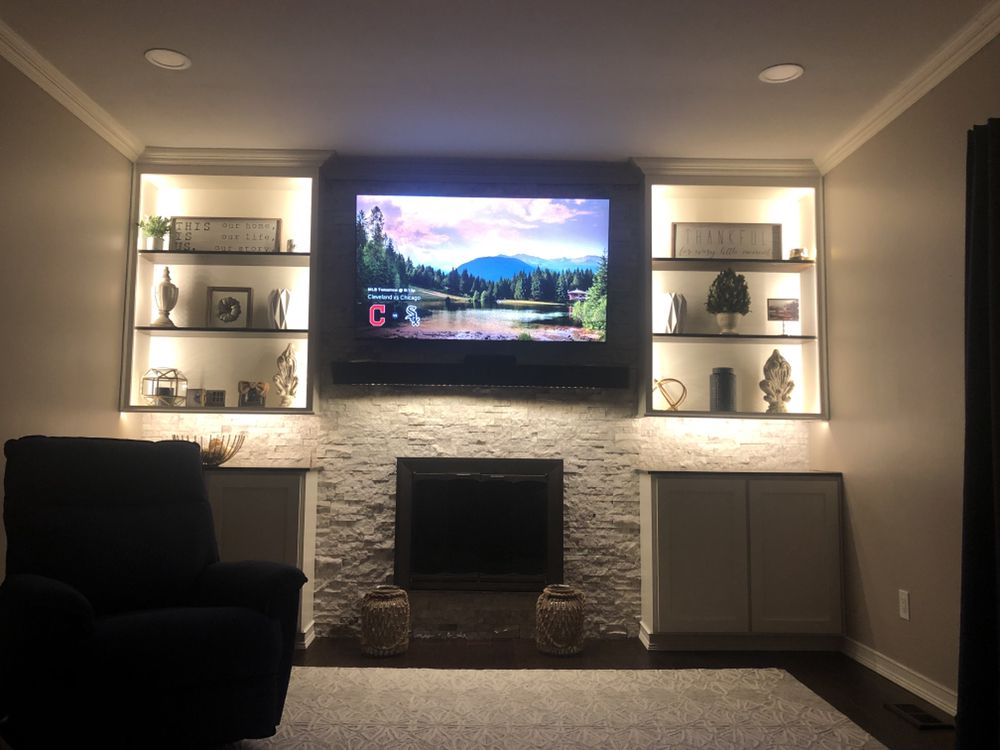
Separate zones can also be more useful than one switch controlling every fixture. For example, a kitchen may benefit from independently controlled general ceiling lighting and work-area lighting. A living room may work better when lights near a television, fireplace, or seating area can be adjusted separately. The most helpful control scheme is based on the room’s routines, not simply the maximum number of switches.
Important Questions to Consider Before Choosing a Provider
Choosing a provider for recessed lighting should involve a conversation about the actual home, the electrical work involved, and the desired outcome. A clear scope helps homeowners compare proposals and understand whether the plan addresses both appearance and function. It also helps prevent assumptions about fixture counts, controls, patching, product selection, or project boundaries.
- Will the proposed fixture locations be reviewed against ceiling framing and existing conditions?
- Which rooms, zones, switches, dimmers, and fixture types are included in the scope?
- Are the selected LED fixtures and controls intended to work together?
- How will the plan address the room’s use, glare concerns, and desired brightness?
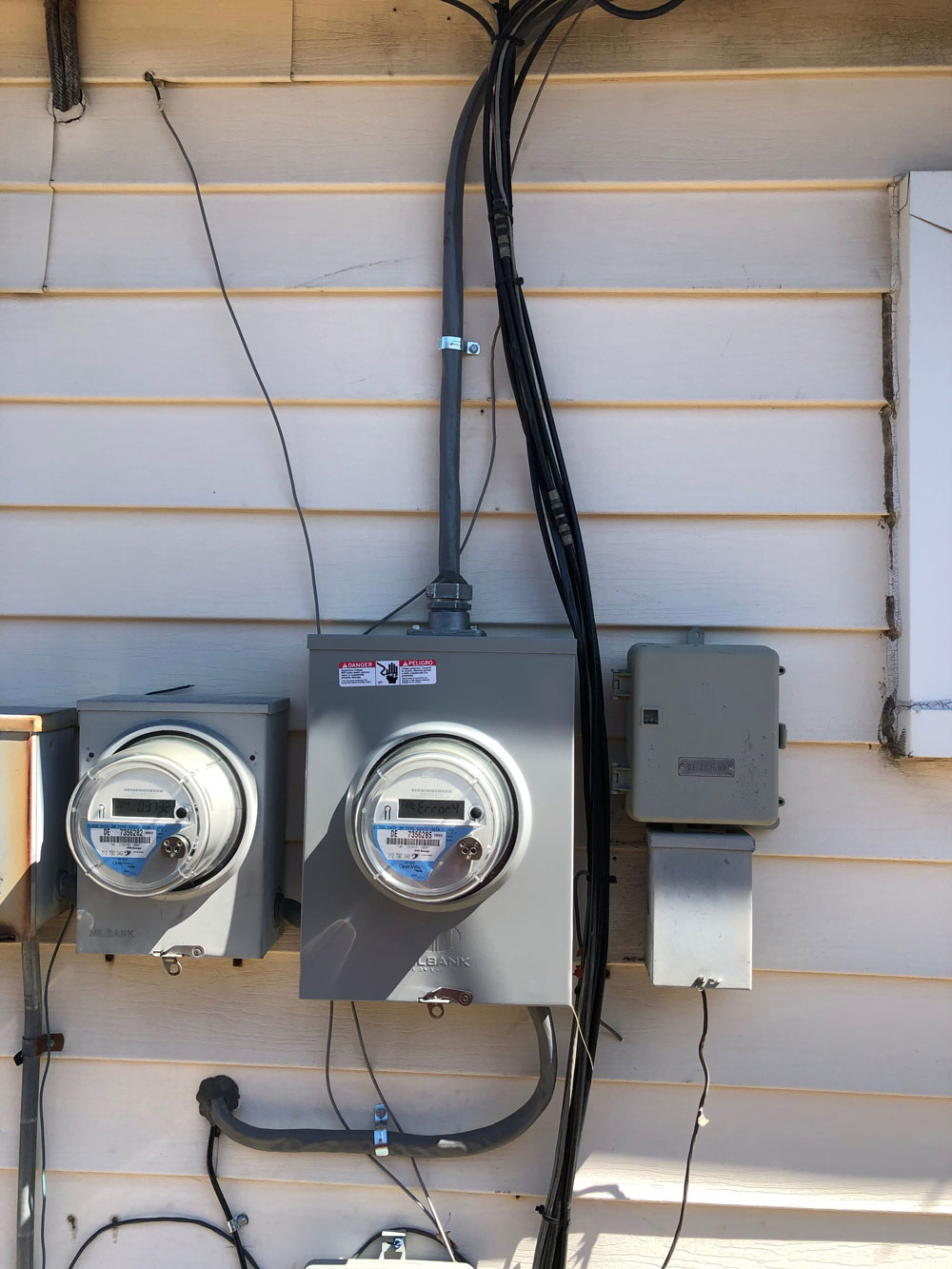
- What electrical changes may be needed to support the new lighting?
- Are there renovation plans, cabinetry changes, or ceiling repairs that should be coordinated before installation?
It is also reasonable to ask for a plain-language explanation of options. For example, homeowners may compare recessed fixtures with a central decorative fixture, track lighting, flush-mount lighting, wall sconces, or portable lamps. Each has a different look, maintenance profile, installation approach, and ability to direct light. Recessed lighting is often appealing for its clean ceiling line, but it is not automatically the right choice for every room or every lighting goal.
Existing homes can require more planning than new construction because finished surfaces and concealed building systems must be considered. A professional evaluation can help identify practical limitations before a homeowner commits to a layout. If an older fixture is being replaced, the project may also be an opportunity to reconsider light levels and controls rather than simply duplicate the prior arrangement.
Recessed Lighting Considerations for Grosse Pointe Shores Homes
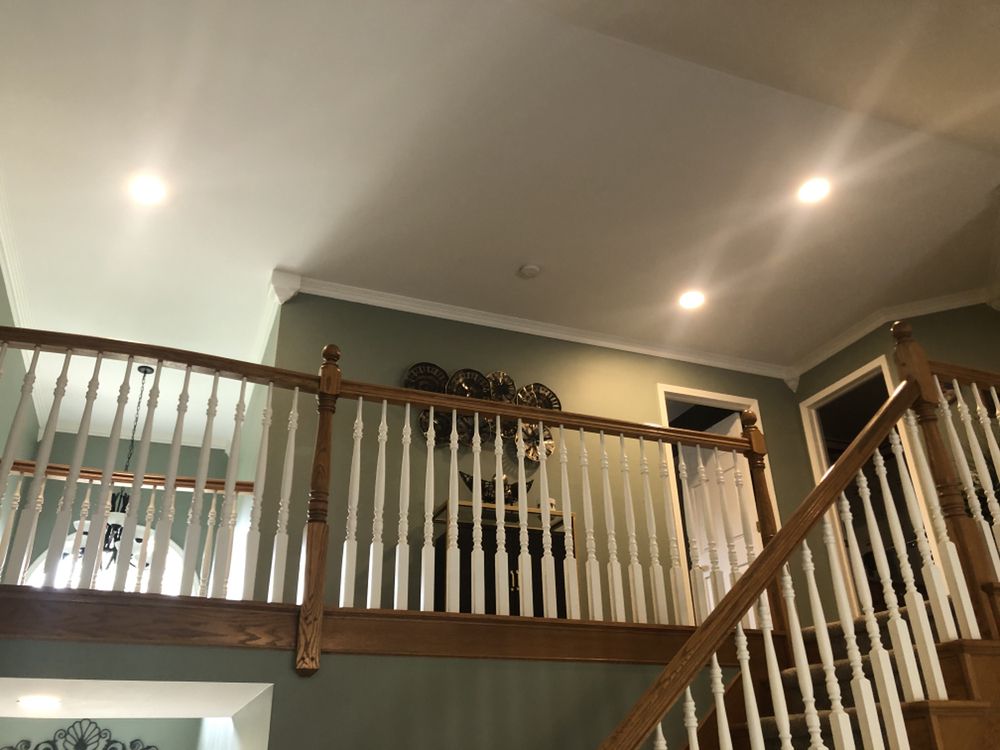
For a Grosse Pointe Shores, MI homeowner, the most useful starting point is a room-by-room plan instead of a generic fixture count. A kitchen, bathroom, stair landing, and finished basement each create different lighting demands. Bringing photos, rough room dimensions, renovation drawings, or notes about dark areas to a consultation can make it easier to discuss the project accurately.
Consider how daylight changes in the space as well. A room that appears bright in the afternoon may need more reliable evening illumination, while a highly reflective room may require careful placement to reduce uncomfortable reflections. Ceiling color, cabinet finishes, flooring, and large televisions can all influence how light is perceived.
Executive Electric provides a clear local point of contact from its Clinton Township address at 20504 Hall Rd, Clinton Township, MI 48038. When you are comparing options for a home in Grosse Pointe Shores or another Michigan community, share your goals and ask what information is needed to evaluate the proposed recessed lighting work.
Frequently Asked Questions
What is recessed lighting, and where does it work best?
Recessed lighting is a ceiling-mounted fixture installed so most of the unit sits above the finished ceiling, leaving a trim or lens visible below. It works well for general, task, or accent lighting where a low-profile appearance and open sightlines are desired. Layout, fixture type, and controls should match the room.
How many recessed lights does a room need?
The right number depends on room size, ceiling height, fixture output, beam spread, surface colors, furniture placement, and the intended use of the space. Rather than choosing a number from a rule of thumb, review the room’s lighting goals and possible ceiling constraints before finalizing a layout.
Can recessed LED lights be installed on a dimmer?
Yes, many recessed LED fixtures can be dimmed, but compatibility matters. The selected fixture or LED lamp should be designed for dimming, and the dimmer should be compatible with that product. Matching the components helps reduce issues such as flickering, buzzing, poor dimming performance, or lights that remain faintly illuminated.
Does Executive Electric have an office in Grosse Pointe Shores, MI?
Executive Electric’s provided location is 20504 Hall Rd, Clinton Township, MI 48038. The company is not represented here as having a physical office in Grosse Pointe Shores. Homeowners seeking recessed lighting information for a Grosse Pointe Shores property can contact Executive Electric to discuss their project and next steps.
Discuss Your Lighting Project With Executive Electric
Better lighting starts with a plan that reflects the room, the existing electrical conditions, and the way you want to live in the space. Whether you are updating one dark area or considering a larger interior lighting change, prepare a short list of goals and questions before you reach out.
Contact Executive Electric to discuss recessed lighting for your Grosse Pointe Shores, MI project. Executive Electric is located at 20504 Hall Rd, Clinton Township, MI 48038, and can help you begin a more informed conversation about your lighting needs.