Home Generator Installation Grosse Pointe Park, MI
When an outage interrupts lights, refrigeration, internet access, heating equipment, or essential devices, a permanently installed generator can help a household keep selected systems operating. Executive Electric provides a practical point of contact for homeowners seeking Home Generator Installation for Grosse Pointe Park, MI, with planning centered on the home’s electrical needs, fuel source, and desired backup coverage. The company is located at 20504 Hall Rd, Clinton Township, MI 48038; Grosse Pointe Park is a service area context, not a claimed office location.
A backup power system is not a one-size-fits-all purchase. The right approach depends on what needs to stay on during an outage, how much electrical load the home requires, where equipment can be placed, and how the generator will connect safely to the electrical system. A thoughtful installation plan can turn a stressful power interruption into a more manageable event.
What a permanently installed generator does for your home
A standby system is designed to supply electricity after utility power fails, then return the home to normal utility service when power is restored. Rather than relying on extension cords and a portable unit, the generator works with transfer equipment that separates the home from the utility source. This separation is an important safety function and should be part of a professionally planned installation.
For many households, the goal is not necessarily to power every circuit. Some homeowners prioritize refrigeration, lighting, internet equipment, a sump pump, heating controls, security equipment, or a limited number of outlets. Others want broader coverage for a larger portion of the home. Identifying priorities early makes it easier to choose an appropriately sized system and avoid unnecessary compromises.
- Maintain power for selected essential circuits during an outage.
- Reduce the disruption caused by spoiled food, dark rooms, and unavailable communication devices.
- Support comfort systems and household routines when utility service is interrupted.
- Provide a fixed, integrated alternative to moving and fueling a portable generator.
Whole-home coverage and essential-load coverage are different choices
Whole house generator installation generally refers to a system designed to support most or all of a home’s electrical demand, subject to the selected equipment and load plan. It may be appropriate for homeowners who want a more seamless outage experience, but it requires careful evaluation of major loads such as HVAC equipment, electric cooking, water heating, and other high-demand appliances. A professional load assessment helps determine whether full-home coverage is practical or whether prioritizing selected circuits is the better fit.
Standby generator installation typically involves the generator, a transfer switch or service-rated transfer equipment, electrical connections, and coordination with the chosen fuel arrangement. The generator senses a utility outage through its control system and transfers power according to the system design. It differs from plugging a portable generator into individual appliances because the backup source is integrated with the home’s electrical infrastructure.
A Home standby generator is often chosen by households that want automatic backup capability without having to set up equipment after the power is already out. The system’s capacity, transfer configuration, and load-management approach affect what it can support. Discussing daily household habits and must-have equipment with an electrician provides a clearer basis for selecting a system than choosing solely by a generator’s nameplate rating.
Start with electrical priorities, not just generator size
Generator sizing is a decision about demand, starting loads, and expectations. Motors and compressors can require more power at startup than they do while running, while other equipment may cycle on and off throughout the day. A system that looks sufficient on paper can become limiting if the household’s actual load profile has not been considered.
Executive Electric can discuss the information that helps shape a productive installation conversation for a home in Grosse Pointe Park, Michigan. Homeowners can prepare by noting which systems are essential, which are optional, whether they expect to remain in the home during outages, and whether future electrical changes may affect demand. An electrician can then evaluate the existing panel, service arrangement, proposed transfer method, and installation conditions.
- Identify critical loads. List the equipment that matters most during an interruption, including any pumps, refrigeration, communications, lighting, and climate-related equipment.
- Review the home’s electrical setup. The service panel, available space, circuit layout, and condition of existing equipment influence the connection plan.
- Consider fuel and placement. Fuel availability, manufacturer clearance requirements, access for service, noise considerations, and local rules can affect the final layout.
- Match the system to the plan. Select capacity and transfer equipment based on intended coverage rather than an assumption that every appliance must run at once.
- Plan for safe operation. Installation should include appropriate transfer equipment, overcurrent protection, grounding and bonding considerations, and required inspection or permit steps where applicable.
A generator installation should account for fuel, transfer equipment, and placement
Natural gas generator installation can be appealing because a connected fuel supply may avoid the need to store and refill portable fuel during an outage. Fuel availability and the capacity of the gas service still need to be evaluated in relation to the generator and other gas appliances in the home. The electrical work and fuel-related work should be coordinated so the completed system is planned as a complete backup-power solution.
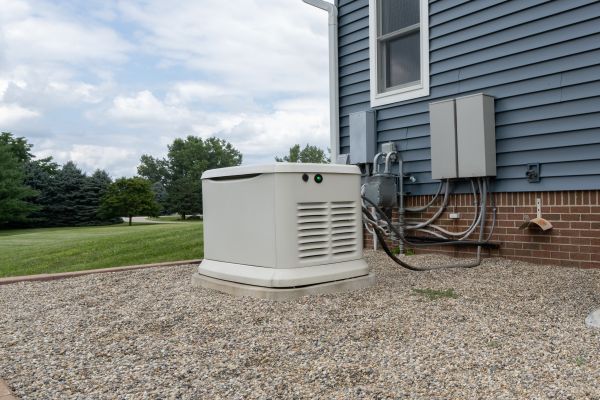
Placement is more than finding an open spot outdoors. The generator needs a location consistent with equipment instructions, ventilation and clearance requirements, access for maintenance, and applicable local requirements. Transfer equipment must also be selected and installed to safely prevent generator power from feeding back toward utility lines.
Backup generator installation is a useful term for the complete project, not just setting a generator pad beside the house. A complete plan considers electrical interconnection, switching between utility and generator power, the loads to be backed up, and commissioning once the work is complete. Asking how these elements will be addressed helps homeowners compare proposals on scope rather than equipment price alone.
Comparing backup options before you commit
Portable generators can serve a limited, temporary purpose, but they require manual setup, safe outdoor placement, fuel management, and correctly sized cords or inlet equipment. A permanently installed unit is typically better suited to homeowners who want automatic response and a more integrated electrical solution. Battery storage can also support certain loads, but its runtime and charging strategy differ from an engine-driven generator, particularly during extended outages.
Home electrical backup solutions should be compared by the specific problem they solve. A portable unit may be sufficient for occasional, limited needs, while a standby system can be considered when automatic operation, longer-duration backup, and selected hardwired circuits are priorities. The most useful choice is the one that aligns with the home’s essential loads, outage expectations, budget, and practical fuel options.
Power outage backup solutions also require realistic expectations about what remains powered and for how long. Even a robust standby system has defined capacity, and high-demand equipment may need load management or a deliberate operating plan. Clear decisions before installation reduce surprises when the system is called upon during an actual outage.
Questions that help you evaluate the installation plan
Before selecting a provider or system, request an explanation in plain language of what the proposed generator will support. Ask whether the plan is based on essential circuits or broader home coverage, what transfer equipment is included, how the existing electrical service affects the work, and which permit or inspection responsibilities may apply. It is also reasonable to ask about equipment access, routine maintenance needs, and the steps used to test operation after installation.
Residential generator services should address the homeowner’s electrical needs before, during, and after the installation decision. That means discussing capacity, circuits, transfer switching, placement, and the practical operation of the system rather than focusing only on the generator unit. A detailed conversation gives homeowners a better basis for deciding whether a backup-power project fits their property and priorities.
Why a planned approach matters in Grosse Pointe Park
Homeowners exploring generator installation in Grosse Pointe Park, MI often want greater control over how their household functions when the grid is unavailable. The strongest value comes from matching the backup system to the circuits and appliances that genuinely matter to that household. That may mean protecting a few essential loads or planning a more comprehensive setup, depending on the property and the family’s expectations.
Executive Electric’s listed location is 20504 Hall Rd, Clinton Township, MI 48038. When contacting Executive Electric about a Michigan generator project, provide a clear picture of the home, the equipment you want protected, and any known electrical or fuel considerations. That preparation supports a more useful discussion of installation options and next steps.
Do not wait until an outage is underway to decide how backup power should work. Planning ahead allows time to evaluate system capacity, placement, transfer equipment, utility coordination when needed, and applicable requirements. It also gives the homeowner time to distinguish essential needs from optional conveniences.
Answers to common generator installation questions
How does a home generator turn on during a power outage?
A properly configured standby generator monitors utility power through its control and transfer equipment. When an outage is detected, the system starts the generator and transfers designated electrical loads to generator power. When utility power returns and stabilizes, the system transfers loads back and shuts the generator down according to its operating sequence.
Can a generator power my entire house?
It can, depending on the generator capacity, the home’s electrical demand, and the planned loads. Whole-home coverage generally requires a larger, carefully evaluated system. Many homeowners instead choose essential-load backup to power priority equipment while managing cost, fuel use, and electrical capacity.
What should I have ready when I contact Executive Electric?
Have a list of the appliances and systems you want available during an outage, along with any information you know about your electrical panel and fuel source. Mention whether you want selected circuits or broader coverage. Photos or details of the proposed outdoor location may also help begin a focused discussion.
Is Grosse Pointe Park an Executive Electric office location?
No office in Grosse Pointe Park is provided in the company information for this page. Executive Electric’s listed address is 20504 Hall Rd, Clinton Township, MI 48038. Homeowners seeking generator installation for Grosse Pointe Park can contact the company to discuss their project and service needs.
Ready to plan dependable backup power? Contact Executive Electric to discuss Home Generator Installation for your Grosse Pointe Park home, your essential electrical loads, and the next steps for a safely planned system. Reach the team through the Executive Electric contact page or reference the listed location at 20504 Hall Rd, Clinton Township, MI 48038 when getting started.