Briggs & Stratton generator installation Grosse Pointe Park, MI
Power interruptions can affect refrigeration, lighting, heating equipment, internet access, sump pumps, and other systems a household relies on every day. For property owners researching Briggs & Stratton generator installation in Grosse Pointe Park, MI, the most useful first step is understanding how a standby system is sized, connected, fueled, and prepared to operate safely when utility power is unavailable.
Executive Electric is located at 20504 Hall Rd, Clinton Township, MI 48038. Homeowners in Grosse Pointe Park and elsewhere in Michigan can use a professional consultation to discuss the electrical demands of their property, the type of backup power they want, and the installation questions that should be resolved before selecting equipment.
What a Briggs & Stratton standby generator can do for a home
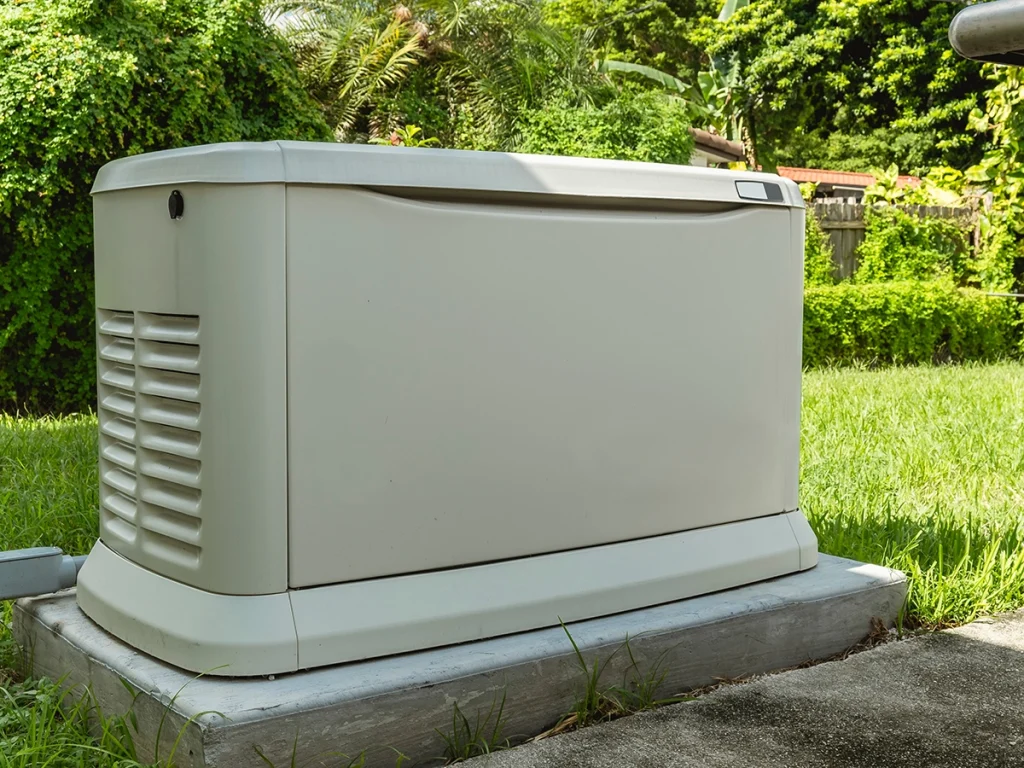
A permanently installed Briggs & Stratton standby generator is designed to provide backup electricity through a properly planned connection to a home electrical system. Unlike a portable unit that must be moved, fueled, and manually connected during an outage, a standby generator is installed outdoors and can work with an automatic transfer switch to respond when normal utility service fails.
The appropriate setup depends on whether the goal is to keep a limited group of essential circuits operating or to support broader household electrical use. A generator is not simply an appliance placed outside. It is part of a backup power system that requires coordination among the generator, transfer equipment, electrical panel, fuel source, protective devices, and the loads the home is expected to carry.
Backup power can be tailored to essential loads or wider coverage
Many homeowners do not need every electrical device powered during an outage. An essential-load design may prioritize selected circuits that protect comfort, safety, and food storage. A larger whole-home generator plan may be appropriate for households that want more comprehensive continuity, but it also calls for careful load planning and a realistic assessment of fuel and electrical requirements.
- Refrigerators and freezers that help prevent food loss
- Sump pumps or other equipment important to water management
- Furnace blowers, boiler controls, or selected heating-related equipment
- Lighting, receptacles, internet equipment, and security-related devices
- Medical or accessibility equipment with household-specific backup needs
- Selected kitchen appliances and laundry equipment, when capacity permits
Priorities vary from one property to the next. Listing the appliances and systems that matter most gives the installer a practical starting point and helps prevent the common mistake of choosing a generator based only on a general square-footage estimate.
Automatic operation depends on the transfer switch
The transfer switch is a central part of an automatic standby generator installation. It separates the home from the utility supply before generator power is delivered, which is essential for safe operation. When utility service returns, the system is designed to transfer the electrical supply back in the proper sequence.
Transfer switch choices can affect how circuits are managed and how much of the home the generator can support. The right equipment must match the installation design and electrical service. A qualified planning conversation should account for the main panel arrangement, circuit priorities, generator capacity, and the electrical characteristics of the equipment being backed up.
Planning before installation avoids costly surprises
A successful generator project begins with discovery, not with selecting the largest available unit. Electrical demand, fuel availability, placement options, and site conditions all influence the design. Addressing these items early creates a clearer scope of work and helps a homeowner compare options on meaningful factors rather than on generator size alone.
Executive Electric can be contacted from its Clinton Township, Michigan location to discuss the details that shape a proposed generator connection. For homeowners evaluating Briggs & Stratton generator installation options, a property-specific discussion is more valuable than assuming one model or configuration fits every residence.
Load calculations should reflect real operating needs
Load planning considers the electrical demand of equipment that may run at the same time, including startup demands for motors and compressors. Air conditioners, well pumps, sump pumps, refrigerators, electric ranges, dryers, and similar equipment can have a significant effect on the generator capacity a home needs. The objective is not to promise that every item can operate simultaneously, but to design backup power around informed priorities.
Homeowners can make this stage more productive by preparing a basic inventory of desired loads. Include large appliances, heating and cooling equipment, pump systems, electronics, and any equipment that must remain available. Note whether the objective is essential-circuit backup, broad household coverage, or a staged plan that balances convenience with electrical demand.
- Identify the systems and circuits that should remain available during an outage.
- Review the electrical service, panels, and potential transfer-switch arrangement.
- Consider the intended fuel source and the practical requirements for supplying the generator.
- Evaluate a suitable outdoor location, including access for installation and service.
- Confirm applicable permits, inspections, and utility or fuel coordination requirements.
- Develop an installation scope that matches the generator, electrical design, and property needs.
Fuel, placement, and code requirements are project essentials
Standby generators commonly rely on a permanent fuel supply, such as natural gas or propane, depending on the equipment and property conditions. Fuel planning matters because the generator must receive an adequate supply under operating conditions. Questions about fuel availability, capacity, piping, and coordination should be addressed as part of the project rather than after equipment has been selected.
Placement also deserves more attention than many buyers expect. Generator location can be affected by manufacturer instructions, clearance needs, exhaust, access, utility equipment, local rules, and the route for electrical and fuel connections. Permitting and inspection requirements can vary by jurisdiction, so a responsible installation plan should incorporate the requirements that apply to the property.
What to expect from the generator installation process
Briggs & Stratton generator installation typically involves assessment, equipment selection, site preparation, electrical integration, fuel coordination, testing, and closeout. The exact sequence can vary because each home has different panel layouts, fuel conditions, access constraints, and permitting requirements. Knowing the broad process helps homeowners ask better questions and plan for decisions that may arise before work begins.
During the initial phase, the installation scope should clarify what equipment is being supplied or connected, which loads are included, where the generator and transfer equipment are intended to go, and what outside coordination may be needed. A clear scope is especially important when comparing proposals because a lower initial figure may not represent the same electrical work, transfer equipment, or site preparation as another option.
Installation involves more than setting the generator pad
Once planning is complete, the project can include preparing the mounting location, installing the generator, connecting the transfer equipment, routing electrical conductors, and coordinating the fuel connection through the appropriate provider or trade. The electrical work must be designed to prevent unsafe backfeeding and to ensure the generator connection functions as intended with the home service.
Testing is the final practical step before relying on the system. The installation should be checked for proper transfer behavior, generator operation, and the circuits or loads included in the design. Homeowners should also understand normal operating controls, the importance of keeping the unit accessible, and the maintenance guidance supplied for the generator.
Choosing between a standby generator and other backup options
A standby generator is often the right choice when automatic response, sustained backup capability, and support for fixed home systems are priorities. It is not the only backup-power approach. Comparing alternatives honestly helps a homeowner select a solution that suits the property, budget, outage concerns, and desired level of convenience.
- Standby generator: A fixed outdoor unit connected through transfer equipment. It is suited to homeowners who value automatic operation and backup for selected or broader household loads.
- Portable generator: Usually lower in initial equipment cost, but it requires manual setup, safe outdoor operation, fuel management, and an appropriate connection method. It should never be connected to a home panel through an unsafe improvised arrangement.
- Battery backup system: Can provide quiet stored-energy backup for selected loads. Capacity, recharge time, and the kinds of large loads supported should be evaluated carefully.
The best choice is not always the system with the greatest capacity. A modest essential-load backup plan can be a sensible fit for one household, while another may need a more robust automatic standby generator configuration due to pumps, heating systems, home-office needs, or a desire for less hands-on outage response.
Questions worth asking before you move forward
Choosing an installer should involve more than asking whether a particular generator model is available. A useful discussion addresses the complete electrical system and the homeowner’s priorities. Ask how the proposed design handles essential circuits, what transfer equipment is included, whether fuel considerations have been identified, and what steps are expected for permits and inspections.
It is also reasonable to ask what preparation the property owner should complete, what access may be needed during installation, how testing will be handled, and what manufacturer maintenance recommendations apply after the system is operating. Clear answers can help distinguish a complete generator hookup plan from an incomplete equipment-only conversation.
Executive Electric provides a direct point of contact at 20504 Hall Rd, Clinton Township, MI 48038 for homeowners who want to discuss a generator project. If backup power is becoming a priority for your Grosse Pointe Park property, start with your essential loads and the questions that are specific to your home.
Frequently asked questions about standby generator projects
Can a Briggs & Stratton standby generator power my entire house?
It may, but whole-home coverage depends on generator capacity, the electrical loads that may operate at once, the transfer-switch design, and the home’s service configuration. An essential-load setup is often a practical alternative when a household wants to prioritize key circuits rather than support every appliance simultaneously.
How does an automatic standby generator work during a power outage?
An automatic standby generator monitors for a utility interruption through its connected transfer equipment. When properly installed, the transfer switch isolates the home from utility power, starts the generator, and supplies the planned electrical loads. When utility service is restored, the system transfers power back through the intended sequence.
Do I need a transfer switch for a home generator connection?
Yes, a properly selected transfer switch or approved transfer equipment is a fundamental part of a standby generator system. It manages the transition between utility and generator power and helps prevent generator electricity from feeding back into utility lines. The right configuration depends on the electrical design and selected loads.
Is Executive Electric physically located in Grosse Pointe Park, MI?
Executive Electric’s provided location is 20504 Hall Rd, Clinton Township, MI 48038. Homeowners searching for generator installation information related to Grosse Pointe Park, Michigan can contact Executive Electric to discuss their property, electrical priorities, and whether a proposed project is an appropriate fit.
Discuss your backup power priorities with Executive Electric
A backup generator decision is easier when it starts with a clear list of the systems you want protected and an understanding of the electrical work involved. Executive Electric is located at 20504 Hall Rd, Clinton Township, Michigan 48038. Contact Executive Electric to discuss your Briggs & Stratton standby generator plans, essential-load goals, and property-specific questions for Grosse Pointe Park, MI.