Home Generator Installation Farmington Hills, MI
When an outage interrupts heating, refrigeration, internet access, sump pumps, or essential medical equipment, a permanently installed generator can keep the parts of your home that matter most operating. Executive Electric provides a clear starting point for homeowners exploring dependable backup power, with its company location at 20504 Hall Rd, Clinton Township, MI 48038. For households researching Home Generator Installation Farmington Hills, MI, the goal is not simply to buy equipment. It is to plan a safe, appropriately sized electrical backup system that fits the home, fuel source, and priorities.
A home generator is designed to recognize a utility interruption and supply selected circuits or broader household power through properly installed transfer equipment. That automatic response can reduce disruption during weather-related outages and other unexpected utility failures. The right approach depends on what you need powered, how long you want backup capability, and the physical and electrical conditions at your property.
Make backup power match the way your household lives
Home Generator Installation is a coordinated electrical project that connects a generator, transfer equipment, electrical panel components, and an approved fuel arrangement so power can be managed safely during an outage. A professional evaluation should identify critical loads, possible whole-home expectations, panel capacity, placement needs, and the electrical work required for a reliable connection. This planning step helps avoid the common disappointment of choosing a unit that cannot support the appliances and systems you expected to run.
Many Farmington Hills, MI homeowners begin considering a generator after experiencing a loss of heat, a flooded basement risk, spoiled food, or a prolonged interruption to work and communications. Others plan ahead because someone in the home relies on essential equipment or because they want to maintain a more normal routine when utility power is unavailable. A fixed standby system offers a different experience from moving a portable generator outside, connecting cords, and deciding which appliances to cycle on and off.
Start with critical loads, then consider whole-home comfort
Load planning is the foundation of a practical generator recommendation. A household may prioritize a furnace or boiler, refrigerator, freezer, lighting, garage door, sump pump, internet equipment, and selected receptacles. Larger loads, including central air conditioning, electric ranges, dryers, electric water heaters, pool equipment, and multiple HVAC systems, can significantly change the capacity and equipment requirements.
- Essential-load coverage supports selected circuits that protect safety, food, comfort, and communications.
- Expanded coverage can include more rooms and appliances, subject to electrical load calculations and system design.
- Whole-home coverage is intended to support a wider range of household operations, but it still requires thoughtful management of large simultaneous loads.
It is useful to write down what must remain on during the first few hours of an outage and what would be helpful during a longer event. Include motor-driven equipment, heating or cooling components, kitchen needs, home office devices, and any medically important loads. Sharing this list during the consultation gives the installer meaningful information for assessing generator size and transfer-switch configuration.
Whole-house and standby systems are related, but not identical
Whole house generator installation generally refers to a system planned to power most or all of a residence rather than only a small set of critical circuits. The actual level of coverage depends on the generator capacity, load calculation, electrical panel arrangement, and which high-demand appliances may operate at the same time. Homeowners should clarify whether “whole house” means every load can run concurrently or whether the design uses intelligent load management to prioritize important equipment.
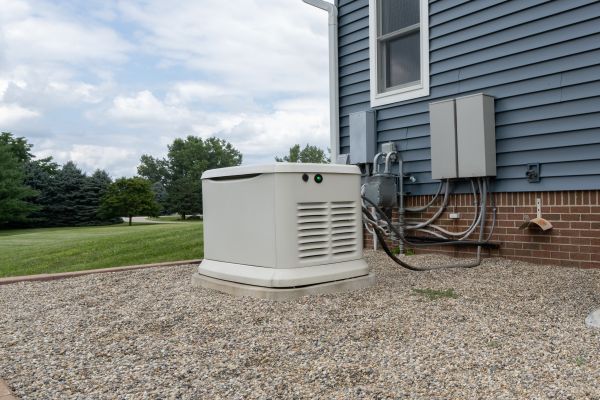
Standby generator installation focuses on a permanently located generator that works with automatic transfer equipment to respond when utility service fails. Unlike a portable unit, a standby system is not intended to be manually carried out, fueled, and connected with extension cords each time an outage occurs. Automatic operation can be especially valuable when an interruption happens overnight, while the homeowner is away, or during severe weather.
Home standby generator systems are typically selected by balancing desired comfort against the electrical demand of the home. A smaller system may focus on essentials, while a larger design can support more appliances and living areas. The most useful choice is not automatically the largest option, but the one that aligns with documented loads, fuel availability, installation conditions, and realistic outage priorities.
What a professionally planned installation involves
Generator work is more involved than placing a unit beside the house. A complete project considers where the equipment can be located, how conductors and transfer components connect to the electrical system, how the fuel supply will serve the generator, and what approvals may apply. Executive Electric can be contacted to discuss the electrical scope and the questions that should be addressed before moving ahead.
- Discuss the home and priorities. Identify the systems and appliances you want available during an outage.
- Review electrical demand. Assess loads, panels, circuits, and the capacity needed for the proposed coverage.
- Plan equipment placement and connections. Account for manufacturer requirements, clearance considerations, utility connections, and site access.
- Install and integrate the system. Connect generator equipment, transfer controls, and electrical components according to the final design.
- Test the operating sequence. Verify the transition from utility service to backup power and explain basic owner operation and maintenance expectations.
Backup generator installation should include more than selecting a generator from a capacity chart. The electrical integration must safely isolate the home from utility lines during generator operation, which is the job of properly selected transfer equipment. This protects the home’s electrical system and helps prevent dangerous backfeeding, a risk associated with improper connections.
Fuel choice and placement deserve early attention
Natural gas generator installation can be an appealing option for homes with an available natural gas supply because it avoids the need to refill gasoline containers during an outage. Fuel piping capacity, equipment specifications, local requirements, and the distance between the supply and generator all matter in the final design. Propane may be another option for some properties, but homeowners should compare fuel availability, storage considerations, and expected runtime with their installer and fuel provider.
Placement affects safety, service access, noise expectations, exhaust clearance, utility connections, and how easily technicians can work on the equipment later. A site review helps identify practical locations before equipment is ordered or construction begins. It is also wise to ask what homeowner preparation, landscaping changes, or access arrangements may be needed for the chosen location.
Choose a backup plan that is useful before the next outage
Residential generator services are most valuable when the conversation begins with how a household uses power, not with a generic generator size. A family with a finished basement may prioritize a sump pump, while a remote worker may need a modem, router, and office circuits protected. Households with aging relatives, young children, or temperature-sensitive needs may place greater value on automatic restoration and a wider range of supported loads.
Home electrical backup solutions can range from a portable generator strategy to a permanently installed standby system with automatic transfer capability. Portable equipment may cost less initially and can serve limited needs, but it requires manual setup, safe outdoor operation, cord management, and fuel handling. A fixed system generally requires more planning and upfront investment, while offering a more integrated response when utility power drops.
Power outage backup solutions should be evaluated for both short interruptions and longer events. Consider what happens if an outage lasts through a cold night, a heavy rain event, or a workday when the home needs internet and refrigeration. Thinking through those scenarios helps distinguish essential circuits from optional conveniences and makes the sizing discussion more productive.
- Which heating, cooling, pumping, refrigeration, and communication systems are essential?
- Does the home use natural gas, propane, or another practical fuel option?
- Are there large electrical loads that need to be managed or excluded during backup operation?
- What transfer-switch approach fits the desired level of automatic operation?
- What routine maintenance does the chosen generator manufacturer recommend after installation?
Maintenance remains important after the electrical installation is complete. Generator owners should follow the manufacturer’s schedule for exercise cycles, oil and filter service, battery checks, and professional inspection where recommended. Keeping the area around the unit accessible and free of obstructions also supports safe operation and future service.
Talk with Executive Electric about your Farmington Hills backup-power goals
Executive Electric is located at 20504 Hall Rd, Clinton Township, Michigan 48038, and is a relevant contact for homeowners seeking a thoughtful electrical discussion about standby power. Bring your list of essential circuits, major appliances, fuel information, and any past outage concerns to the conversation. Clear details allow the project scope to focus on the backup coverage that will be most useful for your household.
A well-planned generator system can provide greater continuity, safety, and peace of mind when normal utility service is disrupted. Instead of guessing which appliances will work, you can make informed decisions about coverage, automatic transfer, fuel, and installation conditions in advance. Contact Executive Electric to discuss Home Generator Installation for your Farmington Hills, MI home and the next steps for a tailored backup-power plan.
Frequently asked questions
How does a home generator turn on during an outage?
A standby generator works with an automatic transfer switch that monitors utility power. When an interruption is detected, the system starts the generator and transfers approved household loads to generator power. When utility service returns and stabilizes, the transfer equipment moves the home back to utility power and the generator shuts down according to its operating sequence.
Do I need a whole-house generator for my Farmington Hills, MI home?
No. A whole-home design can be appropriate when you want broad coverage, but many homeowners choose essential-load backup for heating equipment, refrigeration, lighting, sump pumps, communications, and selected outlets. The right choice depends on your priorities, electrical demand, budget, fuel arrangement, and whether large appliances need to run during an outage.
Can a standby generator power central air conditioning?
It may be possible, but central air conditioning is a significant electrical load and must be included in the sizing and load-management evaluation. The generator capacity, starting demand of the equipment, other simultaneous loads, and the overall backup plan determine whether air conditioning can be supported responsibly.
Why is a transfer switch necessary for generator installation?
A transfer switch separates generator power from the utility supply before backup power is delivered to the home. This controlled transfer helps prevent backfeeding and allows the selected circuits or whole-home system to receive power in an organized way. It is a central safety and functionality component of a permanently installed generator system.