Home EV charger installation Farmington Hills, MI
Home EV charger installation Farmington Hills, MI homeowners can plan around their vehicle, parking arrangement, and existing electrical system instead of relying solely on public charging. A properly planned home setup can make overnight charging a more convenient part of daily life, whether you park in an attached garage, detached garage, driveway, or carport. Executive Electric is located at 20504 Hall Rd, Clinton Township, MI 48038, and homeowners can contact the company to discuss the electrical considerations for a proposed charging project.
Choosing a charger is only one part of the decision. The circuit, panel capacity, wiring route, outlet or hardwired connection, equipment specifications, and applicable permitting requirements all affect the final scope. This guide explains the practical choices behind residential vehicle charging so you can start a conversation with clear priorities.
Start with the way you drive and park
The right home charging arrangement should match how much energy your EV typically needs between drives and where the charge port sits when the vehicle is parked. A homeowner with a short daily commute may have different charging needs than a household with multiple EVs, frequent longer trips, or limited time between drives. Planning around real usage helps avoid paying for capacity or features that do not fit the household.
A dedicated charging circuit is generally designed to serve the vehicle charger rather than share power with other high-demand equipment. The installation plan should account for the distance from the electrical panel to the parking location, the wall or pedestal location, weather exposure for outdoor equipment, and a cable path that does not create a trip hazard. In Michigan, seasonal temperature changes and garage conditions can also be useful factors when deciding where equipment will be easiest to access and protect.
What homeowners often want from an at-home charger
- More predictable charging between daily drives.
- A charging location positioned for the vehicle’s port and parking orientation.
- A dedicated electrical solution that is evaluated for the charger’s electrical load.
- Less dependence on finding an available public charging station for routine charging.
- A setup that leaves room to consider a second EV or future electrical needs.
These benefits depend on the vehicle, charger, home electrical system, and installation location. A discussion before equipment is purchased can identify constraints early, such as a full panel, a long wiring run, or an outdoor placement that needs a different equipment approach. That early review gives the homeowner a more realistic basis for selecting equipment and determining next steps.
Understand charger levels, power, and connection choices
Most homeowners considering a dedicated charger compare Level 1 and Level 2 charging first. Level 1 typically uses a standard household receptacle and may be suitable for some low-mileage situations, while Level 2 uses 240-volt power and is commonly selected when faster home charging is desired. The best choice is not automatically the highest output option, because vehicle limits, electrical capacity, daily driving patterns, and budget all matter.
Residential planning is more than mounting a charger
Residential EV charger installation involves evaluating how the charging equipment will connect safely to a home’s electrical distribution system. The work may include assessing available panel capacity, determining whether a dedicated circuit is appropriate, and selecting a practical route for conductors from the panel to the charger location. A thoughtful plan also considers access for the driver, the charger cable, and future service needs rather than treating the charger as a simple wall-mounted appliance.
For many households, the decision starts with whether their current electrical panel can accommodate the new continuous load. If capacity is limited, the options and scope may differ from a straightforward dedicated-circuit project. A qualified electrical assessment is the sensible next step when the panel is older, already heavily used, or when other planned improvements, such as electric appliances or HVAC changes, may affect household load.
Level 2 charging and 240-volt service
Level 2 EV charger installation uses a 240-volt circuit to provide a faster charging option than a typical Level 1 setup. Actual charging speed can be limited by the vehicle’s onboard charging capability, the charger’s setting, and the circuit design, so charger ratings alone do not tell the entire story. This option is often worth considering when a vehicle needs to replenish more range during an overnight or shorter at-home charging window.
240V EV charger installation requires attention to circuit sizing, overcurrent protection, conductor sizing, and the electrical load of the home as a whole. A 240-volt circuit is not interchangeable with every receptacle, charger, or vehicle need, and equipment instructions should be considered during planning. Hardwiring and receptacle-based approaches can each be appropriate in different situations, but the selected method should align with the charger manufacturer’s requirements and the installation design.
One useful tradeoff is flexibility versus simplicity. A plug-in charger may make it easier to replace equipment later when the correctly specified receptacle and circuit are used, while a hardwired charger can reduce reliance on a plug connection and may support certain equipment configurations. The appropriate choice should be based on the charger selected, the intended location, and the electrical design, not a one-size-fits-all assumption.
Match the station to the parking space
A Home charging station should be positioned so its cable reaches the vehicle’s charge port without stretching across a walking path or blocking normal garage use. The equipment location should also allow for sensible cable management, access to controls, and any manufacturer clearance requirements. For outdoor parking, homeowners should consider equipment rated for the intended environment and a location that reduces the chance of vehicle impact or unnecessary exposure.
Parking habits can change the best mounting location. For example, a driver who normally pulls forward may benefit from a different cable reach than one who backs in, especially when the charge port is on the opposite side of a future vehicle. Taking measurements, noting the panel location, and considering likely vehicle changes can prevent a station placement that feels inconvenient after installation.
Equipment-specific needs and outlet options
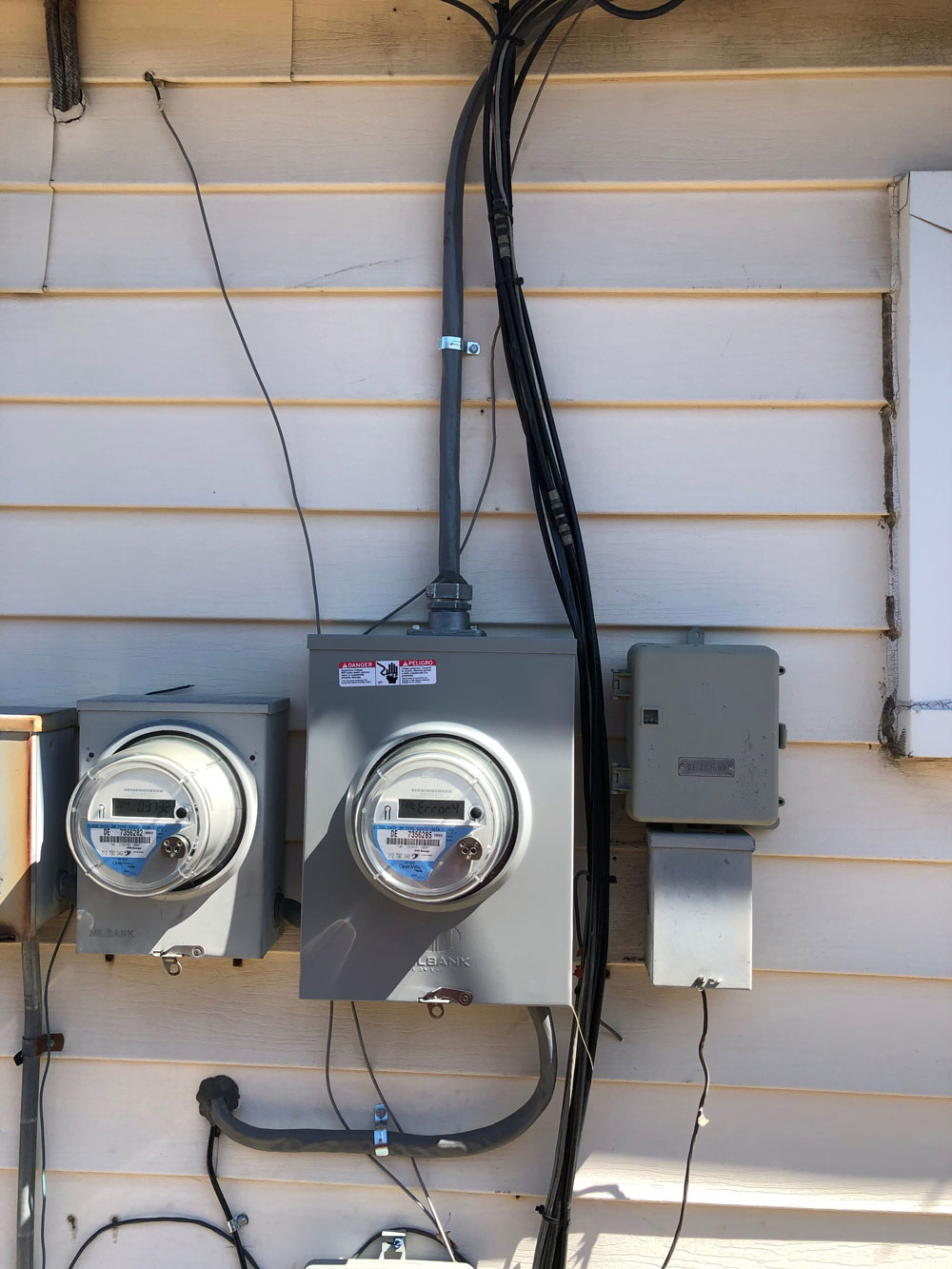
Vehicle brand and charger model matter because connectors, amperage settings, manufacturer instructions, and optional accessories are not identical. It is helpful to have the charger model, vehicle information, desired mounting area, and photos of the electrical panel available before discussing the project. That information helps make the initial conversation more focused and reduces guesswork about the likely installation path.
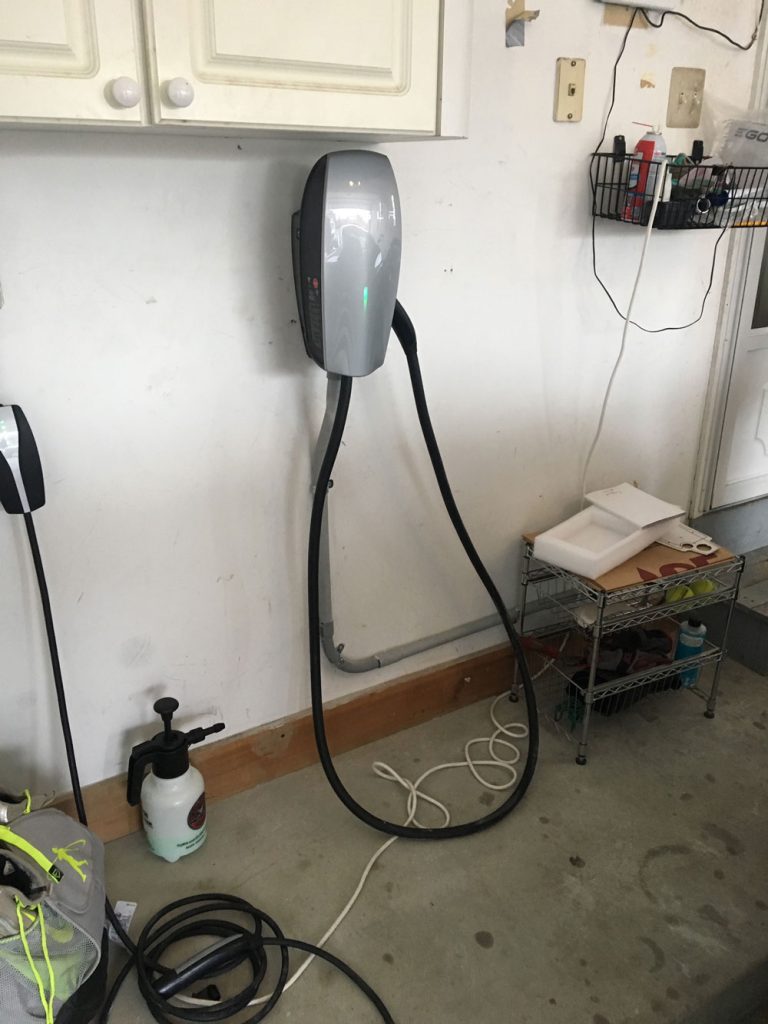
Tesla charger installation can involve a Tesla Wall Connector or another compatible charging solution, depending on the homeowner’s preferences and vehicle setup. The charger’s specified electrical requirements, desired charging setting, and mounting location should guide the circuit planning rather than assumptions based only on the Tesla name. Owners should also consider whether the setup needs to serve one current vehicle or provide flexibility for another EV in the household later.
EV charging outlet installation may be an option for homeowners choosing a plug-in charger instead of a permanently connected unit. The outlet type, circuit rating, enclosure or location details, and charger instructions need to work together, since an outlet that appears similar may not be appropriate for a particular charging application. Discussing the exact charger before the electrical work begins helps align the outlet configuration with the intended equipment.
A practical path from idea to daily charging
Home EV charger installation is easiest to navigate when the homeowner separates the equipment decision from the electrical evaluation, then brings both together in a final plan. Executive Electric can be a relevant contact for Farmington Hills, MI property owners who want to discuss the electrical side of adding a charger. The company’s listed location is 20504 Hall Rd, Clinton Township, MI 48038, so the target city should not be confused with a claimed Farmington Hills office location.
- Document your needs: Note the EV model, expected daily miles, preferred charging times, charger model if selected, and whether one or two vehicles may need charging.
- Review the parking area: Identify the likely mounting point, cable path, distance to the electrical panel, indoor or outdoor conditions, and potential obstacles.
- Plan the electrical scope: Ask about dedicated-circuit needs, panel capacity, wiring route, connection type, and any permit or inspection considerations that may apply.
- Confirm the finished-use details: Once installed, follow the charger and vehicle instructions for settings, operation, cable storage, and routine visual checks.
Do not assume an existing dryer outlet, general-purpose garage receptacle, or extension cord is an interchangeable solution for an EV charger. Charging can place a sustained electrical demand on the circuit, and the proper approach depends on the charger, electrical equipment, and installation details. Addressing those questions before use is more useful than trying to adapt an unsuitable connection afterward.
Questions Farmington Hills homeowners commonly consider
Do I need a Level 2 charger at home?
A Level 2 charger is not required for every EV owner. It is often considered when a household wants faster at-home charging than a standard outlet can provide, drives enough each day to need more overnight range, or wants a dedicated charging arrangement. Vehicle capability, daily mileage, and home electrical capacity help determine whether it is a good fit.
Can an existing electrical panel support an EV charger?
It depends on the panel’s rating, current loads, condition, and the charger circuit being considered. An electrical evaluation can determine whether capacity is available or whether changes may be needed. Homeowners should avoid assuming that an unused breaker space automatically means the panel has sufficient load capacity.
Is a hardwired charger better than a plug-in charger?
Neither is universally better. A hardwired unit and a plug-in unit have different installation and equipment considerations. The charger manufacturer’s instructions, desired location, required circuit, future equipment plans, and the condition of the proposed connection all help shape the decision.
Where is Executive Electric located for a Farmington Hills, MI charging project?
Executive Electric’s listed location is 20504 Hall Rd, Clinton Township, MI 48038. Homeowners in Farmington Hills and elsewhere in Michigan can use the contact page to share their project details and ask about the electrical planning needed for a home charging setup.
Discuss your home charging plan with Executive Electric
A charging project is easier to evaluate when you can describe the vehicle, charger preference, parking location, and electrical panel situation in one conversation. If you are considering Home EV charger installation for a Farmington Hills, MI property, contact Executive Electric with those details and any photos that may help clarify the proposed location. Clear planning can help you move from public-charging uncertainty to a more dependable routine at home.
Contact Executive Electric to discuss your proposed home charging setup. The company is located at 20504 Hall Rd, Clinton Township, MI 48038, and can be contacted for the next steps in evaluating your Michigan EV charging project.