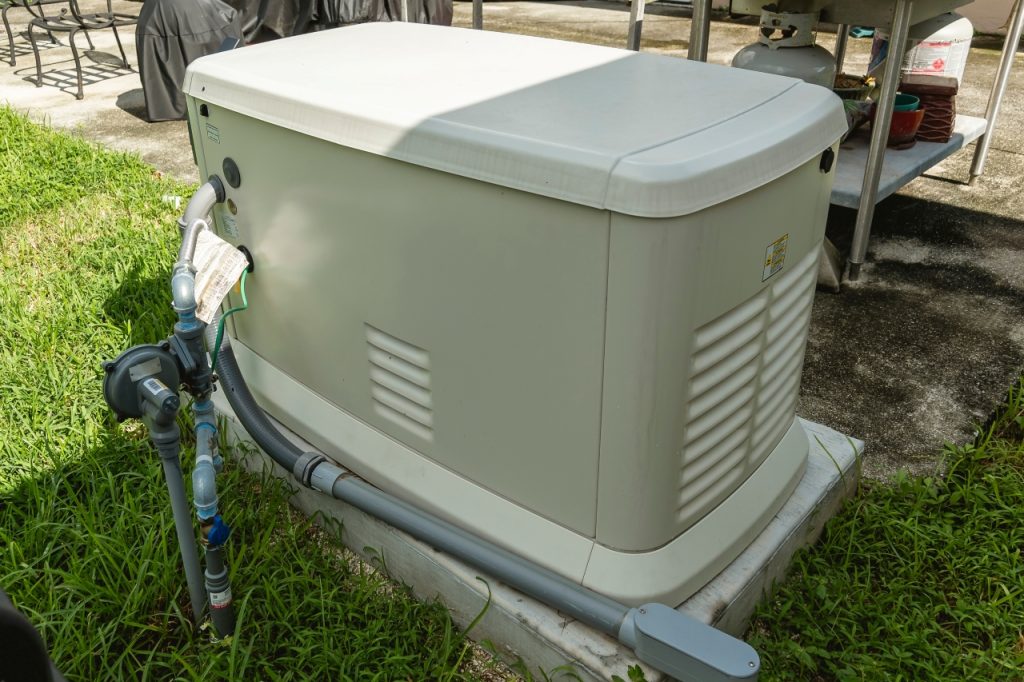
Generator repair services Farmington Hills, MI
When a standby or portable generator will not start, runs roughly, shuts down unexpectedly, or fails to transfer power as expected, prompt evaluation matters. Executive Electric provides a practical point of contact for people seeking generator repair services in Farmington Hills, MI, with service questions handled through its Clinton Township, Michigan location at 20504 Hall Rd, Clinton Township, MI 48038. A generator is most valuable when utility power is unavailable, so an unexplained fault is worth addressing before the next outage tests the system.
Generator problems can involve the engine, battery, fuel supply, controls, transfer equipment, wiring, or the electrical loads connected to the unit. The right repair approach begins by identifying the actual source of the failure rather than replacing parts based only on a warning light or a no-start symptom. Contact Executive Electric to discuss the equipment, the symptoms you have noticed, and the most appropriate next step.
What a generator problem can mean for your property
Generator repair is the process of diagnosing and correcting conditions that prevent a backup power system from operating safely and reliably. For homes, a working generator may help support selected essentials during an outage. For properties with equipment, refrigeration, pumps, communications needs, or other critical electrical demands, an unreliable unit can create a more urgent planning concern.
Not every issue is a complete generator failure. Some systems start but cannot carry expected loads, while others run normally until the automatic transfer sequence is needed. Clear symptom details help distinguish an engine-related concern from a battery, control, transfer switch, connection, or load issue.
Signs that call for a professional assessment
Repeated cranking, a dead battery, fluid leaks, unusual smoke, alarm codes, fuel odors, fluctuating output, or a generator that stops soon after starting all warrant attention. Do not continue resetting breakers or bypassing safety controls to force operation. Electrical and fuel-fired equipment can present shock, fire, exhaust, and mechanical hazards when a fault is ignored.
- The unit does not start during an exercise cycle or after a power interruption.
- The generator starts but delivers unstable power, trips protection, or stalls under load.
- The transfer equipment does not move the property to generator power or back to utility power correctly.
- The system displays an unfamiliar alert, shows visible damage, or has deteriorated wiring or connections.
A homeowner may be able to note the controller message, check whether the fuel source is available, and make sure the surrounding area is clear without opening energized equipment. Beyond basic observation, diagnosis should be left to a qualified service professional. A careful evaluation protects the equipment and helps avoid confusing a simple maintenance need with a larger electrical fault.
A practical path from symptom to repair
Effective generator repair services follow a logical sequence: gather the operating history, inspect the installation, test relevant functions, identify the failed or worn component, and confirm operation after corrective work. This process matters because a generator can appear fine at idle yet reveal problems only during transfer or when supporting real electrical demand. Executive Electric can help customers begin that conversation from its 20504 Hall Rd Clinton Township, MI 48038 location.
Start with useful information, not guesswork
Before contacting a provider, write down the generator brand and model if available, when the problem began, whether an outage occurred, and any lights, alarms, sounds, or odors you observed. Also note whether the unit is portable or permanently installed and whether it started, transferred, and carried power normally during its last known operation. These details can make the initial discussion more focused and help determine what diagnostic work may be needed.
- Describe the symptom and the conditions under which it occurs.
- Review the generator, battery, fuel-related components, controls, visible connections, and transfer function as applicable.
- Test starting, charging, output, and operational response in a controlled manner.
- Explain the findings, discuss repair or upkeep considerations, and verify operation after service where appropriate.
Repair needs vary widely. A weak starting battery and corroded terminal may call for a different solution than a failed controller, restricted fuel delivery, worn engine component, loose electrical connection, or transfer-switch concern. Asking for an explanation of the observed issue, the proposed correction, and any follow-up testing gives property owners a clearer basis for deciding how to proceed.
Repair, maintenance, and replacement are different decisions
A repair corrects a specific fault. Maintenance focuses on routine tasks that help reduce preventable problems, such as inspections, exercising, fluid and filter attention where applicable, battery checks, and connection checks. Replacement becomes a consideration when a unit’s condition, parts availability, power requirements, or repair scope no longer align with the owner’s needs, but it should not be assumed solely because a generator has one malfunction.
People searching for Generator maintenance near me are often trying to prevent the no-start condition that appears at the worst possible time. Regular attention can identify weak batteries, aging consumables, contaminated fuel concerns, loose terminals, and developing control issues before they interfere with operation. Maintenance does not guarantee that every component will last indefinitely, but it supports a more informed, proactive approach to backup-power readiness.
For a portable unit, maintenance also includes reviewing safe storage, fuel condition, cord and connection condition, and correct outdoor operation. For a permanently installed system, the discussion may include the generator enclosure, ventilation clearance, automatic transfer equipment, and the circuits or loads intended to receive backup power. The system type and intended use should shape the service plan.
Why testing matters after a generator concern
A generator that starts is not automatically ready to support a property. Performance under electrical demand is a separate question, and the transfer sequence may be just as important as engine operation. Testing helps reveal whether the equipment can produce stable power and respond appropriately when connected loads are introduced.
Load testing answers a more meaningful question
Generator load testing evaluates how a generator performs when it is asked to support electrical demand rather than simply running without a meaningful load. The test can help identify output instability, overheating tendencies, fuel-delivery limitations, protective shutdowns, or performance issues that may not be obvious during a brief no-load exercise. The appropriate test method depends on the equipment and installation, so it should be planned with safety, manufacturer guidance, and the property’s electrical setup in mind.
Load testing is particularly useful after certain repairs, after a long period of limited use, or when an owner is uncertain whether the generator can support expected essential circuits. It is also a useful distinction when comparing service options: a visual inspection or start test may be valuable, but neither necessarily demonstrates performance under demand. Ask what functions will be checked and how the results will inform any recommended follow-up.
Choosing help for urgent and routine generator needs
Choose a service conversation that addresses the actual equipment symptoms, the property’s backup-power goals, and the safety considerations of the installation. A clear provider should be able to discuss what information is useful, what testing may be appropriate, and why a recommended repair or maintenance step is relevant. Avoid treating recurring alarms, failed transfer events, or visible equipment damage as minor inconveniences, especially when the generator supports important loads.
Emergency generator services are relevant when a generator failure coincides with an outage, a critical operational need, or a condition that should not wait for routine planning. If there is a fuel smell, smoke, sparking, damaged wiring, or another immediate safety concern, keep people clear of the equipment and follow appropriate emergency safety procedures. For less urgent faults, documenting the symptom and arranging a focused evaluation can be the more measured path.
- What symptom, alarm, or transfer behavior led to the service request?
- Is the generator intended for selected household circuits, broader backup coverage, or a specific property need?
- When was the unit last known to start, transfer, and support expected loads?
- What diagnostic steps and post-repair verification are appropriate for this system?
For Farmington Hills, Michigan customers, it is useful to separate location from service relevance. Executive Electric is located in Clinton Township, MI, not represented here as having an office in Farmington Hills. The company can be contacted to discuss generator repair needs, equipment details, and whether its services are an appropriate fit for your situation.
Generator repair questions from Farmington Hills property owners
What should I do if my generator will not start?
First, do not bypass safety devices or attempt repairs inside energized equipment. Record any controller message, note whether the battery, fuel supply, or visible connections show obvious concerns, and contact a professional to discuss diagnosis. A no-start condition can stem from several systems, so a symptom-based assessment is safer than guessing.
How do generator repair services differ from routine maintenance?
Generator repair services address a known malfunction, such as failure to start, unstable output, a shutdown, or a transfer problem. Routine maintenance aims to find and reduce developing issues through scheduled inspection and upkeep. Both matter because maintenance can support readiness, while repair restores function after a fault is identified.
Does a generator need to be tested if it starts normally?
Yes, starting normally confirms only one part of operation. A generator may still have a transfer, output, charging, fuel-delivery, or load-handling problem. Controlled testing can provide more useful evidence of readiness, particularly when the system is expected to support essential circuits during a utility outage.
Is Executive Electric located in Farmington Hills, MI?
Executive Electric’s supplied location is 20504 Hall Rd, Clinton Township, MI 48038. Customers in Farmington Hills and elsewhere in Michigan can contact Executive Electric to discuss their generator issue and determine the appropriate next step. The page describes service relevance for the Farmington Hills area without claiming a Farmington Hills office.
Discuss your generator concern with Executive Electric
A generator problem is easier to evaluate when you can clearly describe what happened, what the system was expected to power, and whether the issue involves starting, transfer, output, or operation under load. Executive Electric offers a direct contact option for customers considering generator repair services and related backup-power questions. Bringing the unit details and recent symptoms to the conversation can help make the next step more productive.
Contact Executive Electric today through the contact form to discuss generator repair services for Farmington Hills, MI. Executive Electric is located at 20504 Hall Rd, Clinton Township, MI 48038, and can help you begin an informed conversation about your generator, its symptoms, and appropriate service considerations.