EV Charger Installation Farmington Hills, MI
Charging at home can turn an EV into a more convenient part of everyday life. Instead of planning around public chargers, a properly selected and installed home charging setup lets the vehicle recharge while it is parked. Executive Electric provides a clear starting point for homeowners considering EV Charger Installation in Farmington Hills, MI, with practical attention to the charger, the electrical system, and the installation location.
Executive Electric is located at 20504 Hall Rd, Clinton Township, MI 48038. Farmington Hills homeowners can use this page to understand the decisions involved before contacting the company, including whether a Level 1 or Level 2 solution fits their driving habits, what an electrician needs to review, and how to prepare for a productive installation discussion.
Make home charging fit the way you drive
The right charging arrangement depends on the vehicle, the miles driven between charging sessions, available parking, and the home’s electrical capacity. A plug-in charger is not automatically the best fit simply because it is easy to purchase. Planning the circuit, equipment location, cable reach, and future vehicle needs first can help create a setup that is safer and more useful over time.
Most EV owners evaluate two common home approaches:
- Level 1 charging uses a standard household receptacle and is generally the slowest option. It may suit drivers with modest daily mileage and long overnight parking windows.
- Level 2 charging uses a 240-volt circuit and typically provides substantially faster charging. It is often the practical choice for households that want more dependable overnight replenishment or have more than one electric vehicle.
Level 2 equipment may be hardwired or connected through an appropriate receptacle, depending on the charger and installation plan. A hardwired unit can reduce reliance on a plug and receptacle, while a receptacle can make some future equipment changes simpler. The better choice should account for the manufacturer’s requirements, electrical design, and how the household expects to use the charger.
Electric car charger installation begins with an electrical review
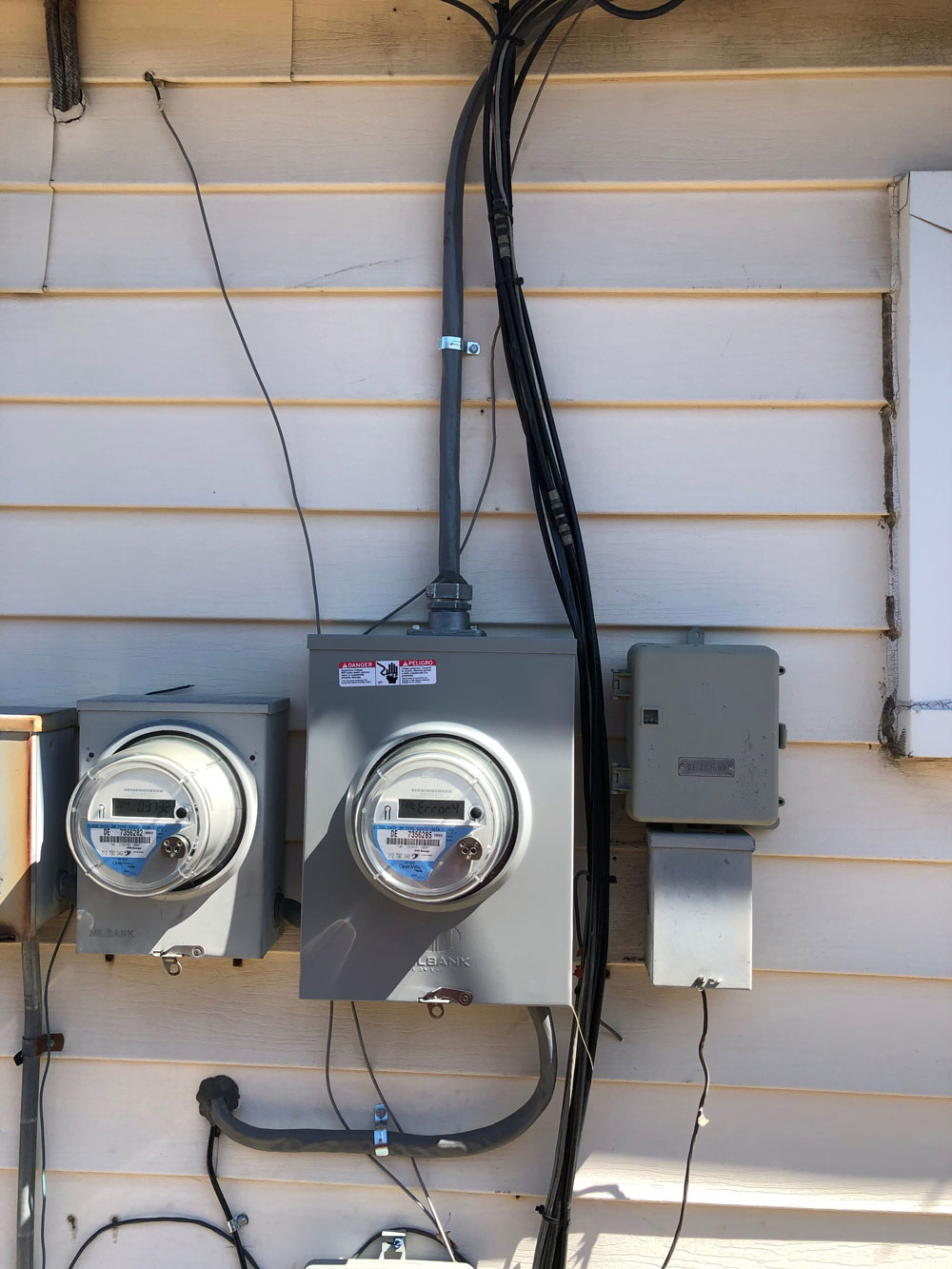
Electric car charger installation involves more than mounting a charging unit near a garage wall. The home’s service capacity, panel space, existing electrical loads, and the distance from the panel to the parking area can all affect the design. Reviewing these factors before work starts helps identify whether a dedicated circuit is feasible as planned or whether the electrical system needs a different approach.
An electrician may also consider where the cable will rest when the vehicle is not charging, how it will reach the charge port, and whether an indoor or outdoor-rated location is appropriate. Keeping the cable out of walking paths and avoiding unnecessary strain on the connector makes daily use easier. The goal is a charging station that works with the property rather than one that creates a recurring inconvenience.
Why a dedicated circuit matters
An EV charger is a sustained electrical load, so it should not be treated like a temporary extension-cord appliance. A dedicated circuit is designed for the charging equipment and helps avoid overloading circuits that already serve lighting, appliances, or garage outlets. The circuit rating, wiring method, breaker, and protective devices must be selected to match applicable requirements and the equipment specifications.
Older homes and recently remodeled homes can present different planning considerations. A panel may have open breaker positions but still require a load calculation, while a panel with limited space may need an alternative configuration. Executive Electric can be contacted to discuss the property details that influence a safe, code-conscious charging installation in Michigan.
What the EV charger installation process usually includes
A well-planned installation follows a sequence that reduces surprises. The exact scope varies by home and equipment, but the process generally starts with information gathering and ends with verifying that the charging equipment is ready for normal use. This approach gives the homeowner a clearer picture of what may affect cost, timing, and equipment placement.
- Identify the vehicle and charger. Confirm the charging connector, desired charging level, equipment specifications, and whether the unit will be hardwired or plug-in.
- Review the parking and electrical layout. Consider the vehicle’s normal parking position, panel location, cable route, wall or pedestal mounting surface, and whether outdoor exposure is involved.
- Evaluate electrical capacity. Determine what the existing service and panel can support alongside major household loads such as HVAC equipment, cooking appliances, and dryers.
- Plan the dedicated circuit and installation method. The route may involve accessible interior spaces, finished walls, a garage, or an exterior run, each with different practical considerations.
- Install, test, and explain use. Once equipment and circuit components are in place, the system should be tested according to the charger’s instructions before regular charging begins.
EV charging station installation for homes with changing needs
EV charging station installation can be planned for today’s vehicle while leaving room for future changes. A household may start with one EV and later add another, replace the vehicle with a model that charges differently, or change where vehicles park. Discussing these possibilities early can help homeowners weigh a straightforward current solution against infrastructure that may better support later upgrades.
Not every property needs the largest available charger. Charging speed is limited by both the vehicle and the charger, and a higher-rated unit may require more electrical capacity than a household needs. Selecting equipment based on realistic overnight charging needs, rather than maximum advertised output alone, is often a more sensible decision.
EV charging point installation and placement details
EV charging point installation should place the connector within comfortable reach of the vehicle without stretching the cable across a doorway, sidewalk, or driveway path. The location should also account for the charger’s weather rating, mounting requirements, and the direction the vehicle normally faces when parked. Small placement decisions can make a major difference in whether charging feels effortless every evening.
Garage charging often offers a protected environment, but it still requires thoughtful cable management and clearance. Outdoor charging can be a practical option when parking is outside, provided the equipment and installation method are appropriate for the conditions. In either setting, homeowners should avoid choosing a location solely because it appears closest to the electrical panel.
Choose a provider based on the details that affect your home
A charging installation is an electrical project with property-specific variables, not a one-size-fits-all retail purchase. When selecting a provider, focus on whether the discussion addresses your vehicle, your service panel, the proposed circuit route, and the intended charger location. Clear answers about scope and equipment compatibility help you make a decision with fewer assumptions.
- Share the make and model of the EV or the charger being considered.
- Describe where the vehicle normally parks and whether the space is enclosed or outdoors.
- Note the approximate location of the electrical panel and any known panel limitations.
- Ask how the proposed charger rating aligns with household electrical capacity and daily charging needs.
- Ask what preparation, access, or follow-up steps may be needed for the installation.
Work with a Professional EV charger installer for a tailored plan
A Professional EV charger installer helps translate charger specifications into an installation plan that accounts for the home’s electrical infrastructure. That includes evaluating the dedicated circuit, connection method, routing considerations, and the practical location of the equipment. Homeowners benefit from bringing vehicle and charger information to the conversation so the recommended work can be based on the actual system rather than a generic assumption.
It is also useful to distinguish electrical installation from the charger purchase itself. Some homeowners already own equipment, while others are still comparing models and features. Confirming the unit’s electrical requirements before scheduling work can help avoid selecting equipment that is poorly matched to the property or the intended circuit.
Smart EV charger installation can add useful control
Smart EV charger installation may appeal to drivers who want app-based monitoring, charging schedules, usage information, or other connected features offered by a compatible charger. These functions can make it easier to see charging activity and set preferences around when the vehicle charges. The electrical installation still needs to be sized and completed correctly, regardless of whether the charger has connected features.
Smart equipment is not essential for every household. A conventional Level 2 charger can be an excellent fit for drivers who prefer simple plug-in operation, while connected controls may be more valuable for people who want visibility into charging sessions. Comparing usability, vehicle compatibility, network requirements, and desired features can help narrow the options.
Talk with Executive Electric about your Farmington Hills charging plan
For a home charging project, useful preparation starts with the vehicle information, preferred charger, parking arrangement, and a basic picture of the electrical panel. Executive Electric can help begin the conversation around these details from its Clinton Township, Michigan location at 20504 Hall Rd, Clinton Township, MI 48038. The company’s location should not be confused with an office in Farmington Hills, but the service discussion can focus on the needs of your Farmington Hills property.
Whether you are moving from Level 1 charging, purchasing your first EV, or planning for a second electric vehicle, an EV Charger Installation plan should be built around real household use. A properly considered setup can provide reliable at-home charging, a cleaner parking-area layout, and greater confidence that the equipment is matched to the electrical system. Contact Executive Electric to discuss your charging goals and the details of your Farmington Hills, MI home.
EV charging questions from homeowners
How long does a home EV charger installation take?
The timeline depends on the existing electrical system, charger location, circuit route, equipment choice, and any required upgrades or approvals. A straightforward installation may involve fewer steps than a project requiring panel work, long wiring runs, or changes to accommodate available electrical capacity.
Is Level 2 charging worth it for my home?
Level 2 charging is often worthwhile for EV owners who want faster home charging, drive regularly, or need more flexibility between trips. The right choice depends on daily mileage, overnight parking time, vehicle capability, electrical capacity, and whether the added charging speed will provide a practical benefit.
Can I install an EV charger if my electrical panel is full?
A full panel does not automatically prevent an installation, but it does require an evaluation of panel space and electrical capacity. An electrician can review the existing system and determine what options may be appropriate for safely adding a dedicated EV charging circuit.
Does Executive Electric have an office in Farmington Hills, MI?
Executive Electric’s supplied location is 20504 Hall Rd, Clinton Township, MI 48038. The company is not presented here as having a physical Farmington Hills office. Contact Executive Electric to discuss your property and whether its EV charging services are appropriate for your installation plans.