EV Charger Electrical Panel Upgrade Farmington Hills, MI
An EV charger should make daily driving simpler, not create repeated breaker trips or uncertainty about whether your home can handle the load. Executive Electric helps homeowners seeking an EV Charger Electrical Panel Upgrade in Farmington Hills, MI evaluate the electrical capacity behind a planned Level 2 charging setup and determine a practical path forward. The company is located at 20504 Hall Rd, Clinton Township, MI 48038, and this page is intended for customers considering service in the Farmington Hills area.
Charging equipment is only one part of a successful home installation. The electrical panel, main service, available breaker spaces, wiring route, and the charger’s planned amperage all affect what can be installed safely and effectively. A careful assessment before purchasing or hardwiring equipment can help prevent expensive changes after the project has already begun.
Why an EV charger can require more panel capacity
A Level 2 charger is a continuous electrical load, which means the home’s electrical system must be evaluated differently than it would for a brief-use appliance. An electrical panel upgrade for EV charging may be appropriate when the existing service lacks sufficient calculated capacity, has no room for a dedicated breaker, or cannot support the desired charger output alongside normal household demand.
Many homes have panels that appear to have unused breaker positions but still need a formal load calculation. The empty spaces answer only one question: where a new breaker might fit. They do not establish that the service conductors, main breaker, panel rating, and total demand can support additional continuous charging load.
Signs it is time to assess the panel before installation
Homeowners commonly start this process after buying an EV, comparing charger models, or finding that a charger installer recommends a larger circuit. Other reasons include an older panel, a full breaker layout, planned additions such as electric heating or a hot tub, or a desire to charge faster overnight. The right answer depends on the home’s actual electrical demand rather than the vehicle alone.
- Your panel has no practical space for a new two-pole breaker.
- The proposed charger amperage is higher than the home can reasonably add under a load calculation.
- Breakers trip, lights dim, or electrical equipment behaves inconsistently during high-demand periods.
- You are adding other major electric loads, such as an induction range, heat pump, dryer, or workshop equipment.
- The existing panel or service equipment needs evaluation before new high-load equipment is connected.
Not every EV owner needs a service upgrade. Some homes can accommodate a properly sized dedicated circuit, while others may benefit from a lower-amperage charging configuration or load-management equipment if appropriate for the design. The important point is to choose based on electrical capacity, driving needs, and the requirements of the charging equipment, rather than assuming the highest charger output is always necessary.
What an EV Charger Electrical Panel Upgrade involves
An EV Charger Electrical Panel Upgrade is a coordinated electrical project that can include evaluating the current service, planning a dedicated charging circuit, and modifying or replacing equipment when the existing system cannot support the intended load. Executive Electric can be a useful point of contact when you need to discuss the electrical side of a home charging plan before moving ahead.
For homeowners researching options, EV Charger Electrical Panel Upgrade planning should begin with the charger’s required circuit size and the home’s current demand. A qualified electrician can review those factors together, identify constraints, and explain whether a panel change, service upgrade, circuit addition, or alternate charging approach makes the most sense.
From assessment to a dedicated charging circuit
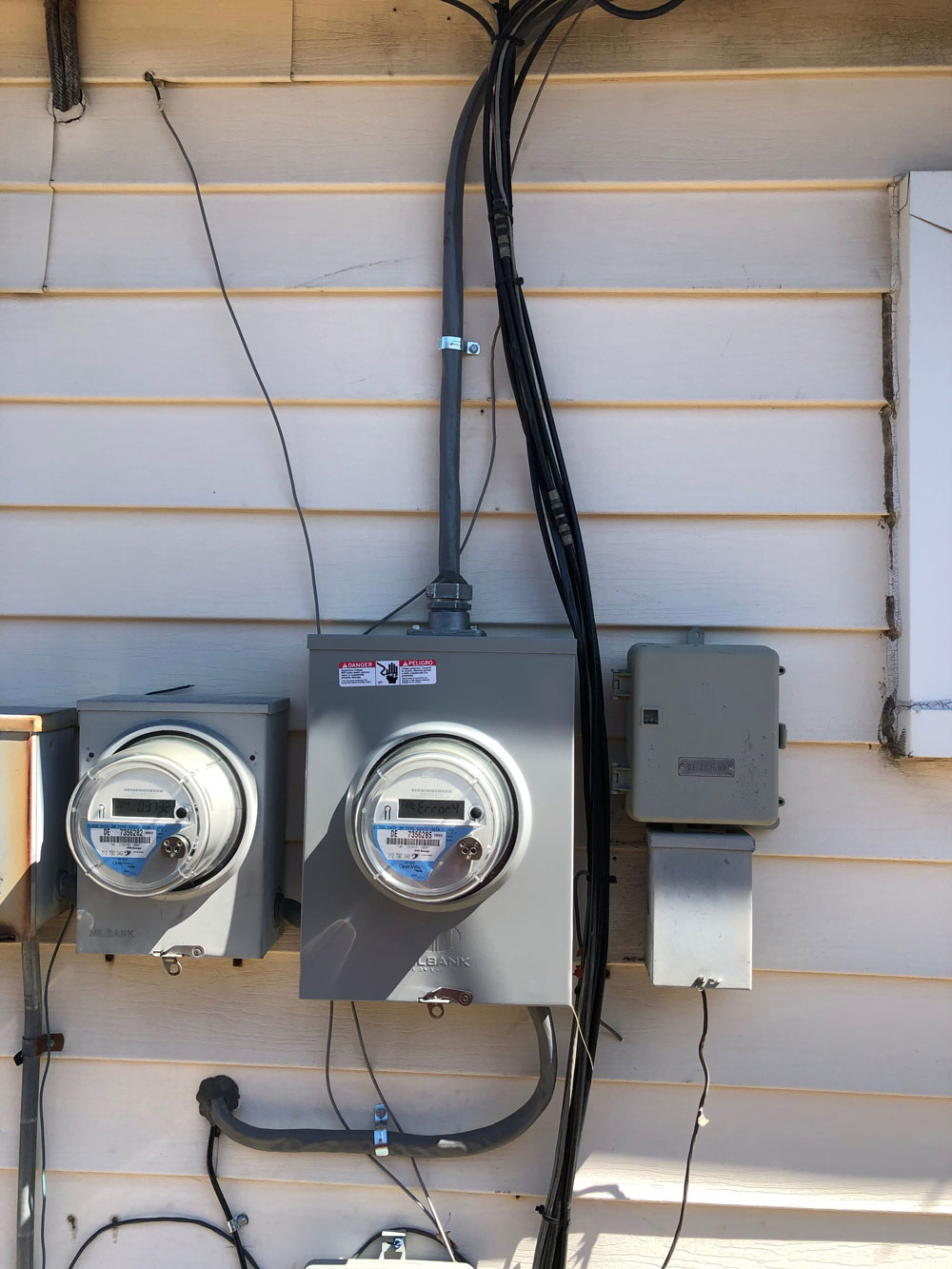
The process generally starts with information gathering. The electrician may need to know the vehicle and charger under consideration, whether the unit will be hardwired or receptacle-connected, where it will be located, how far it is from the panel, and what large electrical appliances are already in use. Photographs of the panel and a clear view of the intended charger location can help prepare for an onsite evaluation.
- Review the charging objective. Consider daily mileage, expected charging window, and the charger output that fits your routine.
- Assess existing electrical equipment. Review panel capacity, breaker availability, service rating, visible equipment condition, and household loads.
- Calculate and plan. Determine the appropriate circuit and whether the current panel can support it or needs modification.
- Install or upgrade as needed. Complete the approved electrical work, including the dedicated circuit and any necessary panel or service work.
- Verify operation. Confirm that the charging connection and related electrical equipment function as intended after installation.
Permit and inspection requirements can apply to electrical work, and requirements may vary by jurisdiction in Michigan. Ask the provider how the project will be scoped, what approvals may be needed, and what parts of the installation are included. Clear expectations are particularly important when a panel upgrade and charger installation are being coordinated as one project.
Panel upgrade, service upgrade, or a smaller charging circuit?
These terms are related but not interchangeable. A panel upgrade usually concerns the distribution panel and its ability to house breakers and manage circuits. A service upgrade can involve higher-capacity equipment upstream of the panel, while a smaller dedicated circuit may allow charging without changing the main electrical service when the load calculation supports that approach.
A larger circuit can reduce charging time, but it is not automatically the better value for every household. Drivers who park at home for many hours may find that moderate Level 2 charging readily meets their overnight needs. In contrast, households with short turnaround times, multiple EVs, or future electrification plans may place more value on capacity that supports faster charging and additional loads.
When comparing quotes, make sure each proposal describes the same scope. One estimate may cover only a circuit run, while another may include panel replacement, service-related work, charger mounting, wiring distance, permit coordination, or corrections needed to support the installation. A detailed scope helps you compare decisions fairly instead of focusing on a single number.
Planning a charger project around your home and routine
The best charging setup balances electrical capability with the way your household uses the vehicle. A garage installation may have a straightforward pathway to the panel, while a detached garage or exterior parking location can require a longer route and different planning. Equipment location also matters because the cable should reach the vehicle without creating a trip hazard or placing strain on the connector.
The term EV Charger Panel Upgrade is often used when homeowners are really considering several connected decisions: charger speed, panel capacity, dedicated circuit design, future vehicle needs, and the practical placement of equipment. Reviewing those decisions together can reduce the chance of installing a circuit that is too limited for your plans or investing in capacity you will not use. It also gives you an opportunity to account for other anticipated electrical changes in the home.
Questions worth asking before you choose a provider
A productive consultation should give you understandable answers about the electrical design, not just a recommendation to install more equipment. Ask what load calculation or capacity review will be used, whether the existing panel has adequate room and rating, and what charging amperage is being proposed. You can also ask how the route from panel to charger affects the scope and whether any future household projects could change the recommendation.
- What charger circuit size fits my vehicle, charging schedule, and available electrical capacity?
- Does the proposed work involve the panel, the service, or only a new dedicated circuit?
- What equipment, wiring path, disconnecting means, and mounting work are included in the scope?
- Will the project need permits or inspections under local requirements?
- How can the design account for a second EV or other planned electric appliances?
Executive Electric provides a clear local point of contact for Farmington Hills, Michigan homeowners who want to discuss these practical considerations before committing to equipment or electrical work. The company’s listed location is 20504 Hall Rd, Clinton Township, MI 48038. Sharing your charging goals and current panel information when you reach out can make the initial conversation more focused.
Benefits of getting the electrical foundation right
A thoughtfully planned panel and circuit solution supports more reliable home charging and helps align the electrical system with the household’s real needs. It can also create a clearer path for future electrical projects, particularly when an owner expects to add another EV or transition more appliances from gas to electric. The goal is not simply to add the largest possible circuit, but to create a design that is appropriate for the property.
Better charging convenience is often the immediate benefit. With a suitable dedicated circuit, drivers can plug in at home and recharge during the time the vehicle is parked. Just as important, an electrical assessment helps identify capacity limitations before they become an interruption, a redesign, or a surprise added cost.
For a home in Farmington Hills, MI, professional evaluation is especially valuable when the existing electrical system has evolved through prior additions or renovations. Electrical equipment should be assessed as a complete system, including the loads already present and the work being proposed. That approach supports an informed decision whether the final recommendation is a panel upgrade, a service change, or a right-sized charging circuit.
Frequently asked questions
Do I always need an electrical panel upgrade for a Level 2 EV charger?
No. A Level 2 charger does not automatically require a panel upgrade. An electrician should evaluate the charger’s continuous load, the home’s service capacity, available breaker space, and existing demand. Some homes can add a dedicated circuit, while others need panel or service work first.
What is the difference between a panel upgrade and a service upgrade?
A panel upgrade addresses the distribution equipment where branch circuit breakers are installed. A service upgrade addresses the electrical capacity serving the home and may involve equipment beyond the panel. The appropriate option depends on the load calculation, equipment ratings, and the condition of the existing electrical system.
Can I choose a lower-amperage charger instead of upgrading my panel?
Possibly. A lower-amperage Level 2 circuit may provide sufficient overnight charging for some driving routines and may fit within the home’s available capacity. The decision should still be based on an electrical assessment and the charger manufacturer’s installation requirements, not on a guess about available power.
Where is Executive Electric located for Farmington Hills customers?
Executive Electric is located at 20504 Hall Rd, Clinton Township, MI 48038. Farmington Hills is the target service area discussed on this page, but no Farmington Hills office location is claimed. Contact Executive Electric to discuss your property, charger plans, and electrical panel questions.
Discuss your home charging plan with Executive Electric
If you are considering an EV charger and are unsure whether your electrical panel can support it, start with the information that shapes the project: your vehicle, preferred charger location, desired charging speed, and photographs or details of the existing panel. Executive Electric can help you begin the conversation around an EV Charger Electrical Panel Upgrade in Farmington Hills, MI without assuming that every home needs the same solution.
Contact Executive Electric through the contact page to discuss your project. The company location is 20504 Hall Rd, Clinton Township, MI 48038, and a clear initial discussion can help you decide on the next appropriate step for safe, convenient EV charging in Michigan.