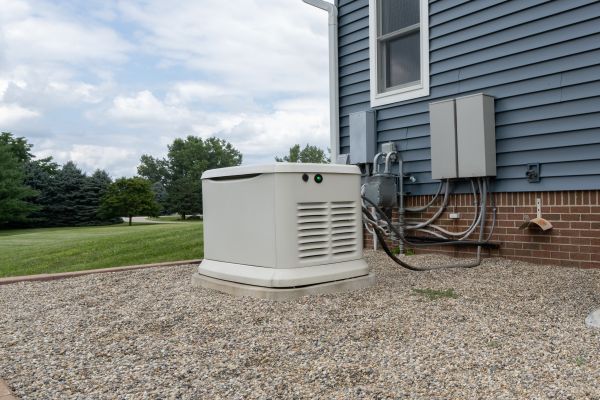
Home Generator Installation Clinton Township, MI
When utility power drops, a properly planned generator system can keep essential parts of a home operating without relying on extension cords, portable fuel storage, or last-minute decisions. Executive Electric is located at 20504 Hall Rd, Clinton Township, MI 48038, offering a local starting point for homeowners considering dependable electrical backup. Home Generator Installation in Clinton Township, MI is about more than adding equipment: it is about matching backup power, fuel, transfer equipment, and electrical priorities to the way a household actually lives.
Michigan weather, utility interruptions, and household needs can make an automatic backup system worth evaluating. A generator may be especially practical for homes with refrigerated food, sump pumps, home offices, medical-related electrical needs, well pumps, security equipment, or family members who need a more predictable response when the lights go out. Executive Electric can be contacted to discuss the project details that matter before an installation decision is made.
What a home generator system is designed to do
A permanently installed standby system monitors incoming utility power and can start automatically when an outage occurs, then transfer selected electrical loads to generator power. Once normal utility service is restored, the system transfers power back and shuts down according to its controls. The goal is continuity for the circuits and appliances that have been included in the design, not an assumption that every electrical item will operate at once.
A Home Generator Installation plan should begin with an honest look at what needs power during an outage. Some households want a carefully selected essential-load panel, while others prefer a larger system designed to support much of the home. The right approach depends on electrical demand, budget, available fuel, the existing service equipment, and the homeowner’s priorities.
Essential circuits or broader home coverage?
Choosing between essential-load backup and broader coverage is one of the most important design decisions. Essential circuits may include refrigeration, selected lighting, internet equipment, a furnace or boiler, sump pumps, garage access, and a few outlets. A larger system can offer more convenience, but it generally requires careful load calculations so high-demand equipment such as air conditioning, electric ranges, dryers, water heaters, or EV charging does not exceed the generator’s capacity.
- Essential-load designs focus available capacity on the systems a household considers most important.
- Whole-home approaches can support more normal routines but require more detailed planning around simultaneous loads.
- Load management can help prioritize equipment rather than treating every appliance as an equal outage priority.
- Future needs, including planned additions or changes in heating and cooling equipment, should be considered before final sizing.
Why automatic transfer equipment matters
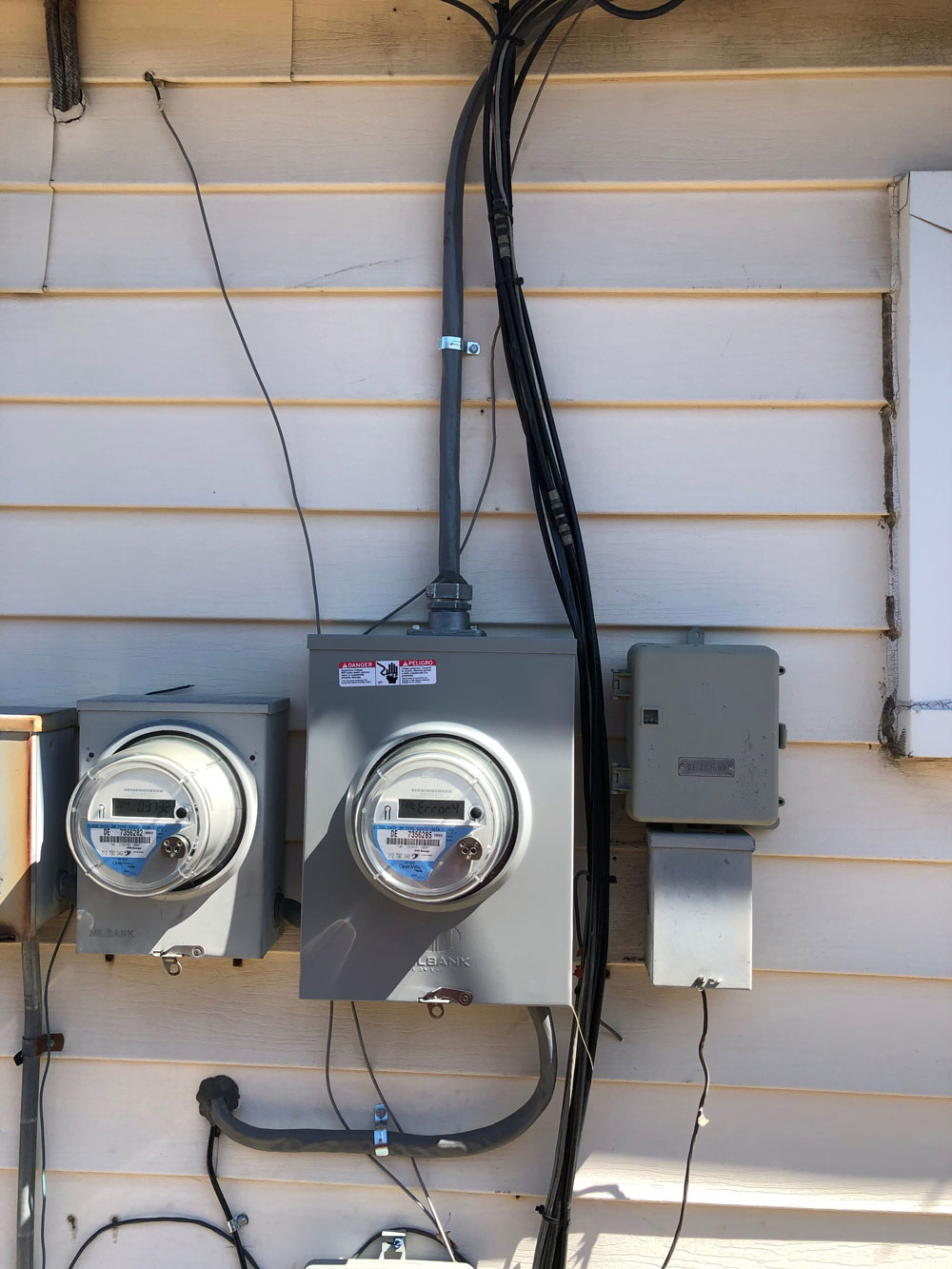
A generator is only one part of a safe, functional backup arrangement. Transfer equipment separates generator power from utility power and directs electricity to the intended circuits when an outage occurs. This coordination is why permanent generator projects should be evaluated as electrical-system work rather than simply as the purchase of a machine.
Whole house generator installation can be a useful option for homeowners who want substantially more continuity across the home during an outage. It requires a realistic assessment of connected loads, starting loads, service capacity, and fuel supply so the proposed system aligns with expectations. A whole-home setup does not remove the need to make informed choices about which large appliances may operate together.
Standby generator installation refers to a permanent system that is intended to respond automatically to loss of utility power. Unlike a portable unit that must be moved, fueled, and connected after an outage begins, a standby unit works with fixed transfer equipment and a planned fuel source. Homeowners should still understand the system’s operating limits, maintenance needs, and the circuits or loads it is designed to serve.
A Home standby generator is often a fit for households that want less disruption when an interruption happens at night, during severe weather, or while they are away. Its value comes from automatic operation and a deliberate electrical design, not merely from generator size. Reviewing the home’s critical equipment helps determine whether the system should prioritize essentials, comfort systems, or a broader range of loads.
How Executive Electric approaches generator planning
Good installation decisions are made before equipment is set in place. Executive Electric can help start the conversation around the home’s electrical layout, power priorities, generator placement considerations, and connection requirements. For Clinton Township homeowners, a site-specific discussion is more useful than choosing a unit based only on square footage because homes with similar sizes can have very different electrical loads.
- Identify outage priorities. List the equipment that should remain available, including pumps, heating controls, refrigeration, internet, lighting, and any specific household needs.
- Review electrical demand. Consider running wattage, motor starting demand, major appliances, and whether some loads can be managed or excluded.
- Assess fuel and placement. Evaluate the feasible fuel source, equipment location, clearances, access, and the path for electrical connections.
- Plan transfer and distribution. Determine how the generator will connect to the service equipment and which circuits or loads it will support.
- Prepare for ongoing ownership. Understand testing, manufacturer maintenance guidance, fuel considerations, and what to do if the system signals a fault.
Fuel choice and installation conditions
Natural gas generator installation may appeal to homeowners who have natural gas service and want a fixed fuel connection rather than storing portable fuel. Fuel availability, appliance demand, generator capacity, and the home’s existing gas infrastructure all affect whether this option is appropriate. Propane can be another fixed-fuel alternative in some situations, and the best choice should be based on the property and household requirements rather than a one-size-fits-all assumption.
Backup generator installation should account for the full system, including the generator, transfer equipment, distribution changes, fuel connection, placement, and commissioning. A sound project also considers practical access for future service and the homeowner’s ability to recognize normal operating behavior. Asking how the system will respond to an outage and what loads it will carry helps turn a general request into a usable design conversation.
Benefits that matter during an outage
The most meaningful benefit of a permanent generator is not simply having electricity. It is reducing the decisions a household must make when utility power fails. Automatic backup can help keep important systems available while the household focuses on safety, communication, comfort, and the next steps.
- Support for selected refrigeration and food storage.
- Power for lighting, communications, routers, and charging devices.
- Continuity for sump pumps, heating controls, or other priority equipment when included in the design.
- Less need to set up and refuel a portable generator in poor conditions.
- Automatic response through properly selected transfer equipment.
Residential generator services should help homeowners consider the project as a long-term electrical investment rather than an emergency purchase. The initial design affects day-to-day confidence, future maintenance access, and how well the system meets actual outage priorities. It is sensible to ask what is included in the proposed scope, which circuits are covered, and what homeowner upkeep will remain after installation.
Home electrical backup solutions can range from a targeted essential-circuit setup to a more comprehensive automatic system. The useful choice is the one that supports the household’s critical needs without creating unrealistic expectations about unlimited power. Comparing priorities, electrical loads, and fuel options early can help prevent a system from being undersized for the intended use or oversized for the available budget.
Power outage backup solutions are particularly relevant when a household depends on electrically powered systems that are difficult to manage manually during an interruption. A fixed generator is one approach, while portable generators, battery systems, and temporary conservation are alternatives with different limits and operating demands. Permanent standby equipment is often chosen when automatic operation and longer-duration fuel planning are more important than the lower initial cost of a portable unit.
Questions to consider before choosing a provider
Before moving forward, homeowners should seek clear explanations rather than relying on broad promises. A useful proposal should connect the generator recommendation to the home’s expected loads and describe the electrical work required for transfer and distribution. It should also make room for property-specific factors that can affect the final plan.
- Which appliances, circuits, or systems will have backup power?
- How was the proposed generator capacity determined?
- What transfer equipment is planned, and how will it operate during and after an outage?
- What fuel source is anticipated, and what conditions need to be reviewed for that connection?
- What maintenance, exercise, and owner monitoring does the equipment require?
- How will the final scope address applicable permitting or inspection requirements where required?
It is also helpful to separate convenience from necessity. A homeowner may decide that keeping sump pumps, refrigeration, heat controls, and communications powered is the priority, while another household may need greater coverage to support work, caregiving, or a larger electrical load. Clear priorities enable a more focused discussion with Executive Electric at its Clinton Township, Michigan location.
Plan your backup power with a clear next step
Reliable backup starts with defining what the home needs to keep running and reviewing the electrical conditions that affect a generator system. Executive Electric at 20504 Hall Rd, Clinton Township, MI 48038 is a practical contact point for homeowners evaluating generator installation in Clinton Township and the surrounding Michigan area. Share the equipment and circuits that matter most to your household, along with any questions about fuel, transfer switching, or coverage.
Ready to discuss a home generator project? Contact Executive Electric to begin a conversation about your backup-power priorities and the information needed for a thoughtful installation plan.
Home generator questions from Clinton Township homeowners
How does an automatic home generator work during an outage?
When utility power fails, an automatic standby generator system detects the interruption, starts the generator, and transfers designated loads to generator power through transfer equipment. When utility power returns, the system transfers those loads back and shuts the generator down according to its controls. The exact coverage depends on the system design.
Can a generator run every appliance in my home?
It can, but only if the generator, fuel supply, transfer equipment, and electrical design are sized for the intended loads. Many homeowners instead prioritize essential circuits or use load management for larger equipment. Reviewing appliances and motor-driven equipment before selection is the best way to avoid capacity assumptions.
Is a permanent standby generator different from a portable generator?
Yes. A permanent standby generator is installed with fixed electrical transfer equipment and a planned fuel source, and it can start automatically. A portable generator typically requires manual setup, fuel handling, and connection during an outage. Both have limitations, but their operating experience and installation requirements are substantially different.
What should I have ready when contacting Executive Electric?
Prepare a list of the appliances and systems you want to operate during an outage, such as sump pumps, refrigeration, heating controls, internet equipment, lighting, or air conditioning. It is also useful to note your fuel situation, electrical concerns, and whether you prefer essential-load backup or broader coverage. This information supports a more productive discussion.