Home EV charger installation Clinton Township, MI
Home EV charger installation Clinton Township, MI gives electric-vehicle owners a practical way to recharge where their vehicle is parked most often. Executive Electric is located at 20504 Hall Rd, Clinton Township, MI 48038, providing a clear local starting point for homeowners considering a dedicated charging circuit, wall connector, or receptacle. A properly planned home setup can make daily charging more convenient while helping you match the equipment, electrical capacity, and parking arrangement to your vehicle.
Public chargers can be useful on longer trips, but home charging is often the simplest routine for drivers with an EV or plug-in hybrid. Instead of relying on a standard outlet for every charge or arranging trips around public stations, a dedicated setup can support predictable overnight replenishment. Executive Electric can be contacted to discuss the electrical work involved and the details of your property before you commit to an installation.
What a home charging project can include
A home EV charging project is more than mounting a device on a garage wall. The electrical path from the service panel to the charging location, the circuit rating, the selected equipment, and the final placement all affect how the installation functions. Planning these details early helps a homeowner choose a solution that fits current driving habits without overlooking future needs.
- Reviewing the electrical panel and available capacity for a new dedicated circuit
- Identifying a practical garage, driveway, carport, or parking-area charging location
- Selecting hardwired equipment or an appropriate receptacle-based arrangement
- Routing wiring with attention to distance, protection, access, and local requirements
- Testing the completed circuit and charger connection before regular use
Daily convenience begins with the right charging speed
Residential EV charger installation is designed around the fact that a home and a vehicle do not always have the same electrical or parking configuration. A homeowner may need a new circuit, a panel assessment, wiring run, and a safe connection point that is convenient to reach without creating cord-management problems. Discussing the vehicle model, expected daily mileage, and parking routine helps determine what type of arrangement makes practical sense.
A standard 120-volt outlet may suit some drivers with short daily travel and ample time between trips, but it charges more slowly than a 240-volt option. Faster charging is not automatically necessary for every household. The useful choice is the one that reliably restores the energy you use between drives while fitting the property and electrical system.
A dedicated station can simplify your routine
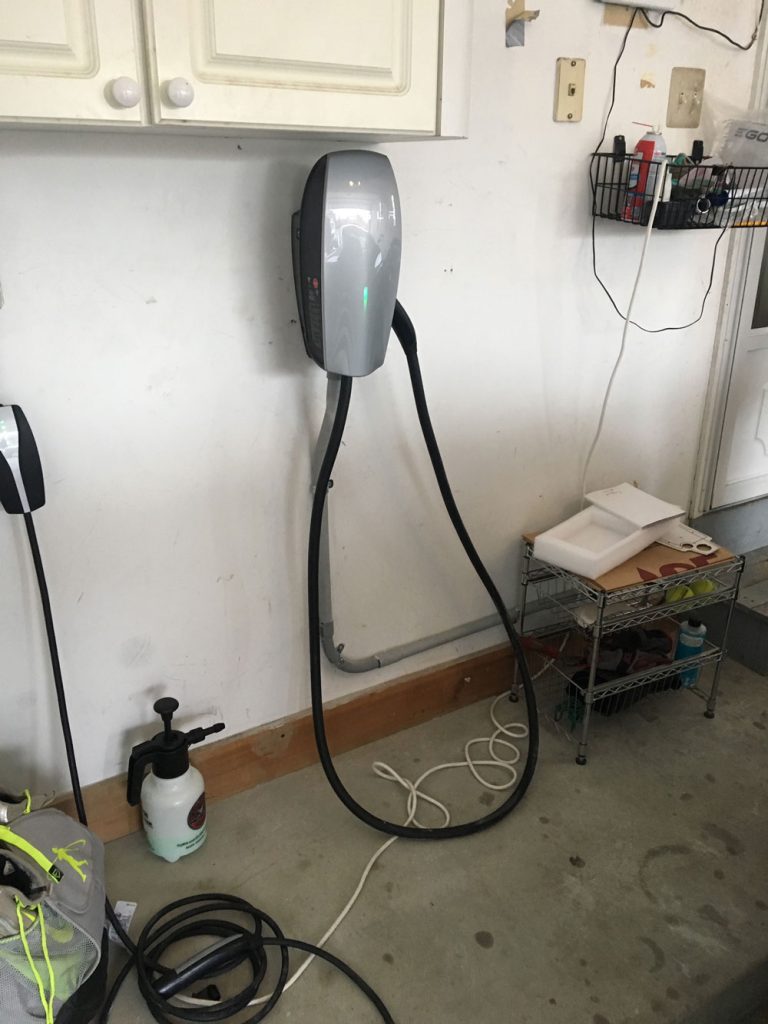
A Home charging station gives a vehicle a consistent, purpose-built place to charge rather than tying up a general-use outlet. Placement matters because the connector should reach the vehicle’s charge port comfortably while allowing the cable to be stored safely when not in use. Homeowners can also consider weather exposure, garage-door clearance, the number of vehicles, and whether a future EV may use the same parking area.
Hardwired stations and plug-in chargers each have practical considerations. A hardwired unit is connected directly to its dedicated circuit, while a plug-in unit uses a correctly installed receptacle and compatible circuit. Equipment instructions, the intended load, and the proposed location should all be considered before deciding which route is appropriate.
Choosing between Level 1, Level 2, and a charging outlet
Most homeowners comparing charging options are deciding how quickly they need to replenish the battery and what their electrical system can support. Level 1 charging generally uses a standard 120-volt outlet and can be a reasonable temporary or low-mileage option. Level 2 charging generally uses 240 volts and is commonly selected by households seeking a more capable daily charging routine.
When Level 2 is a practical fit
Level 2 EV charger installation can be a sensible option for drivers who want more charging capability at home than a typical wall outlet provides. It is especially relevant when a vehicle needs to recover a meaningful amount of range overnight, when more than one household driver may use the EV, or when the vehicle is driven frequently. The actual charging rate depends on the vehicle, charger, circuit, and electrical configuration, so it should not be assumed from the charger’s label alone.
Level 2 equipment is not a one-size-fits-all purchase. Some vehicles accept less power than a station can provide, while others may make use of a higher-capacity setup if the home electrical system and installation plan support it. A thoughtful review helps avoid paying for capacity that the vehicle cannot use or selecting too little for the household’s routine.
Understanding a 240-volt circuit
240V EV charger installation involves providing a dedicated 240-volt circuit for compatible charging equipment or a receptacle arrangement. Circuit sizing, conductor selection, overcurrent protection, panel capacity, and the length of the wiring route are interconnected electrical considerations. These details are why an on-site assessment and professional installation are preferable to treating an EV charger like an ordinary appliance plug.
Some homes have adequate panel capacity for a new circuit, while others may need additional planning before adding substantial electrical load. Older electrical equipment, a full panel, detached garages, long runs to a parking space, and existing high-demand appliances can all influence the scope. A clear proposal should explain the electrical work needed for the selected charging approach rather than promising a universal installation method.
Equipment choices and property-specific planning
The best home charging setup is the one that works safely and conveniently with the vehicle you own, the place you park, and the electrical system you have. Before scheduling work, gather the charger model or vehicle charging requirements if available, note where the vehicle will park, and consider whether your needs could change. This preparation makes the conversation with an electrical professional more efficient and can reveal issues before installation day.
- Identify the vehicle or charger connection type and the desired charging routine.
- Choose the most useful mounting or outlet location near the normal parking position.
- Review panel capacity and the route for a dedicated circuit.
- Confirm the selected equipment’s electrical requirements and installation instructions.
- Arrange for installation, testing, and any applicable inspection process.
Planning for Tesla vehicles and connectors
Tesla charger installation should account for the specific Tesla charging equipment, connector arrangement, electrical requirements, and the vehicle’s normal parking orientation. A Tesla Wall Connector may be hardwired, while other charging arrangements can involve an appropriate outlet and mobile connector. The important point is to plan the dedicated circuit and equipment location around the manufacturer’s requirements, not simply the nearest available wall space.
Connector compatibility can also affect a household with more than one EV brand. Adapters and equipment capabilities vary, so homeowners should identify who will use the charger before selecting a permanent setup. Thinking ahead can make a charging location more adaptable if the household changes vehicles later.
An outlet can be the right solution for compatible equipment
EV charging outlet installation may be appropriate when a homeowner plans to use compatible plug-in charging equipment rather than a permanently hardwired station. The outlet, circuit, plug type, and charger must be matched correctly, and the receptacle should be installed for the expected EV charging use. This option can provide equipment flexibility, but it still requires careful electrical planning and should not rely on an existing general-purpose outlet.
A dedicated outlet can be useful for homeowners who expect to take their charging equipment with them or who prefer a plug-in charger. A hardwired station can reduce reliance on a plug-and-receptacle connection and may offer a cleaner fixed solution in some locations. Executive Electric can help you discuss the electrical installation approach that aligns with your chosen equipment and property layout.
What to look for before scheduling electrical work
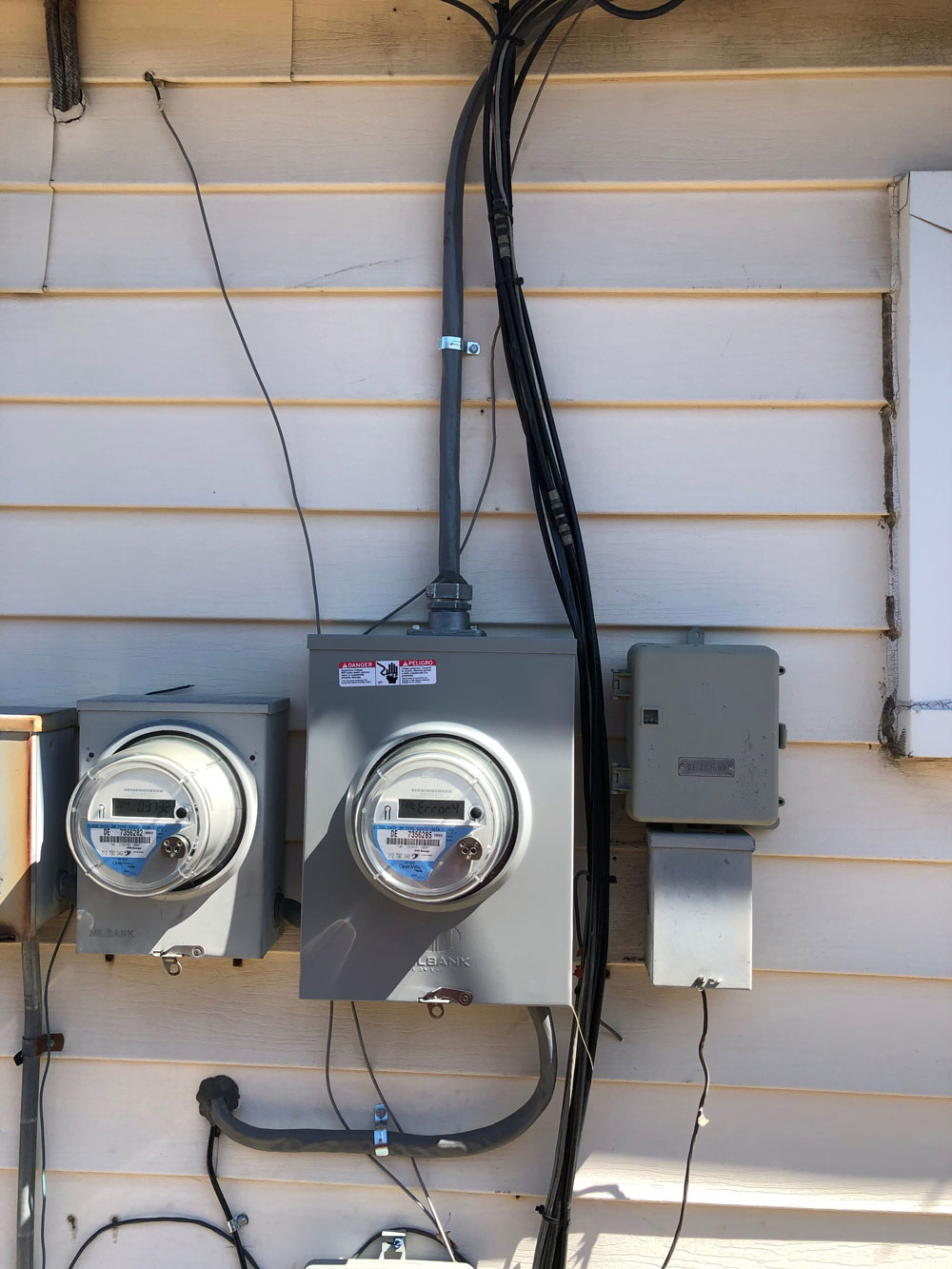
A useful installation conversation should focus on the actual home, vehicle, and equipment rather than a generic charger package. Share photos or details of the panel and parking area when requested, identify other significant electrical loads, and explain whether the charger will be indoors or outdoors. These details help clarify the likely path to a functional residential charging solution in Michigan.
- Whether the electrical panel has room and capacity for the proposed dedicated circuit
- The distance and route between the panel and the vehicle parking location
- Whether the selected charger is hardwired or designed for a specific receptacle
- How the cable will reach the vehicle and be stored between charging sessions
- Applicable permit and inspection requirements for the property and installation
Homeowners in Clinton Township and nearby Michigan communities benefit from starting with accurate information instead of assuming every charger installation has the same scope. A short, straightforward discussion about your equipment and property can help you understand the next steps, decide whether a Level 2 circuit is worthwhile, and plan for an installation that supports your driving routine. For a dedicated electrical charging solution, Home EV charger installation should be tailored to the home rather than forced into a standard template.
Frequently asked questions about home EV charging
Do I need a Level 2 charger at home?
Not always. A Level 2 charger is useful when you want faster overnight charging, drive frequently, or need to replenish more battery capacity between trips. A standard 120-volt outlet may work for lower daily mileage, but it typically provides a slower charging rate.
What happens before a home EV charger is installed?
Before installation, the electrical panel, available capacity, parking location, wiring route, and charger requirements should be reviewed. The goal is to determine whether a dedicated circuit can be installed as planned and whether the selected equipment, outlet, or hardwired station is appropriate for the property.
Can I use an existing dryer or general-purpose outlet for EV charging?
It is not wise to assume an existing outlet is suitable for ongoing EV charging. EV charging can place a sustained load on a circuit, and the outlet type, circuit rating, wiring condition, and other loads all matter. A dedicated circuit designed for the selected charging equipment is the more appropriate approach.
Where is Executive Electric located for Clinton Township customers?
Executive Electric is located at 20504 Hall Rd, Clinton Township, MI 48038. Contact the company to discuss your home’s charging plans, your vehicle or charger equipment, and the electrical work that may be needed for a reliable home charging setup.
Discuss your home charging plan with Executive Electric
Whether you are preparing for your first EV, replacing a slow charging routine, or choosing between a hardwired station and a dedicated outlet, the next step is to review your specific property and equipment. Executive Electric is located at 20504 Hall Rd, Clinton Township, MI 48038, and can be contacted to discuss Home EV charger installation Clinton Township, MI. Contact Executive Electric to start the conversation about a charging solution that fits your home, vehicle, and daily schedule.