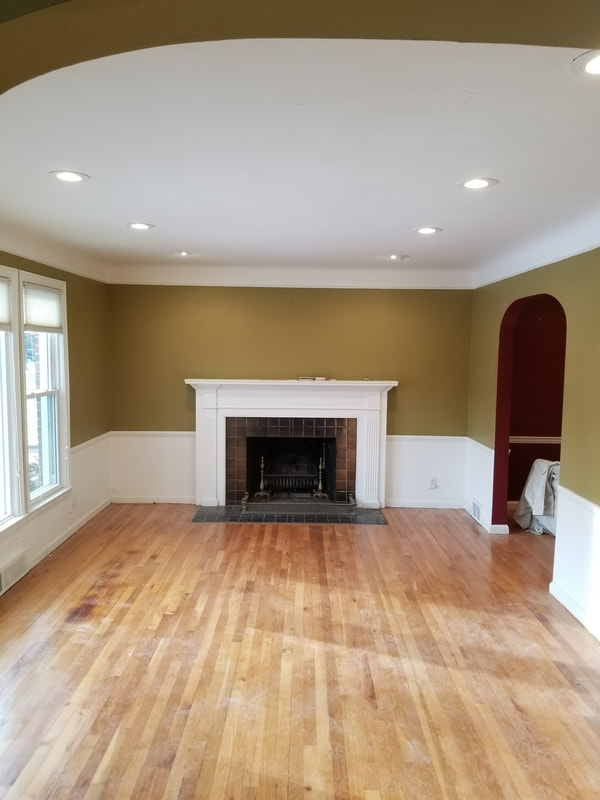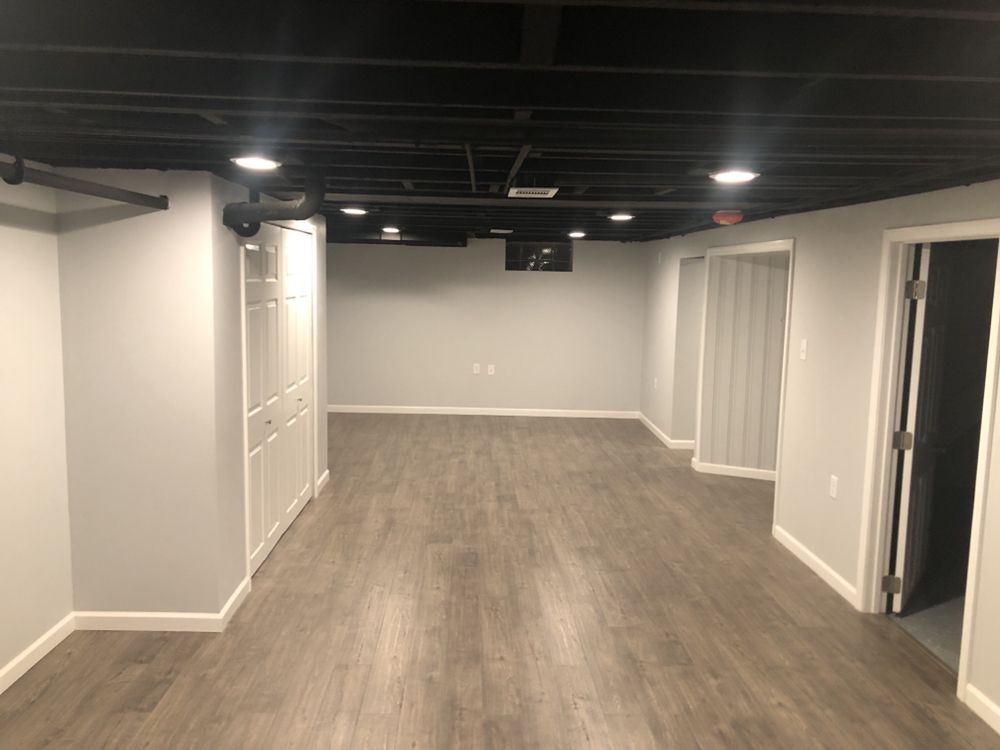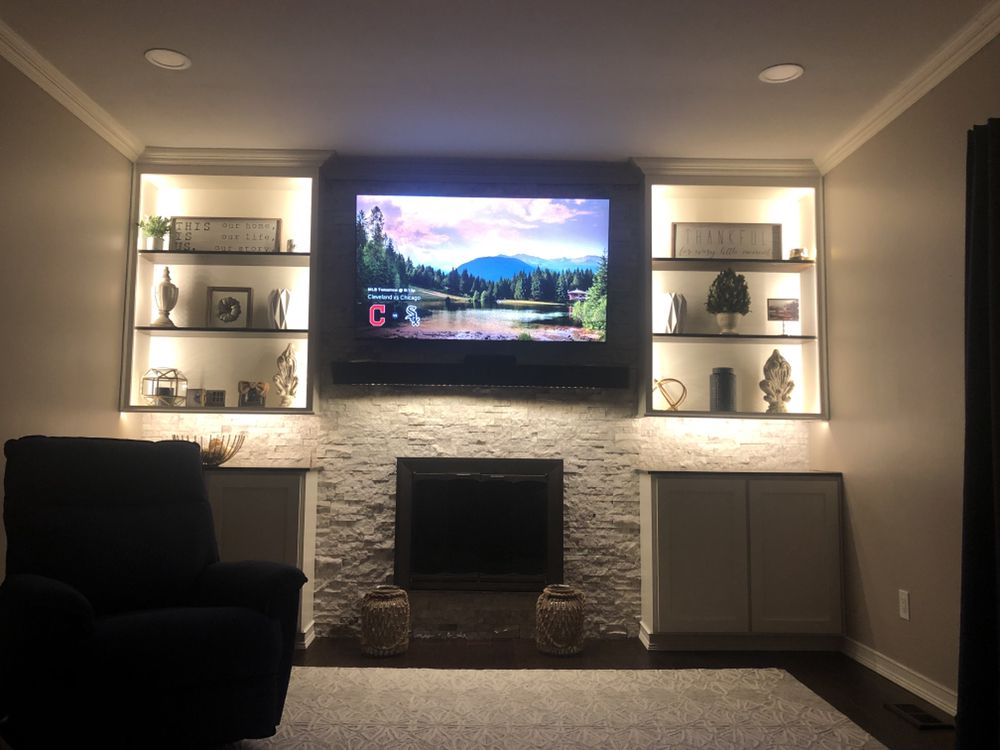
Recessed Lighting Chesterfield, MI
Thoughtful recessed lighting can make a Chesterfield, MI room feel brighter, more open, and easier to use without adding visual clutter at eye level. These ceiling-mounted fixtures are a practical option when a single central light leaves countertops, seating areas, hallways, or work surfaces unevenly lit. The right layout is not simply a matter of adding more lights. It requires considering the room’s purpose, ceiling construction, existing wiring, light direction, and the type of illumination the space needs.
Executive Electric is located at 20504 Hall Rd, Clinton Township, MI 48038. Homeowners exploring lighting improvements in Chesterfield and nearby Michigan communities can contact Executive Electric to discuss a recessed lighting project, the existing conditions in the home, and the next appropriate steps. A clear conversation before work begins helps turn a broad idea such as “make this room brighter” into a more useful lighting plan.
What recessed fixtures can change in a home
Recessed lights, also called can lights, downlights, or pot lights, sit within the ceiling so the trim is relatively flush with the finished surface. Their low-profile appearance makes them well suited to rooms where a hanging fixture would feel bulky or interfere with sightlines. A well-planned installation can provide general illumination, support task lighting, or call attention to a particular feature.
For many homes, the appeal is both visual and practical. Instead of relying on one fixture to light an entire room, multiple ceiling lights can distribute light more evenly. That can reduce the darker corners and harsh contrasts that often make kitchens, bathrooms, and family rooms feel less functional after sunset.
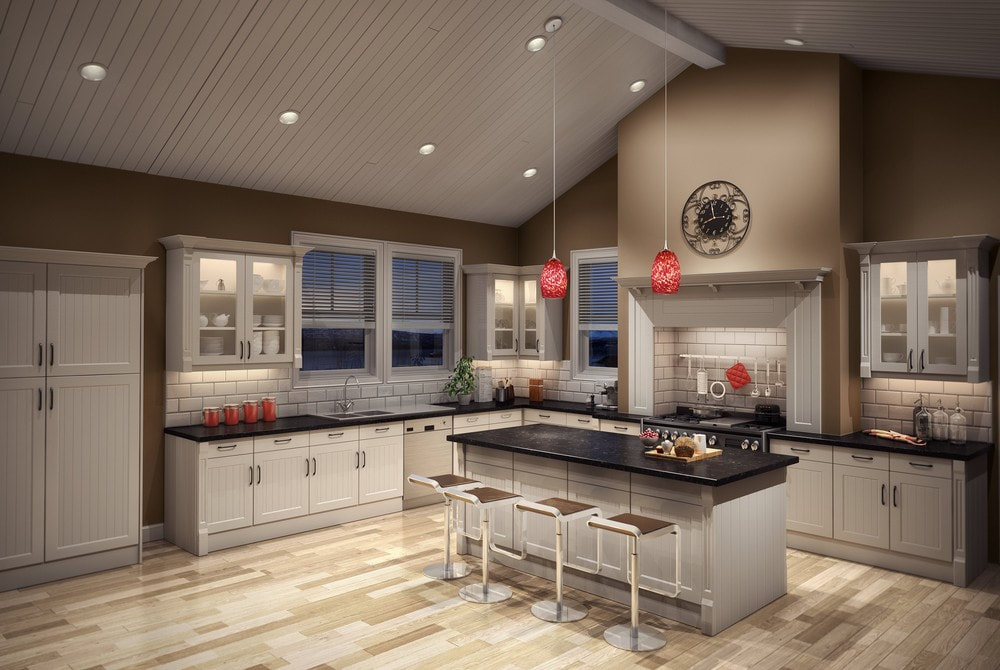
- Kitchens: Downlights can supplement lighting over aisles, counters, sinks, and food-preparation zones.
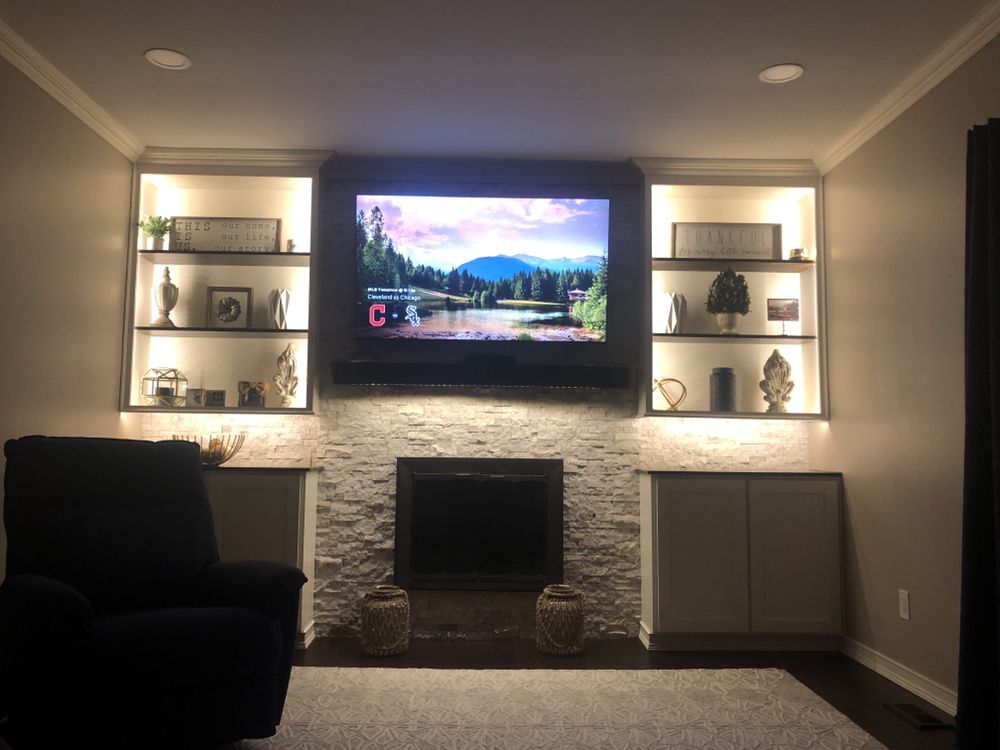
- Living rooms and family rooms: Recessed fixtures can provide a clean base layer of light while lamps supply softer accent lighting.
- Bathrooms: Ceiling lighting can brighten the room generally, although mirror lighting remains important for faces and grooming tasks.
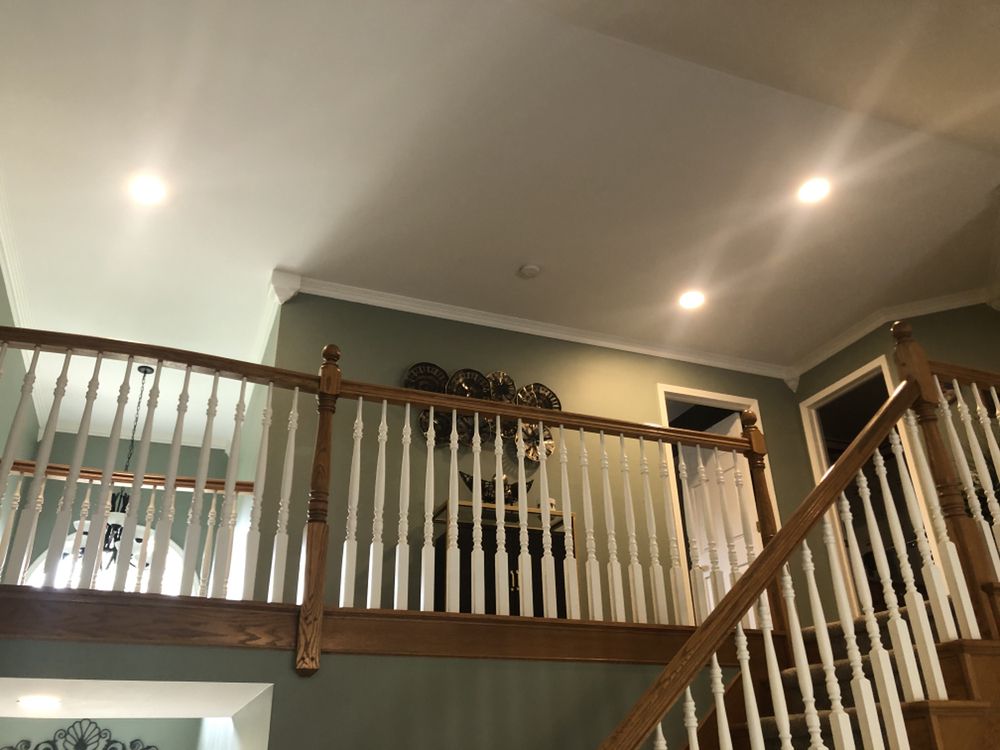
- Hallways and entries: Compact ceiling fixtures can help make transitional areas feel safer and more welcoming.
- Basements and lower ceilings: A flush installation preserves headroom that a pendant or surface-mounted fixture may use.
Recessed lighting is not always the only answer. Decorative chandeliers, pendants, wall sconces, track lighting, under-cabinet lights, and portable lamps each play a different role. The strongest plans frequently combine them, using recessed ceiling lighting as the broad, dependable layer rather than asking it to handle every task and visual effect alone.
Start with the room, not the fixture count
The best recessed lighting layout begins with how a room is used and what must be illuminated. Fixture count alone does not determine whether a room will feel comfortable. Ceiling height, wall colors, furniture placement, cabinetry, window light, beam spread, lumen output, and dimming all affect the final result.
General, task, and accent light solve different problems
General lighting provides overall visibility for moving through and using a room. Task lighting concentrates useful light where detailed work happens, such as a countertop, desk, or vanity. Accent lighting draws attention to artwork, textured walls, architectural details, or a focal area. Recessed fixtures can support all three, but the placement and trim selection should match the intended role.
In a kitchen, for example, a grid of downlights may provide ambient light while dedicated under-cabinet fixtures reduce shadows on the work surface. In a sitting room, wider, softer light may be more desirable than a bright spotlight effect. Treating every recessed fixture as identical can lead to glare, uneven brightness, or light aimed where it is not useful.
Placement should respect edges, obstacles, and sightlines
Spacing is a design decision, not a universal rule that applies to every house. Fixtures placed too far apart can leave visible pools of light and dark gaps. Fixtures placed too close together can create excessive brightness, overlapping beams, and more ceiling penetrations than the room needs. A professional assessment can account for joists, ducts, insulation, plumbing, attic access, and other conditions that are hidden above the ceiling.
Furniture and fixed features deserve attention as well. A seating area, television wall, island, fireplace, pantry, or tall cabinet may affect where light is most useful and where direct beams could be distracting. Planning from the finished room backward is usually more productive than laying out lights from the ceiling alone.
Color temperature and dimming shape the experience
LED recessed lighting gives homeowners choices beyond simple on-and-off operation. Color temperature influences whether light appears warmer or cooler, while compatible dimming can change a room from a bright work setting to a calmer evening setting. The preferred appearance is personal, but it should be coordinated with nearby fixtures so adjoining rooms do not feel mismatched.
Dimming can be especially valuable in multipurpose spaces. A kitchen may need brighter light while preparing meals but less intensity when the room is used for conversation. A bathroom may benefit from full illumination in the morning and a lower setting late at night. Compatibility among the fixture, LED source or integrated unit, and dimmer matters, which is one reason specifications should be considered before installation.
What to expect when planning recessed lighting
A recessed lighting project generally starts with an evaluation of the space and a discussion of goals. Before a layout is finalized, it is useful to identify which existing lights will remain, which areas currently feel dim, and whether the project involves a remodel, a finished room, or new construction. The condition of the ceiling and access above it can affect the approach.
- Define the lighting goal. Identify whether the priority is more even ambient light, better illumination for a task, a cleaner ceiling appearance, adjustable mood lighting, or a combination of these outcomes.
- Review the room and electrical conditions. Ceiling framing, insulation, switches, circuits, existing fixtures, and physical obstructions can influence placement and installation planning.
- Choose fixture characteristics. Decisions may include trim style, beam distribution, light color, dimming needs, wet-location suitability where relevant, and whether adjustable directional fixtures are useful.
- Confirm the layout and controls. Grouping lights on separate switches or dimmers can give a room more flexibility than one control for every fixture.
- Complete installation and test operation. After installation, controls and fixtures should be checked so the homeowner understands how the new lighting is organized and operated.
Installation in a finished ceiling may involve carefully placed openings for fixtures and wiring access. The exact work needed depends on the home and the planned design. Homeowners should be prepared to discuss ceiling finishes, attic or floor access above, and whether any related work such as switch changes is part of the desired result. Direct, project-specific answers from the provider are more helpful than assumptions about what is behind the drywall.
Choosing fixtures and controls with long-term use in mind
Modern recessed fixtures offer a wide range of looks and functions, so selecting the lowest-profile option is not the only consideration. The fixture should suit the ceiling environment, intended light output, and desired maintenance experience. Integrated LED units and replaceable LED lamp fixtures are two common approaches, each with practical tradeoffs.
Integrated LEDs and replaceable lamps are different choices
Integrated LED recessed units combine the light source and fixture into one assembly. They can offer a slim profile and a clean, consistent look. Fixtures designed for replaceable LED lamps can make lamp replacement a separate task, but the available appearance and performance depend on the lamp selected. Neither choice is automatically right for every room, so the decision should consider desired aesthetics, future maintenance preferences, and control compatibility.
Trim and rating considerations matter in specific rooms
Trim is the visible portion of a recessed fixture and affects both appearance and how light is directed. Some trims create broad light, some reduce glare, and adjustable styles can direct light toward a wall or feature. Bathrooms, shower-adjacent areas, insulated ceilings, and other specialized conditions may require particular product characteristics. Discussing the location of each fixture helps ensure the selected equipment fits the environment.
For homeowners comparing options, a useful conversation with an electrical provider includes the planned purpose of each light, how controls will work, whether the ceiling has access from above, and how the new installation will relate to existing decorative fixtures. Recessed lighting solutions from Executive Electric can be a useful starting point for Chesterfield-area homeowners who want to move from a general idea to a project discussion grounded in their own space.
Why a professional electrical discussion is worthwhile
Cutting openings in a ceiling is only one part of a recessed lighting project. Wiring, switching, circuit considerations, fixture suitability, and concealed building conditions all influence the work. A professional conversation is appropriate when a homeowner wants to add new ceiling lights, replace older recessed fixtures, introduce dimming, address flickering or unreliable lighting, or coordinate electrical work with a renovation.
Executive Electric offers a clear point of contact from its Clinton Township, Michigan location at 20504 Hall Rd, Clinton Township, MI 48038. Rather than relying on a generic online layout, Chesterfield, MI homeowners can share room details and desired outcomes directly. This gives the project discussion a practical foundation and helps identify considerations that may not be visible in photos or a quick description.
A good planning conversation also helps set realistic priorities. A homeowner may decide to phase a larger project, retain a favorite decorative fixture, add dimming only in key rooms, or use a combination of ceiling and task lighting. Those are not compromises in quality. They are design choices that can make the finished lighting better aligned with daily use.
Questions Chesterfield homeowners often have
Are recessed lights a good choice for a room with a low ceiling?
Recessed fixtures are often a practical choice for lower ceilings because they do not hang into the room like pendants or chandeliers. Fixture depth, ceiling construction, beam spread, and brightness should still be considered so the room receives useful light without glare or an overly crowded layout.
How many recessed lights does a room need?
The number depends on room size, ceiling height, natural light, wall and floor finishes, fixture output, beam angle, and the activities performed there. A kitchen, for example, may need separate attention for open floor space and counter work areas. A room-specific layout is more reliable than using a one-size-fits-all fixture count.
Can recessed lighting be added to an existing finished ceiling?
Yes, it can often be added to an existing ceiling, but the installation approach depends on access above the ceiling, framing, insulation, wiring routes, and other concealed conditions. An assessment helps determine feasible placement and the work needed for switches, wiring, and fixtures.
Do recessed fixtures replace lamps and other lighting?
Not necessarily. Recessed lights are excellent for broad, low-profile illumination, while lamps, sconces, pendants, and under-cabinet lights can add task light, character, and visual comfort. Combining lighting types usually gives a room more flexibility than depending on one fixture style alone.
Discuss your Chesterfield lighting project with Executive Electric
If you are considering new downlights, a lighting update during a remodel, or better control over how a room feels at different times of day, start with the details that matter: the room, the current lighting, the desired use, and any concerns about switches or ceiling access. Executive Electric can be contacted from its location at 20504 Hall Rd, Clinton Township, MI 48038 to discuss recessed lighting for your Chesterfield project.
Bring your goals, room details, and questions to the conversation. Contact Executive Electric to take the next step toward a lighting plan that supports how your Michigan home is used every day.