Home Generator Installation Chesterfield, MI
When an outage interrupts lighting, refrigeration, heating equipment, sump pumps, internet access, or essential medical devices, a properly planned generator can help a household stay functional. Executive Electric provides Home Generator Installation Chesterfield, MI homeowners can consider when they want an automatic, code-conscious approach to backup power. Executive Electric is located at 20504 Hall Rd, Clinton Township, MI 48038, and serves customers seeking clear information about residential backup power in Chesterfield and surrounding Michigan communities.
A home generator is not simply a portable unit connected after the lights go out. A permanently installed system is designed around the home’s electrical panel, selected circuits or whole-home load, fuel source, transfer equipment, and safe operating requirements. The right plan begins with understanding what your household truly needs to keep running during an interruption.
Plan backup power around the way your household uses electricity
The most useful generator design is based on priorities, not just generator size. Some Chesterfield, MI households want to cover a few essential circuits, while others want automatic power for most or all of the home. Executive Electric can help start the conversation by identifying the loads, equipment, and expectations that should shape the installation plan.
Essential-load coverage versus whole-home coverage
Essential-load systems typically focus on necessities such as refrigeration, selected lights, a furnace or boiler, a sump pump, security equipment, and a few outlets. Whole-home approaches are intended to support a broader range of appliances and systems, but they require careful load calculation and may involve a larger generator. Neither option is automatically better. The practical choice depends on household routines, electrical demand, fuel availability, budget, and what level of interruption feels manageable.
Whole house generator installation is a strong consideration for owners who want a more seamless response when utility power fails. It usually involves evaluating major loads such as HVAC equipment, kitchen appliances, pumps, and other high-demand devices rather than assuming every item can operate at once. A thoughtful assessment helps establish realistic expectations about capacity and generator operation.
For many homes, Standby generator installation offers the convenience of a permanently connected system that can respond automatically when utility power is lost. The generator works with a transfer switch, which separates the home from the utility supply before backup power is delivered. This automatic transition distinguishes a standby system from manually setting up a portable generator during an outage.
How a permanent generator system operates
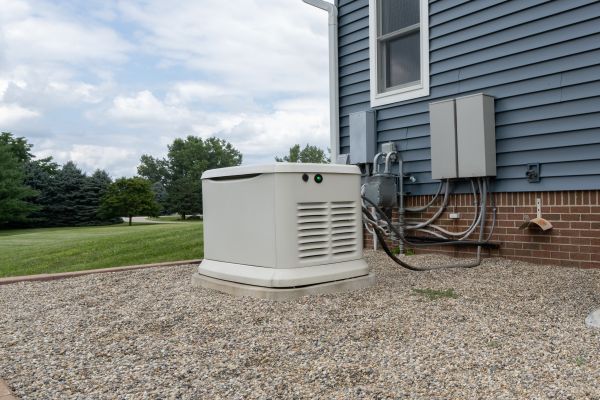
A Home standby generator is installed outdoors and connected to approved electrical and fuel components as part of a coordinated system. When the utility supply goes down, automatic controls detect the interruption, start the unit, and direct power through the transfer equipment. When regular service returns, the system transfers the home back to utility power and the generator shuts down after its programmed cycle.
This design can reduce the need to handle cords, refuel a portable unit, or make electrical connections in difficult weather. It does not eliminate the need for planning, however. Generator capacity, the transfer switch arrangement, placement, ventilation clearances, and fuel supply all need to be considered before installation begins.
What to expect from Home Generator Installation
A well-considered installation follows a sequence: assess the home, define the loads to be backed up, select compatible equipment, coordinate required approvals, install the electrical and fuel-related components, then test the system. The details vary by property and local requirements, which is why an on-site discussion is important. Home Generator Installation in Chesterfield, MI should be treated as an electrical system project rather than a simple appliance purchase.
- Discuss outage priorities. Identify the circuits, appliances, and systems that matter most during a power loss.
- Review electrical demand. Consider starting loads, running loads, panel capacity, and whether the goal is selected circuits or broader coverage.
- Evaluate location and fuel. The generator needs an appropriate outdoor location, suitable clearances, and a dependable fuel plan.
- Install transfer and connection equipment. Proper transfer equipment protects against unsafe backfeeding and manages the change between utility and generator power.
- Test and understand operation. After installation, homeowners should know the system’s normal exercise cycle, status indicators, and maintenance needs.
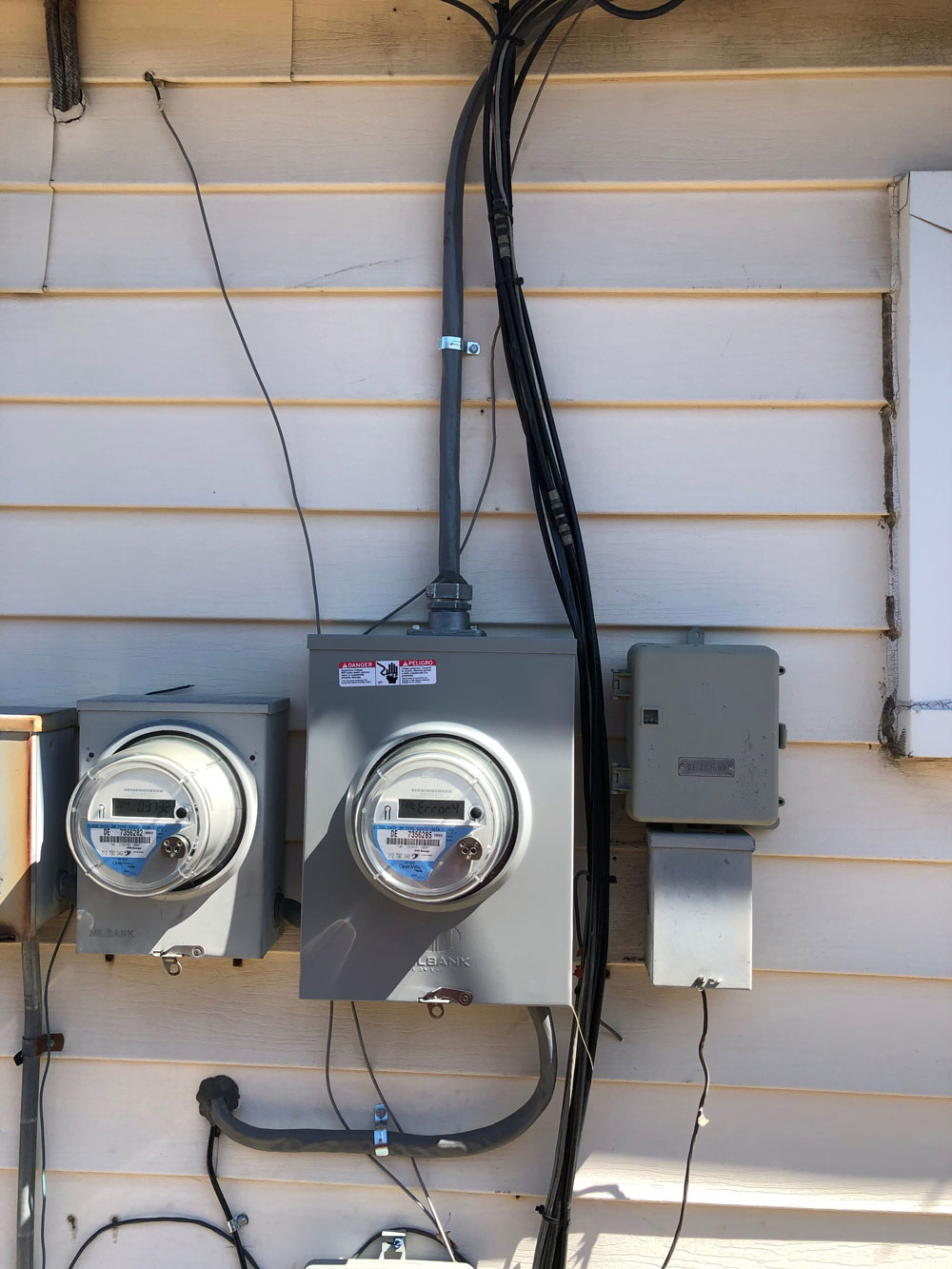
Backup generator installation should include attention to the transfer switch because that component is central to safety and functionality. A transfer switch prevents generator power from feeding back onto utility lines, a dangerous condition for utility workers and the electrical system. It also determines how the generator supplies selected circuits or the main electrical service, depending on the system design.
Fuel and placement deserve early attention
Natural gas generator installation may appeal to homeowners who prefer a generator connected to a continuous fuel source rather than relying on gasoline storage. The available gas service and the generator’s fuel demand should be evaluated so the system is designed appropriately. In some situations, another approved fuel arrangement may be considered, but the best choice depends on the property and equipment requirements.
Placement affects more than appearance. The unit requires an outdoor location that allows safe exhaust dispersion, service access, and adherence to manufacturer instructions and applicable requirements. Homeowners should avoid selecting a location based only on convenience, since electrical routing, fuel routing, noise considerations, drainage, and clearances can all affect the final plan.
Choose a backup strategy that fits the outage risk you want to manage
Home electrical backup solutions can range from a small essential-circuit plan to a permanent automatic system supporting extensive household use. Portable generators may be a reasonable alternative for limited, temporary needs, but they require manual setup, safe outdoor operation, fuel management, and proper connection practices. A permanently installed generator is often the better fit when automatic response, broader coverage, and reduced hands-on setup are priorities.
Power outage backup solutions are especially relevant for households where a loss of electricity creates more than inconvenience. Families may want to protect refrigerated food, preserve access to water or sump pumping, maintain communications, support home work needs, or reduce disruption to temperature-sensitive equipment. The value of a system comes from matching coverage to the consequences of an outage, not from buying more capacity than the household can use effectively.
- Support selected essential equipment during a utility interruption.
- Reduce the disruption caused by spoiled food, limited lighting, or loss of internet access.
- Provide automatic transition when a standby system and transfer equipment are properly configured.
- Avoid running extension cords through doors or relying on improvised electrical connections.
- Create a clearer household plan for short or extended power losses.
It is also important to recognize the limits of any backup system. Generator output is finite, and high-demand equipment may need to be managed depending on the selected capacity and load plan. Routine maintenance, periodic exercising, and attention to warning indicators help keep the equipment prepared, while the homeowner’s operating materials explain the specific requirements of the installed unit.
Questions to consider before selecting a provider
The right provider discussion should be specific to your property and priorities. Ask how the electrical load will be evaluated, whether the plan covers essential circuits or a wider portion of the home, what transfer equipment is proposed, and how fuel and generator placement will be addressed. You can also ask what approvals or inspections may apply, what maintenance the manufacturer recommends, and how the system will be tested after installation.
Residential generator services should help homeowners make an informed decision before equipment is installed. Useful guidance explains the difference between convenience loads and critical loads, clarifies what the proposed generator can reasonably support, and identifies property-specific considerations early. Executive Electric can be a practical contact point for Chesterfield, MI residents who want to discuss these electrical backup planning questions with a local electrical company based in Clinton Township, Michigan.
Why professional electrical planning matters
A generator project connects to the home’s electrical infrastructure, so professional planning is important for both safe operation and dependable performance. Improper connections can create backfeed hazards, overload equipment, or leave critical circuits outside the backup plan. A clear scope also helps homeowners compare options on meaningful factors, including automatic operation, load coverage, transfer equipment, fuel approach, placement, and future household needs.
Executive Electric does not need to promise one-size-fits-all coverage for every property to be a relevant choice. The productive next step is a conversation about your home, the equipment you want protected, and the type of outage response you expect. That information creates a better foundation for evaluating a residential standby generator or another suitable backup approach.
Common questions about generator installation
What happens during a power outage with a standby generator?
A standby generator detects the utility outage, starts automatically, and sends power through a transfer switch to the circuits or home areas included in the design. The transfer switch isolates the home from utility lines. When utility power returns, the system transfers back and the generator completes its shutdown cycle.
Can a generator power my entire Chesterfield home?
It may be possible, but it depends on the home’s electrical demand, the generator’s rated capacity, starting loads, selected equipment, and transfer-switch configuration. A load assessment is the appropriate way to determine whether whole-home coverage is practical or whether essential-circuit coverage better fits the property.
Do I need natural gas for a permanently installed generator?
No single fuel choice fits every home. Natural gas can provide a continuous connection where available and suitable, while other approved fuel options may be considered based on the property and equipment. Fuel supply should be reviewed early because it affects generator selection, installation planning, and expected operation.
Where is Executive Electric located for customers seeking service in Chesterfield, MI?
Executive Electric is located at 20504 Hall Rd, Clinton Township, MI 48038. Chesterfield homeowners can contact the company to discuss Home Generator Installation needs, including electrical load priorities, transfer equipment, generator placement, and backup-power goals in Michigan.
Talk with Executive Electric about your backup power plan
Whether you want to protect a short list of essential circuits or explore broader automatic coverage, start with the loads and daily functions that matter most to your household. Executive Electric, located at 20504 Hall Rd, Clinton Township, MI 48038, can help you begin an informed conversation about generator installation and electrical backup planning for your Chesterfield home.
Ready to prepare for the next outage? Contact Executive Electric to discuss Home Generator Installation, your backup priorities, and the next steps for your Michigan property.