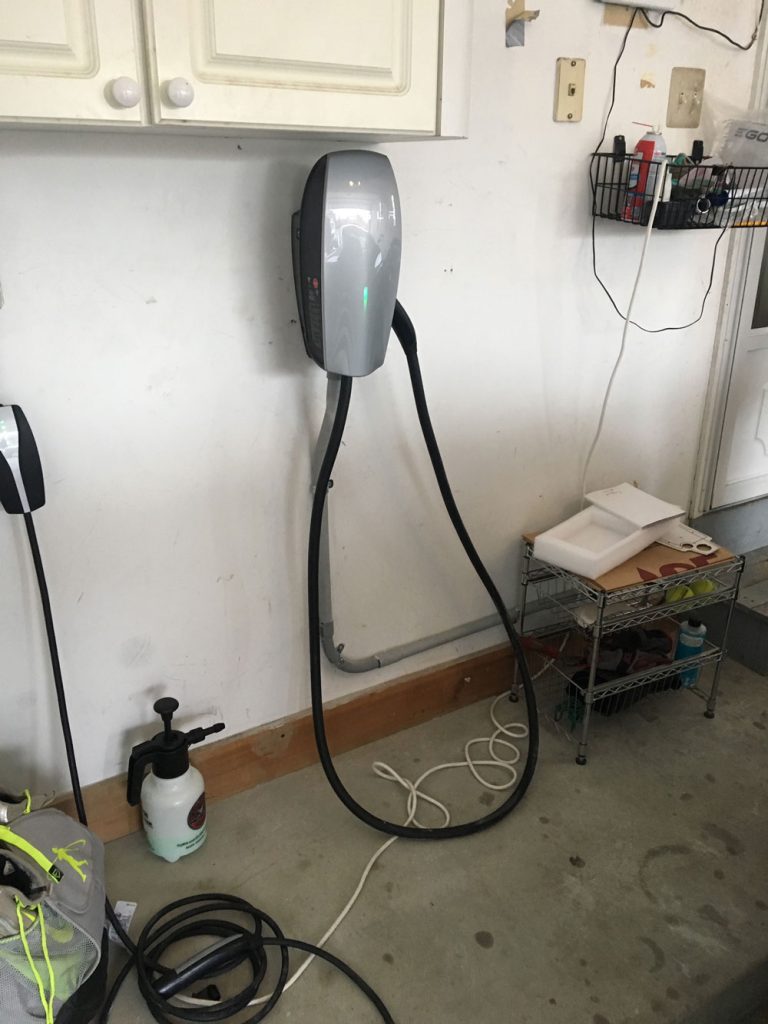
Home EV charger installation Chesterfield, MI
Reliable charging at home begins with an electrical setup that fits the vehicle, the home, and the way you drive. For homeowners researching Home EV charger installation Chesterfield, MI, Executive Electric offers a direct place to start the conversation about a dedicated charging circuit, charger location, and the electrical work the project may require. Executive Electric is located at 20504 Hall Rd, Clinton Township, MI 48038, and can discuss the details that matter before a homeowner commits to equipment or a plan.
A properly planned residential charging setup can make daily EV ownership simpler. Instead of relying primarily on public stations or a standard household receptacle, homeowners can return home, plug in, and charge during the time the vehicle is parked. The right solution is not identical for every property, because driving habits, panel capacity, garage layout, charger type, and future vehicle plans can all affect the installation.
What a home charger project should accomplish
Home EV charging installation is electrical work designed to provide a safe, convenient connection for charging an electric vehicle at a residence. In many cases, the goal is to create a dedicated circuit for EV charging and place the equipment where the charging cable can reach the vehicle without becoming an everyday obstacle. A thoughtful installation considers both current needs and whether the household may add another EV later.
For many drivers, the primary benefit is predictability. Charging can happen at home while the car is parked, which may reduce the need to schedule stops around a public charging location. It also gives homeowners more control over charger placement, cable management, and the relationship between the charger, parking position, and electrical panel.
- Convenient overnight or at-home charging for regular driving routines
- A dedicated electrical path rather than an improvised extension-cord arrangement
- Charging equipment positioned for the garage, driveway, or other practical parking area
- Planning that accounts for circuit load, panel space, and potential future needs
Start with your vehicle, parking routine, and electrical service
The best charging approach begins with a clear picture of where the vehicle parks and how far it typically drives between charging sessions. A homeowner who drives modest daily distances may have different needs than a household with a long commute, variable schedules, or two electric vehicles. The vehicle’s charging capability and the charging equipment’s rating also shape the electrical requirements.
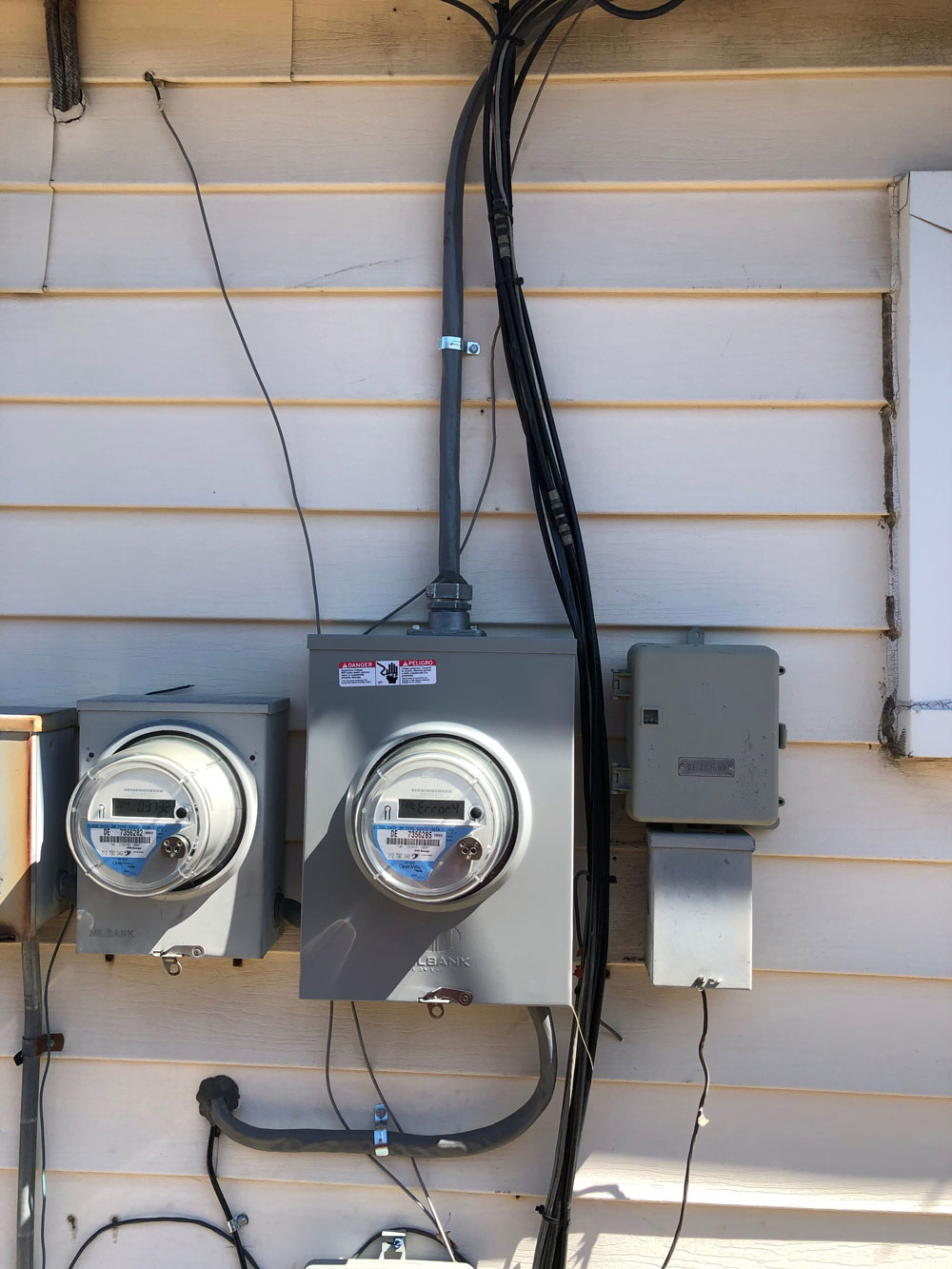
Before selecting equipment, it helps to gather the vehicle model, the charger or connector being considered, photos or details about the panel location, and the preferred parking space. These details help frame whether a straightforward dedicated circuit may be appropriate or whether the electrical service and panel deserve closer evaluation. A professional discussion is especially valuable when the panel is full, the parking area is distant from the panel, or the household already has significant electrical loads.
Choosing the right charging format for your home
Not every EV owner needs the same charging speed, equipment style, or connection method. The decision usually comes down to available electrical capacity, how much energy the vehicle needs between trips, installation conditions, and whether the homeowner prefers a plug-in or hardwired charger. Comparing options before work begins can prevent buying equipment that does not match the home or the driver’s expectations.
Residential charging designed around everyday use
Residential EV charger installation is more than mounting a device on a wall. It involves considering the dedicated circuit, overcurrent protection, wiring route, equipment instructions, and the location where the vehicle actually parks. For a Michigan household, this planning can help create a setup that is practical to use every day rather than merely possible to install.
A Home charging station may be a wall-mounted unit, a pedestal-style arrangement where appropriate, or another equipment configuration suited to the property and parking area. The useful choice is one that keeps the cable manageable and allows the connector to reach the vehicle without strain. Homeowners should also consider whether the unit offers features they value, such as scheduling, status information, or access controls, while remembering that added features do not replace correct electrical installation.
Level 1, Level 2, and dedicated 240-volt circuits
A standard 120-volt outlet can provide Level 1 charging for some vehicles, but it generally adds range more slowly than a higher-capacity home setup. Level 2 EV charger installation commonly uses 240-volt power and is often selected by drivers who want more charging capability during the hours their vehicle is parked at home. The charger, circuit rating, vehicle limits, and property conditions must be considered together, rather than assuming every Level 2 unit has the same requirements.
240V EV charger installation generally means establishing the appropriate 240-volt dedicated circuit for compatible EV charging equipment. The electrical panel must have adequate capacity and suitable space for the new circuit, and the wire size and protective device need to match the equipment and installation conditions. This is why an assessment is important before a homeowner purchases a charger based solely on its advertised charging rate.
Level 2 charging may be a strong fit for households that want to replenish more energy between daily trips, but it is not automatically the right answer for every driver. Level 1 can be a reasonable alternative when daily mileage is low and charging time is plentiful. A clear conversation about actual driving and parking habits helps keep the choice focused on useful capacity, not simply the largest number on a product label.
Tesla equipment, receptacles, and hardwired options
Tesla charger installation requires the same careful attention to the home’s electrical system as other EV charging projects, along with consideration of the selected Tesla charging equipment and connector arrangement. Homeowners may choose equipment intended for a dedicated permanent location or use an approved receptacle arrangement compatible with their charging equipment. The correct approach depends on the product instructions, the electrical design, and how the household expects to charge.
An EV charging outlet installation can be useful for homeowners whose compatible charging equipment is designed to plug into an appropriate receptacle. The outlet, circuit, enclosure or location conditions, and continuous charging load all matter, so a general-purpose outlet should not be assumed suitable. Some owners prefer a hardwired charging unit, while others value the flexibility of a compatible outlet; the better choice depends on the equipment and intended use.
What to expect from planning through charging
A home charger project is easiest to manage when the important choices are handled before installation day. Executive Electric can use the project discussion to identify the charger type, proposed location, panel considerations, and visible access conditions. If a project calls for additional electrical work, understanding that early helps a homeowner make an informed decision instead of discovering a limitation after purchasing equipment.
- Define the charging goal. Identify the vehicle, normal mileage, desired charging window, and whether another EV could be added later.
- Review the proposed location. Consider where the vehicle parks, where equipment could be mounted, cable reach, and the route from the electrical panel.
- Evaluate electrical considerations. Confirm that circuit and panel planning are appropriate for the charger and existing household loads.
- Select compatible equipment. Use charger specifications and manufacturer instructions to guide the connection type and electrical design.
- Complete installation and use the setup as intended. Follow equipment guidance for charging, cable handling, and any available scheduling features.
Installation time and project scope vary. A charger placed near an accessible panel may present different conditions than a project requiring a longer wiring route, an outdoor location, or changes to accommodate the electrical system. Homeowners should avoid treating a quoted charger amperage as a guarantee of charging performance, because the vehicle itself may limit the rate it accepts.
Details worth considering before you choose a provider
Choosing an electrician for an EV charger is about more than finding someone to connect a device. The provider should have enough project information to evaluate the equipment, circuit, panel, wiring path, and location conditions in context. It is reasonable to ask how the proposed installation will address the charger’s electrical requirements and what information is needed before work is planned.
- Will the charger be hardwired, or does the selected equipment call for a compatible receptacle?
- Is the preferred charger location practical for cable reach and daily parking?
- What should be reviewed at the electrical panel before equipment is purchased?
- Could the household’s current or future electrical demand affect the plan?
- What equipment specifications should be available for the installation discussion?
It is also wise to think beyond the first week of ownership. A charger location that works for one vehicle today may need to support a different parking position or a second EV in the future. Planning for reasonable flexibility can be worthwhile, but it should be based on the home’s actual electrical conditions and the homeowner’s likely needs, not assumptions.
Executive Electric’s Clinton Township address provides a clear point of contact for homeowners considering residential electrical charging work in the region. When contacting the company, sharing the vehicle model, charger information, panel details, and desired installation area can make the initial conversation more productive. This practical preparation supports a clearer discussion of options for a Chesterfield, MI property without assuming that every home needs the same solution.
Frequently asked questions about home EV charging
Do I need a Level 2 charger at home?
A Level 2 charger is not required for every EV owner. It is often useful when you want to add more range during the time the vehicle is parked at home. Drivers with low daily mileage and ample charging time may find Level 1 adequate, while higher-mileage households may prefer 240-volt charging.
Can an existing household outlet be used for EV charging?
Some vehicles can charge from a suitable standard outlet using manufacturer-provided equipment, but charging is slower and the outlet must be appropriate for the continuous load. A dedicated circuit or correctly installed compatible outlet may be the better choice depending on the equipment, electrical system, and expected charging routine.
What information should I provide when requesting Home EV charger installation in Chesterfield, MI?
Provide the EV make and model, the charger make and model if selected, the preferred parking and charger location, and any available information about the electrical panel. Photos and details about the distance between the panel and parking area can also help frame the project. Executive Electric can then discuss the electrical factors relevant to your home.
Should I buy the charger before speaking with an electrician?
You can research chargers first, but an electrical conversation before purchase can be helpful. Charger ratings, connection type, panel capacity, installation location, and vehicle limits should align. Reviewing those items early may help you select equipment that makes sense for the property and avoid choosing a unit with requirements the home cannot readily support.
Plan your Chesterfield home charging setup
A charging setup should support the way you actually use your EV, from daily mileage to where the vehicle is parked. Whether you are comparing a dedicated 240-volt circuit, a hardwired unit, or a compatible charging outlet, the next step is to discuss the property and equipment details with a qualified electrical provider. Clear planning can turn a new EV purchase into a more convenient part of everyday life.
To begin the conversation, contact Executive Electric and share your home charging goals. Executive Electric is located at 20504 Hall Rd, Clinton Township, MI 48038 and can discuss your Home EV charger installation needs for Chesterfield, MI and surrounding Michigan service considerations.