Generac generator installation Chesterfield, MI
Power interruptions can quickly affect comfort, food storage, sump pumps, internet access, and the ability to work from home. For property owners researching Generac generator installation in Chesterfield, MI, the most useful starting point is a plan that matches the home’s electrical needs, fuel source, and priorities during an outage. Executive Electric is located at 20504 Hall Rd, Clinton Township, MI 48038, and homeowners can contact the company to discuss a project in the Chesterfield area.
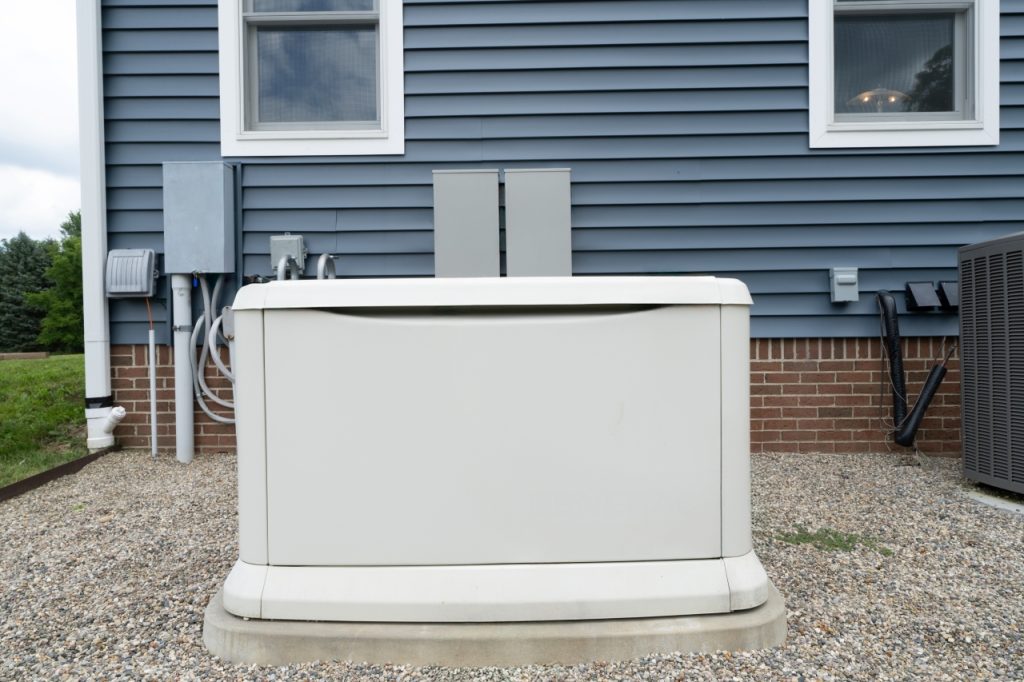
A permanently installed standby generator is designed to provide backup electricity automatically when utility power is lost, unlike a portable generator that must be positioned, started, and connected manually. The right system can keep selected essentials running or support a broader portion of the home, depending on the generator capacity and electrical design. A thoughtful installation helps turn backup power from an emergency workaround into a dependable household plan.
Plan backup power around the loads that matter most
The best generator solution begins with deciding what needs power during an outage. Some Chesterfield households want protection for a few critical circuits, while others prefer coverage for more of the home. Electrical demand, starting loads, fuel availability, panel configuration, and the homeowner’s routine all influence the scope of a residential backup power installation.
- Refrigerators, freezers, and kitchen outlets for food protection
- Sump pumps and other equipment that may be important during severe weather
- Heating equipment, selected cooling loads, and ventilation controls
- Lighting, internet equipment, charging, and home-office circuits
- Medical or accessibility-related equipment that requires dependable power
- Security systems, garage-door equipment, and selected convenience loads
Listing priorities before an estimate is more effective than choosing a generator only by its physical size or a single advertised number. A system intended for essential loads may use a different approach than a whole-home standby generator. The goal is not simply to install more capacity, but to create a practical backup-power design that reflects how the household will use electricity when the grid is unavailable.
Essential-load coverage and broader home coverage are different choices
Essential-load coverage focuses the generator on selected circuits or appliances, which can be a sensible choice when the primary goal is protecting necessities. Broader coverage is intended to support more equipment and may better suit households that want fewer interruptions to normal routines. Each option involves tradeoffs in generator sizing, electrical scope, fuel consumption, and budget, so it is worth discussing the desired outage experience before equipment is selected.
It is also important to account for motors and appliances that draw a larger surge of electricity at startup. Air-conditioning equipment, pumps, refrigerators, and similar loads do not behave like a simple light bulb. Considering both running demand and startup demand helps avoid a backup system that looks adequate on paper but does not align with real operating conditions.
What a professional standby generator project involves
Generac generator installation is a coordinated electrical project, not a simple appliance hookup. The work generally involves assessing the existing electrical service, determining how the generator will connect to the home, planning the automatic transfer equipment, and addressing the fuel supply and placement requirements that apply to the property. Exact requirements vary by home and local rules, which is why an on-site assessment and clear scope are valuable.
- Discuss outage priorities. Identify the circuits, appliances, and systems that should remain available when utility power fails.
- Review the electrical setup. The existing service equipment and panel arrangement help determine the appropriate connection approach.
- Select system components. Generator capacity, transfer equipment, placement, and fuel considerations are evaluated as one system.
- Complete installation work. Electrical connections and associated project elements are installed according to the agreed plan and applicable requirements.
- Test operation and explain the system. The homeowner should understand how automatic operation works, what normal status indicators mean, and why ongoing maintenance matters.
Planning is particularly important for homes with additions, electric-heavy equipment, older service equipment, or changing family needs. A generator project may reveal that certain loads need to be prioritized differently, or that the electrical service requires further consideration before a larger standby system makes sense. Clear communication about those conditions supports better decisions before installation begins.
Automatic transfer equipment is central to safe, usable backup power
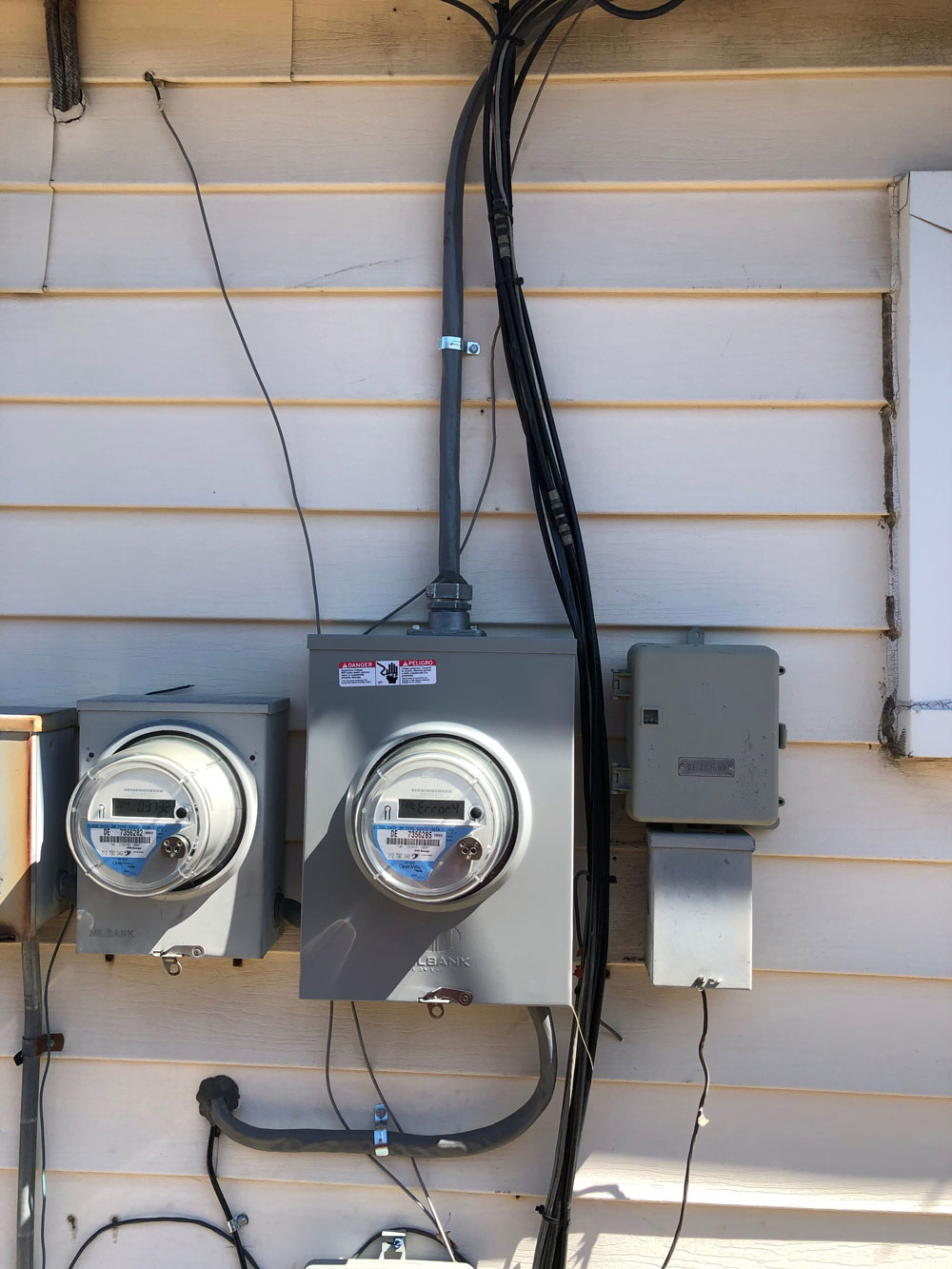
Generator transfer switch installation is the electrical connection strategy that allows a standby system to move a home from utility power to generator power and back again. An automatic transfer switch monitors for a utility outage and signals the generator to start when needed, then transfers the selected electrical load after the generator is ready. It also helps prevent generator power from feeding back onto utility lines, a critical safety consideration.
Transfer equipment can be configured around essential circuits or a more comprehensive service arrangement, depending on the system design. This is why a homeowner should not view the generator and the switch as unrelated purchases. The generator, transfer switch, load plan, panel equipment, and fuel source must work together for automatic backup power to operate as intended.
Fuel, placement, and maintenance deserve attention before installation
Standby generators commonly rely on an onsite fuel source, so fuel planning should be part of the initial conversation rather than an afterthought. The available fuel arrangement affects operating duration, equipment selection, and coordination with other property considerations. Equipment placement also needs room for proper access, service, ventilation, and compliance with applicable installation requirements.
Like other mechanical and electrical equipment, a standby generator needs periodic attention to remain ready. Homeowners should ask what routine exercise cycles look like, how to recognize an alert, and what maintenance items will be needed over time. A generator provides the most value when it is treated as a maintained backup system, not equipment to forget until an emergency occurs.
When a Generac standby generator may be a good fit
A home standby generator can be appropriate for people who want power to return automatically during an outage instead of setting up a portable unit in difficult conditions. It may be especially worth considering when a household depends on a sump pump, refrigerated medications or food, a home office, heating controls, security equipment, or electrically powered accessibility devices. The right solution depends on the homeowner’s needs and property conditions, not on a one-size-fits-all package.
- Choose a standby system when automatic start-up and transfer are priorities.
- Consider a portable generator when limited, temporary power is acceptable and manual setup is practical.
- Prioritize essential circuits when protecting core needs matters more than powering every appliance.
- Consider broader backup coverage when maintaining more normal household operation is the objective.
A portable generator can be useful in certain situations, but it generally requires manual deployment, appropriate outdoor positioning, refueling, and a safe connection method. A permanently installed Generac unit is designed for a different experience: automatic response through connected transfer equipment. Comparing those ownership responsibilities, not just initial equipment cost, can help clarify which approach fits the household.
Questions to consider before choosing an installer
Homeowners should look for a provider conversation that addresses the complete electrical system rather than only the generator model. A useful proposal identifies what will receive backup power, how the transfer process will work, what property conditions affect the installation, and what the owner needs to do after the project is complete. This approach gives a Chesterfield, MI customer a clearer basis for comparing options.
Ask for an explanation of the load strategy in everyday terms. You should be able to understand whether the design is for selected circuits, managed loads, or more extensive coverage, as well as which major appliances may be limited during generator operation. It is also reasonable to ask about the electrical work involved, fuel coordination responsibilities, testing, permits or inspections that may apply, and recommended ongoing care.
Executive Electric offers a direct contact option for homeowners who want to discuss backup power needs with the company. The company’s listed location is 20504 Hall Rd, Clinton Township, Michigan 48038, rather than Chesterfield itself. That distinction matters: Generac generator installation Chesterfield, MI describes the service area inquiry and project need, while the supplied business address identifies where Executive Electric is located.
Prepare for a more productive project conversation
Before reaching out, make a short inventory of the equipment you would want running first during a utility outage. Include pumps, heating controls, refrigeration, internet equipment, medical devices, and any large loads that may affect capacity planning. If you know whether the home uses natural gas, propane, or another fuel arrangement, sharing that information can also help frame the initial discussion.
It can help to note recent outage frustrations as well. For example, a household may be most concerned about a wet basement, disrupted remote work, loss of heat controls, or the burden of moving and fueling a portable unit. Those practical concerns make it easier to evaluate whether essential-circuit backup or a larger standby generator system is the more sensible direction.
Answers for Chesterfield homeowners
How does a Generac standby generator work during a power outage?
A Generac standby generator detects a utility outage through automatic transfer equipment, starts automatically, and supplies power to the loads included in the installation plan. When utility service returns and stabilizes, the transfer equipment moves the home back to normal utility power and the generator shuts down.
How do I know what generator size I need?
Generator size should be based on the electrical loads you want to operate, including the higher startup demand of motors and appliances. A professional assessment of your selected circuits, service equipment, major appliances, and desired level of coverage provides a more useful answer than choosing solely by square footage.
Can a standby generator power my entire house?
It can be designed for broad home coverage, but that is not the only option. Some installations are designed around essential circuits, while others use capacity and load-management planning to support more of the home. The appropriate design depends on your electrical demand, priorities, fuel arrangement, and budget.
Is Executive Electric located in Chesterfield, Michigan?
Executive Electric’s supplied location is 20504 Hall Rd, Clinton Township, MI 48038. Homeowners seeking generator services for Chesterfield can use the contact process to discuss their property, backup-power goals, and whether the planned project is a fit.
Take the next step toward dependable backup power
If outages have made it clear that your home needs a better plan, start with a conversation about the loads that matter most and the type of automatic backup experience you want. Executive Electric can be contacted regarding Generac standby generator planning and installation questions for Chesterfield-area properties. A clear project discussion can help you move from uncertainty about outages to an informed electrical backup-power decision.
Contact Executive Electric to discuss your needs. Executive Electric is located at 20504 Hall Rd, Clinton Township, MI 48038, and can help you begin the conversation about a generator project for your Michigan home.