EV Charger Installation Chesterfield, MI
Home charging changes the practical side of owning an electric vehicle. Instead of planning errands around public charging, Chesterfield drivers can return home, connect their vehicle, and begin the next day with a more convenient routine. Executive Electric is based at 20504 Hall Rd, Clinton Township, MI 48038, and provides a clear point of contact for customers considering a dedicated charging circuit and charger connection.
EV Charger Installation Chesterfield, MI is not simply a matter of mounting a charging unit on a wall. A reliable setup requires an evaluation of the electrical panel, available capacity, cable routing, charger location, and the vehicle owner’s everyday charging needs. The right plan can support safer, more predictable charging at home while avoiding unnecessary compromises in placement or performance.
Start with the charging routine you actually need
The most useful charger setup is one that fits how far you drive, when your vehicle is parked, and where you can comfortably connect it. Many owners choose a Level 2 charging solution because it can replenish range more quickly than a standard household outlet, but the appropriate equipment and circuit depend on the home and the vehicle. A professional evaluation helps turn a general interest in charging at home into a practical electrical plan.
- Daily driving habits: A shorter daily commute may leave more flexibility in charging speed, while frequent or longer trips can make faster overnight replenishment more important.
- Parking arrangement: Garages, attached carports, driveways, and detached structures can involve different cable paths, mounting choices, and exposure considerations.
- Panel capacity: Existing electrical demand and open breaker space affect whether a new dedicated circuit can be added as planned.
- Future vehicle plans: A household expecting a second EV may want to consider expansion possibilities before finalizing the installation.
A standard 120-volt outlet may work for some drivers who have ample time between trips, but it is often a slower option. A 240-volt Level 2 system generally requires a dedicated circuit and can offer a more efficient home-charging routine. Choosing between them should be based on realistic use, not just the highest charging rating listed on a product box.
Electric car charger installation should begin with the electrical system
Electric car charger installation begins with more than selecting a charger model. The electrical system must be assessed for the new load, the desired circuit rating, and a route that can bring power to the parking area without creating an impractical or unsafe arrangement. Addressing these details before equipment is installed helps homeowners make an informed decision about scope and placement.
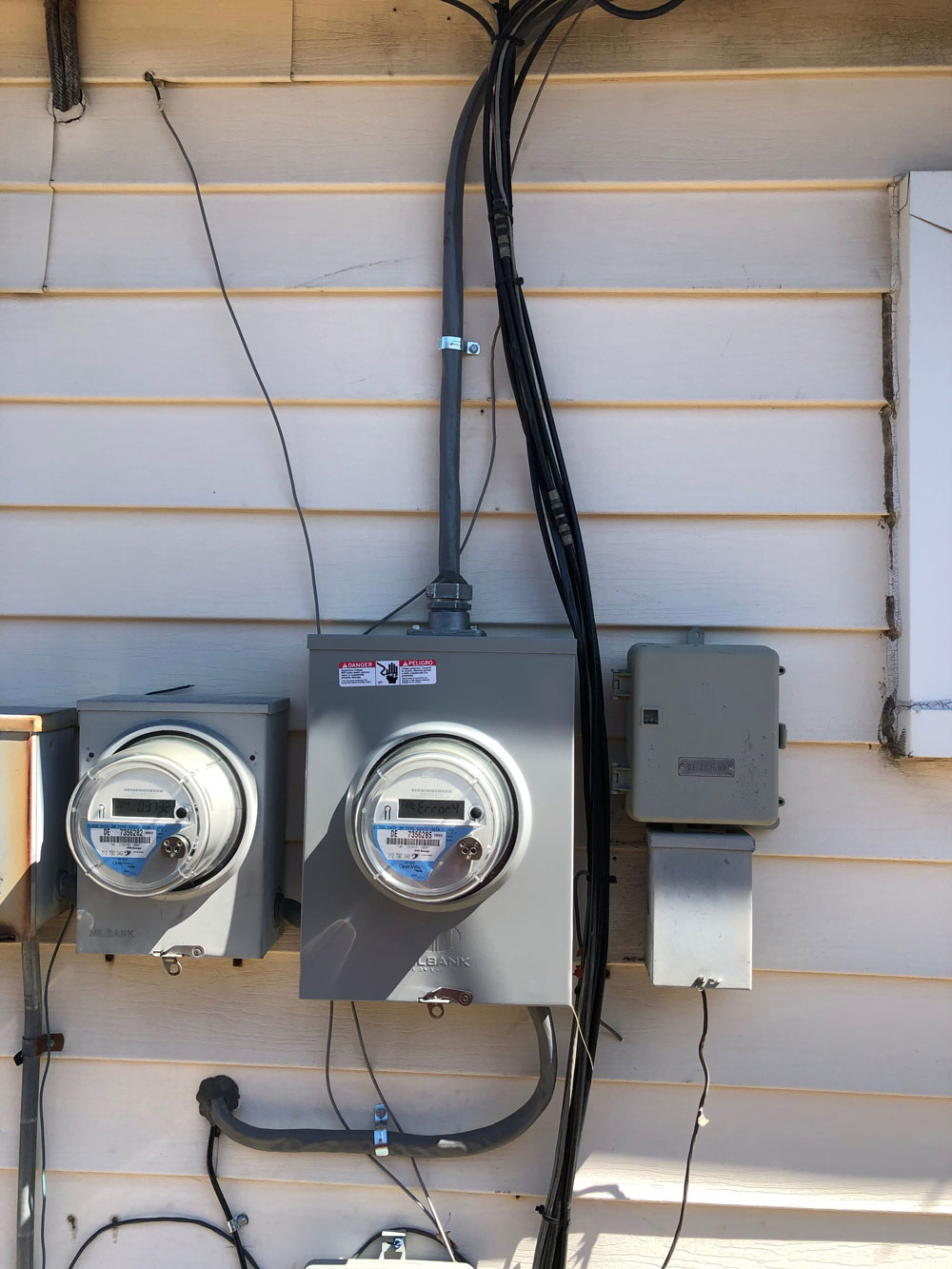
For many Michigan homeowners, the panel is the central decision point. An electrician can determine whether there is appropriate capacity for the intended charger circuit and identify when a panel-related change, different charging approach, or other planning step may be worth discussing. This is especially important in homes that already rely on significant electric loads such as air conditioning, electric ranges, dryers, or other major appliances.
What a well-planned charger installation involves
Executive Electric can help prospective customers understand the stages involved in residential charging equipment work. The details vary by property, yet a thoughtful process reduces surprises and gives the homeowner a clearer picture of the final installation before work begins. It also keeps the discussion centered on the electrical needs of the charger rather than on guesswork.
- Discuss the vehicle and charging goals. Consider the vehicle’s charging capability, the hours available for charging, and whether one or more vehicles may need access.
- Review the proposed charger location. Identify where the vehicle parks, where the connector will reach, and how the equipment can be positioned for day-to-day use.
- Evaluate electrical capacity and routing. Review the panel, breaker availability, circuit requirements, and a sensible path for wiring.
- Plan the installation details. Confirm the charging equipment, mounting approach, connection method, and any applicable local requirements.
- Complete and test the setup. After installation, the equipment and circuit should be checked so the owner understands basic operation and can begin using the charger appropriately.
EV charging station installation can improve everyday convenience
For households that want a fixed home-charging solution, EV charging station installation creates a designated place to plug in rather than relying solely on public stations or extension-based workarounds. A properly located station can make overnight charging easier to manage and help keep the charging cable organized. The result is a home setup designed around the vehicle’s normal parking position and electrical requirements.
Public charging still has a role for longer trips and charging away from home, but it is not always the most convenient primary plan. Home charging lets drivers use the time their vehicle is already parked. It may be particularly useful for households with consistent schedules, drivers who prefer to begin mornings with a charged vehicle, and owners who want fewer routine charging stops.
EV charging point installation is about access, reach, and protection
An EV charging point installation should place the connection where it is accessible without making the cable difficult to manage. Charger height, connector reach, parking orientation, indoor or outdoor exposure, and the path from the electrical panel all affect the final layout. A planned location helps avoid a setup that works technically but feels inconvenient every time the vehicle is parked.
Outdoor and garage installations can require different practical considerations. Homeowners should think about where the charger will be protected, whether the cable can be stored neatly, and whether the connection will remain easy to use through changing weather. The electrical work should be tailored to the property conditions and applicable requirements rather than treated as a one-size-fits-all task.
Choosing a provider for your home charging project
When comparing providers, focus on the quality of the planning conversation as well as the charger itself. A charger is only one part of the system. The dedicated circuit, panel assessment, equipment location, and explanation of the work all shape whether the setup will suit the home over time.
- Ask whether the proposed circuit and charger choice align with your vehicle’s charging capability.
- Ask how the electrical panel and existing household loads will be considered.
- Ask where the equipment and cable will be located and how that placement supports normal parking.
- Ask what information you should have ready, including charger specifications, vehicle details, and photos or notes about the proposed location.
- Ask about the scope of electrical work so you understand the difference between charger equipment, circuit installation, and any needed electrical changes.
A Professional EV charger installer helps connect equipment choices to real conditions
A Professional EV charger installer can help translate product specifications into decisions that make sense for the property. For example, a charger with a higher maximum rating may not automatically be the best choice if the home’s available capacity, the vehicle’s acceptance rate, or the owner’s daily driving pattern points to a different solution. Professional planning emphasizes the complete electrical installation, not just the device on the wall.
It is also wise to avoid treating any convenient outlet as a permanent EV charging answer without evaluating it. Electric vehicle charging can place sustained demand on the electrical system, and a dedicated, properly planned circuit is often the better foundation for a Level 2 setup. Executive Electric can be a useful contact when you want to discuss the electrical side of a proposed charger before making final equipment decisions.
Consider smart features without losing sight of the electrical basics
Connected chargers can offer scheduling, status notifications, usage tracking, and other controls, but those features should complement a sound installation. Some owners value the ability to schedule charging during preferred hours, while others primarily want a straightforward plug-in routine. Compatibility with the vehicle, home network expectations, and the household’s comfort with app-based controls are reasonable points to consider.
Smart EV charger installation can support more control over charging
Smart EV charger installation may be a good fit for owners who want to monitor charging sessions or use scheduling features offered by compatible equipment. These functions can add visibility and convenience, but they do not replace the need for correctly sized electrical work and an appropriate dedicated circuit. Select smart features because they serve your routine, not simply because they are available.
Before choosing a connected charger, review whether the unit is compatible with your vehicle and whether its controls are useful to the people who will use it. A simple hardwired or plug-in Level 2 charger may meet one household’s needs, while another household may prefer scheduling and energy-use visibility. The best choice is the one that balances electrical suitability, usability, and the way you plan to charge.
Talk with Executive Electric about EV charging at your property
Whether you are purchasing your first EV, replacing a slow charging routine, or planning for another electric vehicle in the household, the first useful step is to discuss the property and your goals. Bring the charger model if you have selected one, or simply share the vehicle, parking location, and charging concerns. Executive Electric’s location at 20504 Hall Rd, Clinton Township, MI 48038 provides a direct contact point for customers exploring EV Charger Installation in Chesterfield, MI and nearby Michigan communities.
Clear planning can help you decide whether a Level 2 charger, a different location, or additional electrical considerations are appropriate before equipment is installed. EV Charger Installation is most valuable when the equipment, circuit, and daily routine work together. Contact Executive Electric to start a practical conversation about your home charging project.
Frequently asked questions about home EV charging
Do I need a Level 2 charger at home?
A Level 2 charger is not required for every EV owner, but it is often a practical choice for drivers who want faster home charging than a standard 120-volt outlet provides. The right option depends on your daily mileage, charging window, vehicle capability, available electrical capacity, and budget for the installation.
Can an existing electrical panel support an EV charger?
It depends on the panel’s available capacity, open breaker space, existing electrical loads, and the charging circuit being planned. An electrical evaluation is the reliable way to determine whether the intended charger can be added as proposed or whether another approach should be considered.
Where should a home EV charger be installed?
The best location is typically near the vehicle’s usual parking position, with enough connector reach and a practical wiring path from the electrical panel. A garage, carport, or exterior location may work depending on the property. Placement should account for cable management, protection from conditions, and convenient daily access.
How do I contact Executive Electric about EV Charger Installation in Chesterfield, MI?
Use the contact form to share your vehicle, preferred charging location, and any charger model you are considering. Executive Electric is located at 20504 Hall Rd, Clinton Township, MI 48038. Contact Executive Electric to discuss your Michigan home charging project.