Commercial EV charger installation Chesterfield, MI
Commercial properties planning for electric vehicles need more than a wall-mounted charging unit. They need a charging plan that fits daily parking patterns, available electrical capacity, user access, safety requirements, and future demand. For organizations researching Commercial EV charger installation in Chesterfield, MI, Executive Electric provides a clear starting point for discussing the electrical work and project considerations involved.
Executive Electric is located at 20504 Hall Rd, Clinton Township, MI 48038. The company location is in Clinton Township, not Chesterfield, so property owners and decision-makers can contact Executive Electric to discuss the needs of a Chesterfield-area commercial site and determine appropriate next steps for the project.
Build a charging plan around how your property operates
A commercial charging project should begin with the property, not with a charger model. The right approach accounts for who will charge, how long vehicles normally remain parked, where electrical equipment can be placed, and how charging activity will be managed. This planning helps a business avoid installing too few ports, choosing the wrong charging speed, or creating an inconvenient parking layout.
Commercial EV charging can support employee vehicles, company fleets, customer parking, visitor amenities, multifamily residents, and mixed-use sites. A workplace may prioritize predictable daytime charging, while a retail or public-facing location may need access rules, durable equipment placement, and clear parking controls. Fleet operations often have a more demanding load profile because several vehicles may need energy within a defined overnight or between-shift window.
- Employee-focused charging: Supports staff vehicles during scheduled work hours and can be planned around normal dwell time.
- Fleet charging infrastructure: Helps prepare business-owned vehicles for routes, service calls, deliveries, or other operational use.
- Customer and visitor charging: Can add a useful amenity where drivers park long enough to charge.
- Multifamily and shared parking: Requires thoughtful decisions about access, allocation, metering, and future expansion.
Start with an electrical capacity review
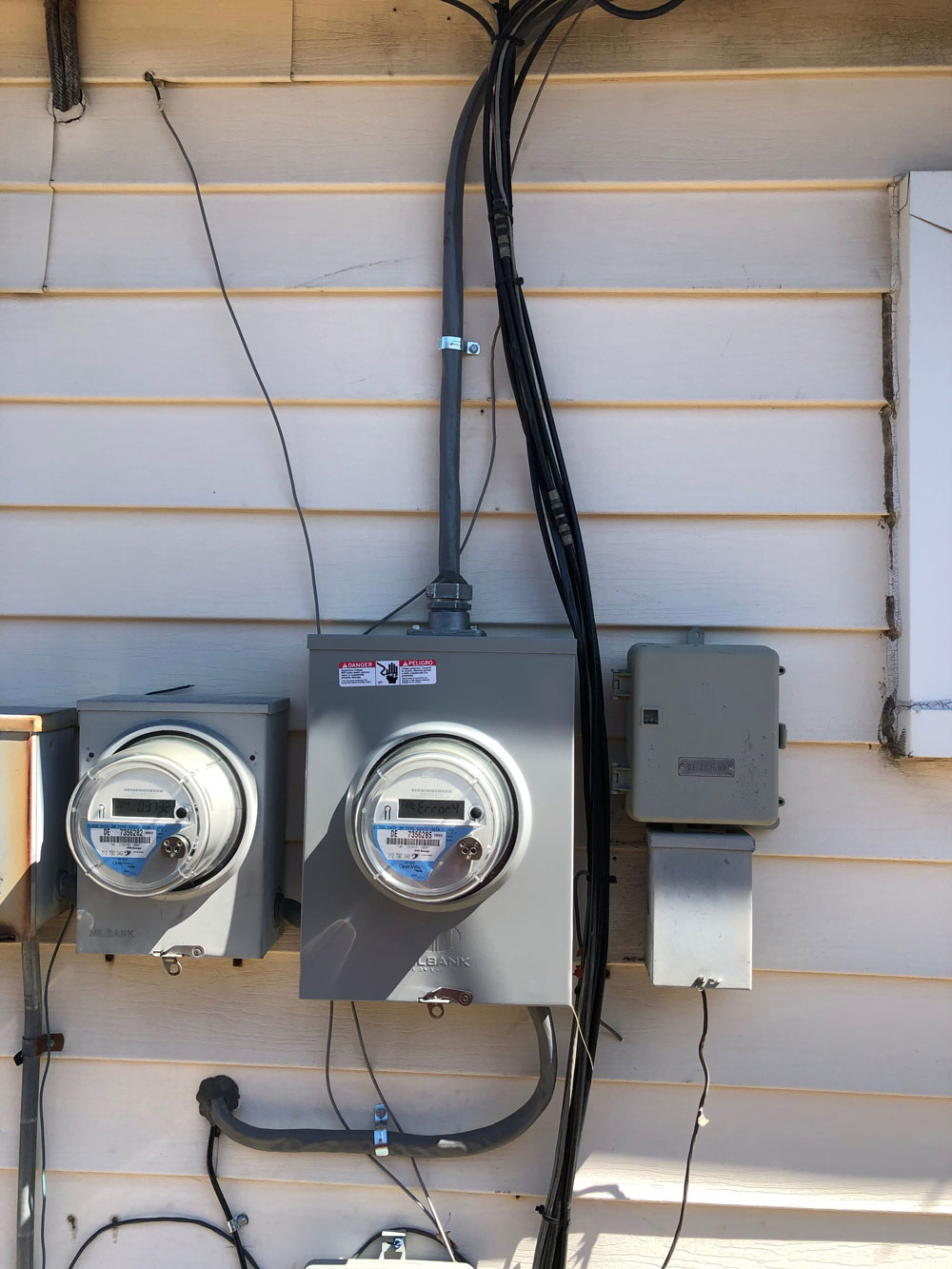
Electrical capacity is one of the first practical issues in a commercial EV charging project. Existing service size, panel capacity, feeder space, current building loads, and the distance from electrical distribution to parking all affect the design and cost. Some sites can accommodate chargers with relatively straightforward branch-circuit work, while others may require load management, new distribution equipment, service changes, or a phased buildout.
A site assessment also helps identify routing realities before work begins. Trenching, concrete restoration, bollards, equipment clearances, accessible parking considerations, lighting conflicts, and traffic flow can influence where chargers make sense. Reviewing these details early creates a more usable installation and reduces the chance that a convenient-looking parking space becomes expensive or impractical to serve electrically.
Choose charging levels for actual parking time
Charging speed should match the use case rather than simply pursuing the highest available output. Level 2 equipment is commonly considered for places where vehicles park for hours, including employee lots, destination locations, and many multifamily settings. DC fast charging may be better suited to shorter stays or operational needs that require faster energy delivery, but it can place significantly greater demands on the site electrical system.
Decision-makers should consider the number of vehicles that may charge at the same time, expected arrival and departure windows, and whether charging can be scheduled. A scalable design may reserve conduit pathways, distribution capacity, or physical space for additional ports later. That approach can be more practical than rebuilding pavement or electrical pathways whenever demand grows.
Commercial applications with different operating needs
Commercial EV charger installation is not a one-size-fits-all service. A thoughtful project aligns equipment and electrical infrastructure with the people who use the site. Executive Electric can be a relevant contact when a property owner, facility manager, tenant representative, or business leader needs to turn charging goals into a more defined electrical scope.
Charging at the workplace
Workplace EV charger setup gives employers a way to plan charging around employee schedules, assigned spaces, and the electrical realities of an occupied facility. A useful workplace design considers whether charging is shared or assigned, how drivers will know when spaces are available, and whether the organization wants to prepare for more ports over time. Clear parking expectations and a sensible location can help keep charging spaces functional rather than underused or blocked.
For office, industrial, and service businesses, the charging area should also fit normal site operations. Equipment should not interfere with loading areas, emergency access, pedestrian routes, or required parking circulation. Planning the installation around the property’s daily rhythm helps make the benefit easier for employees and management to realize.
Access for customers, guests, and the public
A Public EV charger installer discussion should address more than equipment selection. Public-facing charging may involve driver access, signage, equipment visibility, lighting, parking enforcement, network features, and protection from vehicle contact. These considerations matter because a charger that is difficult to find, routinely blocked, or poorly placed may not provide the intended customer or community value.
Public access also changes how owners think about uptime, payment options, and user communication. The property owner should determine who is allowed to charge, whether charging is complimentary or managed, and how operational questions will be handled after installation. Those business decisions help inform the charger platform and site layout before electrical work is finalized.
Dock, pedestal, wall-mounted, and fast-charging options
EV charging dock installation can refer to the physical placement and electrical connection of charging equipment in a parking environment. Wall-mounted units can work well where a nearby structure and protected cable path are available, while pedestal-mounted equipment can be appropriate in open parking areas. The best mounting approach depends on parking geometry, cable reach, accessibility, weather exposure, and protection from impact.
An EV fast charger installation typically calls for especially careful up-front evaluation because higher-output DC equipment can require more substantial electrical infrastructure. It may be a strong fit when drivers need meaningful charging in a shorter stop or when a fleet has limited turnaround time. The additional capacity, equipment footprint, utility coordination, and budget implications should be evaluated against the expected utilization rather than assumed necessary for every site.
What the installation process should address
A well-defined commercial charging project moves from site information to a practical electrical and construction plan. The exact sequence varies by property and equipment choice, but early coordination gives owners a better view of scope, constraints, and expansion opportunities. It also helps separate immediate needs from improvements that may be reserved for a later phase.
- Discuss the charging goal. Define the expected users, desired number of ports, parking duration, and access model.
- Review the site. Evaluate electrical service, distribution equipment, parking layout, equipment locations, and cable routing.
- Develop the electrical approach. Identify the circuitry, protection, conduit, mounting, and any capacity-related work needed for the chosen equipment.
- Coordinate permits and installation requirements. Commercial work may require permits and inspections through the applicable authority having jurisdiction.
- Install, test, and prepare for use. Complete the electrical installation, verify operation, and make sure the owner understands the equipment’s intended use and access plan.
Permitting, inspection requirements, utility considerations, and equipment lead times can affect a project schedule. No two commercial properties have the same electrical starting point, so a site-specific conversation is more useful than relying on a generic timeline or a per-port price. Executive Electric can discuss the information needed to evaluate a proposed installation at a Michigan commercial property.
Factors to weigh before selecting an installation partner
The provider conversation should focus on the complete project, not only the charger itself. Commercial electrical work affects the building’s power distribution, the parking environment, and the experience of drivers who will use the system. Property stakeholders benefit from gathering the operational and physical details that influence design before asking for a defined scope.
- Whether the existing electrical service and panels can support the desired charging load.
- How many vehicles may charge concurrently now and in future years.
- Where equipment, conduit, protective bollards, and accessible routes can be located.
- Whether the property needs networked controls, access restrictions, payment capability, or usage reporting.
- How construction will affect parking availability, tenants, employees, customers, or fleet operations.
- Which permits, inspections, manufacturer requirements, and utility steps may apply to the location.
It is also useful to distinguish between installing a few Level 2 ports today and preparing a property for a larger charging program later. A phased plan may include immediate chargers plus pathways for future conduit, spare capacity where feasible, or reserved equipment space. That kind of forward planning can protect options as EV adoption and property needs change.
Talk with Executive Electric about your Chesterfield-area project
Commercial EV charger installation Chesterfield, MI planning is most productive when decision-makers bring basic site information, the intended user group, and a realistic view of charging demand. Photos of proposed parking areas, electrical panel information, property plans, and the preferred equipment concept can all make an initial discussion more efficient. If some of that information is not available, the conversation can still begin with the property’s goals and operating needs.
Executive Electric’s listed location is 20504 Hall Rd, Clinton Township, MI 48038. Contact the company to discuss commercial charging infrastructure for a Chesterfield, Michigan property, clarify the electrical considerations that apply to the site, and explore a practical path toward installation.
Frequently asked questions
What is involved in commercial EV charger installation in Chesterfield, MI?
Commercial EV charger installation generally includes assessing electrical capacity, selecting suitable charging equipment and locations, planning circuits and conduit, completing required electrical work, and coordinating applicable permits and inspections. The final scope depends on the property’s existing electrical system, parking layout, charging speed, and number of expected users.
Is Level 2 or DC fast charging better for a commercial property?
Neither option is automatically better. Level 2 charging often fits vehicles parked for several hours, while DC fast charging can suit shorter stays or time-sensitive fleet needs. The appropriate choice depends on dwell time, simultaneous demand, electrical capacity, budget, and the business purpose of the charging program.
Can a business install a few chargers now and add more later?
Yes, many owners consider a phased approach. Planning for future conduit routes, electrical distribution space, equipment locations, and parking layout during the first phase may make later expansion less disruptive. The feasibility depends on the property’s electrical capacity and the details of the initial design.
Where is Executive Electric located for Chesterfield commercial charging inquiries?
Executive Electric is located at 20504 Hall Rd, Clinton Township, MI 48038. Chesterfield is the target service area referenced on this page, not a stated Executive Electric office location. Contact Executive Electric to discuss the requirements and next steps for your commercial property.
Ready to define your commercial charging project? Contact Executive Electric to discuss commercial EV charger installation needs for your Chesterfield, MI property. The company is located at 20504 Hall Rd, Clinton Township, MI 48038, and can help you begin with the site details, charging goals, and electrical considerations that matter.