Briggs & Stratton generator installation Chesterfield, MI
A permanently installed standby generator can help a home stay functional when utility power is interrupted. For property owners researching Briggs & Stratton generator installation in Chesterfield, MI, the central questions are usually practical: what size unit is appropriate, where can it be placed, how does it connect to the electrical system, and what happens when the outage begins?
Executive Electric is located at 20504 Hall Rd, Clinton Township, MI 48038. The company provides a local point of contact for customers considering a generator project in the Chesterfield area and elsewhere in Michigan. A conversation about the property, expected loads, and installation goals is a useful first step before selecting equipment or committing to a plan.
What a standby generator installation is designed to do
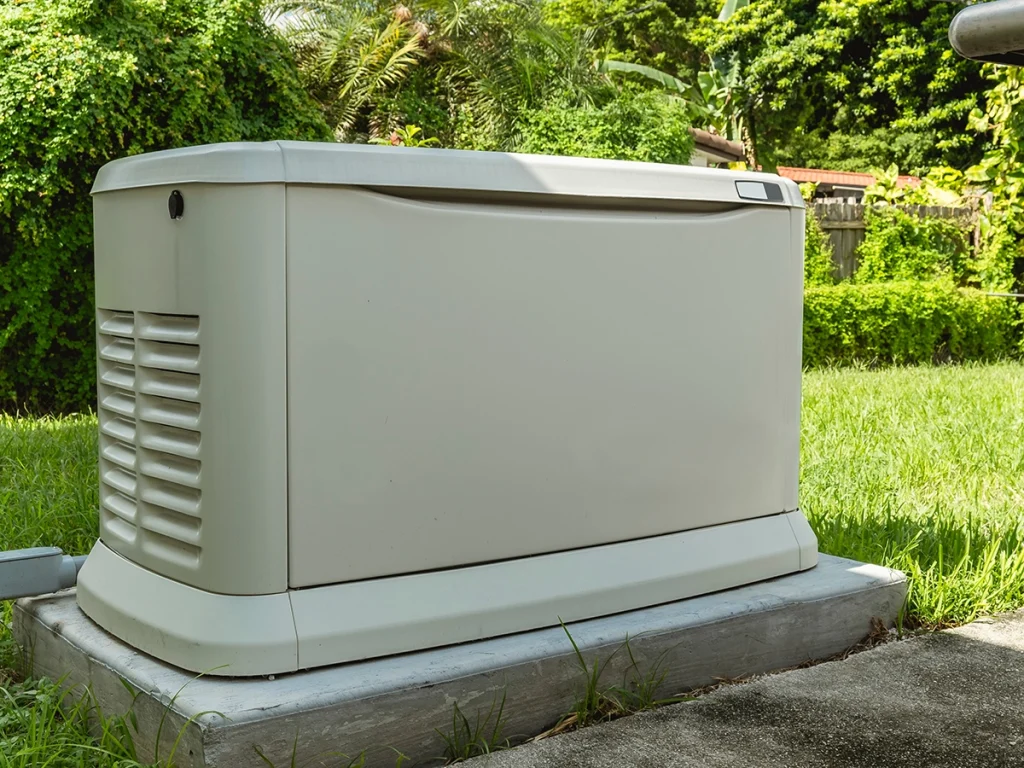
A standby generator installation is a permanently connected backup-power system that can supply selected circuits or, in some designs, a larger portion of a home when normal utility service is unavailable. Unlike a portable generator, a standby unit is positioned outdoors, connected through properly planned electrical equipment, and intended to operate as part of the property’s power infrastructure.
Briggs & Stratton standby generators are commonly considered by homeowners who want a more automatic, integrated approach to outage preparedness. The generator, transfer equipment, electrical panel arrangement, fuel source, and site location all affect how the finished system performs. Equipment choice alone does not define the result. Careful planning of the entire system matters.
Automatic transfer equipment is a key part of the system
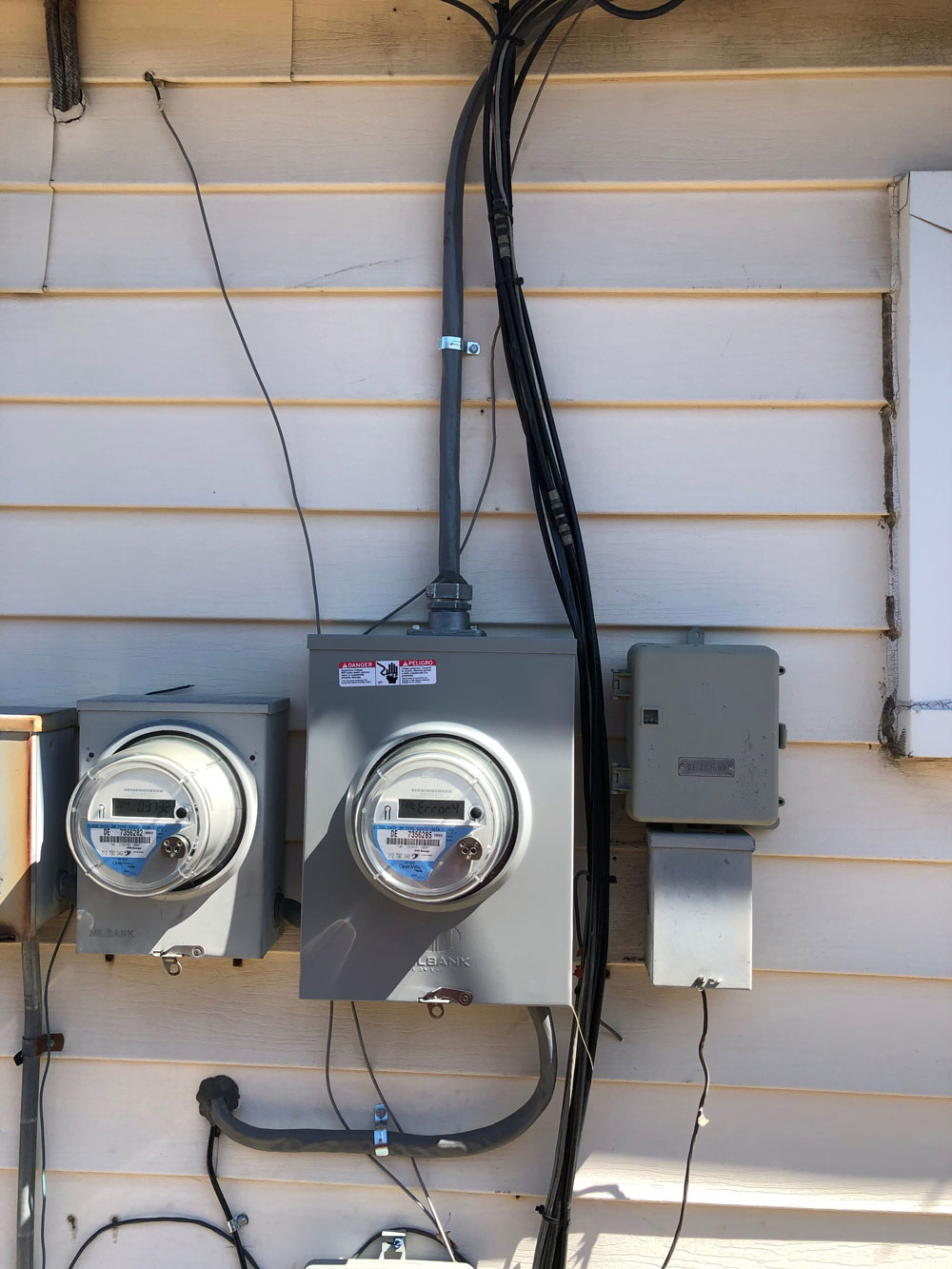
Transfer equipment manages the change from utility power to generator power and helps prevent generator electricity from feeding back onto utility lines. In an automatic setup, the transfer equipment detects a utility outage, signals the generator to start, and shifts the designated electrical load after the generator is ready. When utility power returns, the process reverses in a controlled sequence.
This is why a generator should not simply be connected to a household outlet or improvised wiring arrangement. The connection method must be designed for the home’s electrical system and the generator configuration. A professionally planned transfer switch installation is a core safety and usability consideration, not an optional accessory.
Whole-home backup and essential-load backup solve different problems
Whole-home backup aims to support most or all of the home’s normal electrical demand, subject to the generator’s capacity and the home’s actual loads. Essential-load backup focuses on selected priorities, such as refrigeration, lighting, a furnace or other heating equipment, sump equipment, internet equipment, and chosen outlets. Neither approach is automatically right for every Chesterfield household.
- Essential-load systems may be a sensible choice when the goal is to protect critical functions while keeping generator size and demand more focused.
- Broader backup systems can offer more day-to-day continuity, but they require an honest assessment of major appliances, heating and cooling equipment, and simultaneous usage.
- Load management may be considered when certain large loads should not operate at the same time during generator power.
The right approach depends on what must remain operational during an outage, not just on the square footage of a house. A household that prioritizes a sump pump and refrigeration may have a different design than one that also expects to run central air conditioning, electric cooking appliances, or several high-demand devices.
Plan the generator around the way your property uses power
Generator sizing begins with the electrical loads a household needs to support, including both running demand and the higher demand some motors require when starting. A useful installation conversation identifies priorities before a model is chosen. It also accounts for future plans that could change electrical usage.
For example, electric heating equipment, air conditioning, well pumps, sump pumps, refrigerators, freezers, medical-support equipment, home offices, and electric vehicle charging can all influence planning. It is not enough to list appliances. The important question is which loads need to operate at the same time when the generator is carrying the home.
Fuel, placement, and permits deserve early attention
A standby generator needs an appropriate fuel arrangement, commonly based on the property’s available fuel source and the unit’s requirements. Fuel planning can affect generator selection, operating expectations, and the overall scope of a project. It should be evaluated early rather than treated as a final detail.
Placement also requires thought. The unit needs a suitable outdoor location with manufacturer-required clearances, service access, and consideration for airflow, exhaust, and the surrounding property. Local permit and inspection requirements can apply to electrical work and related portions of the project. Discussing these factors before installation helps avoid a design that looks workable on paper but creates complications at the site.
- Identify the circuits, appliances, and systems that matter most during an outage.
- Review the existing electrical service, panel configuration, and anticipated electrical demand.
- Consider generator capacity, transfer equipment, load management, fuel needs, and outdoor placement as one coordinated design.
- Confirm the applicable project requirements and schedule the installation steps around the property and equipment plan.
- After installation, understand the controls, testing routine, and maintenance expectations for the backup-power system.
What to expect from a Briggs & Stratton generator project
A generator project generally moves from discovery to site evaluation, system design, installation, and owner orientation. Each property has its own electrical layout and priorities, so the details can vary. A clear process helps the homeowner understand what decisions are being made and why.
During early planning, bring a practical list of what you want protected. Consider normal life during an outage, not just worst-case scenarios. If the goal is to preserve food, prevent water issues, maintain heat, support work-from-home needs, or keep essential devices available, those priorities should guide the electrical design.
At the property review stage, the existing service equipment, panel space, proposed generator area, cable routing, and connection approach may need evaluation. These details help determine whether the desired backup strategy aligns with the home. They also create an opportunity to ask how the system will behave when power drops and returns.
For homeowners comparing options, Briggs & Stratton generator installation should be viewed as a complete electrical project rather than a generator purchase alone. The value of a standby system comes from thoughtful integration of the generator, transfer equipment, selected loads, site conditions, and safe operating procedures.
How to make a confident provider decision
The provider conversation should make the proposed system easier to understand. A homeowner should know what the generator is intended to power, what is excluded or managed, where the equipment is expected to go, and how the utility-to-generator transition is handled. Clear answers are more useful than broad promises about backup power.
Executive Electric can be contacted from its Clinton Township, Michigan location at 20504 Hall Rd, Clinton Township, MI 48038 to discuss a potential project. Chesterfield, MI customers can use that conversation to explain their outage concerns, describe their home systems, and determine the appropriate next step for their circumstances.
- Which circuits, appliances, and systems will be included in the backup plan?
- Is the proposed approach based on essential loads or a broader household backup goal?
- How will the generator connect to the electrical system and transfer equipment?
- What site, fuel, clearance, permit, and inspection considerations should be addressed?
- What routine exercise, maintenance, and owner checks should be expected after startup?
It is also reasonable to compare a standby system with alternatives. A portable generator may cost less initially and can be useful for limited temporary power, but it generally requires manual setup, fuel handling, and a safe connection method. A battery backup system can support certain loads quietly for a limited duration, while a fuel-powered standby generator is often considered when longer outages and higher household loads are part of the concern.
Benefits that matter during an outage
The practical benefit of a properly planned standby generator is continuity for the loads that matter to the household. That can mean reducing disruption, protecting food storage, supporting comfort systems where included, or keeping critical equipment available. The exact benefit depends on the system design and the conditions of the outage.
Automatic operation can be particularly valuable for owners who may not be home when the utility fails or who do not want to move and connect portable equipment in poor weather. A permanently installed generator also avoids the repeated setup process associated with temporary equipment. However, automatic operation does not eliminate the need to understand the system, observe maintenance requirements, and use the generator according to its instructions.
Planning now can also reduce decision pressure later. Instead of trying to choose equipment after an outage has already created an urgent problem, a homeowner can evaluate loads, placement, and expectations at a measured pace. That makes it easier to choose a backup-power approach that fits the property rather than chasing an oversized or underspecified solution.
Answers for Chesterfield homeowners
How does a Briggs & Stratton standby generator work during an outage?
A standby generator works with transfer equipment that monitors utility power. When an outage is detected, the system starts the generator and transfers approved electrical loads to generator power. When utility service returns, the transfer equipment returns the loads to utility power and the generator completes its shutdown sequence.
How do I know what size generator I need?
Generator size should be based on the specific loads you want available, including starting demands for motor-driven equipment and which appliances may run at the same time. Start with an essential-load list or a broader household goal, then have the electrical service and planned load strategy evaluated before selecting a unit.
Can a standby generator power every appliance in my home?
It can be designed to support a broad range of household loads, but that depends on generator capacity, the home’s service configuration, and how much equipment operates simultaneously. Some homes use load management or prioritize selected circuits so high-demand appliances do not exceed the available generator output.
Does Executive Electric have an office in Chesterfield, MI?
Executive Electric’s supplied location is 20504 Hall Rd, Clinton Township, MI 48038. The company should not be understood as claiming a Chesterfield office based on this page. Customers seeking generator information for a Chesterfield property can contact Executive Electric to discuss their project and available next steps.
Start with a practical backup-power conversation
If you are weighing generator capacity, automatic transfer operation, or the difference between essential-load and broader backup power, Executive Electric can help you begin with the questions that shape a sound project. Explain what you want to keep running, what concerns you most during an outage, and any relevant electrical or site details.
Contact Executive Electric at its location at 20504 Hall Rd, Clinton Township, MI 48038 to discuss Briggs & Stratton generator installation for your Chesterfield property. Contact Executive Electric to take the next step toward a clearer backup-power plan.