Diesel Generator Installation Bloomfield, MI
When an outage can interrupt essential equipment, work, comfort, or safety, a permanently installed diesel generator can provide a planned source of backup electricity. For property owners researching Diesel Generator Installation Bloomfield, MI, the important first step is matching the generator, electrical design, and fuel arrangement to the loads that truly need to remain available. Executive Electric is located at 20504 Hall Rd, Clinton Township, MI 48038, and can be contacted to discuss your project and next steps.
A standby power project is more than selecting a generator by appearance or nameplate size. It involves understanding what should operate during an outage, how the generator will transfer power safely, where equipment can be placed, and what approvals may apply. Thoughtful planning helps a homeowner, business operator, or facility manager make an informed decision before equipment is purchased or work begins.
What a diesel standby system is designed to do
A diesel standby generator is a fixed backup power source that starts when normal utility service fails and supplies designated electrical loads through properly designed switching equipment. Unlike a portable unit that may be manually connected for temporary use, a permanently installed system is planned as part of the property’s electrical infrastructure. The objective is dependable power for selected priorities, not necessarily every circuit in every building.
Diesel power can fit higher-demand backup needs
Diesel generators are often considered where a property has substantial electrical demand, extended-run expectations, or equipment that should remain available during a utility interruption. The right application depends on the building’s load profile, operating priorities, available space, fuel planning, and the intended duration of backup operation. A residence protecting critical circuits and a commercial site maintaining operations may need very different system designs.
Diesel generator installation begins with an electrical and operational conversation, not a one-size-fits-all equipment recommendation. A useful scope identifies critical loads, considers starting loads from motors or HVAC equipment, and distinguishes essential circuits from conveniences that can stay off during an outage. This approach gives the owner a clearer basis for discussing generator capacity, transfer equipment, and budget.
Transfer equipment makes backup power usable
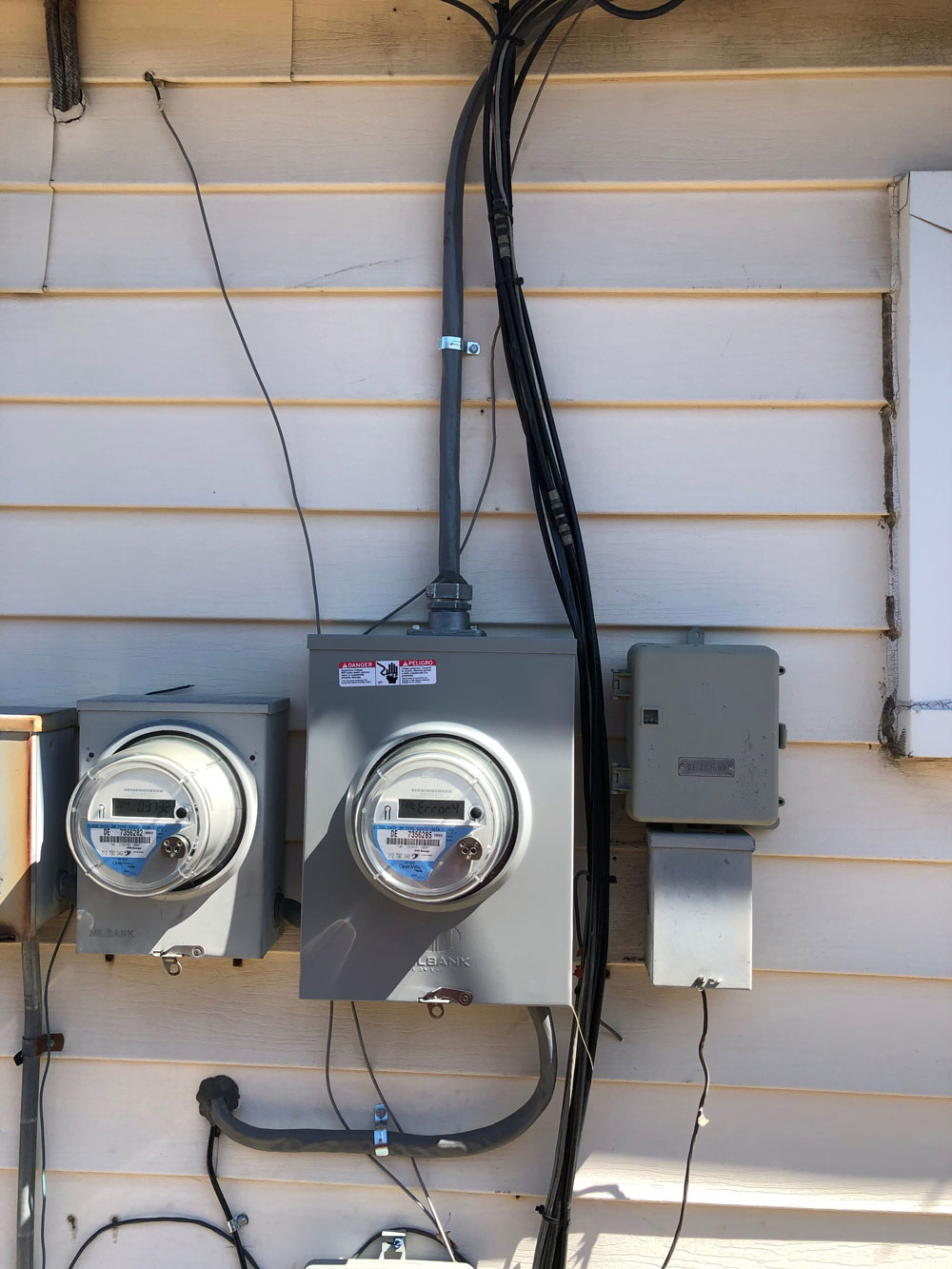
An automatic transfer switch monitors incoming utility power and transfers selected loads to generator power after an outage, then returns them when normal service is restored. The transfer arrangement is a central safety and usability component because it manages the change between two power sources and prevents unsafe backfeeding into utility lines. The electrical configuration may serve an entire building, a separate emergency panel, or specifically chosen circuits, depending on the design.
- Whole-building backup can support a broader range of loads, but usually requires more capacity and careful load management.
- Essential-load backup focuses on defined priorities such as refrigeration, sump equipment, lighting, communications, security, or selected operational equipment.
- Manual transfer arrangements can be appropriate for some planned-use situations, while automatic operation is valuable when power needs to return without someone being present.
Choosing among these approaches is a practical tradeoff. Broader coverage can increase equipment, electrical, and fuel requirements, while an essential-load approach can direct available capacity toward the functions that matter most. A clear load plan helps avoid assuming that every appliance or system can run at the same time.
Planning a generator project for a Bloomfield property
Successful generator installation planning starts with the property, the electrical service, and the consequences of an outage. Bloomfield, Michigan property owners may be evaluating backup power for a single-family home, a multi-use property, an office, a retail setting, or another facility with specific continuity needs. The intended use should guide the technical discussion from the start.
Start by identifying outage priorities
Before requesting a proposal, make a practical list of what must stay powered and what can wait. Consider equipment that protects the building, supports occupants, preserves products or data, or keeps a core operation functioning. Also note whether certain loads start at the same time, because equipment with motors can require more power at startup than during steady operation.
- List critical equipment, systems, and circuits in order of importance.
- Identify whether power must be automatic, how long it may be needed, and who will oversee the system.
- Review the property’s electrical service, panel capacity, access, and possible equipment locations.
- Discuss fuel storage, ventilation, noise considerations, and local permit or code requirements with qualified professionals.
- Confirm the intended scope, including transfer equipment, selected loads, commissioning, and ongoing maintenance responsibilities.
This preparation makes conversations more productive because it turns a general wish for “backup power” into measurable priorities. It can also reveal alternatives worth considering, such as protecting only essential circuits, staging loads, or combining a smaller standby system with operational procedures for noncritical functions. The appropriate solution is the one that aligns capacity and cost with real outage risks.
Site conditions affect the final design
Generator placement is not an afterthought. The proposed location must account for equipment clearances, ventilation, exhaust, access for service, routing for electrical conductors, fuel-system considerations, and applicable requirements. A site review also helps identify practical issues such as where an automatic transfer switch may be installed and how the generator will connect to the existing electrical distribution.
Michigan weather is another reason to think beyond the generator itself. A backup system needs a location and installation approach that supports reliable operation through changing seasonal conditions while allowing appropriate access for inspection and service. Property owners should ask how the proposed layout addresses routine maintenance access as well as the electrical and fuel components that support operation.
What to expect during a professional installation process
A well-organized diesel generator project generally moves from assessment and design to equipment coordination, installation, testing, and owner orientation. Exact timing and requirements vary by property, equipment selection, local authority review, and the complexity of the electrical work. Knowing the sequence helps owners plan around electrical interruptions and make decisions before work is underway.
During the early stage, the installer or electrical professional evaluates the service equipment, load priorities, generator location, and transfer strategy. The scope should clarify which circuits or panels receive backup power and what work is included at the generator, electrical distribution, and transfer equipment. Permitting and inspection requirements should be addressed for the applicable jurisdiction rather than assumed.
Installation commonly includes setting the generator according to the approved plan, making electrical connections, integrating the transfer equipment, and coordinating the fuel supply work with the appropriate provider or trade. The system should then be tested to verify transfer operation and the selected load arrangement. Owners benefit from receiving clear operating information, including how to recognize alarms, where key components are located, and why scheduled maintenance matters.
- Ask which loads are included during generator operation and which are intentionally excluded.
- Ask how the system will respond to utility loss and utility restoration.
- Ask what owner checks are appropriate and what work should be left to qualified service professionals.
- Ask which permits, inspections, and fuel-related coordination steps apply to the project.
- Ask how future electrical additions could affect generator capacity and load priorities.
Choosing the right partner and maintaining the system
For a backup power investment, provider selection should focus on a clear electrical scope, careful communication, and a design that reflects the property’s actual needs. A proposal should make it easier to understand the relationship among generator size, critical loads, transfer equipment, placement, fuel planning, and any required approvals. Vague promises of “whole-home” or “full” power are less useful than a documented explanation of what the system is intended to support.
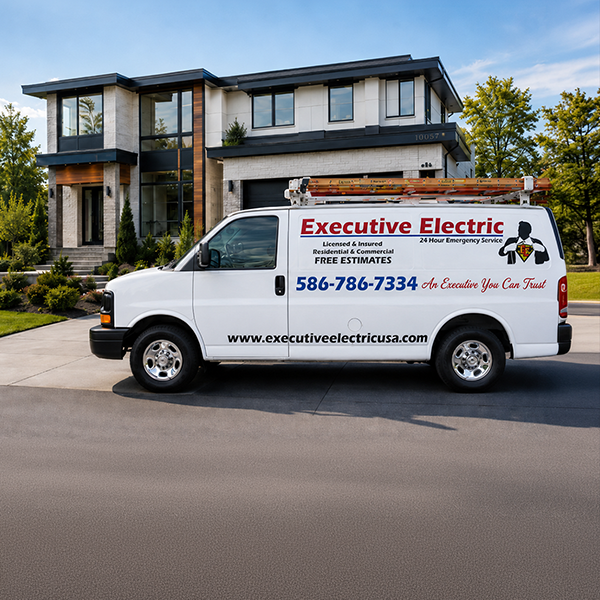
Executive Electric can be a practical contact for customers considering diesel generator work in the Bloomfield, MI area because the company provides a direct point of contact from its Clinton Township, Michigan location. Before moving forward, share the property type, outage concerns, priority equipment, and any existing generator or electrical drawings you have. Bringing those details to the discussion can help establish a more focused path for the project.
Maintenance is part of backup readiness
A generator that sits unused still needs attention. Routine service, fuel-quality considerations, battery condition, exercise schedules, and periodic operational testing all contribute to readiness when utility power is unavailable. Follow the equipment manufacturer’s maintenance guidance and use qualified professionals for service tasks that involve electrical, engine, fuel, or safety systems.
Backup power is most valuable when it is understood before an emergency occurs. Keep operating instructions accessible, make sure responsible people know the basic system status indicators, and revisit the load plan after major renovations or equipment additions. Changes such as a new HVAC unit, added refrigeration, or expanded operational equipment can alter the assumptions used when the system was designed.
Answers for Bloomfield backup-power planning
How is a diesel generator sized for a property?
A diesel generator is sized by evaluating the electrical loads that must operate, their running demand, and any higher starting demand from motors or similar equipment. The design also considers whether the system supports all loads or only designated essential circuits. A load assessment is more reliable than choosing capacity based only on building size.
Can a standby generator power every circuit in my building?
It can be designed for broad building coverage when the generator, service, transfer equipment, and load plan support that goal. However, many owners choose essential-load coverage to prioritize critical systems and manage cost and capacity. The final arrangement should clearly identify what receives backup power.
What happens when utility power fails?
With an automatic transfer system, the equipment detects the outage, starts the generator, and transfers designated loads after the generator reaches suitable operating conditions. When utility service returns and stabilizes, the transfer equipment moves those loads back to normal power and the generator completes its shutdown sequence.
Is a diesel standby system appropriate for a home as well as a business?
Yes, the suitability depends on the property’s power priorities, space, fuel arrangement, and desired outage coverage rather than property type alone. A home may protect essential household systems, while a business may focus on selected operational loads. An electrical review helps determine whether diesel backup aligns with the intended use.
Discuss your diesel generator project
If you are weighing a new standby generator, replacing an aging backup arrangement, or defining critical circuits for a property in Bloomfield, Michigan, start with a detailed conversation about your needs. Executive Electric is located at 20504 Hall Rd, Clinton Township, MI 48038. Contact Executive Electric to discuss Diesel Generator Installation, the electrical priorities for your property, and the next steps for a planned backup-power solution.