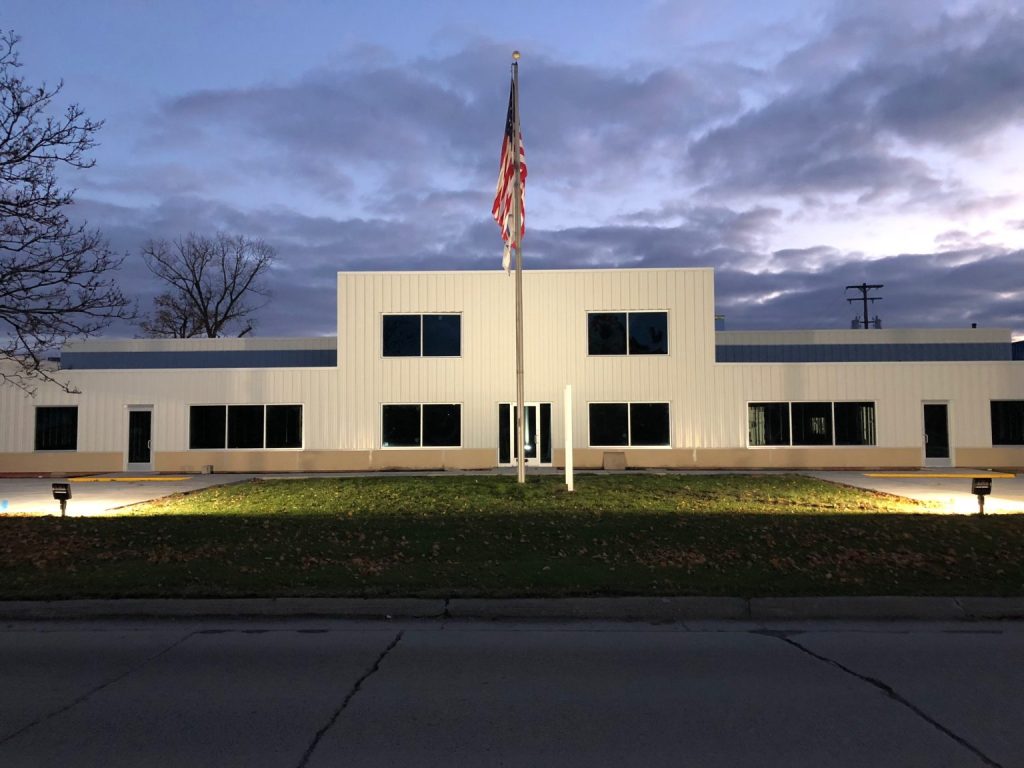
Commercial Electrician Bloomfield Twp, MI
When a business has an electrical concern, the right next step depends on more than restoring power. A lighting upgrade, new piece of equipment, tenant build-out, recurring breaker issue, or planned expansion can affect safety, operations, energy use, and the ability to keep staff and customers comfortable. Businesses searching for a Commercial Electrician in Bloomfield Twp, MI, need a provider that can help them think through the scope of work before the project becomes a larger disruption.
Executive Electric is located at 20504 Hall Rd, Clinton Township, MI 48038. For organizations in Bloomfield Twp and elsewhere in Michigan that are evaluating commercial electrical work, Executive Electric offers a clear point of contact to discuss the project, the conditions at the site, and the information needed to plan responsibly.
Commercial electrical work should support the way your business operates
Commercial electrical service addresses the systems that power, light, protect, and connect a business space. Unlike a simple household electrical task, a commercial project may involve higher electrical loads, multiple circuits, specialized equipment, occupied work areas, and coordination with construction or facility schedules. The practical goal is to make sure electrical work fits the operational needs of the property.
A commercial electrician may be needed for a single repair, a targeted improvement, or a larger renovation. The scope can vary significantly based on the building’s existing electrical infrastructure, the equipment being added, access to panels and wiring, and whether the work must be sequenced around daily activity. Explaining the business use of the space is often just as important as describing the immediate symptom.
Situations that often call for a commercial electrical contractor
Electrical needs are not always emergencies. In many cases, early planning gives a business more options and reduces the chance that electrical work will interfere with a move, opening date, equipment installation, or routine operations. A commercial electrical contractor can be especially relevant when a change in the space also changes its power or lighting requirements.
- Lights flicker, dim, fail repeatedly, or no longer provide adequate visibility for the work being performed.
- Breakers trip during normal operations, particularly after adding equipment or changing how a space is used.
- A tenant improvement, remodel, office reconfiguration, or expansion requires new outlets, circuits, lighting, or controls.
- New machinery, kitchen equipment, technology, HVAC-related equipment, or charging equipment needs dedicated electrical capacity.
- An owner or facility manager wants to evaluate more efficient lighting or update aging electrical components.
- A property needs electrical work coordinated with other trades during a renovation or build-out.
Frequent breaker trips, warm electrical components, unusual odors, damaged devices, or a loss of power to a critical area deserve prompt professional attention. Business owners should avoid treating recurring electrical symptoms as a minor inconvenience, because repeated interruptions can signal that the current setup is not meeting the demands placed on it.
Start with the business problem, not just the visible electrical symptom
A productive commercial electrical conversation begins with what is happening at the property, when it occurs, and what changed before the issue appeared. For example, a breaker that trips only when several devices run at once presents a different planning question than a lighting system being replaced during a renovation. Sharing that context helps define whether the work is likely to be diagnostic, repair-focused, installation-focused, or part of a broader project.
Information that helps define the scope
Before contacting an electrical provider, gather the details that are easy to verify without opening equipment or handling wiring. A concise description can help the initial discussion focus on the right priorities, including operational timing and access needs. Photos or records may be useful when available, but the most important information is usually the business impact and the observed conditions.
- Describe the issue or planned change, including which area of the facility is affected.
- Note when the issue started, how often it occurs, and whether it is tied to specific equipment or times of day.
- Identify any recent changes, such as added equipment, a layout change, renovation work, or a new tenant use.
- Explain operational constraints, including occupied areas, hours when access may be easier, and systems that cannot be interrupted.
- Prepare questions about the intended result, possible phases of work, and items that may affect the final scope.
This preparation does not replace an onsite assessment when one is needed. It does help a business present a complete picture and avoid assuming that the visible problem is the only factor. Existing capacity, circuit arrangement, equipment requirements, and the condition of older components can all affect the appropriate path forward.
What to consider when choosing a commercial electrical provider
Choosing a provider for commercial electrical work is partly a technical decision and partly a planning decision. The best fit for a project is a company that can engage with the real scope, communicate about the information required, and recognize that commercial spaces have operational constraints. A business should look beyond a one-line description of the issue and ask how the proposed work relates to the facility’s present use and future plans.
Executive Electric can be a relevant resource when a Bloomfield Twp, MI business wants to discuss commercial electrical needs with a company based in Clinton Township, Michigan. The commercial electrician services from Executive Electric provide a useful starting point for organizations considering repairs, improvements, installations, or project planning.
Questions worth asking before work is scheduled
Clear questions can make a commercial project easier to evaluate. They also help distinguish a narrow repair from a change that may need broader planning. A provider should have enough project information to discuss the work in terms that are meaningful to the facility owner, manager, or tenant.
- What conditions at the site could affect the scope of work?
- Will the intended equipment or layout change require additional electrical capacity or dedicated circuits?
- What access to electrical panels, ceilings, work areas, or equipment will be needed?
- How can work be planned around employees, customers, tenants, inventory, or business hours?
- Are there related lighting, controls, distribution, or equipment-connection needs worth considering at the same time?
- What information should the business provide before the next step is determined?
Price matters, but it should be considered alongside scope clarity. A quote or estimate is most useful when everyone understands what condition is being addressed, what equipment or areas are included, and what variables may require further evaluation. Comparing incomplete scopes can create confusion because two proposals may appear similar while covering different work.
Repairs, upgrades, and build-outs are different decisions
Not every electrical concern requires the same level of investment or planning. A repair is generally focused on restoring or correcting an identified issue. An upgrade is intended to improve capability, efficiency, reliability, or usability. A build-out or renovation project may involve electrical planning for an entire space, often alongside other construction decisions.
For example, replacing a failed device and adding power for new equipment are not interchangeable tasks. The first may be a contained correction, while the second may require consideration of load, circuits, distribution, equipment specifications, and the future use of the area. Understanding this difference helps a business avoid requesting a quick fix for a need that is actually part of a larger facility change.
Lighting decisions also involve tradeoffs. Better illumination can support visibility and the use of a space, while controls can change how lighting is managed across different areas or schedules. The right approach depends on the function of the environment, current conditions, maintenance concerns, and the goals of the owner or manager. A thoughtful electrical contractor can help frame those questions before a business commits to a specific solution.
Plan for continuity while addressing electrical needs
Commercial properties are active environments. Offices, retail spaces, restaurants, warehouses, professional facilities, and multi-tenant buildings may all have different access, safety, scheduling, and interruption concerns. Raising those constraints at the beginning helps shape a more practical conversation about the work.
Businesses in Michigan may also be balancing an immediate issue with a future lease event, remodel, equipment purchase, or occupancy change. Combining related electrical needs into one planning discussion can make it easier to see dependencies between projects. It does not mean every item should be completed at once, but it can help a decision-maker prioritize urgent corrections and identify improvements that should be considered before walls, ceilings, or work areas are altered.
Talk with Executive Electric about your commercial project
Whether the need is a recurring electrical concern, a lighting change, new equipment connection, or early planning for a business space, a focused conversation can clarify the next step. Executive Electric is based at 20504 Hall Rd, Clinton Township, MI 48038, and is available as a point of contact for businesses considering commercial electrical work in the Bloomfield Twp area.
Bring the problem, project goal, and operational constraints to the conversation. That information makes it easier to discuss the appropriate scope rather than relying on assumptions about the condition of the system. Contact Executive Electric to discuss your commercial electrical needs and project details.
Frequently asked questions about commercial electrical service
When should a business contact a commercial electrician?
A business should contact a commercial electrician when it has recurring electrical issues, is adding equipment, changing a space, planning a renovation, or needs to evaluate lighting or power needs. Prompt contact is particularly appropriate when breakers trip repeatedly, electrical components appear damaged, or a problem affects safe operation.
What is the difference between commercial and residential electrical work?
Commercial electrical work is performed for business, institutional, or other non-residential spaces and often involves different loads, equipment, layouts, operating schedules, and coordination needs. A commercial project may require planning around occupied areas, multiple circuits, specialized equipment, tenant requirements, or a broader construction schedule.
Does Executive Electric have an office in Bloomfield Twp, MI?
Executive Electric is located at 20504 Hall Rd, Clinton Township, MI 48038. This page is intended for businesses seeking information about commercial electrical needs in or around Bloomfield Twp, MI; it does not state that Executive Electric has a physical office in Bloomfield Twp.
What should I prepare before discussing a commercial electrical project?
Prepare a description of the issue or goal, the areas affected, recent changes to the space or equipment, and any scheduling or access limitations. It is also useful to note whether the need is urgent, whether operations can be interrupted, and what result the business wants from the project.