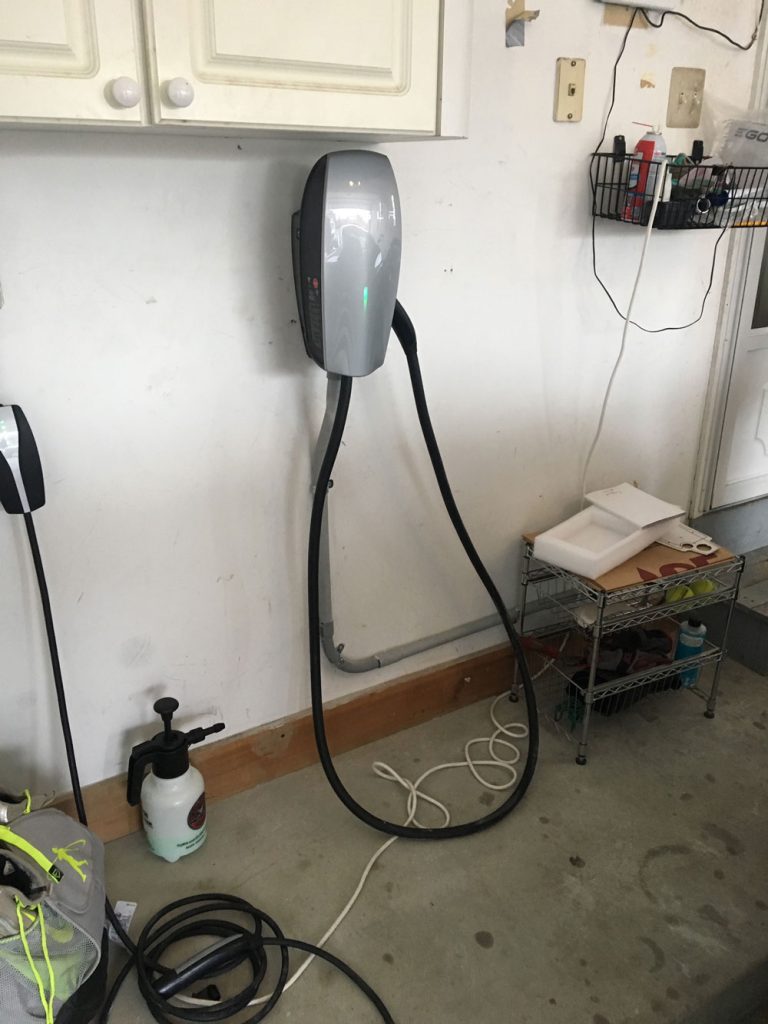
Home EV charger installation Bloomfield Township, MI
Reliable at-home charging starts with an electrical setup sized for the vehicle, the charger, and the home. For homeowners considering Home EV charger installation in Bloomfield Township, MI, Executive Electric can be contacted to discuss the charging equipment, parking arrangement, and electrical work involved before making a decision.
Executive Electric is located at 20504 Hall Rd, Clinton Township, MI 48038. That address is in Clinton Township, not Bloomfield Township, so a conversation with the company is the practical way to confirm service availability, scheduling, and the right next steps for a Michigan home.
A dedicated EV charging setup can reduce dependence on public chargers and make daily driving simpler. The most suitable design depends on how far the vehicle is driven, how long it is parked overnight, the vehicle’s charging capability, the electrical panel, and whether the charging location is inside a garage or outdoors.
Make charging fit the way your household uses its EV
Home charging is most valuable when it matches the vehicle’s routine rather than simply choosing the highest-rated charger available. A properly planned installation gives the vehicle a predictable place to recharge while parked, helping owners begin the day with useful range without adding a stop to the schedule.
- Daily commuters who want overnight replenishment at home
- Households adding a first EV and evaluating their electrical capacity
- Families with more than one plug-in vehicle or changing driving needs
- Owners who want a clean, dedicated charging point near their parking space
- Drivers replacing frequent public charging with a more convenient home routine
Charging speed is only one part of the decision. The distance from the electrical panel to the proposed charger location, the route for wiring, available panel capacity, local permitting requirements, and the condition of existing equipment can all affect the scope of work. Reviewing these details early helps prevent an outlet or wall-mounted unit from being selected before the electrical plan is clear.
A dedicated circuit supports consistent home charging
A charging circuit is generally planned around the equipment’s electrical requirements and the home’s existing service. EV charging can represent a sustained electrical load, which is why a professional assessment matters more than assuming a nearby receptacle or extension cord is suitable. A dedicated circuit, correctly sized wiring, appropriate overcurrent protection, and equipment installed according to applicable requirements support a safer, more dependable setup.
Parking patterns also matter. A charger on the wrong wall can mean a cable crosses a walkway, barely reaches the charge port, or cannot serve a future vehicle parked in a different position. Thinking through cable reach, mounting height, weather exposure, garage use, and future parking changes can create a more practical result from day one.
Residential EV charger installation begins with the home’s electrical picture
Residential EV charger installation is more than mounting a charging unit near a vehicle. It involves evaluating the electrical service and panel, identifying a workable circuit path, and matching the installation to the homeowner’s charging habits. This approach is useful whether the goal is an immediate EV purchase or preparing a Michigan property for a future plug-in vehicle.
Homeowners should also decide whether they prefer equipment with connected features, such as scheduling or usage visibility, or a straightforward unit with fewer controls. The vehicle and charger do not have to be from the same manufacturer in every situation, but connector compatibility and charging capability should be verified before equipment is purchased. Executive Electric can be a useful point of contact when you want to discuss the electrical side before committing to a particular charger.
Choosing between charging equipment, outlets, and installation approaches
The right charging approach is the one that safely meets your normal driving needs and works with your home’s electrical capacity. For many EV owners, a professionally installed 240-volt circuit provides a substantial improvement over charging from a standard household receptacle, but the exact equipment and circuit design should be based on the vehicle and site conditions.
What a Home charging station can add to daily convenience
A Home charging station gives an EV a designated place to charge where it is normally parked. A hardwired station may offer a tidy, permanent arrangement, while some owners prefer compatible plug-in equipment connected to a properly installed receptacle. The better option depends on the equipment, desired flexibility, cable management, and the electrical design for the property.
Hardwired and receptacle-based options are not interchangeable shortcuts. A hardwired unit eliminates a plug-and-receptacle connection, while a receptacle can allow certain compatible equipment to be changed later. In either case, the circuit, electrical box, wiring method, and protective devices need to be selected for the actual installation rather than treated as an afterthought.
Level 2 EV charger installation for faster overnight replenishment
Level 2 EV charger installation commonly uses 240-volt household power and can provide more charging capability than a basic Level 1 arrangement. The real charging result varies by vehicle, charger settings, circuit rating, battery condition, and other factors, so it is better to plan around the time available at home than promise a universal number of miles per hour.
Level 2 charging is often a practical fit for drivers who regularly use more range than a standard outlet can replace overnight. It can also be helpful for a household whose vehicle is parked at home for limited windows between trips. A larger charger is not automatically better, however, if the vehicle cannot accept the additional power or the household does not need it.
240V EV charger installation requires capacity planning
240V EV charger installation requires a dedicated electrical plan, not simply access to a 240-volt source. The electrical panel must have appropriate capacity for the added load, and the circuit components must align with the charger configuration and applicable electrical requirements. In some homes, this review may identify a need to consider panel space, load management, or other electrical improvements before charging equipment is installed.
This is an important decision point for older homes, recently remodeled homes, and households with several high-demand electric appliances. A professional review can separate a straightforward circuit installation from a project that needs additional planning. It also helps homeowners compare the cost and benefit of installing for today’s vehicle versus allowing room for a future EV.
Tesla charger installation and connector compatibility
Tesla charger installation should account for the specific Tesla charging equipment, its electrical rating, the vehicle’s connector needs, and the selected mounting location. Tesla owners may choose manufacturer-specific wall equipment or use other compatible charging solutions, depending on their preferences and the setup being planned. Confirming the equipment details before electrical work begins helps avoid mismatched assumptions about plugs, adapters, and circuit requirements.
Connector choices are evolving across the EV market, so future flexibility may be worth discussing when more than one vehicle is in the household. The electrical infrastructure can often be planned around the required load even when the charging device itself may change later. Careful placement can also make access easier for the vehicle currently in use without unnecessarily limiting future options.
EV charging outlet installation can support compatible plug-in equipment
EV charging outlet installation can be appropriate when the selected charging equipment is designed for a receptacle connection. The outlet type, circuit rating, wiring, enclosure, and location must be appropriate for the equipment and installation environment. A charging outlet should not be confused with an ordinary convenience outlet or used with improvised adapters and extension cords.
For some homeowners, a receptacle-based arrangement offers equipment flexibility. For others, a permanently connected charger offers a cleaner cable setup and fewer components at the parking location. Discuss the equipment you intend to use, along with whether the garage, driveway, or carport is exposed to weather, so the installation approach can be evaluated realistically.
What to expect when planning an EV charging project
A well-planned home EV charging project moves from information gathering to equipment decisions and then to installation details. Sharing accurate information at the start makes the conversation more productive and gives Executive Electric a clearer picture of what may be required at the property.
- Identify the vehicle and charging goal. Note the make, model, charging equipment under consideration, normal daily mileage, and the hours the vehicle is parked at home.
- Review the proposed location. Consider the parking position, charge-port side, cable reach, electrical-panel location, wall construction, and indoor or outdoor exposure.
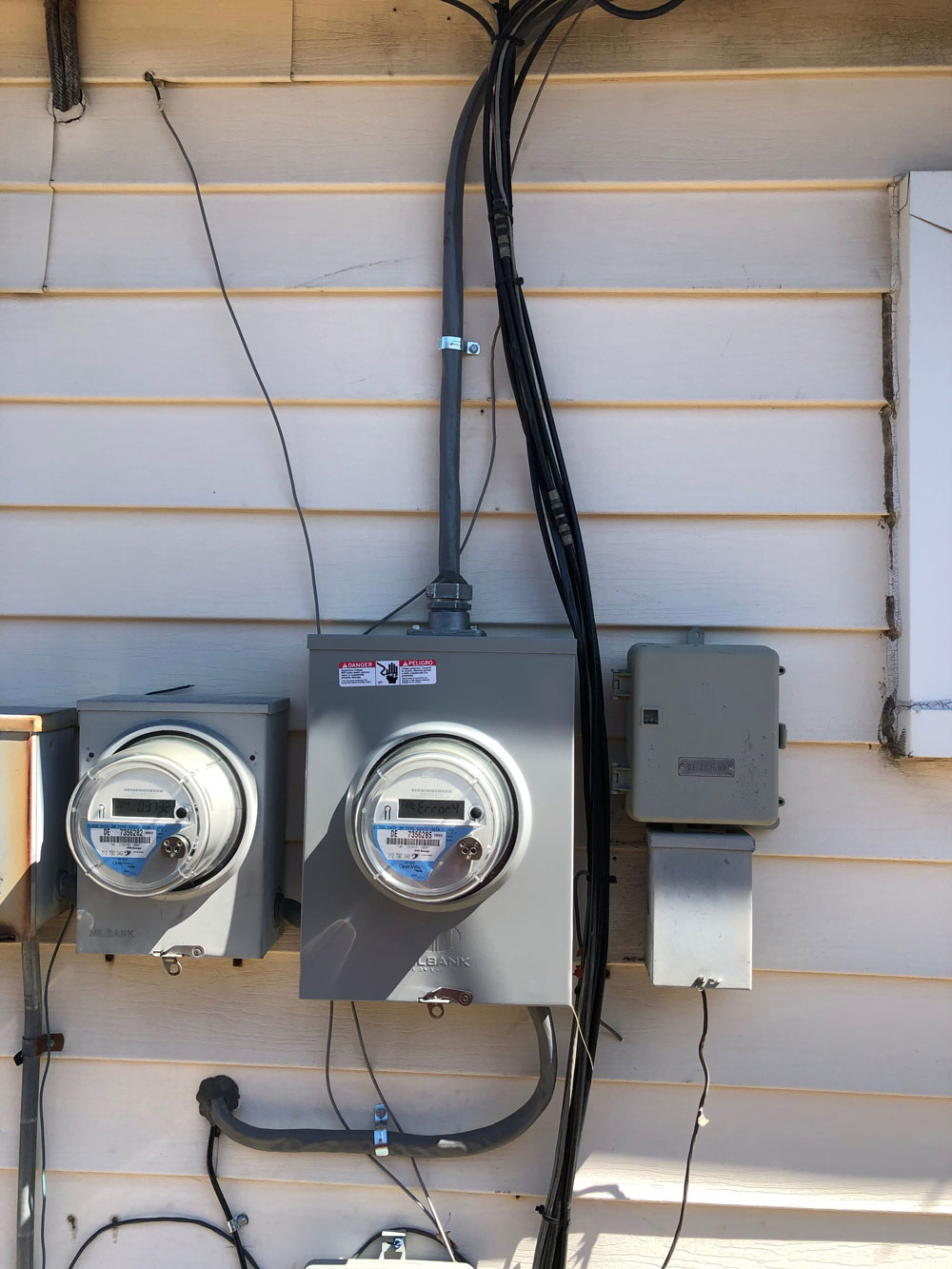
- Assess the electrical system. Panel capacity, open spaces, service characteristics, circuit routing, and existing loads influence the available options.
- Confirm the installation plan. The project may involve a hardwired charger, a receptacle for compatible equipment, protective devices, and any required permit or inspection process.
- Use the system as intended. After installation, follow the vehicle and equipment manufacturers’ instructions, keep cables in good condition, and avoid makeshift charging connections.
Before contacting an electrician, it helps to collect photographs of the electrical panel, the proposed parking area, and the likely wiring route when practical. Have the charger model or product specifications available if you have already selected one. If you have not selected equipment, explain the vehicle type and charging routine so the electrical discussion can come first.
Provider selection should focus on clear communication about the existing electrical system and the project scope. Ask what information is needed for an assessment, whether permits or inspections may apply, how equipment choices affect the design, and what preparation is helpful before work begins. A clear conversation is especially valuable when panel capacity, outdoor mounting, long wire runs, or future EV plans may influence the project.
Talk with Executive Electric about your home charging plan
Executive Electric offers a direct way to begin evaluating home charging needs for Bloomfield Township, MI homeowners. The company’s listed location is 20504 Hall Rd, Clinton Township, MI 48038, and prospective customers can use the contact process to discuss their vehicle, proposed charger location, and electrical questions without assuming that every home requires the same solution.
Ready to move from public-charger planning to a more convenient at-home routine? Contact Executive Electric to discuss Home EV charger installation, equipment compatibility, and the electrical considerations for your property. Start the conversation through the Executive Electric contact page and ask about next steps for your Michigan home.
Frequently asked questions about home EV charging
Do I need a Level 2 charger at home?
Not every driver needs one. A Level 2 charger is often useful when a household wants to replace more driving range during overnight parking than a standard outlet can provide. The right choice depends on daily mileage, available charging time, the vehicle’s capability, and the home’s electrical capacity.
Can an existing dryer or range outlet be used for EV charging?
Existing 240-volt outlets should not be assumed suitable for EV charging. Circuit rating, wiring condition, outlet type, load use, location, and charger requirements all need to be considered. A dedicated circuit is often the clearer approach because it is designed around the charging equipment rather than shared with another appliance.
What information should I have ready before requesting an installation discussion?
Bring the EV make and model, charger make and model if selected, expected daily driving, desired parking location, and any photos of the electrical panel and charging area. Those details help identify likely circuit-routing questions, equipment compatibility issues, and whether the electrical system may need a closer review.
Is Executive Electric located in Bloomfield Township, MI?
Executive Electric’s supplied location is 20504 Hall Rd, Clinton Township, MI 48038. Homeowners seeking service in Bloomfield Township should contact Executive Electric directly to confirm availability and discuss their specific home EV charging project.