Generator wiring services Bloomfield Township, MI
Safe backup power starts with the connection between a generator and the electrical system it is meant to support. For homeowners and property managers seeking Generator wiring services Bloomfield Township, MI, Executive Electric provides a practical point of contact for planning a properly matched generator connection, transfer equipment, circuits, and installation scope. Executive Electric is located at 20504 Hall Rd, Clinton Township, MI 48038, and serves customers evaluating electrical work in Bloomfield Township and the surrounding Michigan region.
A generator is not simply an appliance that can be plugged into any outlet when utility power fails. It must be connected in a way that prevents hazardous backfeeding, protects people working on utility lines, and keeps the selected loads separated and controlled. The right approach depends on the generator type, the electrical capacity needed, the circuits that matter most, and the condition and layout of the existing panel.
Executive Electric can help turn a general backup-power goal into a clearer electrical plan. Whether the priority is refrigeration, lighting, a sump pump, communications equipment, heating controls, or a broader set of essential circuits, a thoughtful generator connection helps a property owner understand what will operate and how it will be powered. Contacting an electrician before purchasing equipment can also prevent a mismatch between the generator, inlet, panel, and transfer method.
What generator wiring is designed to do
Generator wiring creates a controlled path for temporary or standby power to reach selected parts of a building’s electrical system. Instead of running extension cords through doors or relying on improvised connections, a planned installation can use appropriate generator inlet equipment and a transfer solution to direct power where it is intended. The result is a more organized, safer way to prepare for an outage.
At its core, generator electrical work is about isolation and load management. A transfer switch or suitable interlock arrangement is used to prevent utility power and generator power from feeding the system at the same time. That separation is essential because backfeeding can endanger occupants, damage equipment, and create serious hazards for utility personnel.
Essential-load backup versus whole-home planning
Many properties are best served by an essential-load design rather than an attempt to power every circuit. Essential circuits often include refrigeration, select lights and receptacles, internet equipment, a garage door opener, a sump pump, or heating-system controls, depending on the property and the generator’s available output. Limiting the backed-up loads makes it easier to operate within the generator’s capacity and can simplify the overall plan.
A broader backup arrangement may be appropriate when a property has a larger permanently installed generator and the electrical capacity to support more loads. Whole-home goals require careful consideration of high-demand equipment such as air conditioning, electric ranges, dryers, water heaters, well pumps, and electric vehicle charging. The practical question is not only what a homeowner wants to run, but what can run simultaneously without overloading the generator.
Manual transfer equipment and automatic operation
Manual and automatic transfer options serve different needs. A manual setup generally requires the occupant to start a portable generator, connect it at the inlet, and move the electrical system to generator power following the intended procedure. An automatic transfer switch is commonly associated with compatible standby systems that can start and transfer power when an outage occurs.
Neither option is automatically right for every Bloomfield Township property. Manual equipment can fit an owner who is present, comfortable following operating steps, and focused on a limited group of circuits. Automatic operation may suit a property where uninterrupted response is more important, but it involves coordinating the generator, transfer equipment, fuel source, load expectations, and installation requirements.
A sensible process for generator connection work
Generator wiring services should begin with the property and the intended use, not with a one-size-fits-all wiring diagram. Executive Electric can discuss the existing electrical system, the type of generator under consideration, and the circuits a customer expects to use during an outage. That discussion helps identify the equipment and work that may be needed before installation decisions are made.
- Identify critical loads. Make a realistic list of the appliances, systems, and receptacles that need power during an outage.
- Review generator capability. Compare the generator’s running and starting capacity with the planned loads, including motors that draw more power at startup.
- Evaluate the electrical panel. The panel configuration, available space, circuit layout, and existing condition influence the connection strategy.
- Choose a transfer method. Determine whether a manual transfer switch, panel interlock where appropriate, or automatic transfer equipment aligns with the generator and the property’s needs.
- Plan the installation and operation. Establish where the generator will connect, how cables will be used, and how the owner will safely operate and test the system.
During the work, the goal is a connection that is understandable as well as functional. Clearly identified backed-up circuits and a straightforward operating sequence can reduce uncertainty when power is out. After installation, owners should keep the generator instructions available, understand the transfer procedure, and follow the manufacturer’s guidance for testing and maintenance.
Why load calculations and starting watts matter
Generator capacity is often misunderstood because a device’s normal running demand is not always its highest demand. Motors in refrigerators, freezers, sump pumps, and certain HVAC components can require additional starting power. Planning only around running watts can lead to nuisance tripping, poor performance, or an overloaded generator when several items start at once.
Load planning also involves choices. A customer may decide that keeping a basement dry and food cold matters more than operating every convenience load, or may arrange to use major appliances one at a time. An electrician can help translate those priorities into a circuit plan that respects the limits of the generator and the electrical system.
Portable generators need a dedicated, safe connection plan
Portable generator wiring is a useful option for owners who want outage preparedness without committing to a permanently installed standby unit. A proper portable-generator setup commonly involves an outdoor power inlet and approved transfer equipment that allows selected circuits to receive generator power while utility power is isolated. It is not the same as using a household receptacle or connecting a generator to a panel with an improvised cord.
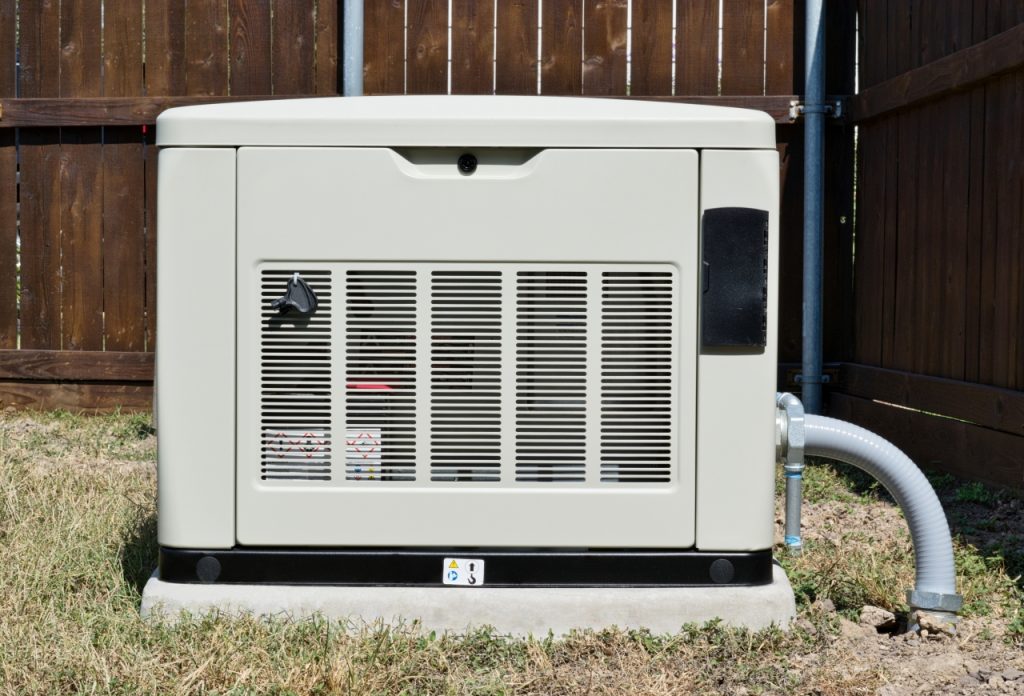
Portable units offer flexibility, but they also require owner participation. The generator must be operated outdoors in a location consistent with its manufacturer instructions, protected from unsafe conditions, fueled safely, and connected with a properly rated cord. A portable system is often a good fit when an owner can be on site to start and monitor the equipment, while a permanently installed standby generator may better fit an automatic-response goal.
- Portable generator setup: Usually requires manual startup, connection, fuel management, and load selection during an outage.
- Standby generator setup: Is typically fixed in place and may be paired with automatic transfer equipment for a more hands-off response.
- Extension-cord use: Can power individual appliances directly but does not provide a panel-connected solution for selected circuits.
- Panel-connected backup: Can make priority circuits easier to use, provided the generator, inlet, transfer equipment, and load plan are properly matched.
For either type of generator, carbon monoxide safety remains a critical operating consideration. A generator should never run indoors, in a garage, or in enclosed or partly enclosed spaces, even if doors or windows are open. Electrical connection work improves power delivery and isolation, but safe placement, ventilation, refueling, and manufacturer operating instructions remain the owner’s responsibility.
Questions to consider before selecting a provider
The most useful generator project conversations are specific. Rather than asking only for “generator hookup,” explain whether the generator is already purchased, which loads are important, whether the property has experienced outages, and whether the goal is temporary portable backup or automatic standby power. Those details allow the electrical scope to be considered more accurately.
Property owners in Michigan should also consider how the system will be used in real weather and real outage conditions. A setup that is difficult to access, confusing to transfer, or too small for the intended loads can be frustrating precisely when backup power is needed. Good planning prioritizes an accessible connection point, clear circuit identification, and a manageable operating routine.
Details worth discussing before work begins
Before choosing a wiring approach, it helps to gather the generator model information, its electrical output, and the list of circuits or equipment the owner wants to support. Customers should also note whether they expect to use 120-volt loads only or have equipment that requires 240 volts. These details influence inlet configuration, cable requirements, transfer equipment, and the overall design.
It is equally important to ask how the electrical system will prevent backfeed, which circuits will receive generator power, and what operating steps the owner must perform during an outage. Asking these questions does not require electrical expertise. It simply helps ensure that the proposed work addresses safety, practical use, and the actual limits of the equipment.
When you need Generator wiring services, Executive Electric offers a direct way to start the conversation about your property’s backup-power objectives. The Clinton Township location at 20504 Hall Rd, Clinton Township, MI 48038 gives Bloomfield Township customers a named Michigan electrical contact rather than an unclear generic listing. Share the generator type, panel concerns, and priority loads so the discussion can focus on the connection solution that makes sense for your situation.
Prepare for the next outage with a clear electrical plan
Backup power is most useful when the connection method is decided before an emergency. A well-considered generator circuit installation can reduce cord clutter, protect selected loads, and give the owner a defined procedure for switching to generator power. It also makes the limits of the system clear, which is important for avoiding overloads and unsafe workarounds.
Executive Electric serves people looking for generator electrical connection help in Bloomfield Township, MI from its location at 20504 Hall Rd, Clinton Township, MI 48038. If you are comparing portable and standby options, planning an inlet and transfer switch, or trying to determine which circuits should be backed up, the next step is to discuss the property and equipment details. Contact Executive Electric to begin a conversation about a safer, more usable backup-power connection.
Common generator wiring questions
What is included in generator wiring services?
Generator wiring services generally involve planning a safe connection between a generator and selected building circuits. The work may include evaluating the electrical panel, selecting transfer equipment, installing an inlet connection, identifying backed-up circuits, and explaining the intended operating process. Exact scope depends on the generator type, capacity, existing electrical system, and backup-power goals.
Can I connect a portable generator directly to my electrical panel?
No. A portable generator should not be connected directly to a panel without properly designed transfer equipment that isolates utility power. Direct or improvised connections can backfeed utility lines and create serious shock and fire hazards. A dedicated inlet and approved transfer method provide a controlled path to selected circuits.
How do I decide which circuits should receive generator power?
Start with safety and daily necessities: refrigeration, essential lighting, sump pumps, communication devices, heating controls, and necessary medical or work equipment where applicable. Then compare those loads with the generator’s running and starting capacity. High-demand appliances may need to remain off or be used one at a time.
Is Executive Electric located in Bloomfield Township, Michigan?
Executive Electric’s provided location is 20504 Hall Rd, Clinton Township, MI 48038. The company is not presented as having an office in Bloomfield Township. Bloomfield Township customers can contact Executive Electric to discuss generator wiring needs and determine the appropriate next steps for their property.