EV Charger Electrical Panel Upgrade Bloomfield Township, MI
An EV charger should make daily driving simpler, not create uncertainty about your home’s electrical capacity. For homeowners seeking an EV Charger Electrical Panel Upgrade in Bloomfield Township, MI, the central question is whether the existing service and panel can safely support charging alongside the appliances and systems already in use. Executive Electric is located at 20504 Hall Rd, Clinton Township, MI 48038, and provides a clear starting point for discussing the electrical work your charging plan may require.
Level 2 home charging is a common reason to evaluate a panel because it is a substantial continuous electrical load. A professional assessment helps identify whether a dedicated circuit is enough, whether load management may be considered, or whether the home needs more service capacity. The right approach depends on the actual electrical system, the charger’s specifications, and household demand, not on a one-size-fits-all recommendation.
Why an EV charger can change the panel conversation
A panel upgrade is not automatically required for every electric vehicle charger installation. However, a higher-capacity charger, an older electrical service, limited breaker space, or significant existing demand can make an upgrade the practical path to a safer, more usable charging setup. The goal is to add charging capacity without overlooking how the rest of the home uses electricity.
Electric vehicle supply equipment, commonly called EVSE, is generally installed on a dedicated circuit. Because vehicle charging can continue for hours, the circuit, overcurrent protection, conductor sizing, panel capacity, and service load calculation all matter. An electrical panel assessment looks at the system as a whole rather than simply finding an empty breaker position.
Situations that deserve a capacity review
Homes vary widely in their electrical demands. A home that appears to have open spaces in the panel may still need a formal load calculation, while another home may have enough available capacity for a properly sized charger circuit. Reviewing the current setup before purchasing or installing equipment helps prevent costly changes after the fact.
- You are planning a Level 2 charger rather than relying on a standard 120-volt outlet.
- The main panel is full, crowded, damaged, outdated, or lacks room for the required dedicated breaker.
- Your household already uses major electric loads, such as electric cooking, laundry equipment, air conditioning, electric heat, a hot tub, or a workshop.
- You are adding other electrical improvements at the same time, such as an induction range, heat pump, generator connection, or solar-related equipment.
- You want to prepare the property for a second EV or a future charger with greater output.
These signs do not prove that an electrical service upgrade is necessary. They do show why a qualified evaluation is valuable. The assessment can distinguish between limited panel space, limited service capacity, a circuit-routing challenge, and a charging choice that could be adjusted to suit the home.
Panel space and service capacity are different issues
Panel space refers to physical room for additional breakers. Service capacity refers to how much electrical load the incoming service and distribution equipment can support under an appropriate calculation. A panel can have unused breaker positions but insufficient calculated capacity, or it can have adequate capacity but no practical space for another breaker.
This distinction is important when comparing options. In some cases, the needed work may focus on reorganizing or replacing distribution equipment; in others, the project may require a larger service, meter-related coordination, or upgrades to equipment upstream of the panel. Executive Electric can discuss the scope that follows from an on-site evaluation rather than treating every EV project as the same.
What an EV Charger Electrical Panel Upgrade involves
An EV Charger Electrical Panel Upgrade is the process of assessing and, when needed, improving electrical distribution or service equipment so a home can accommodate EV charging appropriately. It may involve a new or upgraded panel, added circuit capacity, a dedicated charging circuit, or related work dictated by the existing installation. The exact design should match the charger, the building’s electrical demand, and applicable requirements.
For homeowners comparing options, EV Charger Electrical Panel Upgrade planning should begin before the charger location and amperage are treated as final. A charger’s maximum output, the desired charging window, the garage or driveway route, and the home’s load profile all affect the design. Early planning can make the installation more coherent and reduce the chance of selecting equipment that is poorly matched to available capacity.
A practical evaluation and installation sequence
The work usually starts with information gathering, not a predetermined upgrade. The electrical professional needs to understand the service equipment, existing major loads, the planned EVSE, and the proposed charging location. That information supports a solution that balances charging needs with the realities of the property.
- Review the charging goal. Identify the vehicle, charger type, target charging rate, and whether one or more vehicles may need charging.
- Inspect the electrical system. Examine the panel, service equipment, breaker availability, visible condition, and likely circuit route.
- Calculate and compare loads. Consider existing electrical demand along with the continuous EV charging load and planned future additions.
- Define the appropriate scope. Determine whether a dedicated circuit, panel work, service upgrade, or another compliant approach is appropriate.
- Complete the installation and verification. Install the selected equipment and confirm the charging circuit and electrical work are ready for intended use.
Permitting and inspection requirements can apply to electrical alterations, and the details depend on the jurisdiction and project scope. A homeowner should ask how permits, utility coordination when applicable, access to the panel, and inspection timing may affect the overall schedule. Those details are especially useful to clarify before scheduling charger delivery or related construction.
Choosing charging capacity without overbuilding
The highest-output charger is not always the best fit for every household. A lower charging rate may meet an overnight charging routine with less demand on the electrical system, while a higher-output circuit can be useful for drivers with larger batteries, frequent travel, multiple EVs, or shorter time at home. The best decision starts with driving habits and available electrical capacity.
It is also helpful to separate charging equipment capability from vehicle capability. The EV, the EVSE, and the installed circuit must work together, and the vehicle may not draw the maximum output a charger can provide. Choosing equipment solely by the largest number on the box can lead to unnecessary expense or an avoidable panel upgrade, while undersizing without considering daily mileage can create inconvenience.
- Dedicated circuit: Often appropriate when the panel and service have sufficient capacity and the charger location can be reached safely.
- Panel upgrade: May address inadequate breaker space, aging equipment, or a need for better distribution capacity.
- Service upgrade: May be considered when a load calculation shows the incoming electrical service cannot support planned demand.
- Managed charging approach: May be worth discussing when household demand and charging needs require careful coordination.
These are not interchangeable solutions. An assessment should explain what problem each option addresses, what future flexibility it creates, and what other planned electrification projects could change the decision. That comparison gives a Bloomfield Township homeowner a more useful basis for choosing than a blanket recommendation.
Planning for the next electrical upgrade
Many homeowners seek charging work while considering broader electrification. Future equipment such as an electric water heater, heat pump, electric range, sauna, workshop tools, or an additional vehicle can change the capacity picture. Mentioning those plans during the initial review helps avoid designing only for today when a modestly broader scope could better support tomorrow.
At the same time, future readiness does not mean paying for capacity that has no reasonable purpose. A thoughtful recommendation weighs anticipated needs, physical panel constraints, charger location, and the home’s present load. Clear scope information lets you decide whether to complete all work at once or phase improvements in a logical order.
How Executive Electric fits into your project
Executive Electric can be a relevant contact when you need to understand the electrical side of home EV charging rather than simply select a charger. The company’s listed location is 20504 Hall Rd, Clinton Township, MI 48038. Bloomfield Township is not presented as an Executive Electric office location, so contacting the company is the straightforward way to discuss your property, desired service, and whether the project is a fit.
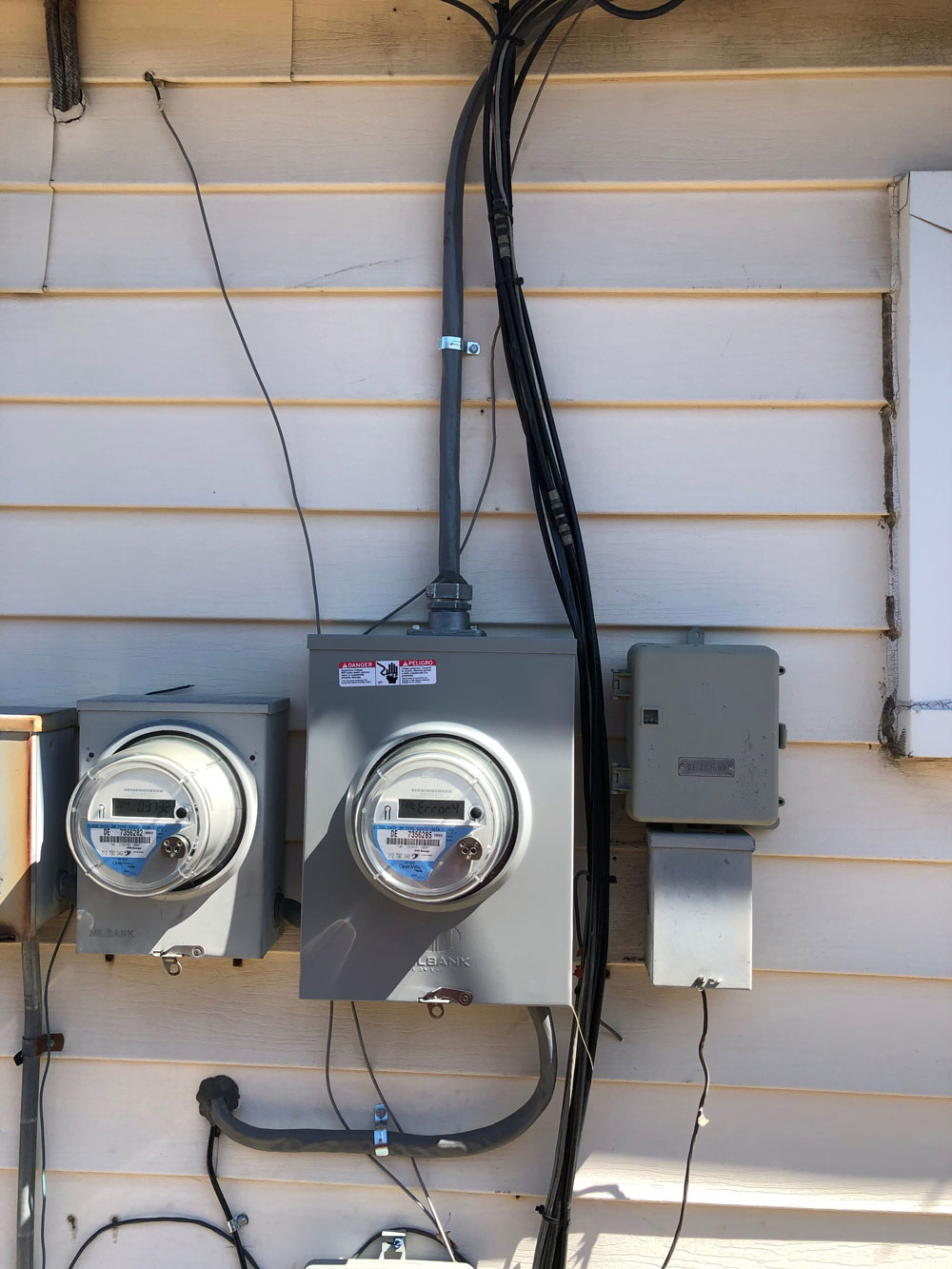
Bring useful details to that conversation: photos of the panel and service equipment if available, the EV make and model, charger specifications, the proposed installation location, and any major electrical upgrades you expect to make. These details can help frame the initial discussion and highlight questions that may need an in-person electrical evaluation. If you are still comparing chargers, describe how far you typically drive and when the vehicle can charge at home.
The supporting concept of EV Charger Panel Upgrade work is not just about replacing a box on the wall. It is about ensuring the distribution equipment and charging circuit are selected with the home’s actual electrical demand in mind. That perspective can help a homeowner make a safer, more informed decision about capacity, convenience, and future expansion.
Common questions about home charging panel work
Do I need a panel upgrade to install a Level 2 EV charger?
You may not. A professional should inspect the panel, calculate existing and planned load, confirm breaker space, and review the charger rating. If the home has adequate capacity and a suitable route for a dedicated circuit, a panel upgrade may not be necessary. If capacity or equipment limitations exist, upgrades can be evaluated.
How do I know whether my electrical service has enough capacity?
Breaker spaces alone do not answer that question. Electrical capacity is evaluated through the service equipment and a load calculation that accounts for existing appliances, heating and cooling equipment, and the planned continuous charging load. An on-site review is the dependable way to identify the appropriate solution for a particular home.
Can I choose a lower-amperage charger instead of upgrading my service?
Sometimes a lower charging rate can align better with the home’s available capacity and still provide adequate overnight charging. Whether that is a sensible alternative depends on driving needs, vehicle capability, existing loads, and the electrical assessment. It should be a deliberate design choice, not an assumption based only on charger price.
What should I ask before scheduling EV charging electrical work in Michigan?
Ask what the assessment will review, whether a load calculation is needed, which charger ratings are compatible with the proposed design, and whether permits or inspections may apply. Also ask about the likely circuit route, panel access, utility coordination if a service change is needed, and how future electrical plans could affect the scope.
Ready to evaluate your charging plan? Contact Executive Electric to discuss an EV Charger Electrical Panel Upgrade for your Bloomfield Township, MI home. Executive Electric is located at 20504 Hall Rd, Clinton Township, MI 48038, and you can share your charger goals, panel information, and project questions to begin determining the right next step.