Commercial EV charger installation Bloomfield Township, MI
Businesses planning Commercial EV charger installation in Bloomfield Township, MI need more than a charging unit mounted on a wall. A dependable project begins with a clear look at how drivers will use the equipment, what the existing electrical system can support, and how the site can remain practical for employees, customers, tenants, or fleet vehicles. Executive Electric is located at 20504 Hall Rd, Clinton Township, MI 48038, and can be contacted to discuss the needs of a commercial charging project.
From office parking areas to retail properties, multifamily buildings, and operational facilities, EV infrastructure can help a property respond to changing driver expectations. The right approach balances charging speed, available capacity, parking layout, accessibility, and plans for future growth. Rather than treating every site the same, a thoughtful electrical plan helps stakeholders understand the scope before equipment is selected or work begins.
Build a charging plan around how your property operates
Commercial charging works best when the equipment matches dwell time and driver demand. A workplace where vehicles remain parked for much of the day may have different needs than a customer-facing site with shorter visits or a fleet that must be ready by morning. Commercial EV charger installation should therefore begin with use patterns, not just a preference for the highest-power charger available.
Start with a site and electrical capacity review
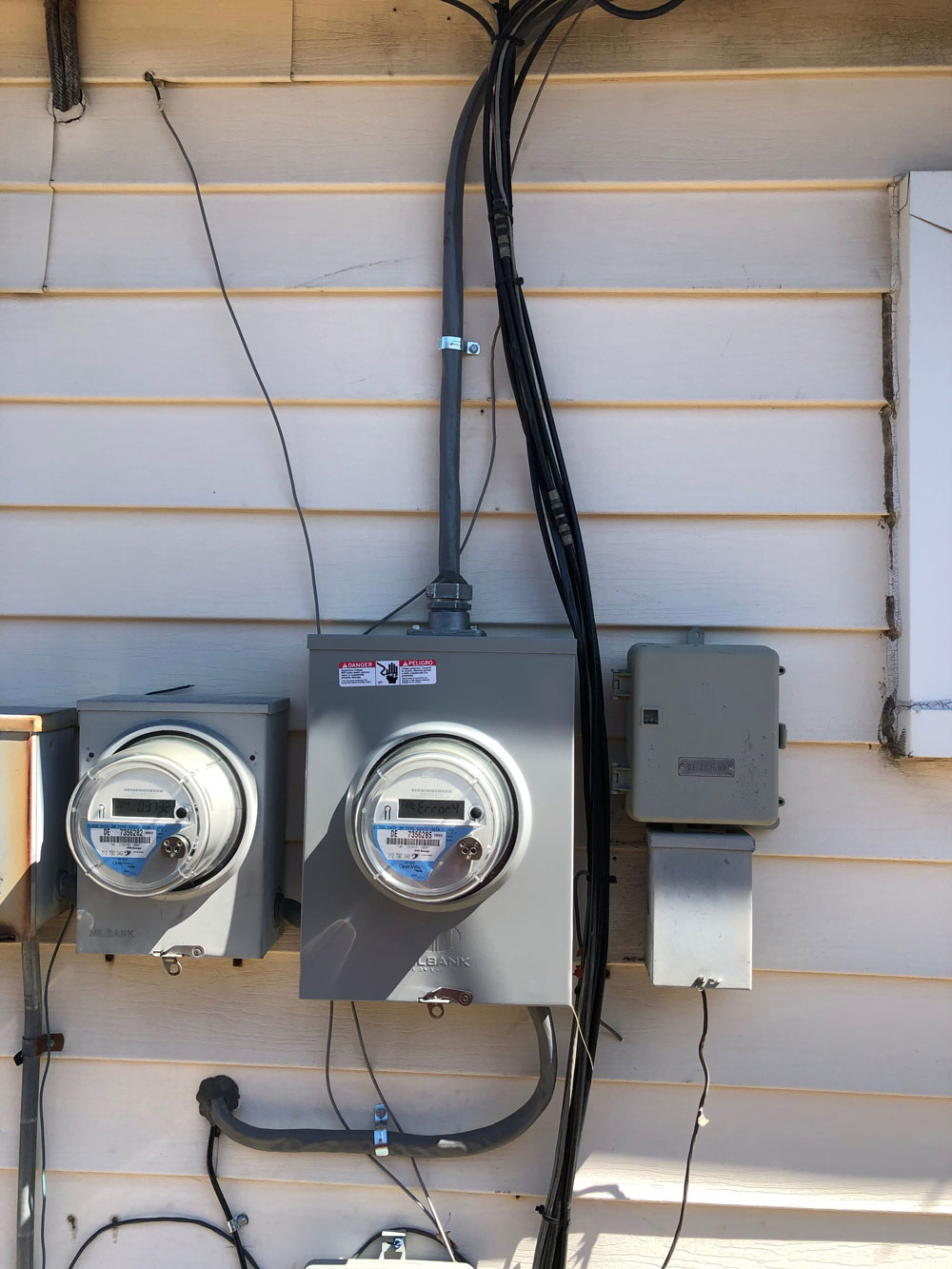
An initial review identifies where chargers could be placed, how power may reach them, and whether the existing service and distribution equipment have enough capacity for the proposed load. It also brings practical details into view, including trenching or surface routing, equipment protection, lighting, parking circulation, and the distance between electrical gear and charging spaces. Addressing these items early helps a business compare realistic options and reduce avoidable scope changes later.
Property owners should also consider whether the first phase is intended to be a complete buildout or a foundation for additional ports. Installing pathways, planning spare capacity where appropriate, and reserving space for future equipment can make expansion more orderly. The best phased approach depends on the building’s electrical conditions, budget, anticipated utilization, and long-term property goals.
- Who will charge: employees, customers, residents, visitors, or company vehicles
- How long vehicles are typically parked and how often spaces may turn over
- Existing electrical service capacity, panel locations, and potential load-management needs
- Parking layout, bollards, cable reach, ADA considerations, and traffic flow
- Whether the installation should accommodate future charging ports
Choose charging levels for the actual use case
Level 2 equipment is commonly considered for locations where vehicles will be parked for hours, while DC fast charging is designed for much quicker charging where the site and electrical infrastructure support it. Faster is not automatically better: higher-power equipment can involve greater electrical demand, more substantial infrastructure work, and a different business case. A clear charging objective helps decision-makers weigh convenience, cost, throughput, and operational impact.
For example, an employer may prioritize reliable daytime charging for staff, while a public-facing property may focus on clear access and turnover. A fleet operator may instead evaluate charging windows, vehicle schedules, and the aggregate demand created when several vehicles charge at once. These differences affect charger type, port count, controls, and the electrical design behind the stations.
Commercial applications that benefit from planned EV infrastructure
EV charging can add practical value to many commercial settings when it is aligned with the people using the site. It can support employee retention goals, customer convenience, tenant amenities, fleet readiness, or a property owner’s effort to keep facilities adaptable. The key is to define a useful outcome and build the installation around that outcome.
Workplace charging for employees and visitors
Workplace EV charger setup gives employers a structured way to provide charging during the workday, when vehicles are often parked long enough for Level 2 service to be useful. Before moving forward, an employer should determine who can use the chargers, whether charging access needs to be managed, and how the chosen parking spaces fit daily operations. A considered setup can help avoid conflicts over spaces, cable placement, and expectations around shared equipment.
Workplace projects should account for employee demand today without assuming every parking space needs a charger immediately. A phased electrical plan can support a smaller initial installation while preserving options as EV adoption changes. Clear parking signage and a simple internal policy can also help the organization use the available chargers fairly and consistently.
Customer-facing and public access charging
A Public EV charger installer should help a property consider visibility, vehicle circulation, user safety, and the type of visit the charging station is intended to support. Public or customer-accessible chargers need locations that drivers can find and use without disrupting entrances, delivery areas, pedestrian routes, or reserved parking. Site owners may also want to evaluate equipment network features and access controls based on who is meant to charge.
For retail, hospitality, and other visitor-oriented properties, the charging experience is part of the customer experience. Spaces should be positioned so cables can reach vehicles safely and equipment is protected from parking impacts. The most suitable arrangement depends on the site layout and the time customers normally spend at the property.
Charging docks and fleet-ready parking areas
EV charging dock installation can be a practical option when a commercial property needs organized, repeatable charging positions for vehicles that return to designated spaces. The term can describe a planned charging point or bank of charging points where cable management, equipment placement, and vehicle access are coordinated. For business vehicles, this arrangement can support a more predictable overnight or between-shift routine.
Fleet and operational sites require especially careful load planning because several vehicles may connect during the same charging window. Scheduling, charging controls, and available electrical capacity all influence whether vehicles can be charged without creating unnecessary peak demand. Discussing vehicle quantities, duty cycles, and readiness deadlines at the outset makes the electrical conversation more useful.
When fast charging is the right commercial investment
DC fast charging can serve locations where drivers need a meaningful charge in a shorter stop, but it is not the default answer for every commercial property. Equipment power, utility coordination, service capacity, and construction scope may be significantly different from a Level 2 project. A business should assess expected utilization and electrical feasibility before committing to a fast-charging strategy.
EV fast charger installation is most relevant when a site has a defined need for faster turnover, such as selected fleet operations or public-access destinations with shorter dwell times. The project may require a detailed review of the electrical service, equipment location, protective measures, and the path from the power source to the charger. Considering these factors together helps an owner decide whether fast charging, Level 2 charging, or a combination better fits the property.
It is also reasonable to choose a staged alternative. Some sites begin with Level 2 stations for longer parking periods while evaluating future demand for DC fast chargers. That approach can create an immediate amenity while allowing the owner to make later decisions based on actual use, electrical limitations, and changing vehicle needs.
What to expect from planning through commissioning
A commercial EV charging project is an electrical and site-planning process, not simply an equipment purchase. Early coordination makes it easier to identify permitting, utility, property-management, and construction considerations that may affect timing or scope. Executive Electric can be contacted to start a conversation about the property, the intended users, and the charging outcome you want to achieve.
- Define the goal. Identify the drivers, vehicle types, daily parking duration, desired number of ports, and whether access is private, shared, or public.
- Review the site. Evaluate electrical capacity, panel and service locations, proposed parking spaces, routing, and physical protection requirements.
- Select a practical approach. Compare Level 2 and fast-charging possibilities, present and future demand, and a phased installation versus full buildout.
- Coordinate the work. Account for permits, equipment specifications, site logistics, utility-related needs where applicable, and work that may affect parking operations.
- Complete and verify the installation. After installation, confirm that equipment, controls, signage, and operating expectations are understood by the people responsible for the property.
Businesses in Michigan should avoid selecting equipment solely on advertised charging speed or appearance. Questions about power requirements, ongoing management, compatibility, installation location, and expansion potential often matter just as much. A provider conversation is most productive when property decision-makers bring basic information about electrical equipment, parking plans, and the desired driver experience.
Questions to ask before selecting a commercial charging approach
Choosing a provider and an equipment path should involve practical questions, especially when the installation affects an active business property. Ask how the proposed electrical work relates to the current service, what assumptions are being made about future growth, and what site work may be needed to reach the selected spaces. It is also useful to clarify responsibilities for equipment procurement, permits, utility coordination when needed, and final operation of the chargers.
- Is Level 2 charging sufficient for the time vehicles will be parked?
- What electrical upgrades or load-management options may be relevant to this site?
- How will chargers be protected from vehicle impacts and placed for safe cable use?
- Can the design support more ports later without redoing the entire parking area?
- What disruptions to parking, access, or normal business activity should be planned for?
For a property in Bloomfield Township, MI, a clear scope is more valuable than a vague promise of a quick installation. Executive Electric’s listed location is 20504 Hall Rd, Clinton Township, MI 48038, rather than Bloomfield Township, so customers can contact the company directly to discuss the location and requirements of their particular Michigan project. Providing photos, a site plan, utility information, or panel details when available can make that first discussion more specific.
Frequently asked questions
What is involved in commercial EV charger installation?
Commercial EV charger installation typically includes assessing electrical capacity, choosing charger locations and charging levels, planning wiring and equipment protection, coordinating required approvals, installing the electrical infrastructure, and verifying operation. The exact scope depends on the property’s service, parking layout, intended users, and whether the project is designed for future expansion.
Should a business choose Level 2 or DC fast charging?
Choose based on parking duration and demand. Level 2 is often suited to vehicles parked for hours, while DC fast charging is intended for shorter stops and higher-power use cases. A site electrical review helps determine what the property can support and whether the added infrastructure aligns with the business objective.
Can a commercial charger installation be expanded later?
Yes, many projects can be planned in phases. Reserving space, considering conduit routes, and evaluating electrical capacity early may make later additions more manageable. The appropriate expansion strategy depends on the existing electrical system, equipment choice, parking configuration, and anticipated growth in EV use.
Does Executive Electric have an office in Bloomfield Township?
Executive Electric’s supplied location is 20504 Hall Rd, Clinton Township, MI 48038. The company does not claim a Bloomfield Township office on this page. Contact Executive Electric to discuss whether the commercial charging needs for your Bloomfield Township property can be evaluated and how to move forward.
Discuss your commercial charging project
Whether you are evaluating employee charging, customer access, dedicated vehicle docks, or a higher-speed charging option, a well-defined plan can protect the property’s operations and support a better driver experience. Executive Electric can help begin the conversation around Commercial EV charger installation needs in Bloomfield Township, MI, including the electrical, site, and future-growth questions that affect the project. Reach out with your property details and charging goals so the next steps can be considered with useful context.
Contact Executive Electric to discuss your commercial EV charging project. Executive Electric is located at 20504 Hall Rd, Clinton Township, MI 48038, and you can use the contact page to share the requirements for your Michigan property.