Home Generator Installation Bloomfield Hills, MI
When utility power drops, a permanently installed generator can keep the parts of your home that matter most operating safely and predictably. Executive Electric provides information and a clear path forward for homeowners considering Home Generator Installation in Bloomfield Hills, MI, including how to plan the system, what affects capacity, and what a professional installation involves.
A standby system is not simply a portable generator connected to a few appliances. It is an integrated electrical project that coordinates a generator, transfer equipment, selected circuits or whole-home coverage, fuel supply, and safe commissioning. That distinction matters when protecting refrigeration, heating equipment, sump pumps, internet connectivity, lighting, or other essential loads during an interruption.
Executive Electric is located at 20504 Hall Rd, Clinton Township, MI 48038. Bloomfield Hills homeowners can contact the company to discuss their property, outage priorities, and the practical next steps for a properly planned backup-power project in Michigan.
What a properly planned generator system does
A home standby system detects a loss of utility power and transfers the home, or chosen circuits, to generator power through installed transfer equipment. Once normal utility service returns, the system transfers back in a controlled manner. The result is a more dependable alternative to running extension cords from a portable unit, provided the equipment is correctly sized, connected, and maintained.
Start with the loads that cannot wait
The first decision is coverage, not generator brand or appearance. Some households want essential-circuit coverage for items such as a refrigerator, furnace blower, sump pump, selected lights, and communications equipment. Others prefer broad or whole-home coverage, which requires a more detailed review of electrical demand and large loads that may operate at the same time.
- Heating, cooling, and ventilation equipment that supports comfort and safety
- Refrigeration, freezer circuits, and kitchen essentials
- Sump pumps and other water-management equipment
- Medical or mobility-related devices where continuous household power is important
- Internet, security, lighting, garage access, and work-from-home equipment
Listing priorities before an assessment helps prevent an expensive mismatch. A system that is too small may require frequent load management, while oversized equipment can add unnecessary equipment and fuel costs. A thoughtful design accounts for running demand, starting demand for motor-driven equipment, and the homeowner’s realistic expectations during an outage.
Whole-home coverage versus essential circuits
Whole house generator installation is intended for households that want a generator plan capable of supporting most or all normal electrical use, subject to the system design and load-management strategy. This option can offer greater convenience during a prolonged outage, but it generally demands more careful load calculation, equipment selection, and fuel planning. Essential-circuit systems can be a sensible alternative when the goal is to protect the highest-priority equipment rather than duplicate every daily electrical activity.
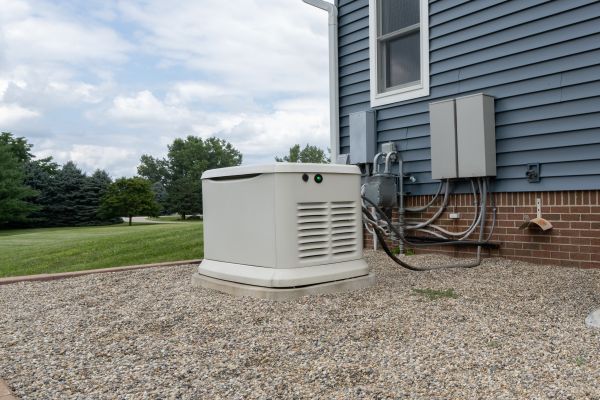
Standby generator installation creates a fixed, automatic backup arrangement rather than a temporary portable-generator setup. The installation normally includes a generator placed outside, an automatic transfer switch or related transfer equipment, electrical connections, and coordination with the selected fuel source. Professional planning is important because the transfer method must keep generator power isolated from utility lines and match the home’s electrical configuration.
A Home standby generator is often chosen by homeowners who value automatic operation when they are asleep, away, or unable to set up portable equipment. It can begin operating after a utility interruption and shut down after normal service returns, based on the installed controls. Automatic function does not eliminate the need for periodic testing, service, and fuel-system awareness, but it reduces the hands-on response required during a disruption.
How Executive Electric approaches the installation conversation
Good installation decisions begin with the home, not a generic package. Executive Electric can use the initial conversation to identify the electrical loads you want protected, the service arrangement, possible equipment placement, and the fuel option under consideration. Those details shape the scope and help clarify which decisions should be made before equipment is selected.
- Define outage priorities. Identify essential appliances, comfort systems, pumps, devices, and work needs.
- Review electrical demand. Consider the home’s service, existing major loads, and which loads may start together.
- Plan equipment and fuel. Evaluate an appropriate outdoor location, transfer equipment, fuel connection, and access for future service.
- Complete installation work. A qualified electrical installation connects the generator and transfer equipment according to the approved design and applicable requirements.
- Test and understand operation. Commissioning verifies transfer operation and gives the homeowner a practical understanding of normal use and maintenance needs.
Site conditions can affect the final design. Electrical-panel capacity, equipment clearance, cable routing, fuel availability, drainage, noise considerations, and local permitting requirements are all meaningful factors. A reliable proposal should distinguish between what is known from the initial discussion and what requires an on-site review or coordination with the appropriate utility, fuel provider, or local authority.
Fuel planning is part of system reliability
Natural gas generator installation is a common consideration for homes with an available natural-gas supply because the generator can draw fuel without relying on gasoline storage. The gas service and generator demand still need to be evaluated as part of the design, since an undersized or unsuitable fuel arrangement can limit performance. Where natural gas is not the right fit, homeowners can discuss other fuel approaches and the practical storage or supply considerations they involve.
Backup generator installation should be treated as an electrical-safety project as well as a convenience upgrade. The transfer equipment is central because it manages the change between utility and generator power without unsafe backfeeding. Permanent wiring, proper overcurrent protection, suitable grounding and bonding practices, and a clear operating plan are reasons to involve a professional rather than improvise an interconnection.
Choosing the level of backup that fits your household
The right system is the one that supports your actual priorities through the type of interruption you are preparing for. A household concerned mainly with basement water protection and food preservation may make a different choice than a household that needs broad continuity for remote work, climate control, or equipment that should not lose power. It is reasonable to compare an essential-load design, a larger automatic system, and a portable option before committing.
Residential generator services encompass more than placing a machine beside the home. A useful residential discussion considers load needs, transfer equipment, fuel, installation conditions, testing, and the owner’s long-term responsibilities. This whole-system perspective helps homeowners understand where a lower initial cost may involve more manual operation or reduced coverage during an outage.
Home electrical backup solutions can range from a generator serving a few selected circuits to an automatic system designed for extensive household coverage. The appropriate choice depends on which loads are essential, how long an interruption might matter to your household, and how much manual involvement you are willing to accept. Electrical backup is most useful when it is designed around real behavior during an outage, not an assumption that every appliance must run at once.
Power outage backup solutions should also include preparation beyond the generator itself. Homeowners benefit from knowing which circuits are protected, keeping operating instructions accessible, testing equipment on the recommended schedule, and arranging for maintenance as appropriate for the generator model. A generator supports continuity, but it does not replace sensible outage planning for food, communications, family needs, and safe use of electrical equipment.
Important details to discuss before work begins
Bring a practical list of appliances and systems you expect to use during an outage. Include electric heating or air-conditioning components, well or sump pumps, electric water heaters, ranges, laundry equipment, vehicle charging, and workshop loads, because high-demand equipment can significantly influence design. It is also helpful to identify whether automatic operation is a priority and whether the property already has a suitable fuel source.
- Which specific loads must operate during a utility interruption?
- Is essential-circuit coverage adequate, or is broader coverage the goal?
- What transfer equipment suits the existing electrical service and planned coverage?
- What fuel source is available, and what review does that connection require?
- What permitting, placement, clearance, and maintenance factors apply to the project?
Be cautious of the misconception that a generator alone guarantees whole-home power. Generator capacity, fuel delivery, transfer configuration, electrical service characteristics, and the combination of active loads all affect what the system can support. Clear expectations before installation are the best way to make the investment useful when an outage actually occurs.
Plan your Bloomfield Hills backup-power project
For homeowners evaluating Home Generator Installation in Bloomfield Hills, MI, Executive Electric offers a direct contact point for discussing the scope of a potential project. Sharing your priority loads, fuel situation, and desired level of automation can make the conversation more productive from the start. The company’s listed location is 20504 Hall Rd, Clinton Township, MI 48038, and it should not be confused with a Bloomfield Hills office location.
Prepare for interruptions with a system designed around your household’s priorities. Contact Executive Electric through the contact page to begin discussing generator installation, electrical considerations, and your next steps in Michigan.
Frequently asked questions
What is included in Home Generator Installation?
Home Generator Installation generally includes planning generator capacity, connecting approved transfer equipment, integrating the electrical system, addressing the selected fuel source, placing equipment appropriately, and testing operation. Exact scope varies with the home’s electrical service, coverage goals, site conditions, equipment selection, and applicable local requirements.
Should I choose essential-circuit or whole-home generator coverage?
Choose essential-circuit coverage when you primarily need critical systems such as refrigeration, heat-related equipment, sump pumps, lighting, and communications. Consider broader coverage when maintaining more normal household operation is important. A load review is necessary because large appliances and motor-driven equipment can materially change capacity requirements.
Can a standby generator run automatically when the power goes out?
Yes. A properly designed standby system uses transfer equipment to detect utility loss, start the generator, and shift designated electrical loads to backup power. After utility power returns, the system transfers back. Automatic operation depends on compatible installed equipment, correct setup, fuel availability, and ongoing maintenance.
Is Executive Electric physically located in Bloomfield Hills, MI?
Executive Electric’s supplied company location is 20504 Hall Rd, Clinton Township, MI 48038. The company page serves homeowners seeking generator information in Bloomfield Hills, MI, but the provided location does not state that Executive Electric has a physical office in Bloomfield Hills.